

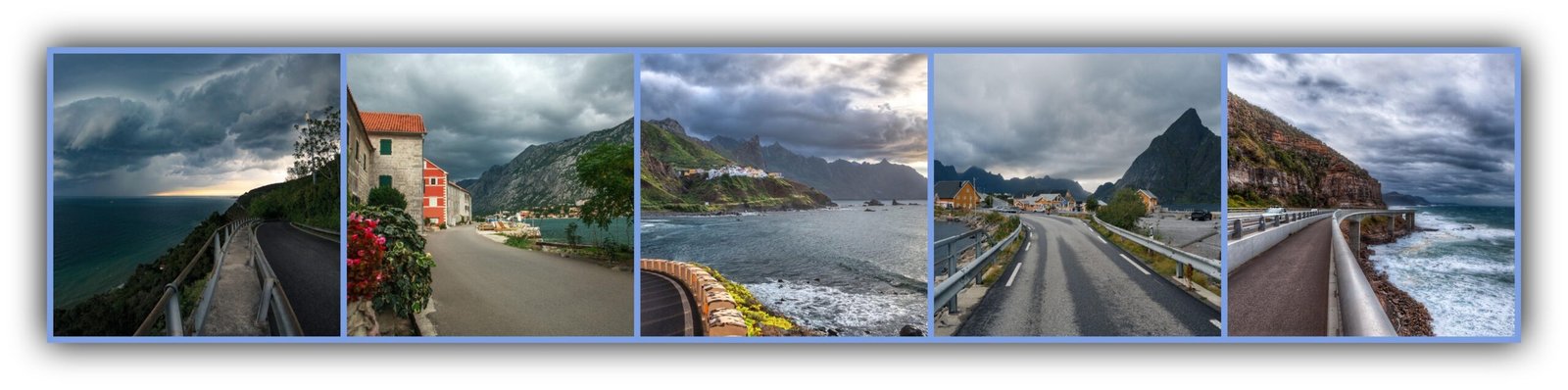
Before You Become an Expat, Kick the Tires
Paradise looks different when you know what to look for. Before you become an expat, look beyond the view and kick the tires.
The country may be beautiful. The cost of living may be tempting. But what happens when things go wrong?
By Gina Hill | Alaska Headline Living | Tuesday, August 18, 2026
There is a particular kind of photograph that can make a person want to sell everything and move overseas.
A little house overlooking the sea. A café on a cobblestone street. Mountains outside the window. A tropical garden. A glass of wine at sunset and somebody explaining how they left their old life behind and have never been happier.
Maybe they haven’t.
For many people, moving to another country really can be an extraordinary experience. A new culture, a lower cost of living, better weather, a slower pace and a chance to build a life that feels more like the one they actually wanted.
But before you fall in love with the view, there’s another question worth asking.
What happens when everything goes wrong?
That’s the question too often missing from the glossy expat conversation.
Because you aren’t moving into a vacation photograph.
You’re moving into a country’s infrastructure, healthcare system, emergency services, roads, weather, government, utilities and laws.
And those things matter considerably more when you’re having a very bad Tuesday.
“Safe” Doesn’t Mean the Same Thing Everywhere
Ask where the safest country in the world is and you’ll probably get a quick answer. But safe from what?
Crime?
War?
Political instability?
Natural disasters?
Poor roads?
Medical emergencies?
Extreme weather?
Infrastructure failures?
The answer changes depending on what you’re measuring.
The 2026 Global Peace Index ranks Iceland as the world’s most peaceful country for the 19th consecutive year. Its top five are Iceland, New Zealand, Ireland, Austria and Switzerland. The index considers safety and security, ongoing conflict and militarization.
That’s useful information for someone considering a move.
It isn’t the whole answer.
Meanwhile, InterNations’ 2026 Expat Insider survey ranks Panama as the world’s No. 1 destination for expats for the third consecutive year. Mexico ranks second and Thailand third. The survey measures the experiences of people actually living abroad, including finances, quality of life, settling in, working abroad and the practicalities of daily life.
Those rankings aren’t competing with each other. They’re answering different questions. There is no single “safest country” for every prospective expat. There is only the country whose risks, advantages and systems make sense for the life you’re planning to live.
The Worst Day Tells You More Than the Best Day
Before moving abroad, imagine your worst reasonably foreseeable day.
Not the apocalypse. Just a really bad Tuesday.
You wake up seriously ill. Where is the hospital?
Your car is wrecked. How quickly can help reach you?
A wildfire is approaching. Where do you go?
The electricity has been out for hours. What happens to your water, heat, communications or medical equipment?
A storm has closed the road. Is there another way out?
Your prescription isn’t available. Can you get it legally and quickly?
The airport is shut down. How would you leave the country if you had to?
You don’t speak the local language well enough to explain what’s happening. Can you communicate with emergency responders, doctors or police? An ambulance is only as useful as the system behind it. How far away is the nearest emergency service? Can responders reach your neighborhood quickly? Can you communicate with them? And if the local hospital can’t handle your emergency, what happens next?
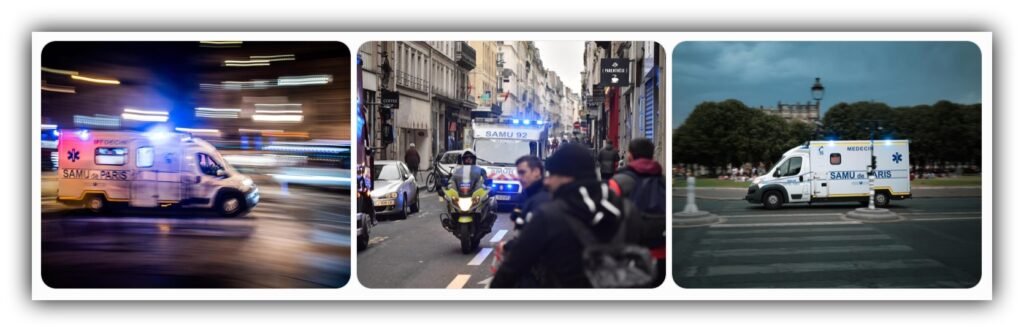
Photo: Markus Kammermann / Unsplash, Paris, France.
That’s where the romance of moving abroad meets reality.
A road isn’t just a road when you’re waiting for an ambulance.
A hospital isn’t just a building when you’re the patient.
Electricity isn’t merely a convenience when your water system, heating, refrigeration, communications or medical equipment depend on it.
And a beautiful rural home isn’t quite as charming when the only road out becomes impassable.
This is why infrastructure deserves to be treated as a safety issue, not simply an economic one.ment depend on it. And a beautiful rural home isn’t quite as charming when the only road out becomes impassable. This is why infrastructure deserves to be treated as a safety issue, not simply an economic one.
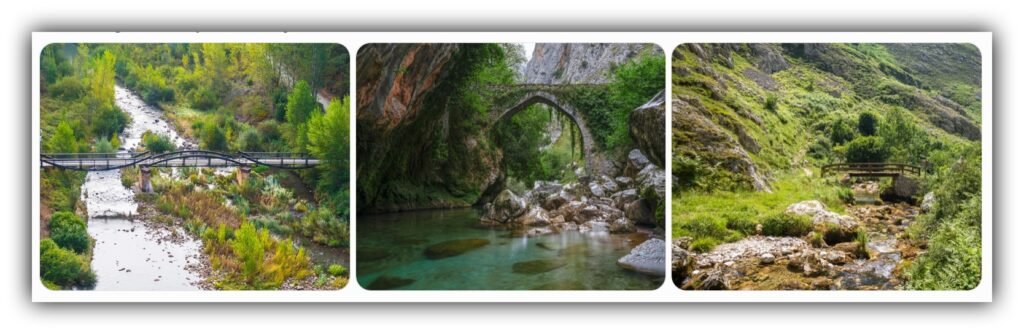
Credit: Antonio Morillas / Unsplash, Sallent de Gállego, Spain. View the original photo on Unsplash
Kick the Tires Before You Move
Before signing a lease or buying property, research the place you’re actually moving to, not just the country on the map.
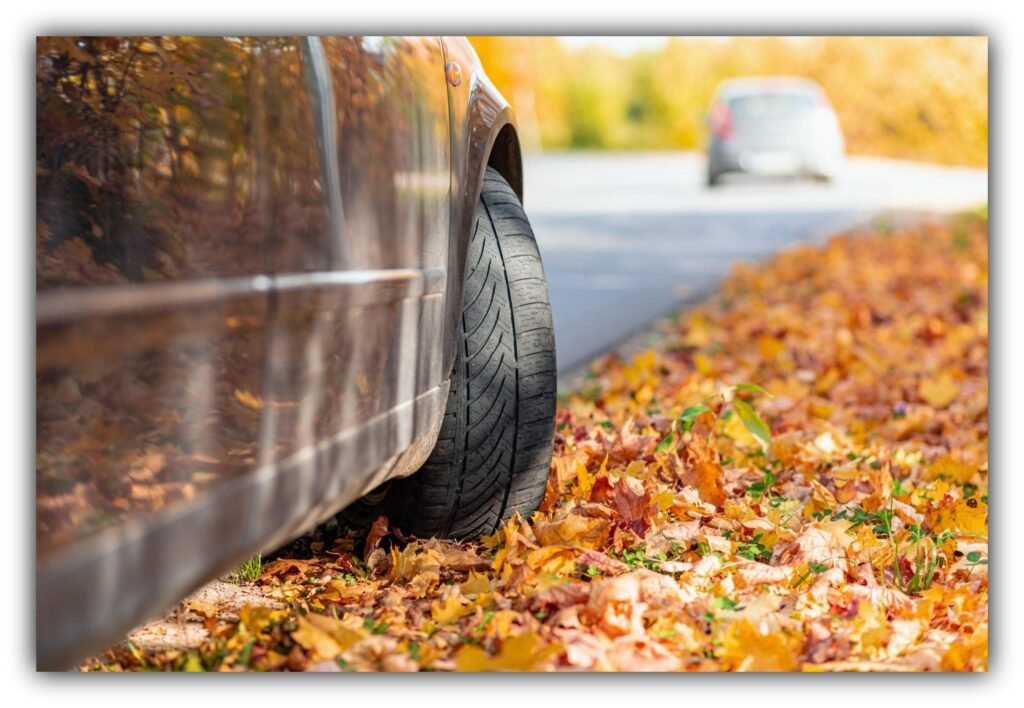
Photo: William G / Unsplash, “Car tire on a leaf-covered road.” Original photo on Unsplash
Kick-the-tires checklist:
- Find the nearest hospital capable of handling a serious emergency.
- Find out how emergency medical services work and how to reach them.
- Check police, fire and search-and-rescue coverage.
- Find out what happens to the community during power outages.
- Check the reliability of water, sewage, internet and cellular service.
- Research the area’s biggest natural hazards.
- Find the evacuation routes and emergency shelters.
- Check whether your property is in a flood, wildfire, tsunami, earthquake or other hazard zone.
- Drive the route between your home and the nearest hospital.
- Find out whether that route remains usable during the area’s worst weather.
- Research building standards for the hazards common to that region.
- Find out whether your health insurance works there and what emergency evacuation covers.
- Confirm that your prescription medications are legal and available.
- Determine whether you can communicate with emergency responders in a language you understand.
- Find out what your embassy or consulate can and cannot do for you.
- Have a realistic plan for leaving the country if circumstances suddenly require it.
That’s not pessimism. That’s due diligence.
Don’t Confuse the Capital With the Country
Another mistake is researching a country without researching the actual community where you intend to live.
A capital city may have excellent hospitals, modern roads, reliable utilities and sophisticated emergency services. The little village three hours away may not. International SOS’s country-risk methodology is a useful reminder of this distinction because its assessments consider both security and medical conditions, including the ability of local systems to manage and mitigate risk. The same country can present very different realities depending on where you are.
So research in layers:
country → region → city → neighborhood → property.
That last step matters. A house isn’t safe because the country is safe. A neighborhood isn’t safe because the city is safe and a beautiful view doesn’t tell you whether the road disappears during the rainy season.
Weather Is More Than a Forecast
Expats often research climate by asking about average temperatures. That’s not enough.
You need to know the extremes.
- If you’re moving somewhere tropical, find out about flooding, cyclones, extreme heat and storm surge.
- If you’re moving somewhere mountainous, research earthquakes, landslides, avalanches, wildfire and winter road conditions.
- If you’re moving somewhere coastal, find out what happens during major storms and whether evacuation is realistic.
- If you’re moving somewhere dry, research drought, wildfire, water shortages and extreme heat.
The WorldRiskIndex is valuable because it looks beyond whether a country experiences natural hazards. Its methodology also considers vulnerability and a society’s ability to cope with and adapt to disasters. That’s an important distinction.
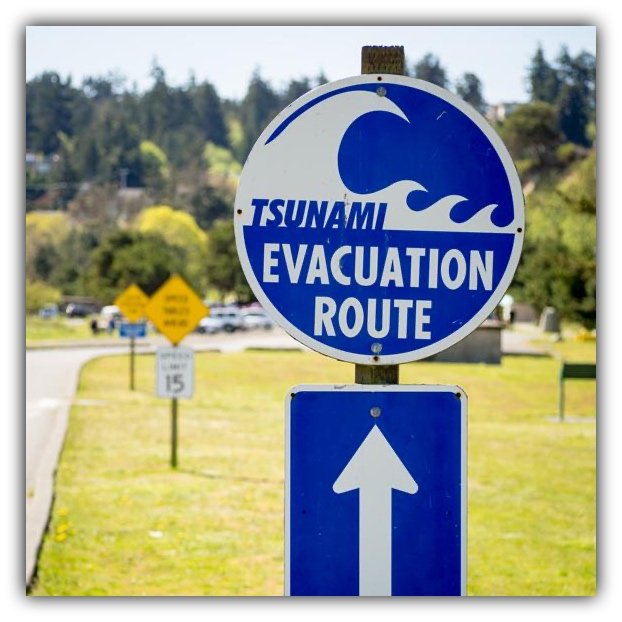
The hazard matters. The response matters, too.
Two countries can experience the same earthquake, flood or cyclone and have dramatically different outcomes because their infrastructure, emergency systems and preparedness are different.
Panama Is a Perfect Example of Why Rankings Need Context
Panama’s No. 1 position in the 2026 Expat Insider survey is impressive. Expats there rate the country highly for finances, settling in and practical aspects of life. Ninety percent say their disposable household income is enough for a comfortable life, and 87% say they are happy with their life abroad.
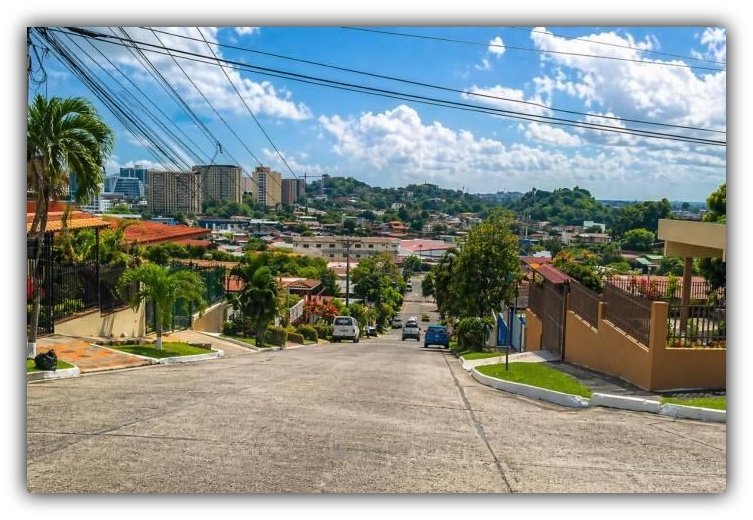
Credit: Photo courtesy of La Estrella de Panamá.
But even the world’s top-ranked expat destination has a “yes, but.”
InterNations reports that Panama ranks last among the 31 surveyed destinations for infrastructure for cars. That’s not a reason to reject Panama. It is a reason to ask another question:
What does that mean for the particular place where I’m planning to live?
That’s what good expat research looks like. Not “Panama is safe.” Not “Panama is unsafe.”
But:
“What are Panama’s strengths, what are its weaknesses, and can I live comfortably with both?”
The Same Is True of Iceland
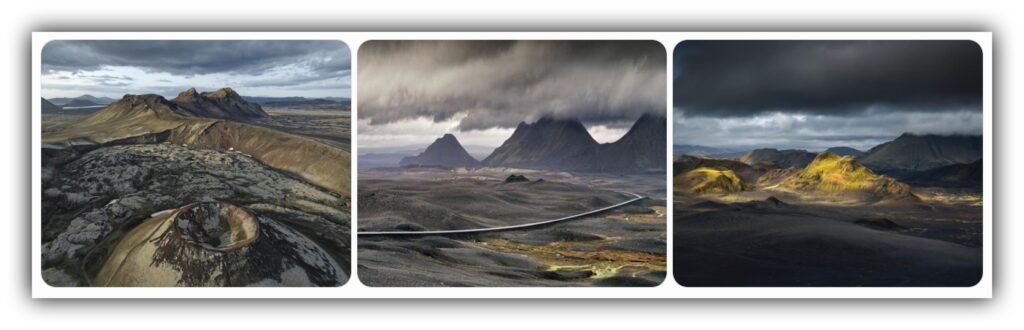
Credit: Colin Watts / Unsplash, Highlands, Iceland. Original photo on Unsplash
Iceland offers the opposite illustration. It is the world’s most peaceful country according to the 2026 Global Peace Index, with very low crime and strong social cohesion. That doesn’t mean an expat can ignore Iceland’s environmental realities. Volcanic activity, earthquakes, severe weather and geographic isolation are part of the country’s physical environment.
Again, that doesn’t make Iceland a bad place to live. It means that safety isn’t the absence of risk. Sometimes safety means living in a place where the risks are understood, managed and compatible with your circumstances.
Your Risk Profile Comes With You
The safest country for one person may be a poor choice for another.
A healthy 30-year-old remote worker has different needs from a retiree who requires regular specialist care. A family with small children has different priorities from a single person. Someone who speaks the local language has an advantage over someone who doesn’t. Someone who plans to live in a major city has different needs from someone buying a remote property in the countryside. And someone who is comfortable living with earthquakes may have no interest in living somewhere with months of extreme heat.
The question isn’t simply:
“Is this country safe?”
It’s:
“Is this country’s version of safe compatible with my life?”
That’s a much better question.
Don’t Move Because Somebody Else Did
The internet is full of people who moved abroad and love it, and their experiences can be incredibly useful. They can tell you what the guidebooks don’t, from the realities of finding an apartment to navigating the grocery store, getting a prescription or figuring out the local bureaucracy. But their experience is still their experience. Their income may be different from yours. Their health needs may be different. They may live in a neighborhood with excellent infrastructure while you’re considering a village an hour away. They may speak the language fluently, have comprehensive insurance or have a level of financial flexibility that gives them options you won’t have. They may also have a much higher tolerance for uncertainty and inconvenience than you do.
That’s why expat success stories should be treated as information, not instructions. Ask what worked for them, but then ask whether it would work for you. Look beyond the beautiful photographs and glowing testimonials. What does the place cost during the expensive season? What happens when the weather turns ugly? How difficult is it to get medical care? What happens when the power goes out or transportation is disrupted? How welcome will you feel once you’re no longer a visitor?
A photograph can show you the sunset. A firsthand account can tell you what it feels like to live there. Neither can tell you exactly what your life will be. That’s something you have to investigate for yourself.
And if you really want to know whether a place is right for you, don’t just visit on its best day. Find out what it looks like on the worst one..
Kick the Tires. Then Look at the View.
Moving abroad can absolutely be a wonderful decision. The trick is to make the decision with your eyes open.
- Research the country.
- Research the community.
- Research the roads.
- Research the hospital.
- Research the weather.
- Research the emergency system.
- Research the utilities.
- Research the insurance.
- Research the evacuation plan.
Then go visit, drive around, talk to people who actually live there. And, if possible, see the place during the season nobody puts on Instagram. Because the real test of a potential new home isn’t whether you can imagine drinking coffee there on a sunny morning. It’s whether you can imagine being there when the road is closed, the power is out, the weather is ugly and you need help.
If the answer is still, “Yes. I can live with this,” you may have found something better than a vacation destination.
You may have found a home.
Just kick the tires first. 🛞
Sources
- InterNations, Expat Insider 2026: The Best & Worst Countries for Expats
- Global Peace Index 2026, Institute for Economics & Peace
- WorldRiskReport / WorldRiskIndex
- International SOS, Risk Outlook 2026
What do you feel about this post?

Like

Love

Happy

Haha

Sad