Banned Books Week Asks a Simple Question: Who Gets to Decide What We Read?
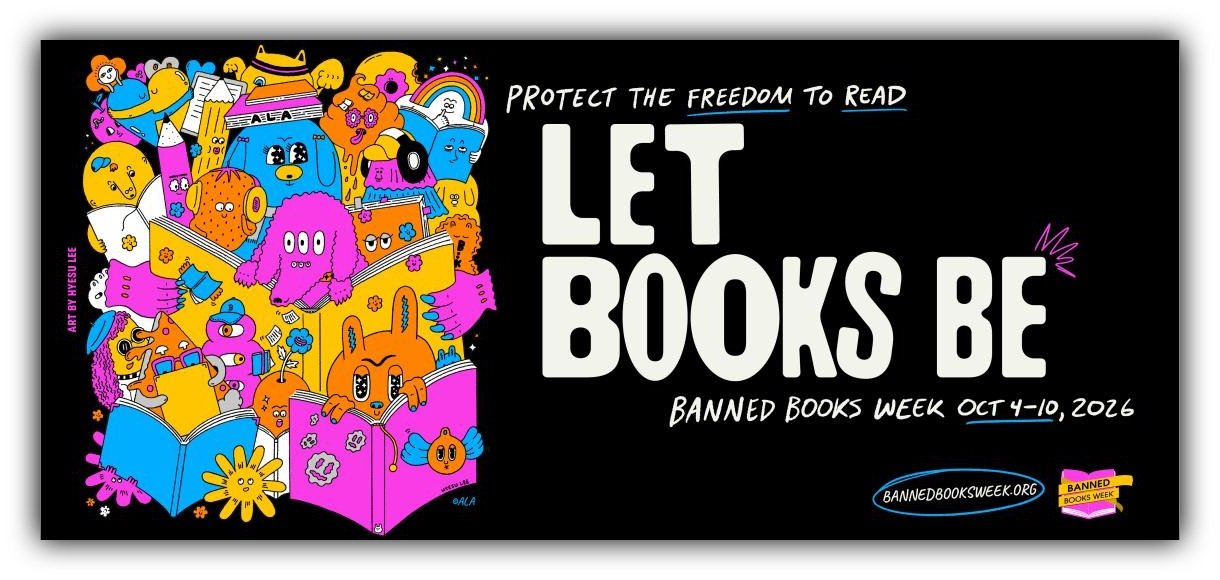
“Let Books Be. Protect the Freedom to Read.” The 2026 Banned Books Week theme puts the freedom to choose what we read front and center.
Book bans may be making national headlines, but Alaska has already had its own fight over who gets to decide what belongs on a library shelf.
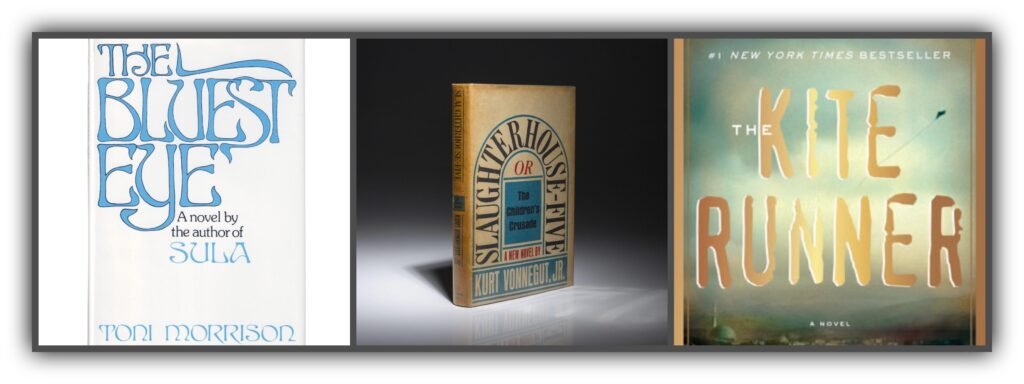
In April 2023, the Matanuska-Susitna Borough School District removed 56 books from all of its school libraries following complaints about their content. The list included Toni Morrison’s The Bluest Eye, Kurt Vonnegut’s Slaughterhouse-Five and Khaled Hosseini’s The Kite Runner, along with books featuring LGBTQ+ and BIPOC protagonists and nonfiction materials about adolescent health and development.
Eight students and parents eventually sued the district, arguing the removals violated their constitutional rights. In August 2024, U.S. District Judge Sharon Gleason ordered the district to return 49 of the 56 books to its library shelves. She said the district’s review process raised serious constitutional questions and the “specter of official suppression of ideas.”
The case settled in October 2024. The district agreed to pay $89,000 toward the plaintiffs’ legal fees and costs. Seven books remained removed, and the plaintiffs agreed not to challenge those remaining removals as part of the settlement. The district did not admit wrongdoing.
That distinction matters. The Mat-Su story did not end with 56 books permanently banned. Most went back on the shelves. But the fight showed how quickly a dispute over individual books can become a much bigger question about access to ideas.
That makes this a particularly interesting week to talk about books.
Banned Books Week runs October 4–10, with the 2026 theme “Let Books Be. Protect the Freedom to Read.” The American Library Association launched Banned Books Week in 1982 after a surge in challenges to books in libraries, bookstores and schools.
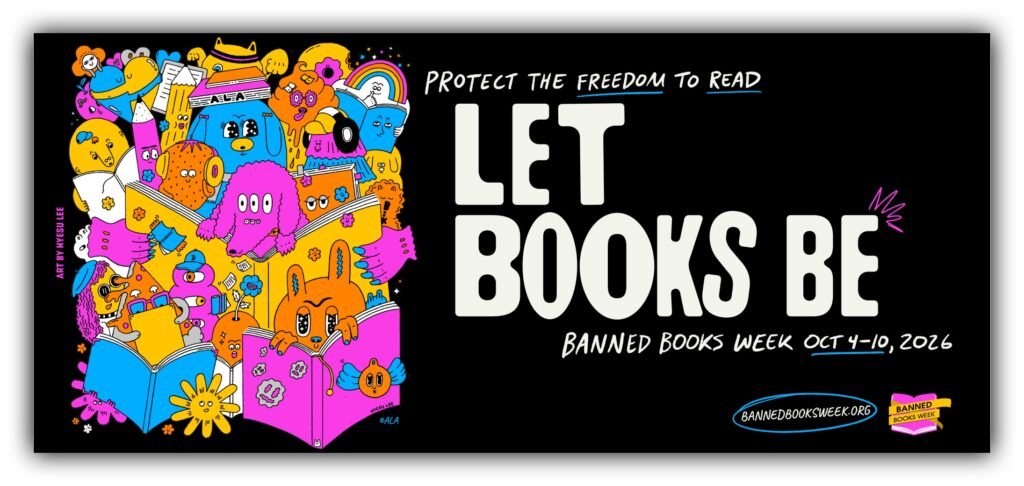
And this isn’t just about children’s books. Banned Books Week is about readers of all kinds and the freedom to seek and express ideas. The books involved range from children’s and young-adult titles to novels, memoirs, classics, nonfiction and works of history.
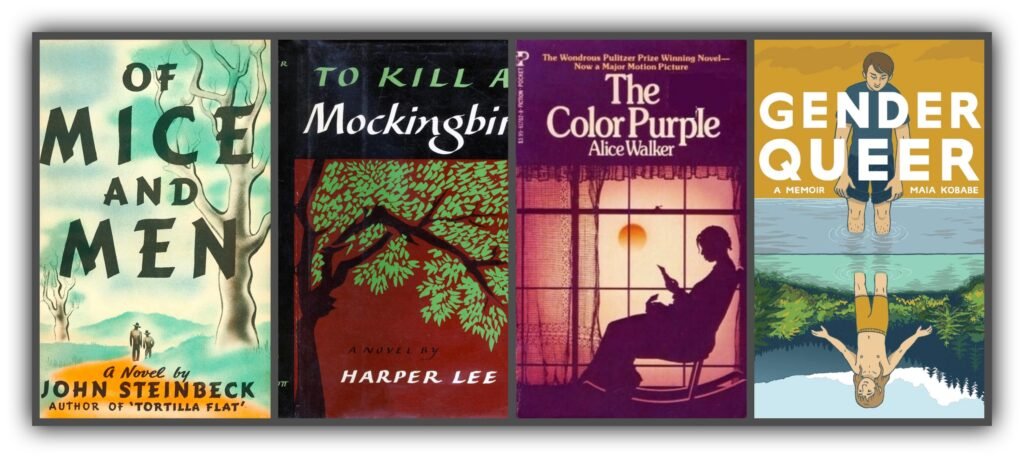
There is no single “Banned Book of 2026” at the center of the celebration. Instead, this year’s campaign focuses on the broader freedom to read. ALA is also marking its 150th anniversary with a list of the 150 most challenged books from 1990 through 2025, ranging from Gender Queer and The Color Purple to To Kill a Mockingbird and Of Mice and Men.
And the timing of this year’s Banned Books Week is significant.
PEN America reported Monday that 11,982 books were banned in public schools during the 2025–26 school year, the highest number it has recorded in a single year since it began tracking school book bans in 2021. Those bans involved 7,370 different titles across 114 school districts. More than 4,500 of those titles had not previously appeared in PEN America’s database.
The books aren’t obscure titles gathering dust on forgotten shelves, either.
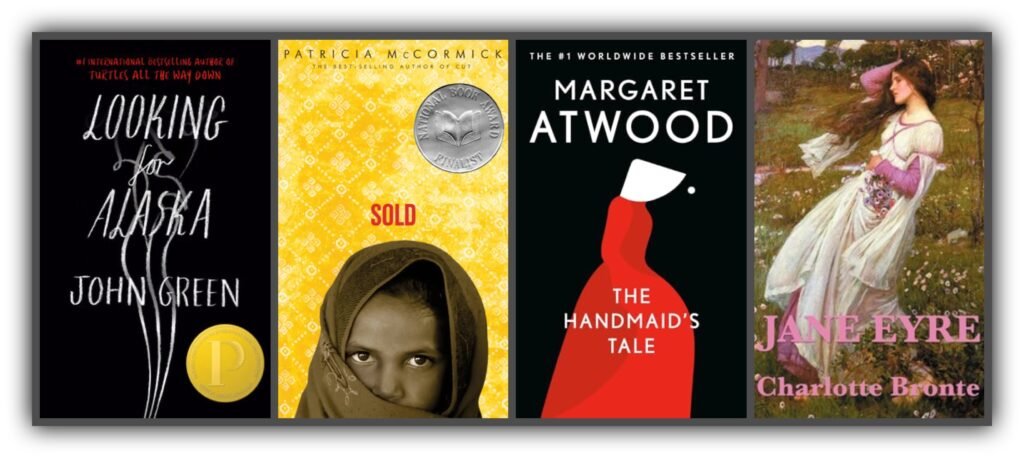
Patricia McCormick’s Sold was among the titles most frequently banned during the 2025–26 school year. Stephen King was the most frequently banned author for the second year in a row. Other familiar titles appearing in recent censorship battles include The Handmaid’s Tale, Looking for Alaska, Jane Eyre, Lessons in Chemistry, Speak and A Court of Thorns and Roses.
So who is actually doing the banning?
It is not usually one person sitting down and declaring that Americans may no longer read a particular book. A challenge can begin with a complaint and move through librarians, administrators, review committees, school boards or state officials. State laws can also change the rules under which schools decide what belongs on their shelves.
PEN America says 72% of the districts it tracked during the 2025–26 school year had bans that could be attributed to state legislation. Texas recorded more than 8,000 bans, while Florida also accounted for thousands of removals.
The American Library Association’s numbers tell a similar story from the library side. ALA documented 4,235 unique titles challenged in 2025, the second-highest number it has recorded. Nearly 92% of those challenges were initiated by pressure groups, government officials or decision-makers, while fewer than 3% came from individual parents. ALA documented thousands of titles banned from libraries, with hundreds more restricted through measures such as relocation or requiring permission.
And this is not a new American argument.
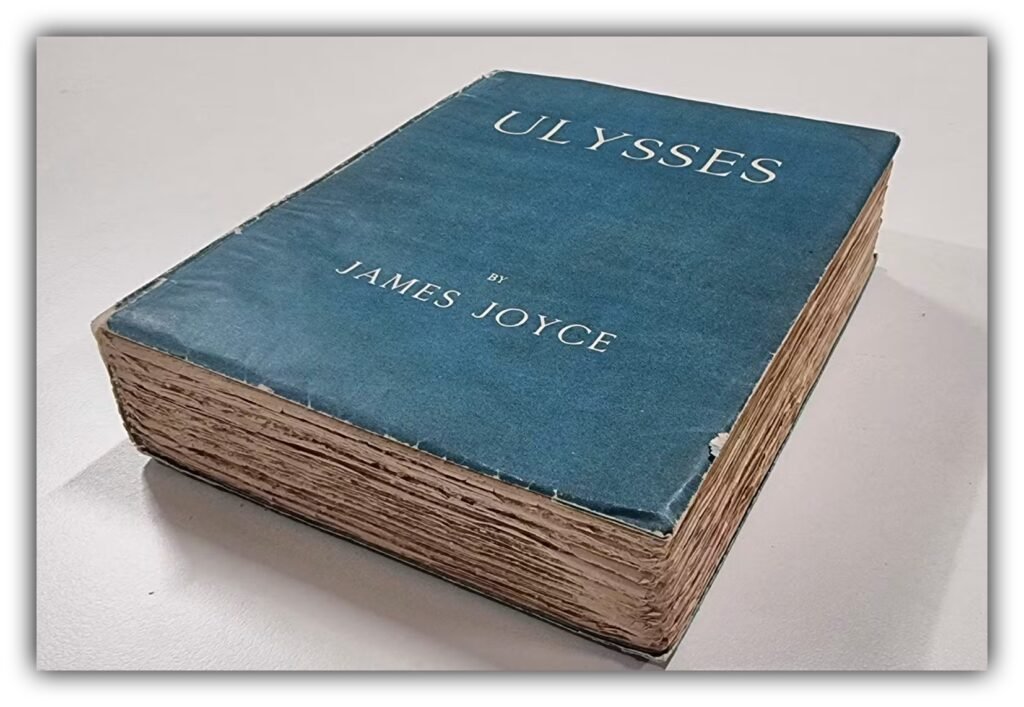
Ulysses by James Joyce was once kept out of the United States after customs authorities treated it as obscene. In 1933, a federal judge ruled the novel was not obscene, clearing the way for its legal importation.
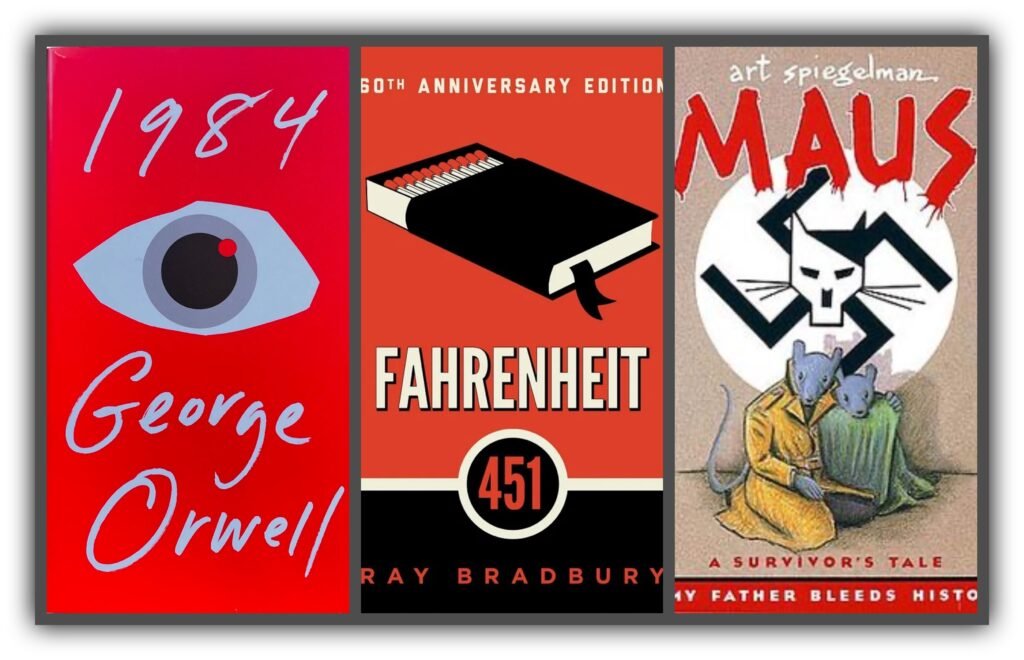
The Color Purple has faced challenges in schools and libraries. 1984 and Fahrenheit 451, two novels about societies where information and freedom are tightly controlled, have themselves been challenged. Maus, Art Spiegelman’s Pulitzer Prize-winning account of his father’s Holocaust experience, was removed from an eighth-grade curriculum by a Tennessee school board in 2022.
The reasons given for challenges vary. Sexual content is frequently cited, along with LGBTQ+ themes, race, racism, violence, religion and other subjects some people believe are inappropriate for readers.
But there is an important distinction that can get lost in the shouting: a challenge is not automatically a ban.
A challenge is an attempt to have a book removed or restricted. A ban or censorship action actually limits access. Sometimes a challenged book stays exactly where it was. Sometimes it gets moved behind a desk, requires permission or disappears from a school or library entirely.
And a disagreement over a book is not the same thing as a demand that everyone else lose access to it.
People have always had the right to decide what they and their families want to read. Librarians make professional decisions about their collections. Teachers choose classroom materials. Readers make their own choices every day.
Banned Books Week asks us to look at what happens when those individual choices become restrictions imposed on everyone else.
This year’s observance also ends with a specific call to action.
October 10 is Let Freedom Read Day, described by the American Library Association as a day of direct action against censorship. It gives readers, librarians, educators, authors and others a chance to do something concrete in support of the freedom to read, whether that means checking out a challenged book, supporting a library, contacting a decision-maker or simply learning more about censorship.
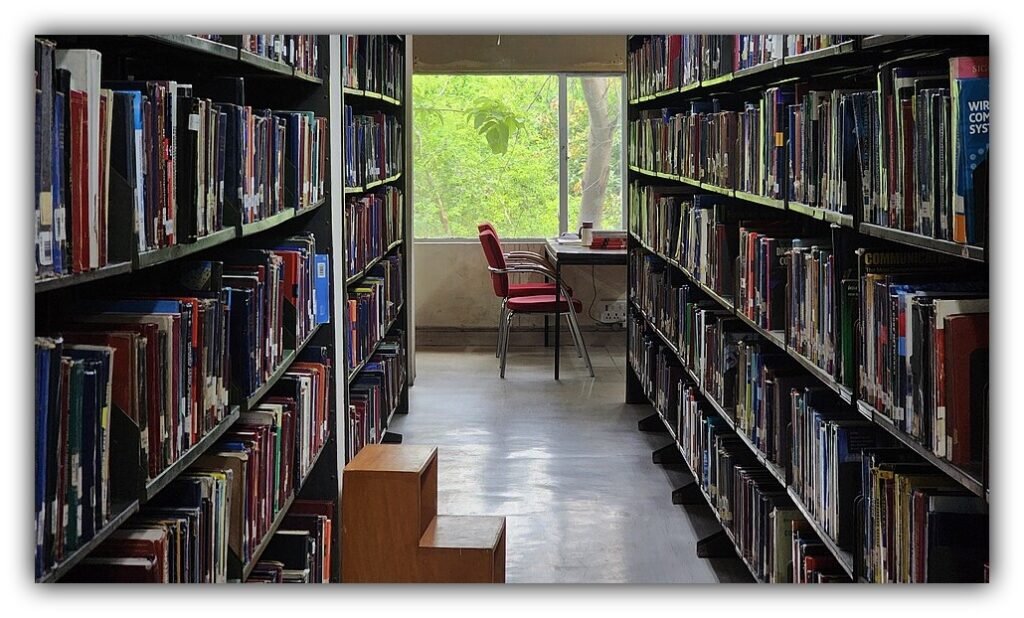
A book on a library shelf does not require anyone to read it.
It simply leaves the choice with the reader.
And perhaps that is the simplest way to understand Banned Books Week: the real power of a library shelf is not telling you what to read. It is letting you decide for yourself.
Want to Do More? PEN America Has a Call to Action
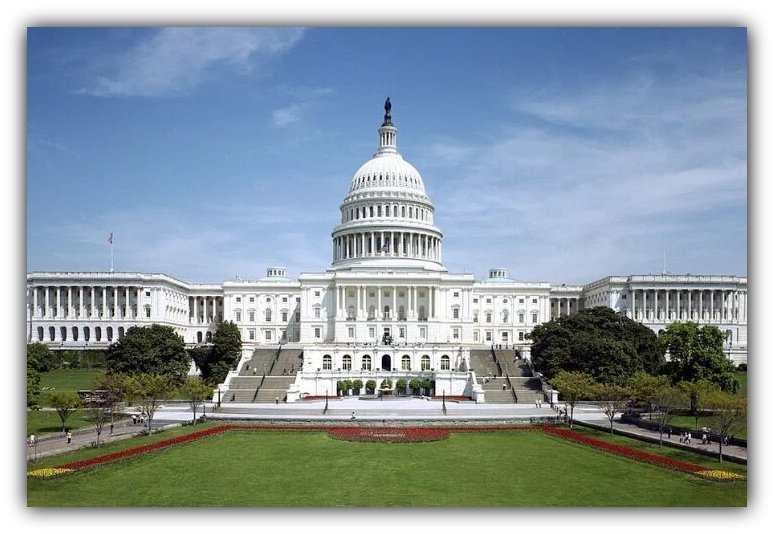
For readers who want to take a more active role, PEN America is asking people to tell Congress to protect the freedom to read. The organization is urging Congress to oppose H.R. 7661 and its Senate companion, S. 4925, legislation PEN America says could restrict speech, instruction and access to literature in public schools. The bills are formally titled the Stop the Sexualization of Children Act and were introduced in the House and Senate in 2026.
Want to weigh in? PEN America provides an online action page where readers can contact their members of Congress.
Tell Congress: Protect the Freedom to Read
Primary Sources
- American Library Association: Banned Books Week 2026
- American Library Association: Banned Books Week Press Kit and Censorship Data
- PEN America: 2025–26 School Book Ban Report
- ACLU of Alaska: Mat-Su School District Book Challenge
- ACLU of Alaska: Mat-Su Book Litigation
- Banned Books Week: Let Freedom Read Day
What do you feel about this post?
Like
Love
Happy
Haha
Sad