







Thrift Store Jackpot? 50 Things to Hunt for in Alaska
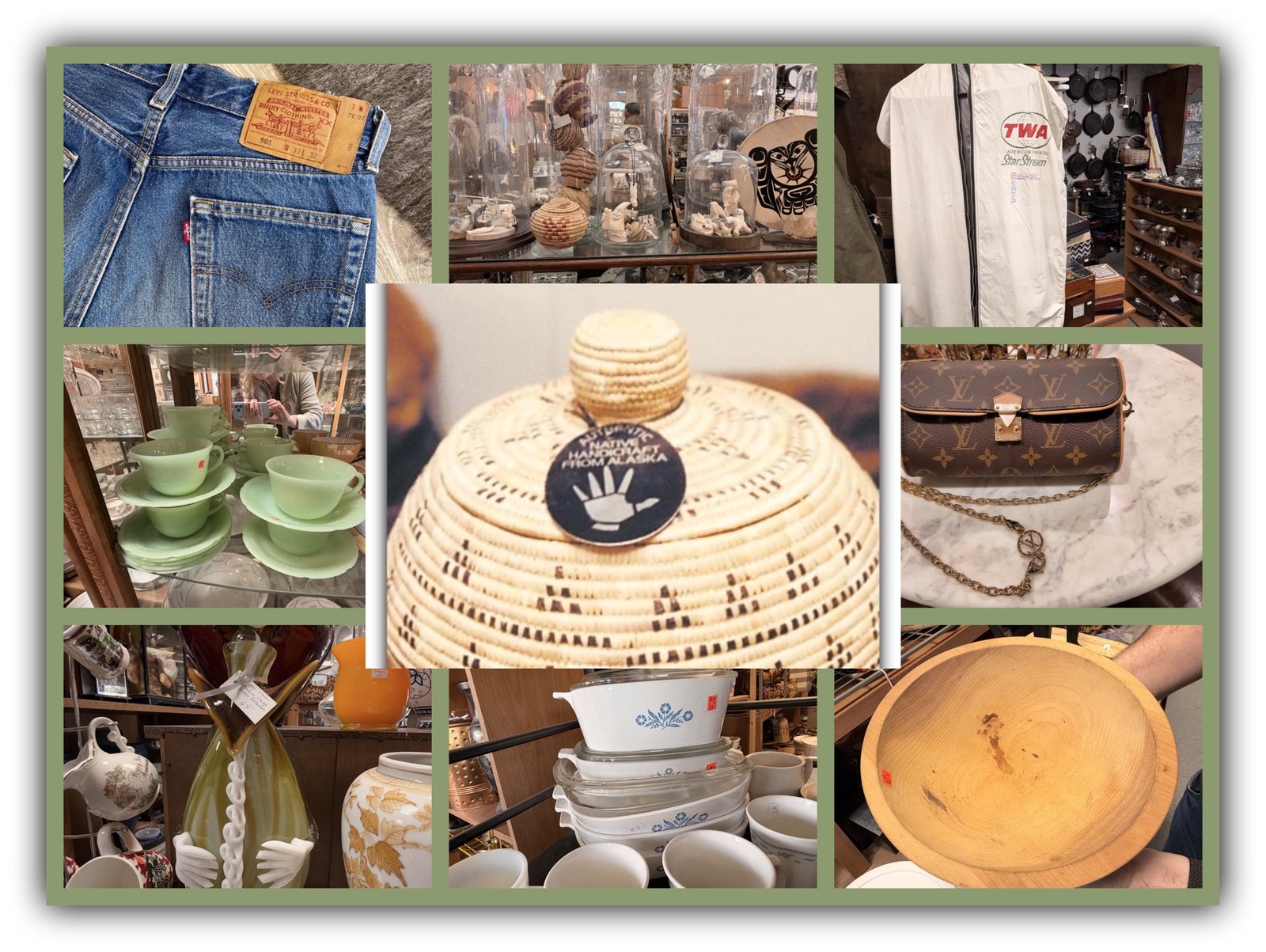
A little bit of everything you might spot while thrift shopping, from vintage kitchenware and clothing to Alaska Native art, collectibles and luxury-brand finds. The variety is part of the fun, but knowing what you’re looking at is what can turn an interesting find into a smart one. Photos by Alaska Headline Living ©️, with individual source credits noted throughout.
I went digging at an Eagle River vintage shop. Here’s what made me look twice.
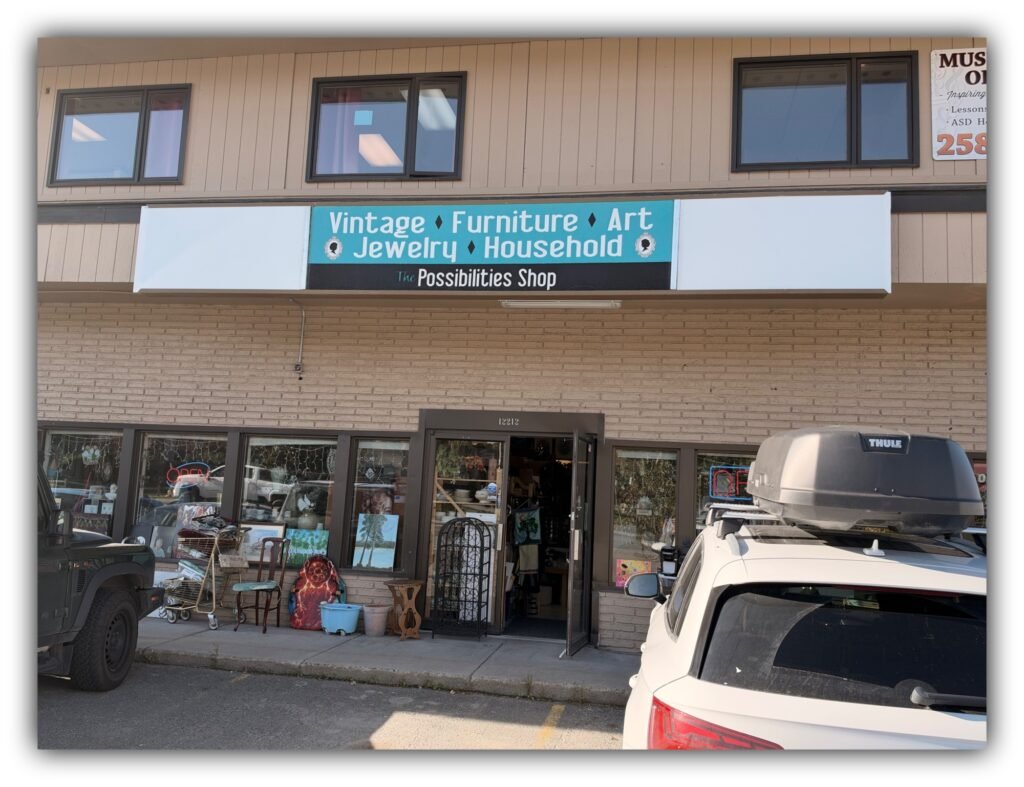
The Possibilities Shop in Eagle River is the kind of place that makes you slow down.
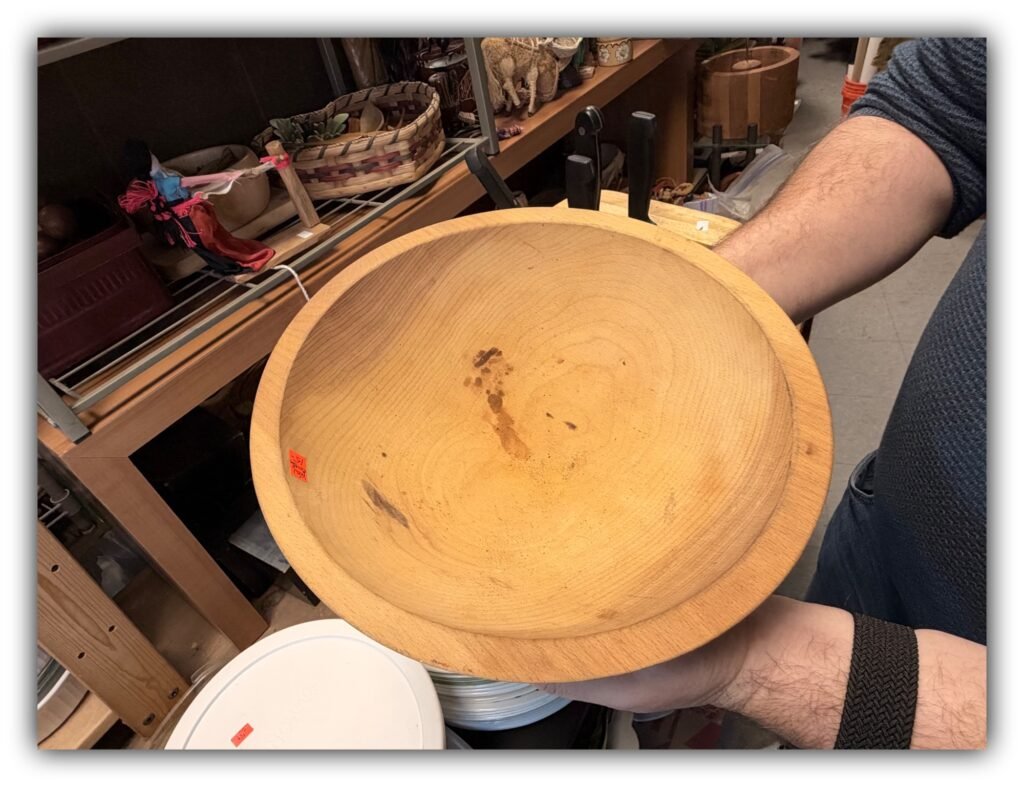
You pick up the jacket. You turn over the bowl. You read the tiny print on the bottom of a piece of glassware. You wonder whether that odd old object is just old or actually collectible.
Located at 12212 Old Glenn Highway, The Possibilities Shop is an antiques, vintage, furniture and collectibles store with the layered, dig-and-discover atmosphere thrift shoppers love. Public listings describe shelves of Alaskana, art, books, kitchen items, furniture, vintage goods and unexpected finds.
Not everything on a shelf is a hidden jackpot. That is not how thrifting works.
But resale buyers are often very specific about the details they want: the right Levi’s style, an older clothing label, a particular Pyrex pattern, a marked cast-iron skillet, a complete LEGO set or a piece of Alaska history with identifiable provenance.
The key is not shopping by brand alone.
It is shopping by details.
The 50-item BOLO list
BOLO means “be on the lookout.”
These are not guaranteed moneymakers or appraisals. They are categories worth pausing to identify, inspect and compare with completed sold listings before you buy.
The price ranges below are rough screening tools, not promises. Actual resale value can change dramatically based on authenticity, age, condition, completeness, rarity, size, demand, fees, returns and shipping costs. For Alaska shoppers, also factor in the higher cost of getting items to Lower 48 buyer.
| No. | Look for This | Details to Check | Buy Price | Resale Target | Where to Sell |
|---|---|---|---|---|---|
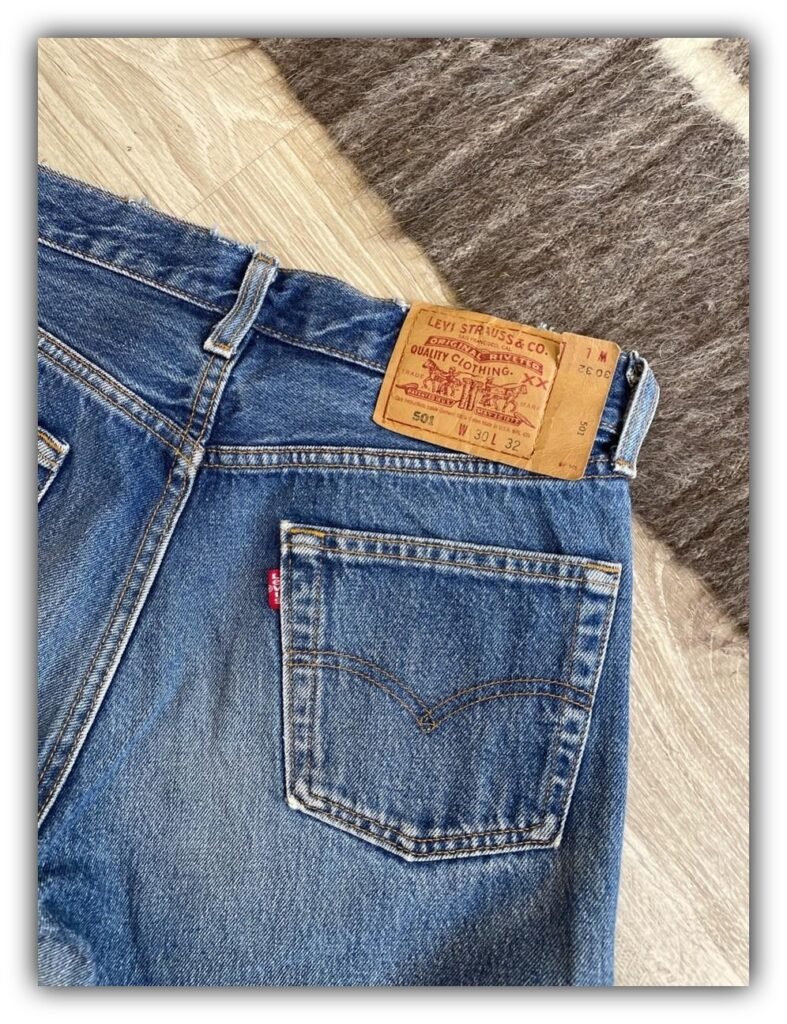
| 1 | Levi’s 501 jeans | Button fly, older tags, selvedge denim, unusual washes | $15 | $40–$100+ | eBay |
| 2 | Levi’s 505 jeans | Older tags, Made in USA labels, desirable washes | $12 | $35–$75 | eBay |
| 3 | Levi’s SilverTab | Baggy, loose or wide-leg vintage cuts | $15 | $40–$90 | eBay, Poshmark |
| 4 | Carhartt jackets | Older Detroit or chore coats, blanket lining, worn canvas | $25 | $60–$150+ | eBay |
| 5 | Carhartt bibs and pants | Older labels, double knees, fades and wear patterns | $15 | $40–$90 | eBay |
| 6 | Vintage Dickies | Older work pants, jackets and unusual colors | $10 | $30–$70 | eBay, Poshmark |
| 7 | L.L.Bean wool | Vintage sweaters, Norwegian knits and wool coats | $12 | $35–$90 | eBay |
| 8 | Pendleton | Wool shirts, blankets and western-style patterns | $20 | $50–$150+ | eBay |
| 9 | Dale of Norway | Norwegian wool sweaters and recognizable knit patterns | $20 | $60–$150+ | eBay |
| 10 | Vintage J.Crew cashmere | Older pieces, unusual colors and intact care labels | $15 | $40–$100 | Poshmark, eBay |
| 11 | Vintage Ralph Lauren | Western, country, patchwork and distinctive older pieces | $15 | $40–$100+ | Poshmark, eBay |
| 12 | Patagonia | Older Synchilla, unusual prints and identifiable models | $15 | $40–$100 | eBay, Poshmark |
| 13 | Arc’teryx | Technical jackets, fleeces, climbing gear and model tags | $30 | $80–$200+ | eBay |
| 14 | Vintage The North Face | Older Denali, Nuptse, Gore-Tex and expedition pieces | $25 | $60–$175+ | eBay |
| 15 | Filson | Tin cloth, Mackinaw wool, bags and workwear | $25 | $60–$200+ | eBay |
| 16 | Barbour | Waxed jackets, older models and tartan lining | $30 | $75–$200+ | eBay |
| 17 | Frye boots | Older leather pairs, USA-made markings and classic styles | $25 | $60–$150+ | eBay, Poshmark |
| 18 | Tony Lama boots | Vintage western boots and unusual stitching | $25 | $60–$150+ | eBay |
| 19 | Lucchese boots | Handmade construction, exotic leather and size markings | $30 | $100–$300+ | eBay |
| 20 | Vintage Dr. Martens | Made-in-England pairs and unusual styles | $20 | $50–$120 | eBay, Poshmark |
| 21 | Vintage band T-shirts | Original tour shirts, older tags and strong graphics | $15 | $50–$200+ | eBay |
| 22 | Harley-Davidson T-shirts | Older graphics, dealership shirts and 1980s–’90s tags | $10 | $35–$100+ | eBay |
| 23 | Vintage sports apparel | Older teams, championships and unusual graphics | $10 | $30–$100+ | eBay |
| 24 | Starter jackets | 1980s–’90s team jackets and bold logo designs | $20 | $50–$150+ | eBay |
| 25 | Champion Reverse Weave | Older tags, collegiate graphics and USA-made pieces | $15 | $40–$100 | eBay, Poshmark |
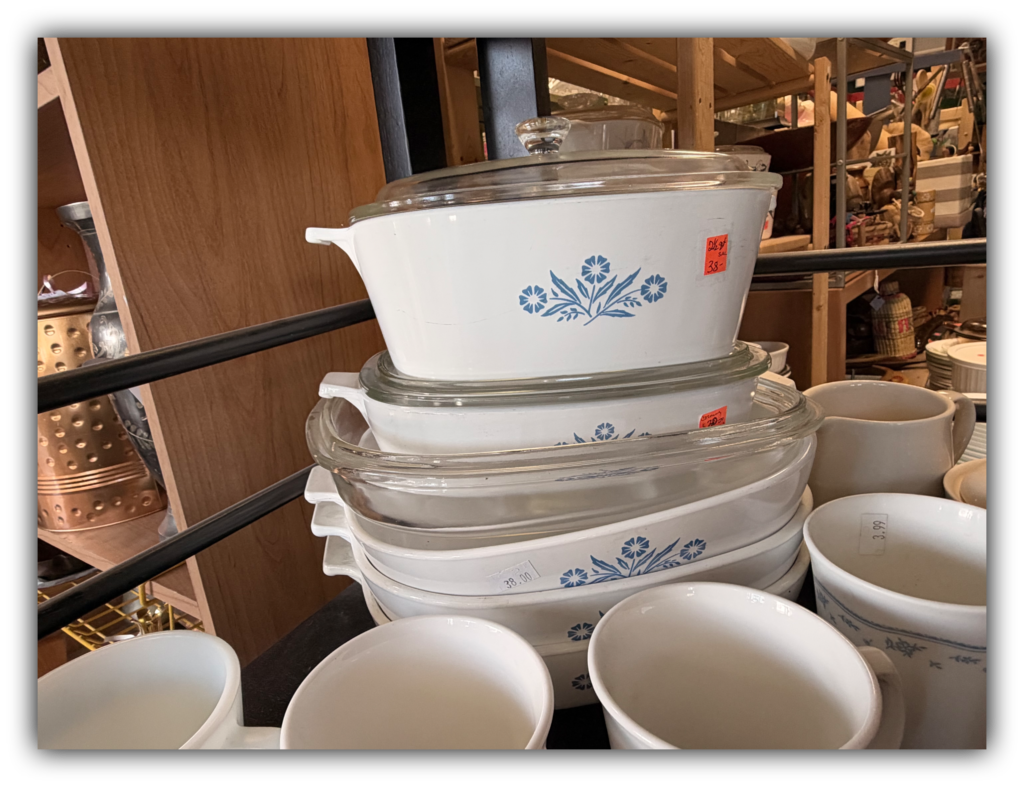
| 26 | Pyrex Butterprint | Turquoise-and-white Cinderella bowls and original finish | $10 | $30–$100+ | eBay |
| 27 | Pyrex Gooseberry | Original pink, black, white and other color combinations | $10 | $30–$100+ | eBay |
| 28 | Fire-King glassware | Jadeite, restaurant ware and unusual graphics | $8 | $25–$100+ | eBay |
| 29 | Dansk teak | Midcentury bowls, trays and serving pieces with marks | $15 | $40–$150+ | eBay |
| 30 | Griswold cast iron | Logo and markings on the underside | $15 | $40–$150+ | eBay |
| 31 | Wagner cast iron | Older markings, unusual sizes and intact surfaces | $15 | $35–$120+ | eBay |
| 32 | Sterling silver jewelry | “925” or “Sterling” stamps plus an identifiable maker | $10 | $30–$150+ | eBay |
| 33 | Alaska Native-made silver jewelry | Artist signature, materials, provenance and Silver Hand identification if present | Research first | Varies widely | Specialist, artist gallery or collector market |
| 34 | Vintage Seiko watches | Mechanical or automatic movements, unusual dials and model numbers | $20 | $50–$250+ | eBay |
| 35 | Vintage Timex watches | Mechanical movements and distinctive older designs | $10 | $30–$100+ | eBay |
| 36 | Vintage Bulova watches | Mechanical or automatic movements and identifiable cases | $20 | $50–$200+ | eBay |
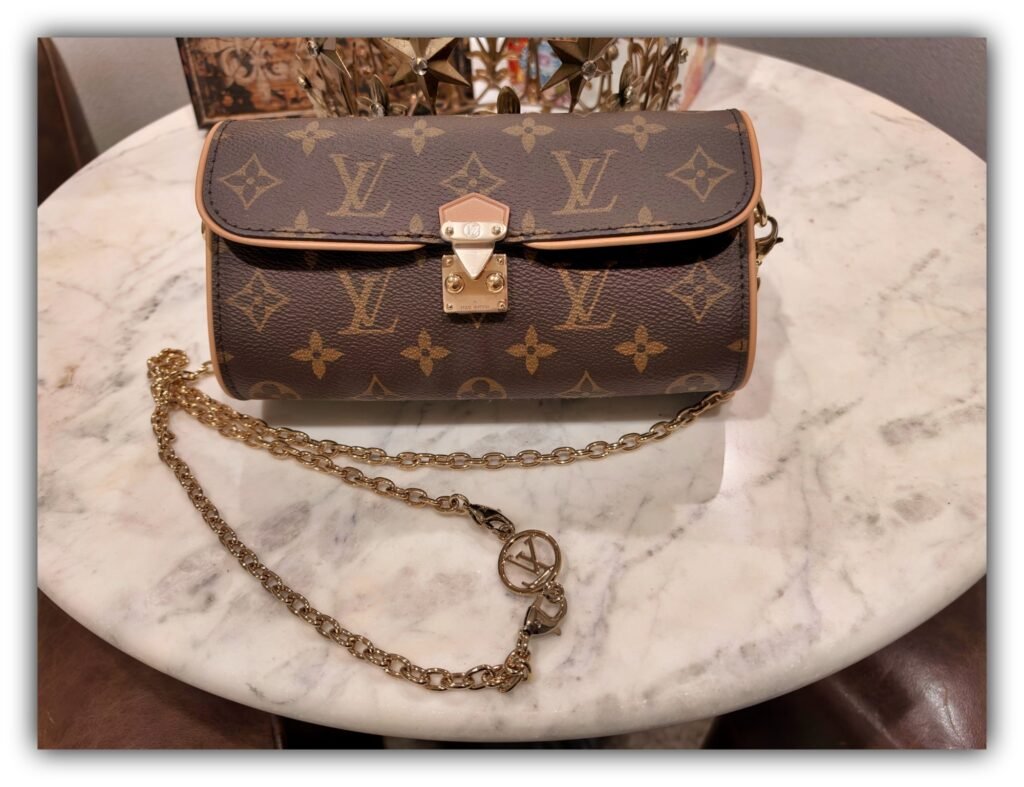
| 37 | Louis Vuitton items* | Authentic bags, wallets and accessories with verifiable details | Research first | Varies widely | Authenticated luxury resale |
| 38 | Vintage Coach | Older leather bags, USA-made stamps and style numbers | $15 | $50–$200+ | eBay, Poshmark |
| 39 | Vintage Dooney & Bourke | Older leather pieces, clear labels and intact hardware | $15 | $50–$150 | eBay, Poshmark |
| 40 | Prada nylon bags* | Older black nylon, recognizable hardware and verifiable details | Research first | Varies widely | Authenticated luxury resale |
| 41 | Gucci accessories* | Bags, scarves, belts and accessories with verifiable details | Research first | Varies widely | Authenticated luxury resale |
| 42 | Retired LEGO | Complete sets, minifigures, instructions and original boxes | $15 | $40–$300+ | eBay |
| 43 | Pokémon cards | Vintage cards, first-edition cards, holographics and sealed product | $5 | $25–$500+ | eBay |
| 44 | Nintendo games | NES, SNES, N64, Game Boy and GameCube titles | $10 | $30–$200+ | eBay |
| 45 | Vintage film cameras | Nikon, Canon, Pentax, Minolta or Olympus; check model and function | $15 | $40–$250+ | eBay |
| 46 | Polaroid cameras | SX-70, folding models and unusual editions | $20 | $60–$250+ | eBay |
| 47 | Vintage Halloween décor | Blow molds, papier-mâché, manufacturer marks and original boxes | $10 | $40–$200+ | eBay, Facebook Marketplace |
| 48 | Vintage Christmas collectibles | Ornaments, ceramic trees, dated pieces and unusual Santas | $10 | $30–$150+ | eBay |
| 49 | Alaska ephemera | Railroad, aviation, maps, postcards, mining, fishing and local advertising | $5 | $20–$150+ | eBay |
| 50 | Alaska Native artwork and craftwork | Artist name, provenance, materials and Silver Hand identification if present | Research first | Varies widely | Specialist or artist gallery |
*Luxury items have a high counterfeit risk. Do not buy them as a resale gamble unless you can identify the item, assess its condition and authenticate it through reliable documentation or qualified expertise.
Shop By Details
The first mistake a new reseller makes is thinking:
“It’s Levi’s. Buy it.”
Nope.
The question is: Which Levi’s?
eBay’s Spring/Summer 2026 Watchlist report showed searches for Levi’s 517 boot-cut jeans up 78 percent. That does not mean every pair of Levi’s in a thrift store is valuable. It means that specific styles, eras, tags, washes and construction details can matter much more than the brand name alone.
A common vintage bowl may be a modestly priced kitchen collectible. A harder-to-find pattern in excellent condition may command much more. But collectors care about details: the exact pattern, colorway, size, original gloss, chips, scratches, utensil marks and dishwasher wear.
The lesson is simple:
Don’t shop by brand. Shop by details.
When you are digging through a rack or shelf, look for:
- Clothing labels, union tags, care tags, manufacturing country and style numbers
- Maker’s marks, backstamps and copyright dates
- Model numbers on cameras, electronics and watches
- Serial numbers when appropriate
- Original boxes, accessories, cords, manuals and lids
- Signs of repair, replacement parts, damage or reproduction pieces
- Completeness, especially for toys, LEGO, games and collectible sets
That tiny mark can be the difference between “nice old shirt” and “wait a minute.”
Alaska’s Advantage
Alaska has a category of thrift-store finds that shoppers in many places cannot casually stumble across:
- Old Alaska Railroad material
- Vintage Alaska Airlines memorabilia
- Historic maps and travel brochures
- Postcards, menus, local directories and photographs
- Mining and fishing ephemera
- Territorial-era documents and advertising
- Alaska military memorabilia
- Alaska-made art and handmade goods
The key is separating history from souvenir-shop merchandise.
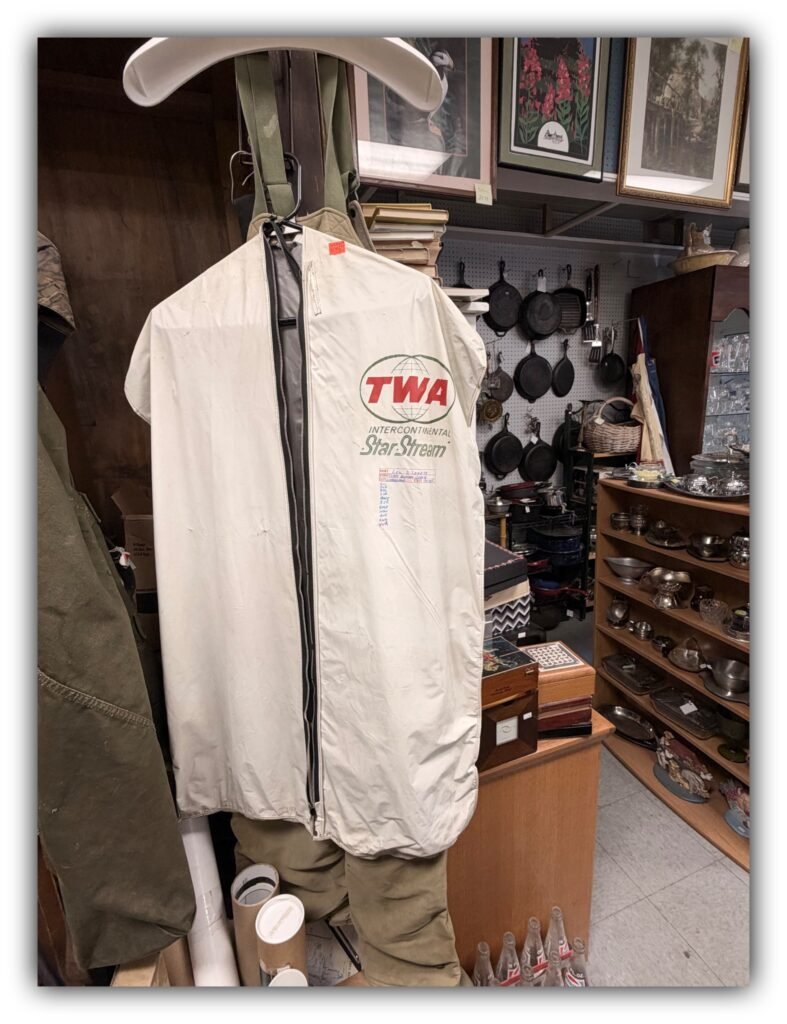
A modern souvenir mug that says “Alaska” is probably just a mug.
An older Alaska Railroad timetable with a scarce route map, a vintage local travel brochure or an identified photograph of a historic Alaska business may be a different story.
If you find something that appears to be Alaska Native-made art, jewelry or craftwork, slow down.
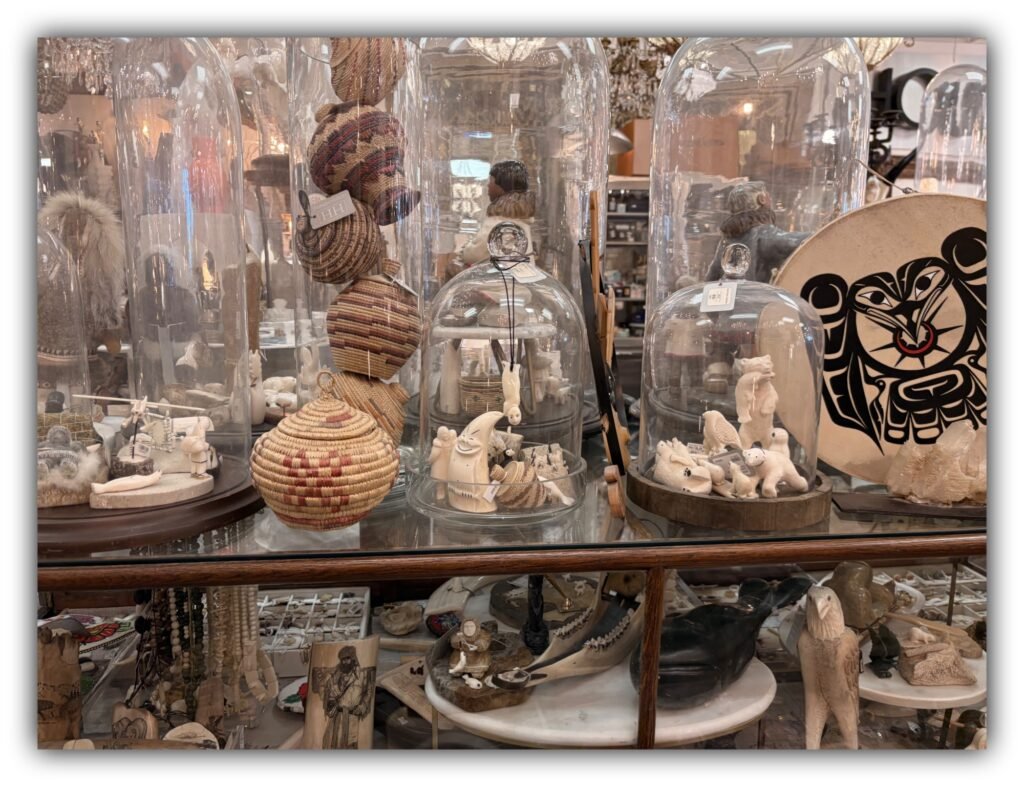
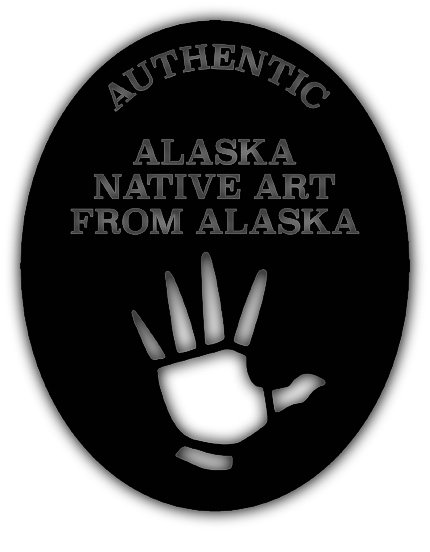
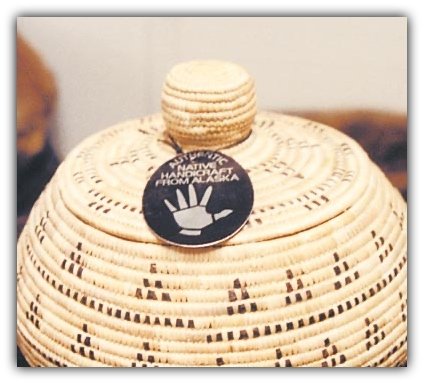
The Alaska State Council on the Arts says its Silver Hand program helps consumers identify authentic Alaska Native art made by individual Alaska Native artists in Alaska. The absence of a Silver Hand tag does not automatically mean a piece is inauthentic, but a tag, artist signature, receipt or reliable provenance can be important information.
The Federal Trade Commission advises consumers to seek written documentation about an item’s artist, materials and authenticity claims. It also notes that federal law governs products marketed as Alaska Native, Native American or Indian art and craftwork.
Do not guess about an artist’s identity, cultural origin, material or value. Do not represent an item as Alaska Native-made without documentation or qualified expertise.
That is not a casual flip category. It is a category for research, respect and, when necessary, specialist guidance.
What to Leave Behind
Not every thrift-store treasure is a treasure.
I would generally leave behind:
- Generic modern T-shirts. Nike is a brand, not a guarantee.
- Cracked glassware, unless you have identified a genuinely rare and desirable piece.
- Untested electronics. “Probably works” is not a business plan.
- Suspicious designer goods. If you cannot authenticate it, do not buy it as a resale gamble.
- Mildewy or smoke-damaged items. You do not need to bring home a roommate.
- Clothing with dry rot, permanent odors, broken zippers, cracking faux leather or extensive damage.
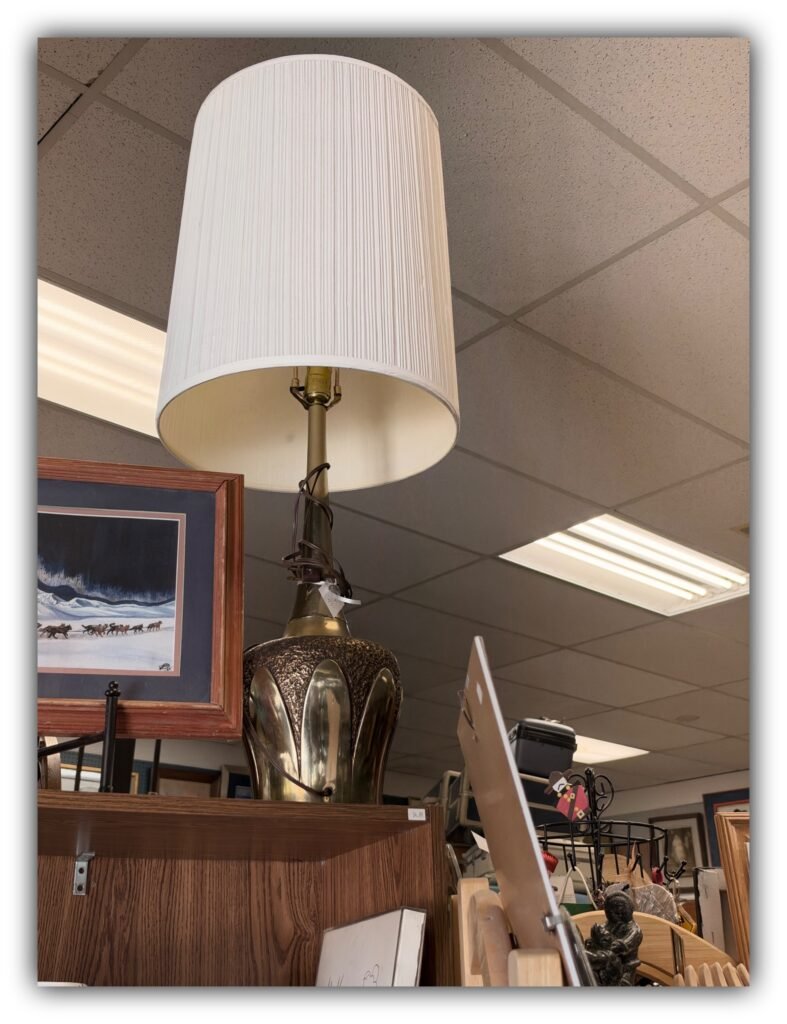
- Huge items with tiny resale margins. A $30 lamp can become a $30 lamp plus a $40 shipping problem.
- Incomplete games, toys, cameras or LEGO sets unless you know which missing parts can be replaced cheaply.
- Recalled children’s products, damaged helmets or safety gear, opened personal-care products, or wildlife-derived objects you cannot confidently identify and lawfully resell.
- Anything priced from an online listing that is still sitting there.
An asking price is not a sold price.
The listing may have been active for months because nobody is willing to pay it.
Check Before You Buy
Before you head to the register, pull out your phone.
- Photograph the label, maker’s mark, backstamp or model number.
- Search the exact item, not just the brand.
- Filter for completed or sold listings.
- Compare condition honestly. A pristine example is not comparable to a stained, chipped, incomplete or untested one.
- Check whether accessories, boxes, lids, manuals, cords or parts are included.
- Estimate platform fees, packing materials, shipping and the possibility of a return.
- Decide whether the likely profit is worth your time.
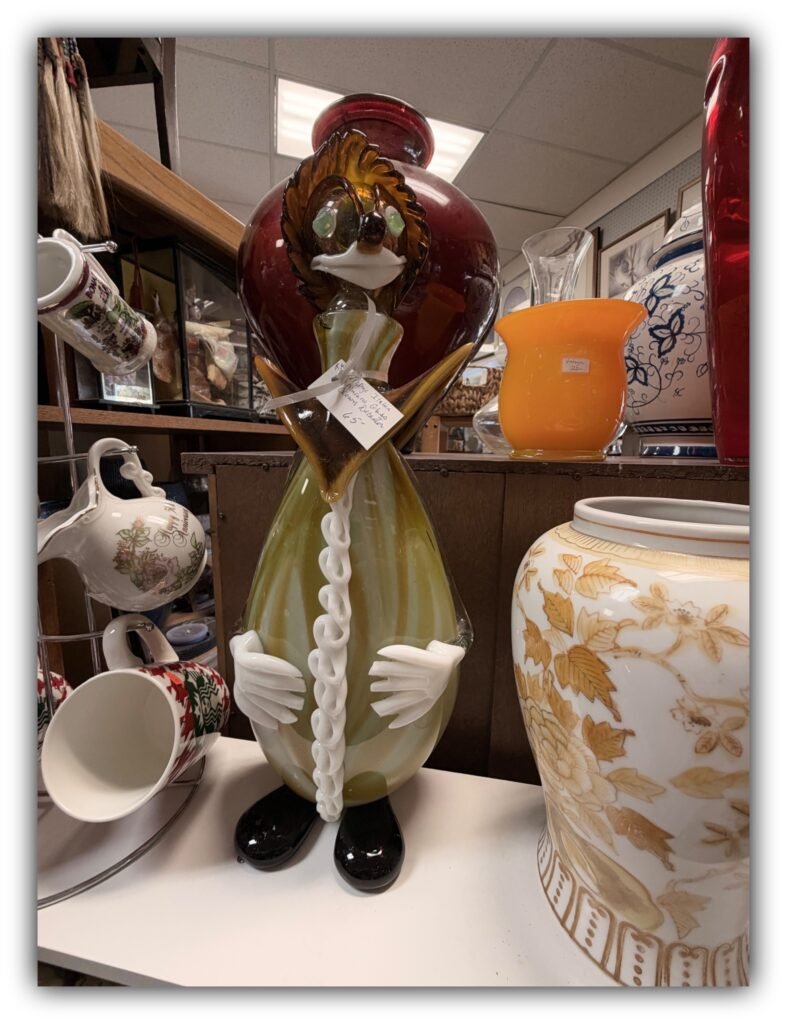
Here is the quick reality check:
A jacket that sold for $85 online is not automatically an $85 score.
If you paid $20 for it, then pay selling fees, buy packing materials, cover shipping and possibly deal with a return, the profit can shrink fast. If the margin is only a few dollars, it may be smarter to leave it behind unless you want it for yourself.
eBay can work well for searchable collectibles, vintage clothing, watches, cameras, cards, games, Pyrex and Alaska ephemera. Poshmark can make sense for fashion, shoes and handbags. Facebook Marketplace may be the better choice for large, heavy or fragile items that would be expensive to ship.
The goal is not to sell everything in the same place.
It is to put the right item in front of the right buyer.
The Real Thrift-Store Rule
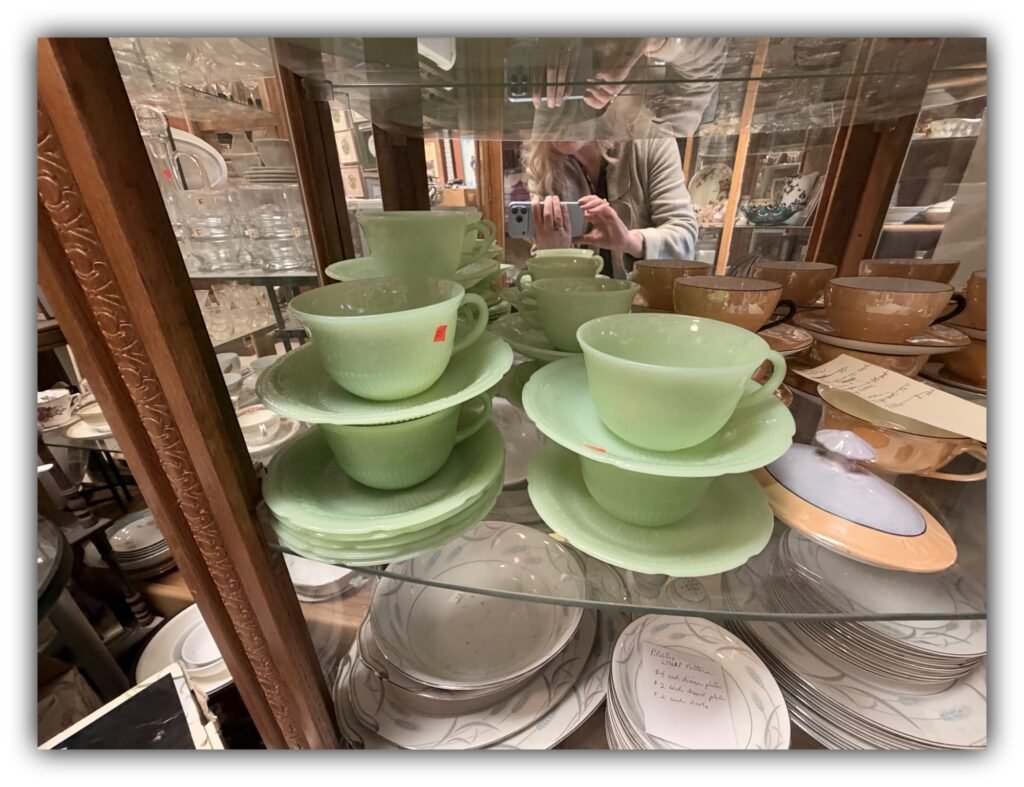
At a place like The Possibilities Shop, the fun is in the possibility.
You dig. You look twice. You turn something over. You read the tag. You wonder what you are holding.
Then you check.
The best thrift-store find is not necessarily the item with the highest asking price online. It is the item you can identify, authenticate, price realistically and get home without turning a $10 purchase into a $40 shipping lesson.
So do not ask only:
“Is this old?”
Ask:
“Who wants this?”
“What did they actually pay for it?”
“Can I prove what it is?”
That is the difference between collecting stuff and making an informed buy.
Happy hunting. 🛍️
Sources
- eBay, Spring/Summer 2026 Watchlist Trend Report
Current marketplace trend data and resale activity, including Levi’s and other pre-loved fashion categories. eBay Watchlist Trend Report - Alaska State Council on the Arts, Silver Hand Program
Information about the Silver Hand Seal and the program’s role in helping consumers identify original Alaska Native artwork made by individual Alaska Native artists in Alaska. Silver Hand Program - Federal Trade Commission, Buying Alaska Native Art
Consumer guidance on authenticity, documentation, materials, provenance and federal requirements governing products marketed as Alaska Native art and crafts. FTC: Buying Alaska Native Art - Federal Trade Commission, Buying American Indian Arts and Crafts
Consumer guidance on identifying authentic Native-made artwork and crafts, including maker’s marks, materials and documentation. FTC: Buying American Indian Arts and Crafts - The Possibilities Shop, Eagle River, Alaska
Local shop information and the source of the vintage finds photographed for this article.
What do you feel about this post?

Like

Love

Happy

Haha

Sad