





A Silent Danger at the Window: Children Still Die From Blind Cords
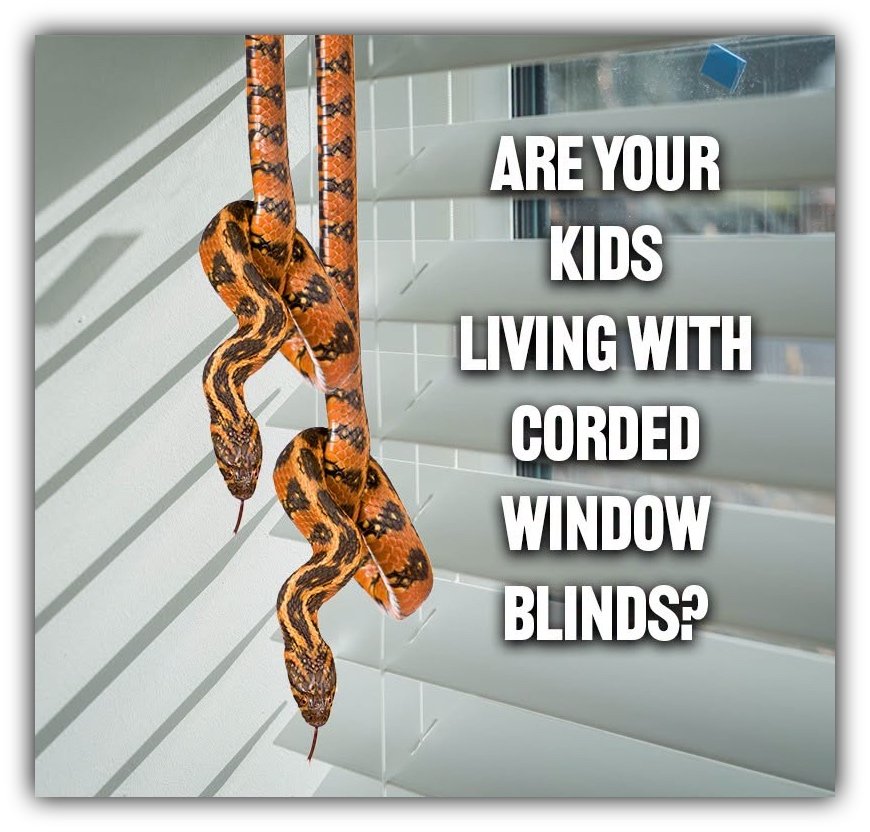
A window blind cord may look harmless. To a young child, it can become a deadly trap in seconds.
October is Window Covering Safety Month. Federal data show why Alaska families should take a closer look at the blinds and shades in their homes.
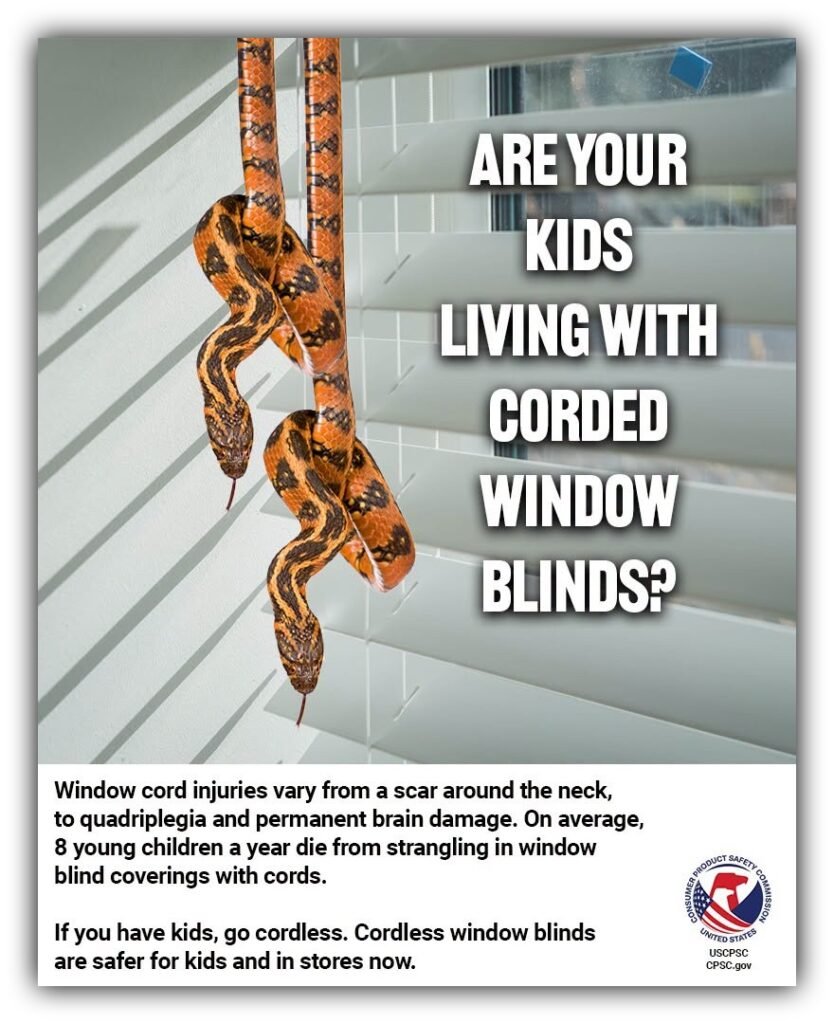
The U.S. Consumer Product Safety Commission (CPSC) says an average of about nine young children die each year from strangulation involving cords on blinds, shades, curtains and other window coverings.
A federal court case involving the death of April Lynne Cox shows that this danger has touched a case heard in Alaska. Court records say April became entangled in a window blind cord at her grandparents’ home and died from strangulation on May 27, 2002. Her family later filed a lawsuit against window-covering industry defendants in the U.S. District Court for Alaska. The court record reviewed for this story does not establish where the incident occurred.
New Federal Data Reveal the Risk
In a September 2026 proposal, the CPSC reported identifying 73 incidents involving window-covering cords from January 2018 through December 2025. All involved children age 8 or younger.
Among the reported incidents, 21 involved pull cords. Eighteen of those incidents resulted in death. Seven additional fatal incidents involved continuous-loop operating cords.
These figures come from specific categories in the agency’s incident review. They are not a count of every window-cord death in the United States.
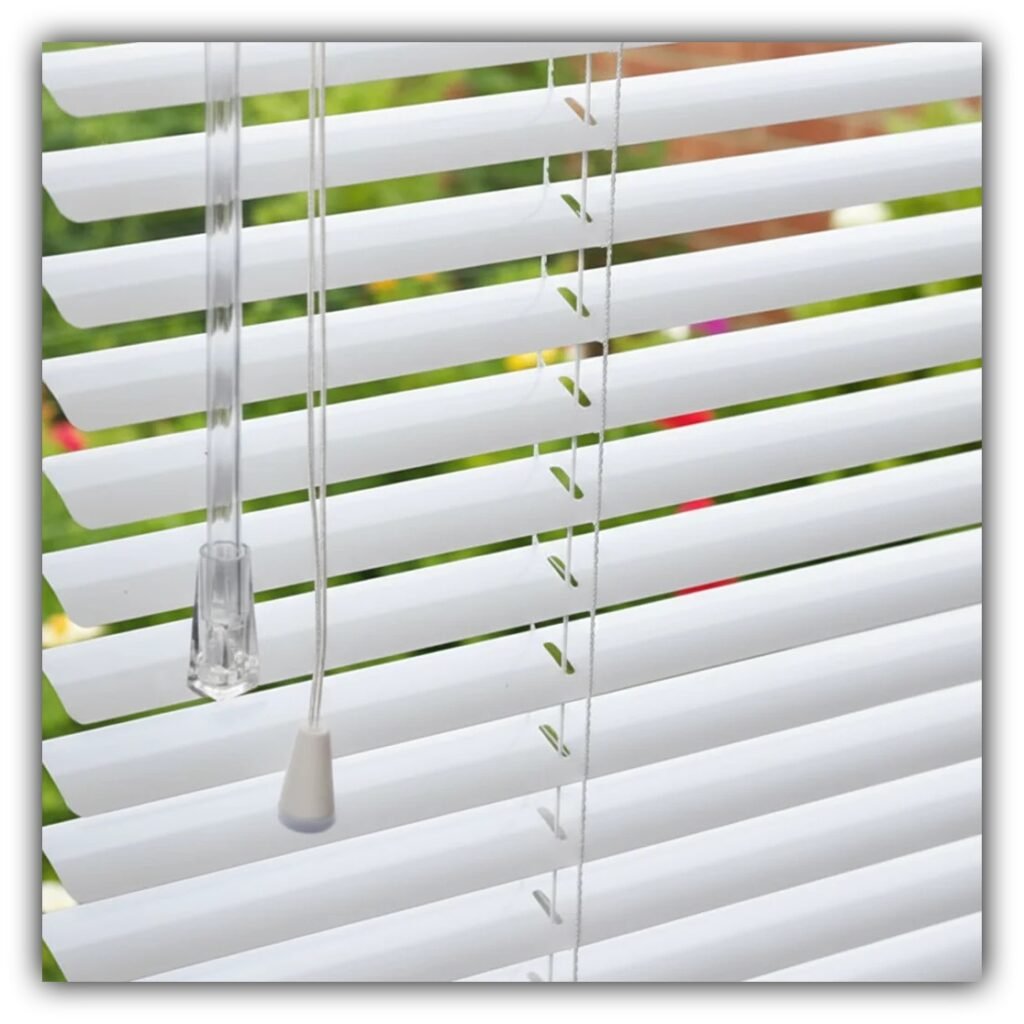
A cord does not have to look dangerous to pose a threat. A child can place a head through a loop or become entangled in a hanging cord. Strangulation can cut off oxygen quickly, leaving little time for an adult to intervene.
Federal Safety Rules Are Under Review
The CPSC is proposing additional measures to address hazardous cords on certain window coverings, including custom blinds and shades. The proposal targets hazards such as accessible hanging cords, exposed loops and certain cord-operated roll-up shades.
The proposal was published in the Federal Register on September 24, 2026. Public comments are due November 23, 2026. It is not yet a final rule.
Existing safety standards already address many cord hazards. But federal officials continue to identify incidents involving young children, underscoring why families should not assume older blinds or shades are safe simply because they remain in use.
What Alaska Families Can Do Today
The CPSC recommends choosing cordless window coverings wherever children may be present. Cordless blinds and shades are available in stores.
Families who still have corded coverings should take these precautions:
- Check every window. Look for hanging cords, accessible loops and cords within a child’s reach.
- Keep beds and cribs away from windows. Move furniture children could climb on, too.
- Secure cords properly. Use appropriate safety devices to keep cords and loops out of reach, following the manufacturer’s instructions.
- Inspect older blinds. Do not assume a covering is safe because it has a warning label or has been in the home for years.
- Make cordless coverings the priority. Securing cords can reduce risk, but removing the hazard is the safer choice.
This is not just a concern for parents. Grandparents, babysitters, relatives, landlords and anyone caring for young children should check the window coverings in the spaces where children sleep and play.
A few minutes spent checking a window may prevent a tragedy that no family should have to face.
Primary Sources
- U.S. Consumer Product Safety Commission: Window Covering Safety Center
- U.S. Consumer Product Safety Commission: September 24, 2026, proposed rule on hazardous window-covering cords
- U.S. District Court for Alaska: Rountree et al. v. Ching Feng Blinds Industry, Ltd. et al., order concerning the death of April Lynne Cox
Alaska Headline Living | Stay Informed, Stay Inspired, Stay Curious.
What do you feel about this post?

Like

Love

Happy

Haha

Sad