



Alaska Underreported: Aviation Lifeline Is Fragile
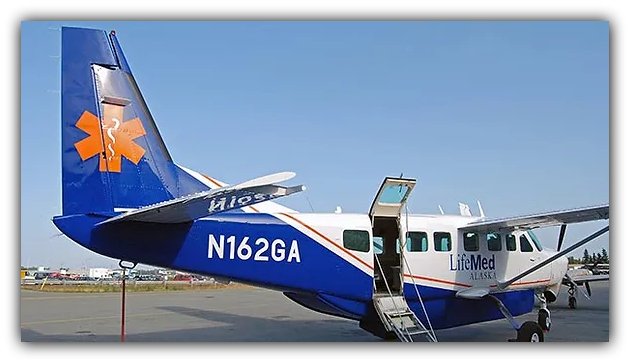
A medevac aircraft on standby for rural Alaska transport, part of a critical emergency aviation network that connects remote communities to hospital-level care when roads do not exist and weather often dictates when help can move. | 📸 LifeMed Alaska
Behind every medevac and remote delivery is a fragile network operating on weather, luck, and diminishing capacity.
By Gina Hill | Alaska Headline Living | July 4, 2026
A State That Moves by Air
In Alaska, emergency response runs on aircraft. For many of us, planes are not just transportation. They are survival infrastructure. Medevac flights, cargo runs, supply drops, and emergency transfers connect our communities to hospitals, medicine, and basic services that would otherwise be out of reach. When aircraft fly, care is possible. When they don’t, there is no second system waiting to take over.
That reality is not occasional. It is structural.
No Backup When It Fails
Most places in the Lower 48 have redundancy in emergency response: roads, nearby hospitals, overlapping service areas, and alternate routes.
Much of Alaska does not.
When weather grounds flights, there is no road alternative. When aircraft are unavailable, there is no reserve fleet standing by. When crews are stretched thin, there is no nearby overflow capacity to absorb demand. When aviation stops, even briefly, everything built on it slows with it.
Rising Demand, Fixed Limits
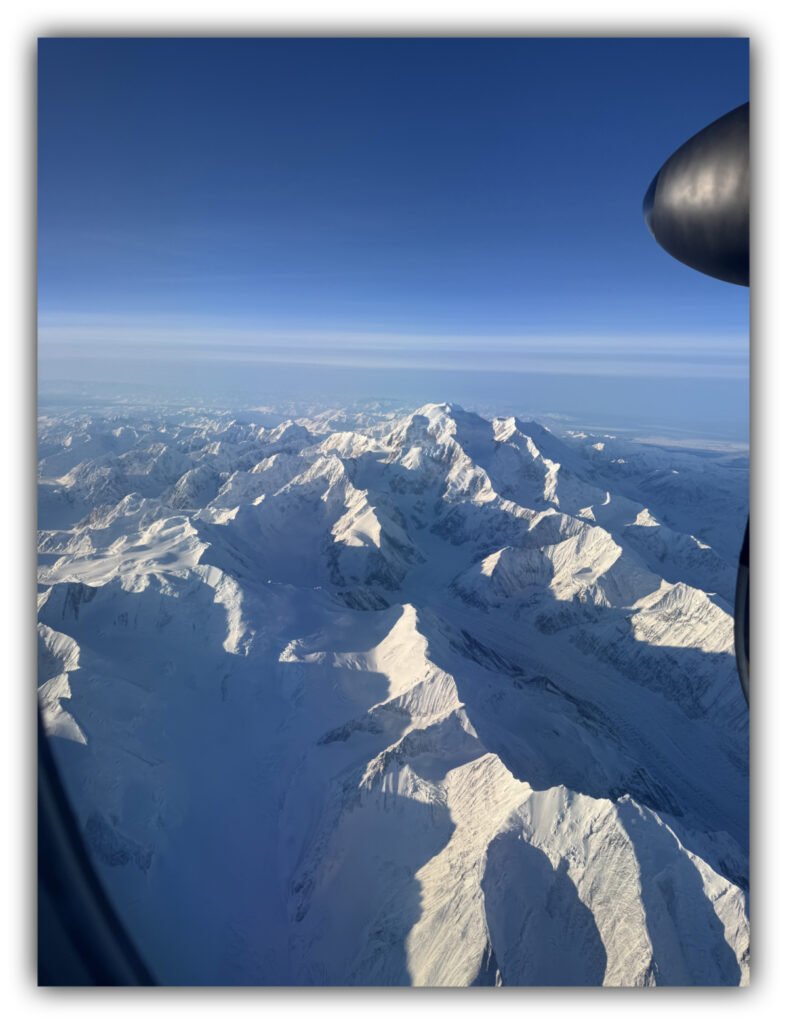
Pressure on Alaska’s aviation-based emergency system is building from several directions at once.
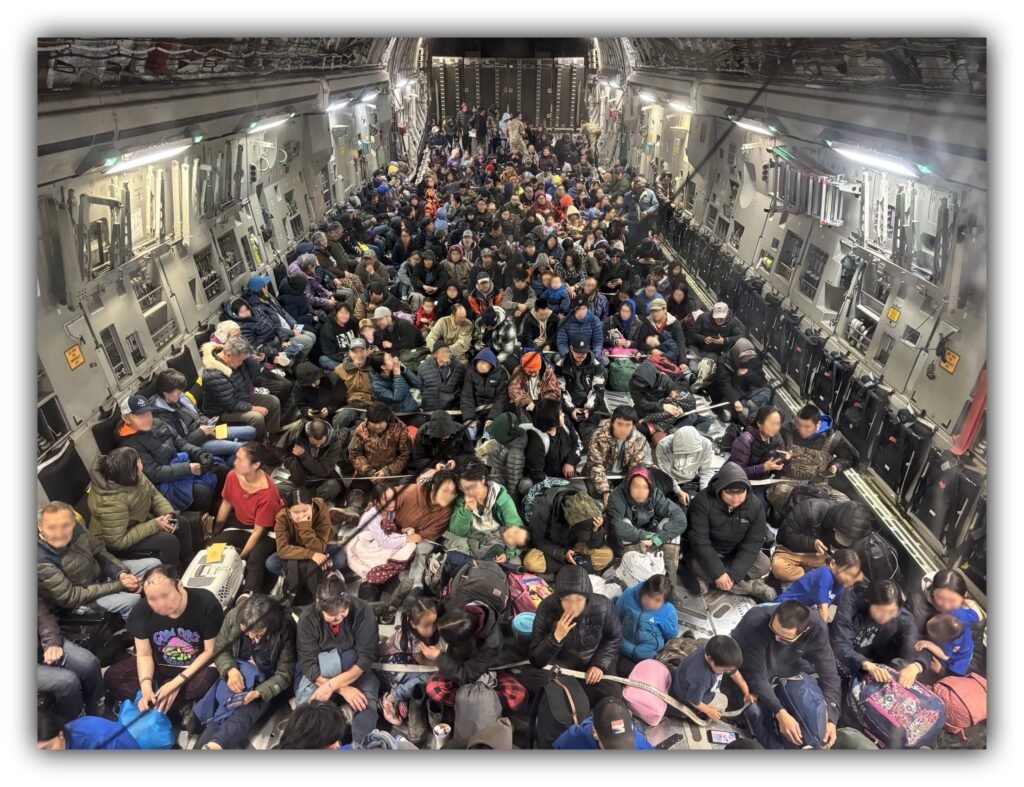
This photo was altered for privacy purposes by blurring out faces.
More of us now rely on evacuation instead of local treatment during medical emergencies. Wildfire seasons are longer and more volatile, increasing demand for air support across wide regions. Weather is harder to predict in key corridors, narrowing already limited flight windows. At the same time, staffing shortages, maintenance demands, and rising operating costs are tightening capacity for the small carriers many communities depend on.
None of these pressures are new in isolation. What is changing is how often they overlap. When they do, there is less room for delay, rerouting, or recovery.
Where This Shows Up in Real Life
This is not theoretical. It shows up in how emergencies actually move across Alaska.
In the Yukon-Kuskokwim Delta, communities around Bethel rely on medevac systems that connect small villages like Emmonak, Hooper Bay, and Toksook Bay to regional care. When weather closes in, patients must wait for aircraft to safely launch or return, even when the need is urgent.
In Nome and the broader Bering Strait region, medical transport often depends on multi-leg flights through weather-sensitive corridors. When coastal conditions close in, even short delays ripple outward because there are no road alternatives to absorb the pressure.
These are not unusual exceptions. They are part of how the system operates when conditions tighten. Aviation is not a backup option in these regions. It is the only option.
Strain We Don’t See Until the Rhythm Breaks
Most of the time, everything looks stable. Flights depart. Patients arrive. Supplies move. Life continues.
The strain shows up when timing breaks because of weather delays, grounded aircraft, or sudden spikes in emergency demand. These moments are often treated as isolated disruptions. But together, they reveal a system operating with very little margin for error.
Technology Helps, But It Doesn’t Replace Distance
Aviation in Alaska has improved. Forecasting is better. Communication is faster. Aircraft are more capable and safer than in the past. But, none of that changes the fundamentals.
Distance still defines access. Weather still controls flight windows. Terrain still limits options.
Technology improves how we operate within those constraints. It does not create redundancy when those constraints are reached.
A System Built on Shared Dependence
More of our daily lives now depend on aviation than many people realize. Medical evacuations, rural supply chains, search and rescue operations, and disaster response all rely on the same network. There is no parallel system standing by if that network slows or fractures.
That concentration of responsibility is where fragility builds.
What This Means for Us
For many of us, this is not abstract. It is lived reality.
It is the weather delay that pushes a medical flight to the next day.
It is the supply run that does not arrive before a storm.
It is the waiting… sometimes in a clinic, sometimes at home … for the aircraft that has to come from somewhere else before anything else can happen.
This system is not invisible to us. It is part of how we live.
What We Can Do
This is not something any of us can fix alone, but it is something we can stay engaged with.
We can pay attention to the agencies responsible for aviation access and rural emergency response. The Alaska Department of Transportation & Public Facilities (DOT&PF) oversees aviation infrastructure and rural airport systems that directly shape how this network functions.
We can also engage with elected officials who control funding and policy decisions tied to aviation safety, rural health access, and infrastructure:
- Alaska DOT&PF Aviation Division: https://dot.alaska.gov/stwdav/index.shtml
- Alaska Legislature: https://akleg.gov/
- U.S. Senator Lisa Murkowski: https://www.murkowski.senate.gov/
- U.S. Senator Dan Sullivan: https://www.sullivan.senate.gov/

When issues arise, such as delayed medevacs, limited flight availability, or infrastructure strain, those experiences are part of the public record that shapes decisions.
Local governments matter too. Borough assemblies, tribal councils, and regional health organizations often influence how resources and priorities are set on the ground.
Staying aware, staying specific, and staying engaged at the points where decisions are made is how pressure becomes visible in the system.
Conclusion: A System We Still Have Influence Over
While Alaska’s aviation emergency network is not failing, it is operating under sustained pressure in extreme conditions with little margin for error. Fragility shows up as delay, constraint, and narrowing options, and it is already shaping how we live. Yet, we are not powerless against it.
Our influence shows up in the funding decisions we pay attention to, the local systems we support, the workforce we invest in, and the conversations we refuse to ignore when access tightens.
Sources (Primary Only)
- Alaska Department of Transportation & Public Facilities – Aviation Division
https://dot.alaska.gov/stwdav/index.shtml - Alaska 511 Traveler Information
https://511.alaska.gov/ - Alaska Legislature
https://akleg.gov/ - U.S. Senator Lisa Murkowski
https://www.murkowski.senate.gov/ - U.S. Senator Dan Sullivan
https://www.sullivan.senate.gov/
What do you feel about this post?

Like

Love

Happy

Haha

Sad