







Taco Bell Probe: What Alaska Needs to Know
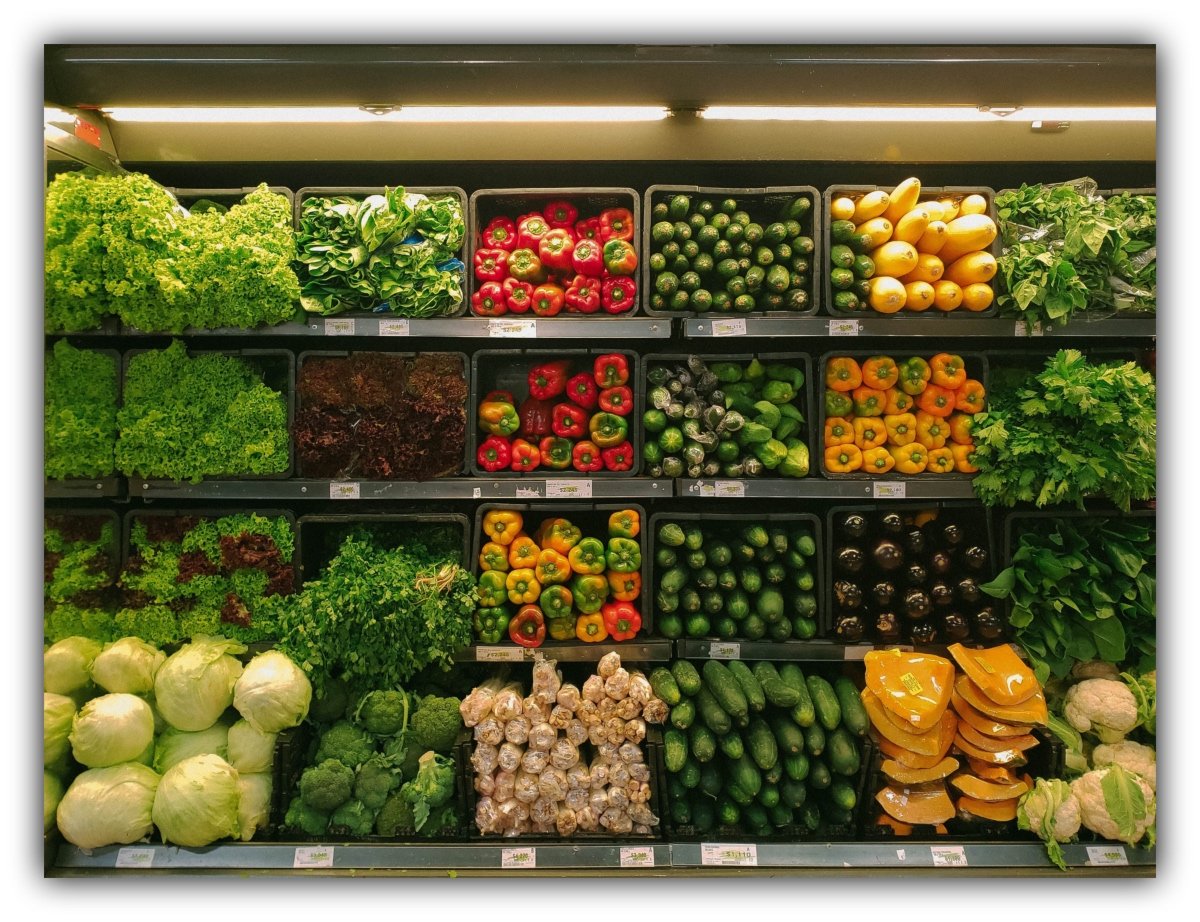
The produce aisle is where many food safety questions become personal. For Alaskans, who rely heavily on food shipped through national supply chains, a problem discovered elsewhere can become something families here need to watch. | Photo courtesy of Alaska Food Policy Council
A Tiny Parasite, A National Investigation, And A Reminder That Alaska’s Food Supply Is Connected
By Gina Hill | Alaska Headline Living | July 14, 2026
A microscopic parasite is at the center of a growing food safety investigation, and while no Alaska Taco Bell location has been identified as part of the investigation, the situation is a reminder that Alaska’s food supply is connected to the rest of the country.
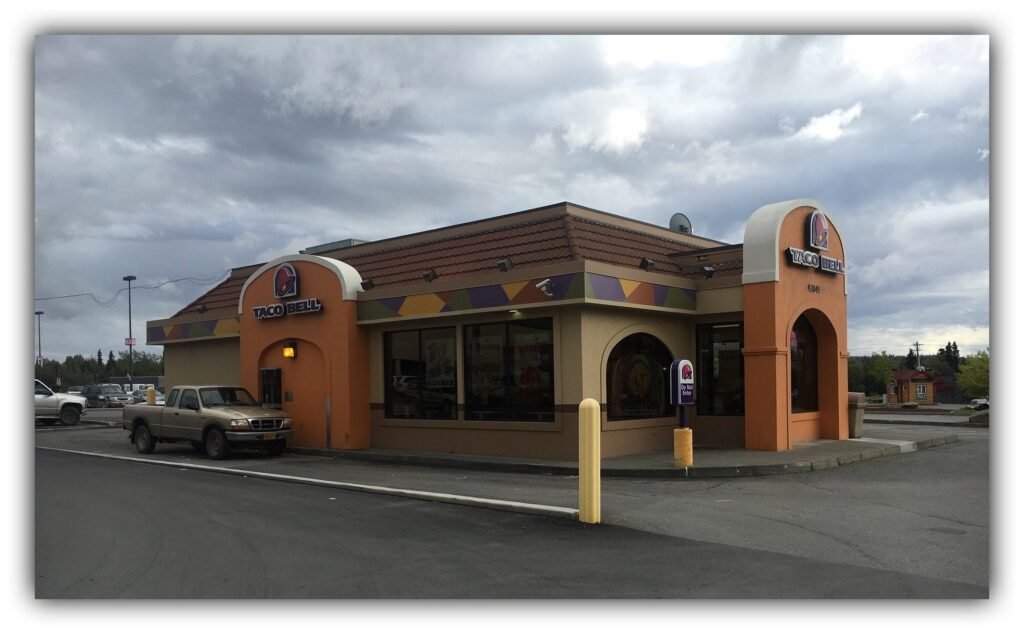
The illness being investigated is cyclosporiasis, an intestinal infection caused by the parasite Cyclospora cayetanensis.
For Alaskans, the question is not just whether a specific restaurant is involved.
The bigger question is: How can a food safety issue thousands of miles away potentially affect what ends up on Alaska dinner tables?
A Parasite You Cannot See
Cyclospora cayetanensis is a single-celled parasite that can infect the intestines. According to the Alaska Department of Health, people become infected by swallowing the parasite, which can be found in contaminated food or water.
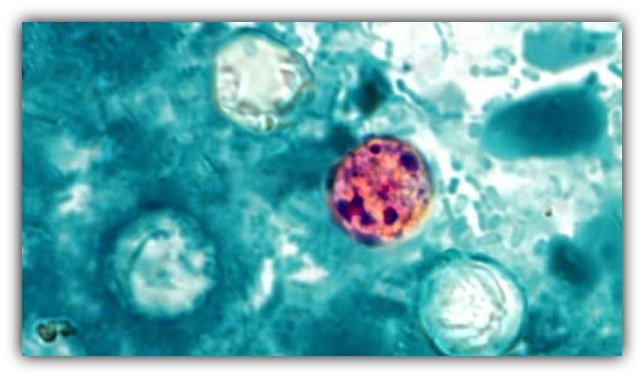
The parasite is often associated with fresh foods because many fruits, vegetables and herbs are eaten raw, meaning there is no cooking step to destroy potential contaminants.
The parasite itself is microscopic, but the symptoms it can cause may be significant.
Common symptoms include:
• Watery diarrhea
• Stomach cramps
• Bloating
• Nausea
• Loss of appetite
• Weight loss
• Fatigue
Some people may have no symptoms at all. Others can experience illness lasting days, weeks, or longer. Symptoms may improve and then return.
Why Alaska Consumers Should Pay Attention
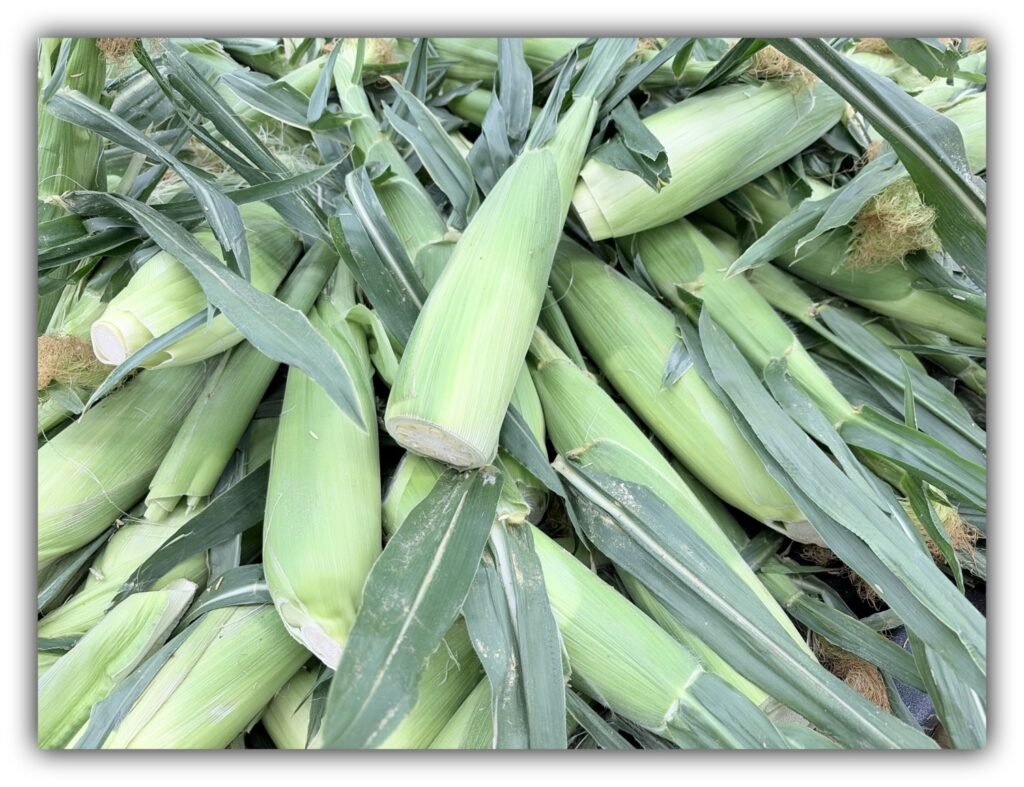
Alaska’s grocery shelves and restaurant kitchens rely heavily on food transported through large distribution networks. Fresh produce may travel through multiple states before reaching Anchorage, Fairbanks, rural communities or local restaurants.
That means a food safety concern discovered in another part of the country can become something Alaska consumers need to watch.
This does not mean Alaska has been identified as part of this investigation. No Alaska Taco Bell locations have been named as a source, and Alaska health officials have not announced a confirmed outbreak tied to the investigation.
The connection is the supply chain.
A contaminated ingredient does not have to originate in Alaska to potentially reach Alaska.
What Alaskans Can Do
The Alaska Department of Health recommends everyday food safety steps that can help reduce the risk of infections like Cyclospora:
• Wash your hands thoroughly after using the bathroom, changing diapers, handling animals and before preparing food.
• Avoid food or water that may have been contaminated.
• Pay attention to food recall announcements and public health updates.
• Contact a healthcare provider if you develop persistent diarrhea or other concerning symptoms.
When preparing fresh produce, rinse items under running water before eating or cooking. While washing may not remove every type of contamination, it remains an important food safety step.
The Alaska Takeaway
The Taco Bell investigation is still unfolding, and health officials are working to determine exactly how people became sick.
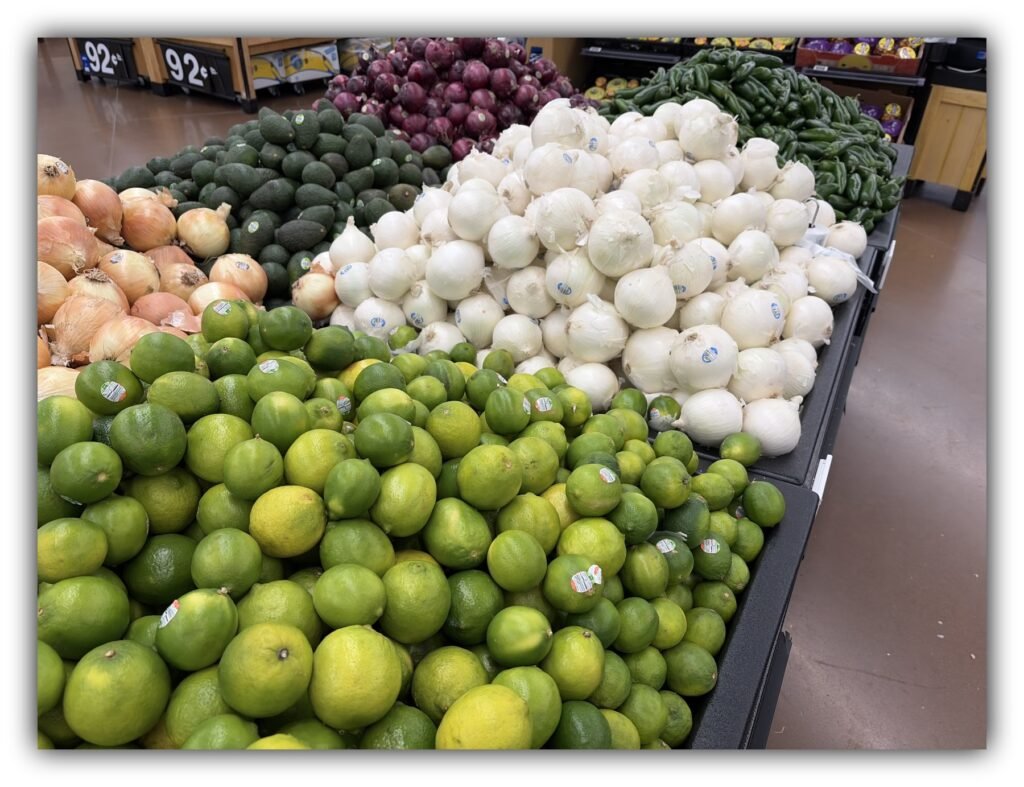
For Alaska consumers, the takeaway is simple: Our food often travels thousands of miles before it reaches our plates. Staying informed, practicing good food safety habits and knowing what symptoms to watch for are some of the best ways to protect yourself and your family.
A tiny parasite may be at the center of this investigation, but the lesson reaches far beyond one restaurant chain: Food safety is a nationwide issue, including here in Alaska.
Sources
• Alaska Department of Health, Cyclospora Fact Sheet
https://alaska.access.preservica.com/uncategorized/IO_b5bb2dd3-94b8-486a-83a9-95848df2a59f/
• Centers for Disease Control and Prevention (CDC), Cyclospora Information
https://www.cdc.gov/cyclosporiasis/
• U.S. Food and Drug Administration (FDA), Food Safety Information
https://www.fda.gov/food
• Taco Bell public statements regarding the ongoing investigation
What do you feel about this post?

Like

Love

Happy

Haha

Sad