





Election Claims: What Voters Need to Know
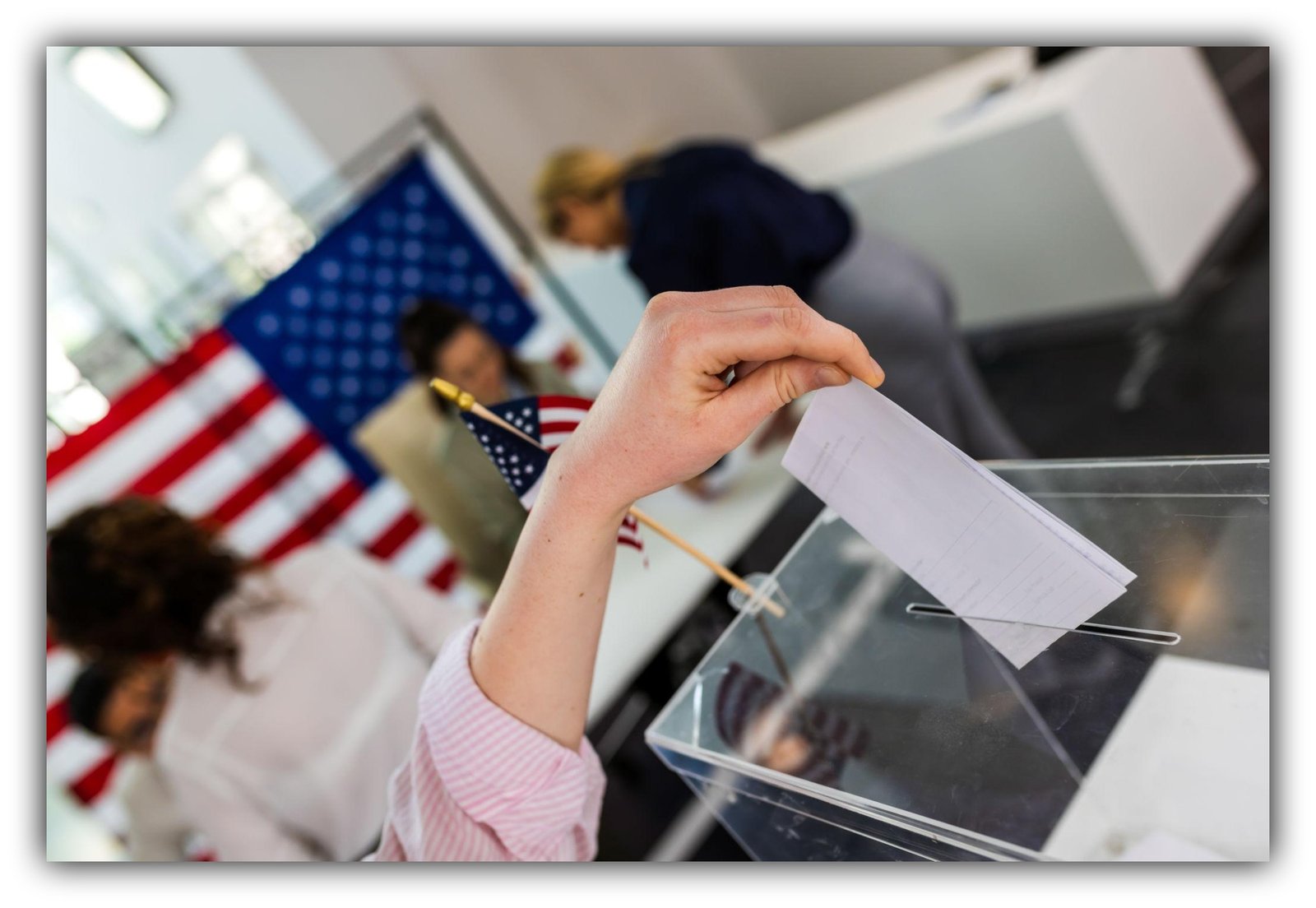
A secure and trusted election system depends on more than political claims. It depends on the people, procedures, and safeguards that protect every eligible voter’s right to cast a ballot and have that vote counted.
Foreign interference, election security, and the fight over trust in America’s elections
Editor’s Note: This explainer examines documented events, official investigations, and election security facts so voters can evaluate claims about election interference, fraud, and voting integrity for themselves.
By Gina Hill | Alaska Headline Living | Friday, July 17, 2026
🗝️ Key Takeaways
- Foreign influence is not new. Foreign governments have attempted to influence American politics throughout U.S. history, from wartime alliances and propaganda campaigns to modern cyber operations and misinformation efforts.
- Influence is not the same as changing election results. A foreign government attempting to shape public opinion does not automatically mean it changed votes or determined an election outcome.
- The alleged source of interference has changed over time. Russia was the focus after the 2016 election. Later claims involved voting machines, Venezuela, China, and other alleged actors.
- The 2020 election occurred while Donald Trump was president. After losing the election, Trump challenged certified results and claimed widespread fraud, but audits, recounts, court proceedings, and investigations did not find evidence that fraud changed the outcome.
- Election security depends on evidence and safeguards. Secure voting equipment, paper records, audits, transparent counting, and trained election officials are the foundation of election integrity.
- Voters should evaluate claims based on proof, not repetition. A claim repeated many times is still not evidence.
Foreign Influence Is Not New
Every election season brings warnings about threats to democracy.
Some threats are real.
Foreign influence has always been part of the global political landscape. Long before modern elections, social media, and cyber operations, foreign governments attempted to shape American politics, public opinion, and policy decisions.
During the nation’s history, foreign powers have used diplomacy, propaganda, financial influence, intelligence operations, and political messaging to advance their interests.
During the Cold War, the United States and the Soviet Union engaged in decades of competing propaganda efforts. In the modern era, countries including Russia, China, and Iran have used cyber operations, social media campaigns, and misinformation efforts to influence political discussions.
The existence of foreign influence is not a new discovery.
The question voters must ask is more specific:
Did a foreign actor influence public opinion, or did that actor actually change the outcome of an election?
Those are two different claims requiring two different levels of evidence.
A Pattern of Election Interference Claims
Since 2016, accusations of election interference have repeatedly shifted.
Russia was the focus after the 2016 election. Later claims moved to voting machines, mail ballots, Venezuela, China, and other alleged threats.
Foreign influence is a legitimate national security concern. The United States has documented attempts by foreign governments to influence voters, political organizations, and public conversations.
👉🏿 But, evidence is everything.
A foreign government attempting to influence Americans is different from proving that ballots were changed or that an election result was stolen.
2016: Russia, Clinton Emails, and a Foreign Influence Campaign
During the 2016 presidential campaign, Republican nominee Donald Trump publicly called on Russia to find Hillary Clinton’s missing emails, saying:
“Russia, if you’re listening…”
At the time, Barack Obama was president, and Trump was running against Democratic nominee Hillary Clinton.
Later investigations found that Russia conducted an influence campaign targeting the 2016 election. U.S. intelligence agencies concluded that Russian officials sought to interfere in the election and that the Russian government favored Trump’s candidacy.
However, investigators did not find evidence that Russia changed vote totals or altered voting machines to determine the winner.
The facts show two separate issues:
- Russia attempted to influence the information environment around the election.
- There was no evidence that Russia changed the ballots Americans cast.
2020: Trump’s Election Fraud Claims
The 2020 election occurred while Donald Trump was president.
After losing to Joe Biden, Trump claimed the election had been stolen through widespread fraud.
Those claims were examined through recounts, audits, court proceedings, and reviews. No evidence was found showing widespread fraud that changed the outcome of the election.
At the same time, documented efforts took place to challenge certified election results, including attempts to pressure state officials, efforts involving alternate electors, and attempts to delay or prevent certification of electoral votes.
One of the most significant examples was Trump’s phone call with Georgia Secretary of State Brad Raffensperger, during which Trump asked officials to find enough votes to reverse his loss in Georgia.
The timeline matters:
The person claiming the election system was being manipulated was also the sitting president during that election.
Venezuela and China: New Allegations, Familiar Questions
More recently, Venezuela and China have been named as alleged sources of election interference.
Both countries have histories of political influence campaigns and cybersecurity concerns. Foreign governments around the world attempt to influence U.S. politics.
But the existence of foreign influence efforts does not prove that a foreign government rigged an American election.
So far, there is no public evidence that Venezuela or China changed U.S. vote totals, altered voting machines, or determined the outcome of a presidential election.
Voters should be cautious of a common leap in political arguments:
A country having the ability or desire to influence politics does not prove that it successfully changed an election.
ICE and the Question of Federal Agents at Polling Places
Another election-related debate has emerged over whether Immigration and Customs Enforcement, known as ICE, should have a role around polling locations.
Some Trump allies have called for ICE involvement near elections, arguing that federal enforcement could help prevent illegal voting. Department of Homeland Security officials have stated that ICE agents will not be stationed at polling locations.
The debate raises a broader question:
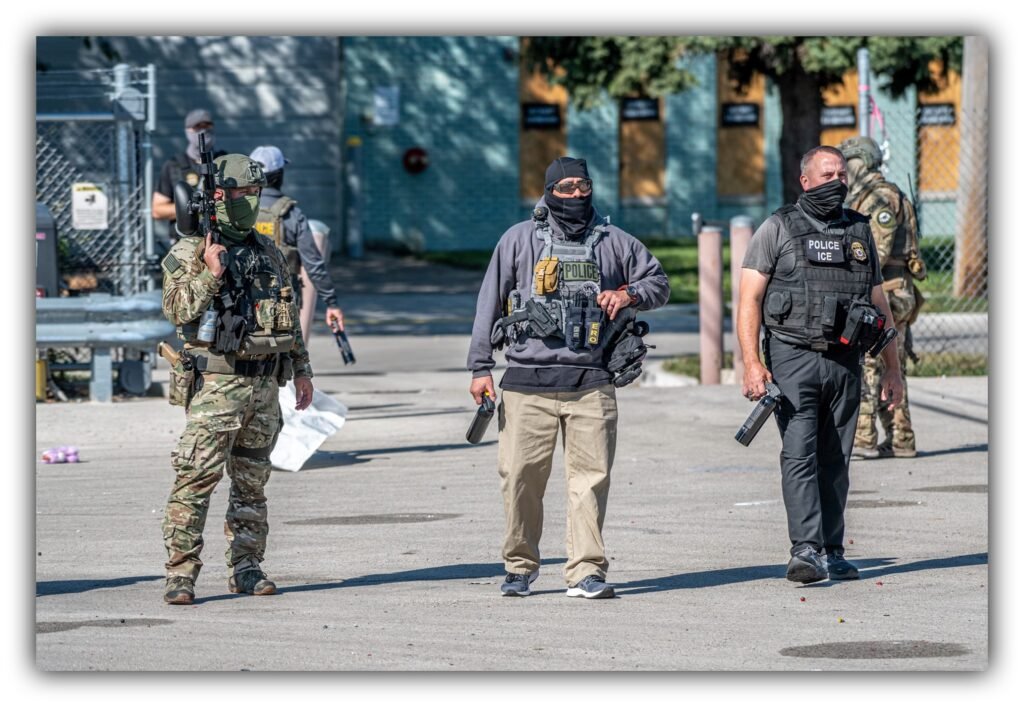
What role should armed federal law enforcement play in a place where Americans exercise their constitutional right to vote?
Election experts and voting-rights advocates have warned that the presence of immigration enforcement officers near polling locations could create fear or confusion among eligible voters, particularly in immigrant communities.
Supporters argue that stronger enforcement protects election integrity.
Critics argue that using immigration enforcement in an election environment could discourage lawful voters from participating.
The issue is not whether individual officers intend to intimidate voters.
The issue is whether their presence could affect whether eligible citizens feel safe entering a polling place.
What Real Election Security Looks Like
Protecting elections requires more than political accusations.
It requires systems designed to protect the vote.
Election security includes:
- Secure voting equipment
- Paper ballot records
- Audits and recount procedures
- Transparent vote counting
- Bipartisan election oversight
- Protection for election workers
- Clear rules followed by candidates and political parties
America’s elections are administered by thousands of local election officials across the country.
No single person controls the entire system.
What Voters Should Watch For
As the next election approaches, voters should pay attention to:
Evidence, Not Repetition
A claim repeated many times is still not proof.
The Timeline
Ask who held office when an election occurred and who had responsibility for election administration.
The Difference Between Influence and Results
Foreign governments can spread misinformation, promote propaganda, and attempt to influence voters without changing vote totals.
Efforts to Undermine Trust Before Votes Are Counted
Democracy depends on secure elections and confidence in legitimate results.
The Questions Every Voter Should Ask
Foreign governments will continue attempting to influence American politics.
That is not new.
The challenge for voters is separating legitimate election security concerns from unsupported claims.
A strong democracy requires vigilance, but it also requires evidence.
Before accepting claims that an election was “rigged,” voters should ask:
What happened?
Who was responsible?
What proof exists?
Were votes actually changed?
The answers matter because protecting democracy means defending both sides of the process:
The right to cast a ballot.
And the responsibility to respect the results.
Sources
- U.S. Intelligence Community Assessment: Assessing Russian Activities and Intentions in Recent U.S. Elections
https://www.dni.gov/files/documents/ICA_2017_01.pdf - U.S. Senate Select Committee on Intelligence: Russia Election Interference Reports
https://www.intelligence.senate.gov - U.S. Department of Justice and Department of Homeland Security Election Security Statements
https://www.justice.gov - Georgia Secretary of State Election Investigations and Audits
https://sos.ga.gov - Federal Election Commission: Election Administration and Security Information
https://www.fec.gov - Cybersecurity and Infrastructure Security Agency (CISA): Election Security Resources
https://www.cisa.gov/topics/election-security - Brennan Center for Justice: Election Security and Voter Intimidation Research
https://www.brennancenter.org - Associated Press Election Coverage and Fact Checks
https://apnews.com - Reuters Election Security Reporting
https://www.reuters.com
What do you feel about this post?

Like

Love

Happy

Haha

Sad