



Trump’s Rigged Game
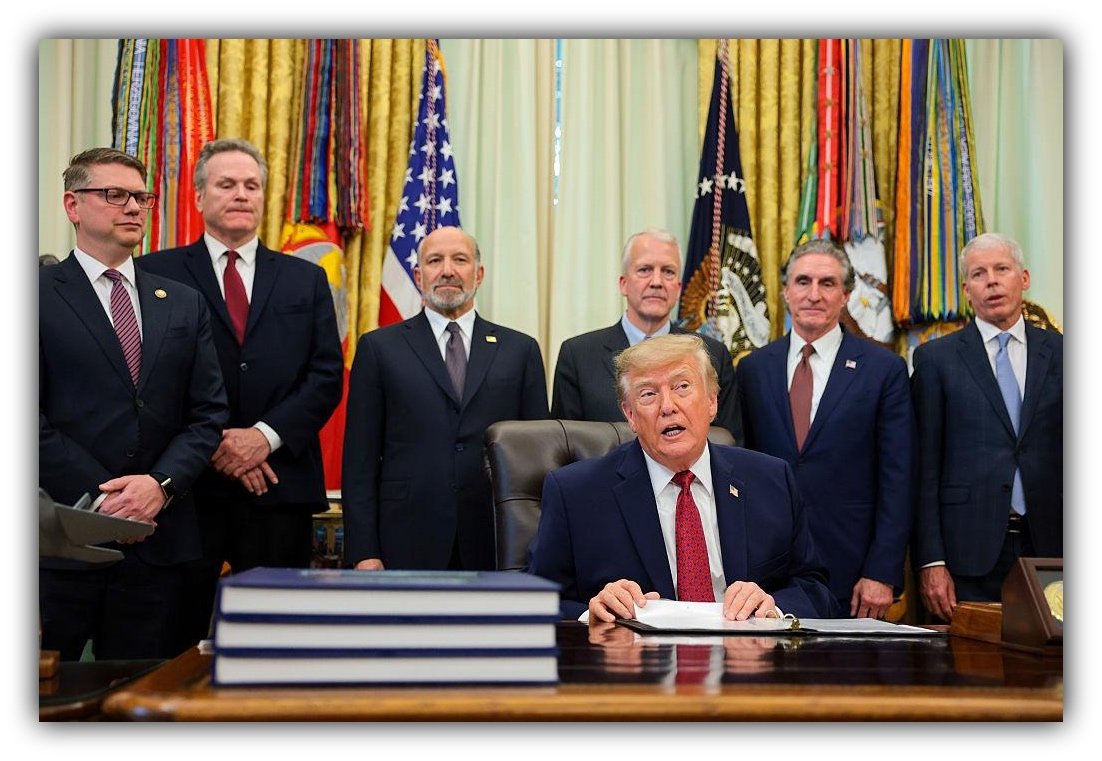
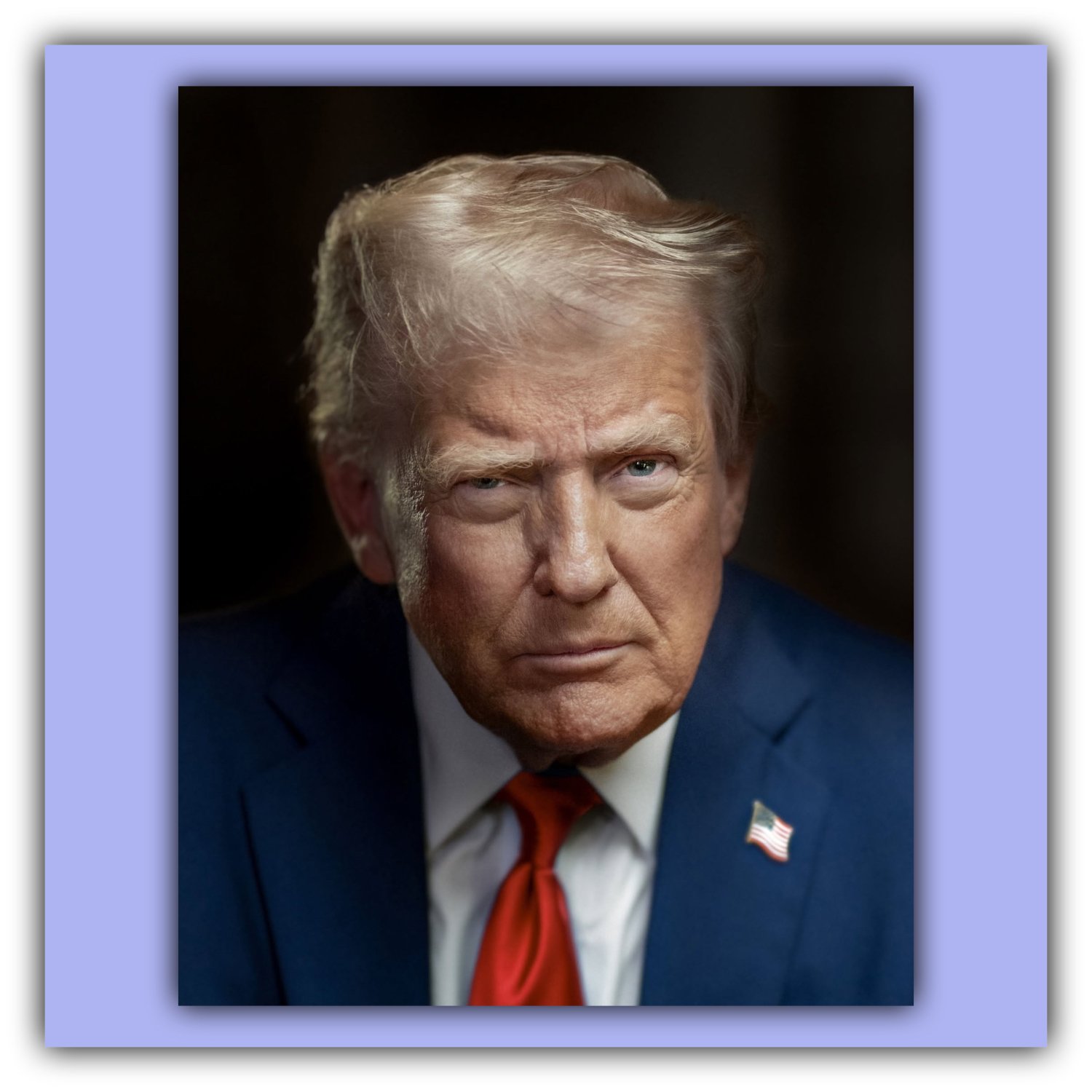
President Donald Trump, the face of a movement built on election denial, institutional pressure, and nonstop grievance.
Trump built the lie, then ran on the fallout.
By Gina Hill | Alaska Headline Living | June 29, 2026
America’s elections are rigged. Not by some mythical switch hidden under a voting booth. They’re rigged the old-fashioned modern way: by lying about the rules, flooding the zone with fraud fantasies, and bending institutions until they stop resisting. Donald Trump didn’t invent that playbook, but he has mastered it. When he says elections are rigged, he’s not diagnosing the disease. He’s confessing.
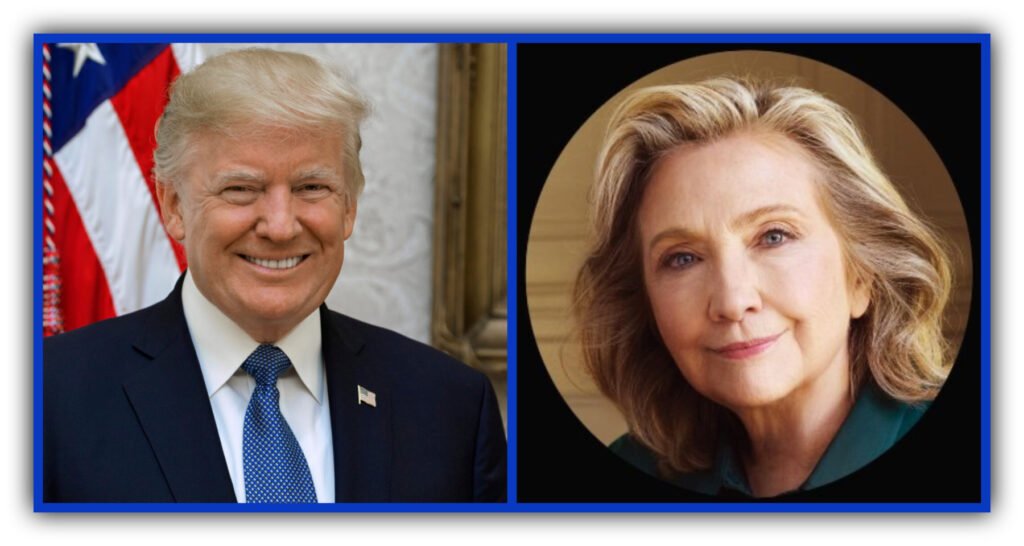
Start with 2016. Trump rode to power on a wave of Russian interference, hacked-out outrage, and a relentless smear campaign around Hillary Clinton’s emails. The point was never just to persuade voters. It was to poison the well, to make truth feel optional and scandal feel permanent. Trump didn’t stumble into that environment. He benefited from it, amplified it, and then turned around and made victimhood his governing style. That’s the genius of the con: create the smoke, then scream that everyone else started the fire.
Then came 2020, and the mask slipped. Trump lost, and the country watched him try to overwrite reality with volume. No credible proof. No serious case. Just a nonstop barrage of grievance, pressure, and pure authoritarian tantrum. He didn’t simply reject the result. He trained millions of Americans to reject any result that didn’t flatter him. That is how you rig the future: not by changing one vote, but by wrecking trust in every vote after that.
By 2024, the operation had matured. Trump had spent years normalizing election denial, disciplining Republicans who refused to echo him, and treating institutions like obstacles to be bullied into submission. He didn’t need to prove elections were crooked. He only needed enough chaos, enough intimidation, and enough loyalists inside the machinery to make voters feel like the whole thing was a fixed fight. And for a political movement built on resentment, that feeling is half the win.
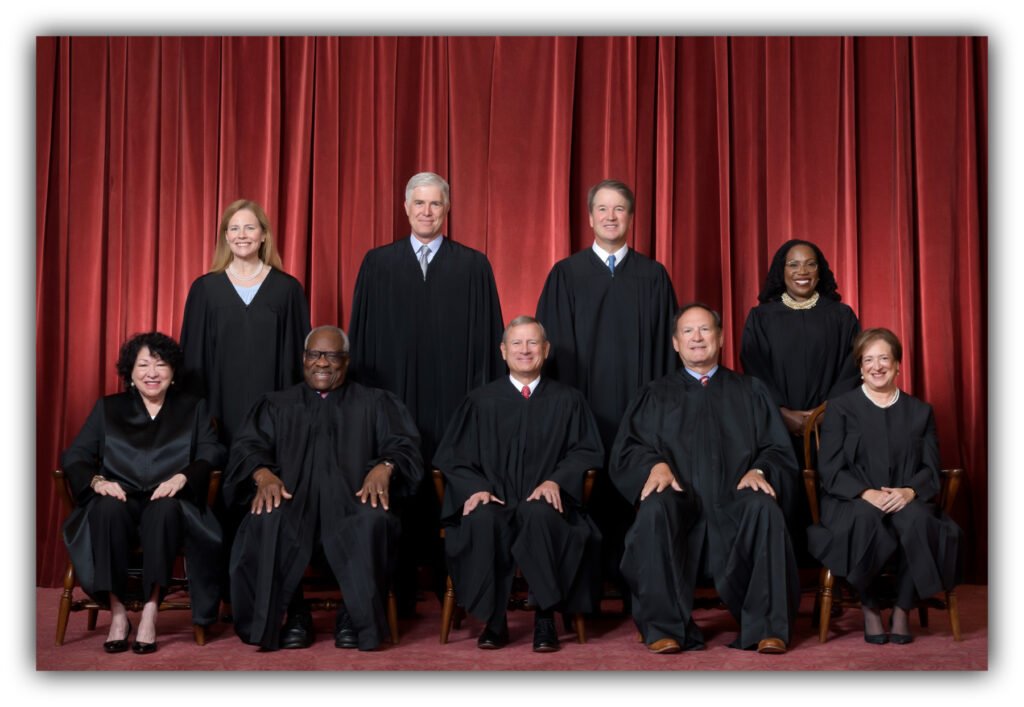
Now look at Monday, June 29, 2026. The Supreme Court spent the day redrawing pieces of the power map around Trump and the election system. One ruling made it easier for states to count some mail ballots after Election Day, a decision that could matter a lot in close midterm races because the margin between chaos and certification often lives in the mail stack. Another ruling weakened long-standing constraints on presidential control over independent agencies, giving the executive branch even more reach over institutions that are supposed to stand between political power and raw muscle. The message to the country is not subtle: the rules are still being rewritten, and the people with the most power are the ones holding the pen.
That is what makes the midterms so combustible. Elections are not just about voters showing up. They are about who controls the count, who sets the deadlines, who gets to challenge ballots, and who gets to tell the public whether the outcome should be believed. If the ballot is the vote, the rules around the ballot are the battlefield. And Trump has spent years turning that battlefield into his favorite terrain, where confusion is a weapon, delay is a tactic, and distrust is the product.
This is why “rigged” is such a revealing word in Trump’s mouth. He uses it as an accusation because it works as camouflage. It lets him pose as the victim while behaving like the engineer of the whole scam. He rigs the narrative, rigs the expectations, rigs the loyalty tests, rigs the outrage cycle, and then declares the system corrupt when it stops producing obedient results. That’s not paranoia. That’s performance art for authoritarianism.
The scariest part is how familiar it has become. Every time Trump escalates, people say the same thing: This time he’s gone too far. But the trick is that too far keeps moving. What would have looked absurd a decade ago now feels like background noise, election lies, institutional sabotage, court fights over power, and a political culture trained to treat normal democratic process as suspicious unless it ends the way one man wants. That’s not just dysfunction. That’s preconditioning for the next breakdown.
So, yes. American elections are now a rigged game. Rigged by fear. Rigged by lies. Rigged by a movement that knows it can’t always win clean, so it works the refs, attacks the scorekeepers, and calls the whole stadium crooked when the whistle blows. Trump didn’t just say the quiet part out loud. He turned it into the soundtrack.
And here’s the line that matters: When winning requires cheating and bending the rules, democracy has already failed.
Primary Sources
- Court records: U.S. Supreme Court opinions, orders, and dockets from June 29, 2026.
- Government documents: U.S. intelligence assessments, congressional reports, and election-law materials.
- Election administration: State statutes, guidance, and certification procedures relevant to the 2024 and 2026 cycles.
- Trump statements: Public remarks, campaign materials, and social media posts on election fraud and ballot rules.
What do you feel about this post?

Like

Love

Happy

Haha

Sad