



🏡 🌿 🫙 National Homesteaders Day in Alaska
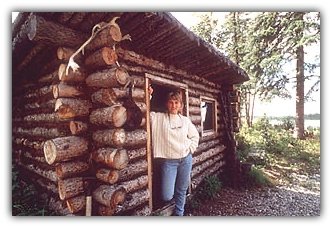
A homesteader stands at the doorway of a hand-built log cabin, reflecting the self-reliant lives of Alaska’s settlers. Courtesy of the State of Alaska.
Celebrating practical skills, self-reliance, and resilient local communities.
By Gina Hill & James Hill | Alaska Headline Living | Saturday, August 15, 2026
In Alaska, National Homesteaders Day lands especially well. Homesteading is both a real historical legacy and a modern way of life built around growing, preserving, repairing, making, and sharing.
Alaska’s Homesteading Legacy
Congress passed the federal Homestead Act in 1862, opening a path for eligible settlers to obtain public land by meeting residency, improvement, and cultivation requirements. The law became applicable to Alaska in 1898.
The opportunity was real, but success was never easy. Alaska’s remoteness, short growing seasons, transportation barriers, difficult soils, severe weather, and limited access made homesteading a demanding undertaking. Alaska homesteaders included dairy and agricultural farmers, miners, and wilderness families living subsistence-oriented lives.
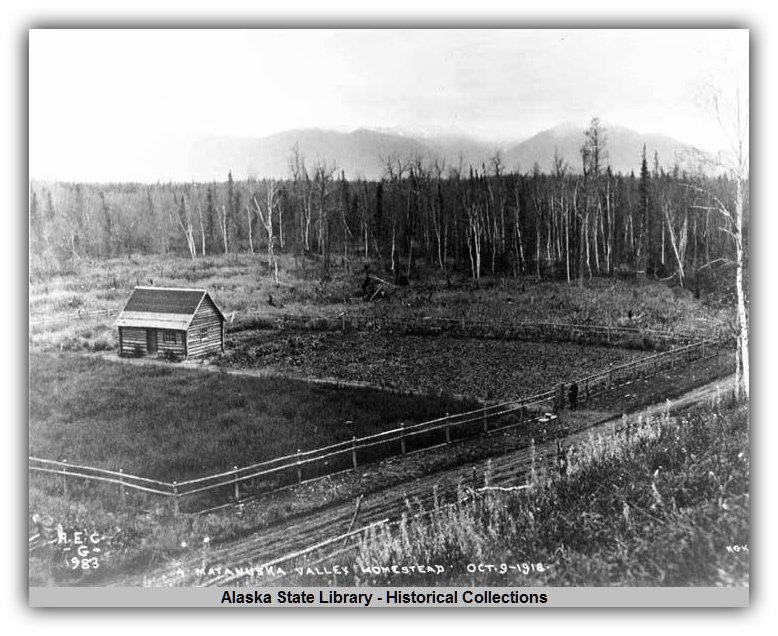
Federal homesteading declined across much of the country during the early 20th century. The program was repealed in 1976 everywhere else, but Congress allowed it to continue in Alaska through 1986.
The final patent under the federal Homestead Act went to Kenneth Deardorff for an 80-acre parcel near Stony River. He applied in 1974 and received the patent in 1988. In total, 3,277 federal homesteads, covering more than 360,000 acres, were conveyed in Alaska, less than 1 percent of the state’s land area.
The federal program’s end did not immediately end every form of homesteading in Alaska. After statehood, Alaska created its own public land-disposal programs. The 1977 Homesite Law offered “free land” under terms similar to the federal Homestead Act. In 1984, the state established a Homestead Program that allowed claims of 40 non-agricultural acres or 160 agricultural acres.
State-program requirements eventually included U.S. citizenship, at least one year of Alaska residency before filing, and surveying, clearing, and building obligations. After 1988, the Department of Natural Resources staked parcels eligible for homesteading before they could be claimed.
Those programs no longer exist. There is no free federal land available to homestead in Alaska today, and prospective landowners should not mistake the state’s present land-sale options for an old-fashioned homestead claim.
Homesteading in the 21st Century
Alaska rewards practical skills, but it also requires realism. A workable modern homestead plan needs to account for short growing windows, weather, wildlife, heating, water, food storage, transportation costs, usable soil, and reliable year-round access.
Alaska does offer legal ways to purchase state land. These are sale programs, not free land claims.
| Option | Who can use it | What it means |
|---|---|---|
| State land auctions | Generally Alaska residents for non-agricultural and non-commercial parcels; rules vary by offering | Surveyed and appraised state parcels are sold through competitive sealed bidding. Agricultural and commercial offerings may have different eligibility rules. |
| Over-the-counter sales | Residents, nonresidents, and businesses | Parcels that do not sell at auction may be offered at a listed price on a first-come, first-served basis. |
| Remote Recreational Cabin Sites | Qualified Alaska residents | Participants may apply for a drawing, stake a designated parcel if selected, lease it during survey and appraisal, then have an opportunity to purchase it at appraised value. It is not free land. |
The word homestead remains alive in Alaska’s place names and culture. But anyone looking for land should treat access as a well-researched purchase decision, with due diligence on title, legal access, zoning or local rules, soils, water, utilities, and long-term costs.
What Homesteading Means Now
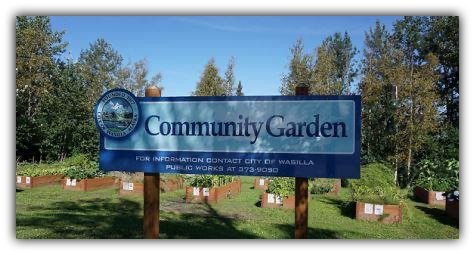
Modern Alaskan homesteading does not require a 160-acre claim, a cabin beyond the end of the road, or livestock. It can happen in an Anchorage backyard, a Mat-Su greenhouse, a community garden plot, or a pantry stocked for winter.
It can mean:
- Growing food in a backyard, raised bed, high tunnel, windowsill, or community garden.
- Preserving Alaska’s short but abundant harvest through freezing, canning, drying, fermenting, or root-cellar storage.
- Fishing, hunting, berry picking, and safely storing the food those practices provide.
- Baking bread, repairing tools and clothing, building useful things, and reducing dependence on fragile supply chains.
- Supporting Alaska farmers, makers, food hubs, and farmers markets.
- Teaching gardening, sewing, food preservation, equipment maintenance, cooking, or animal-care skills to children, neighbors, and friends.
That broader definition fits National Homesteaders Day’s emphasis on self-sufficiency, traditional skills, practical competence, and community connection.
Why Homesteading Resonates in Alaska
In the Mat-Su Valley and across Southcentral Alaska, the homesteading impulse appears in gardens, greenhouses, backyard chickens, berry patches, freezers full of salmon, home-preserved food, small makers, and neighbor-to-neighbor skill sharing.
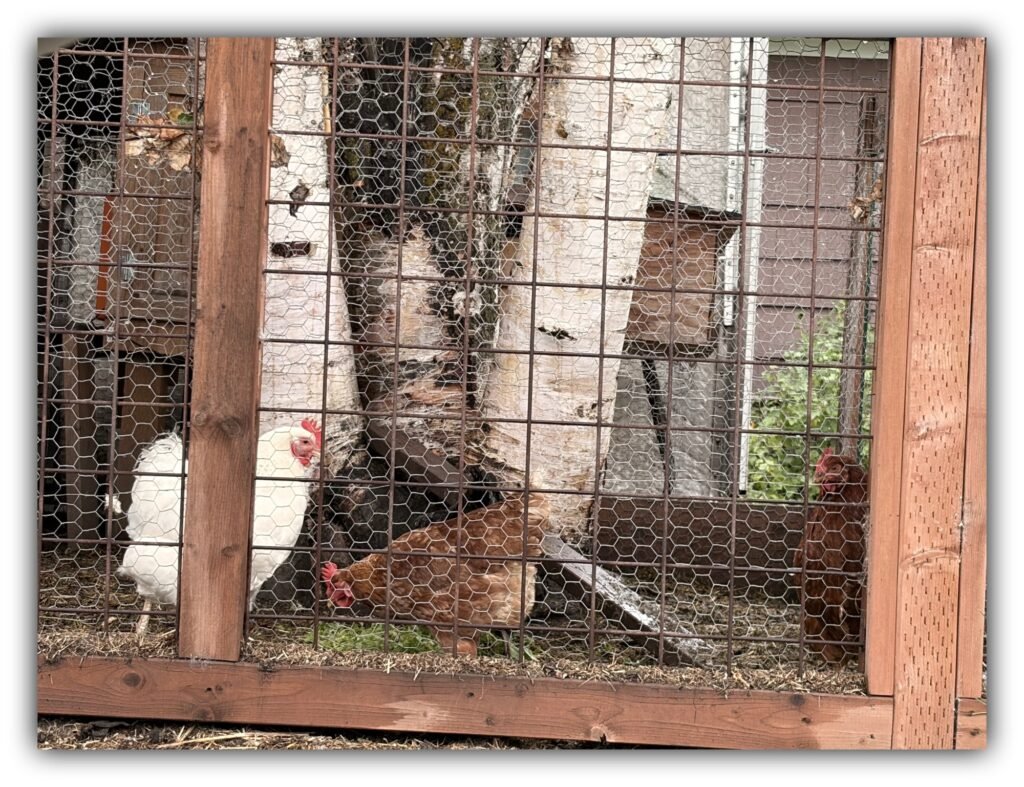
It is less about isolation than preparedness and competence: knowing how to make, mend, grow, preserve, and contribute.
Alaska’s farmers-market network is part of that ecosystem. The Alaska Farmers Market Association’s 2026 statewide farmers-market and food-hub directory includes Anchorage and Mat-Su options, making support for local producers a practical, not merely sentimental, way to mark the day.
Five Alaska-Friendly Ways to Observe National Homesteading Day
- Start or revive one useful skill. Try sourdough, pickling, pressure-canning education, mending, tool sharpening, seed saving, or basic sewing.
- Buy directly from an Alaska producer. Visit an Anchorage or Mat-Su farmers market, farm stand, or food hub and bring home one locally made or grown item.
- Put something up for winter. Freeze herbs, berries, fish, or garden produce; dry edible plants; or learn a safe preservation method from a vetted source.
- Teach or trade a skill. Share a family bread recipe, show someone how to repair a zipper, sharpen a knife safely, or prepare a garden bed for the next season.
- Share your local version of homesteading. Post a garden update, pantry project, repair, handmade item, harvest, or local-maker purchase using #NationalHomesteadersDay.
A fitting Alaska definition for the day is simple: homesteading is not free land. It is the habit of being more capable, less wasteful, and more connected to the people and place that help carry us through winter.
Sources
- State of Alaska, Alaska Kids’ Corner, “Homesteading.” Historical overview of federal and state homesteading in Alaska, including the 1977 Homesite Law and the 1984 state Homestead Program.
- Alaska Department of Natural Resources, Division of Mining, Land and Water, “Land for Alaskans” fact sheet, July 2021. Overview of state land-disposal programs, auctions, over-the-counter sales, and Remote Recreational Cabin Sites.
- Alaska Department of Natural Resources, “Alaska State Land Sales.” Current information on state land auctions, sale procedures, eligibility, and available parcels.
- Gerald R. Ford Presidential Library and Museum, “Document extending the Homestead Act in Alaska.” Federal record related to Alaska’s extension under the Homestead Act.
What do you feel about this post?

Like

Love

Happy

Haha

Sad