



📰 Pentagon Press Policy Explained
What Journalists Can … and Can’t … Do Under Pete Hegseth’s New Rules
(As of October 2025)
🔍 What’s New
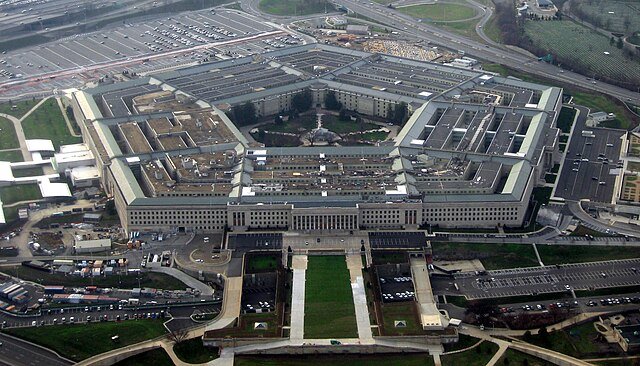
In October 2025, Defense Secretary Pete Hegseth introduced a 21-page press credentialing policy that every journalist covering the Pentagon must sign. Those who refused faced revocation of press access within 24 hours.

📄 What the Policy Requires
Under the new agreement, reporters must:
- Pledge not to solicit or publish any information not “officially authorized” by the Department of Defense, even if the material is unclassified.
- Agree that seeking unauthorized information could mark them as a “security risk.”
- Submit to expanded security background reviews and access restrictions within Pentagon facilities.
- Accept that credentials may be revoked without appeal if the Department deems coverage “noncompliant.”
🚫 What the Policy Would Bar
- Speaking confidentially with Pentagon officials, employees, or contractors without prior DoD approval.
- Publishing leaks, unclassified internal memos, or off-the-record remarks without Pentagon authorization.
- Independent investigation into Pentagon decisions, procurement, or operations that aren’t pre-cleared for release.
✅ What the Policy Would Not Bar
- Reporting on information already released in official briefings, press releases, or congressional hearings.
- Coverage of defense issues from outside the Pentagon using publicly available data, whistleblower filings, or independent sources.
- Analysis or opinion pieces based on open-source intelligence or prior reporting.
🗞 Who Signed | Who Didn’t
- Signed: One America News Network (OANN)
- Refused to Sign: The New York Times, The Washington Post, CNN, Reuters, The Associated Press, The Atlantic, Newsmax, Fox News, and many others across the political spectrum.
🧭 How Journalists Plan to Continue Coverage
- Outlets that refused say they will continue reporting without Pentagon building access using public documents, satellite data, FOIA requests, and external military sources.
- The Pentagon Press Association is preparing a legal challenge arguing the policy violates established press-access norms.
- Several organizations are exploring pool reporting from off-site locations to maintain accountability coverage.
⚖️ First Amendment and Legal Concerns
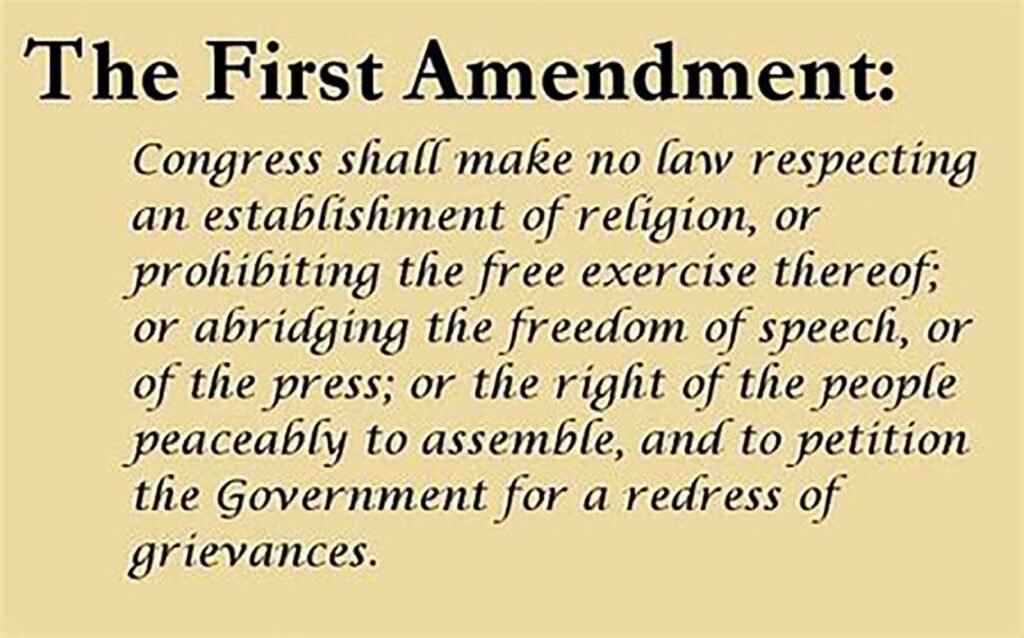
- Critics, including press-freedom groups and constitutional scholars, say the policy conflicts with the First Amendment by imposing a prior restraint on lawful reporting.
- Legal experts note that while the Pentagon can regulate physical access, it cannot condition access on a promise not to report unclassified information.
- The Reporters Committee for Freedom of the Press and Society of Professional Journalists have called for Congressional oversight hearings.
💬 Pentagon’s Defense
Secretary Hegseth says the new policy is a “common-sense modernization” meant to safeguard operational security and prevent “reckless leaks.”
He dismissed critics on X (formerly Twitter) with a waving-hand emoji (👋), signaling no plans to revise the policy.
🕊 Why It Matters
The dispute marks one of the most serious confrontations between the Pentagon and the national press in decades.
At stake is a core principle: Can the government demand silence about unclassified information?
The outcome may redefine how America’s largest military institution interacts with the free press.
💪 What Readers Can Do
A free press only exists when citizens defend it.
You can:
- Support independent journalism – subscribe, donate, and share credible reporting.
- Contact your representatives to insist that government transparency and press access remain protected.
- Engage critically – read beyond headlines, verify sources, and challenge misinformation.
- Stand with local and national reporters who risk access or safety to keep the public informed.
🇺🇸 The First Amendment is not self-executing; it endures only when readers, voters, and journalists work together to keep power in the light.
Sources: Public statements from the Pentagon, The New York Times, The Washington Post, Reuters, AP, The Atlantic, Newsmax, and the Pentagon Press Association (October 2025).
Compiled by: Alaska Headline Living | © 2025
What do you feel about this post?

Like

Love

Happy

Haha

Sad