


🎃 🫎 Pumpkins on the Porch, Moose at the Door: Not a Good Mix!
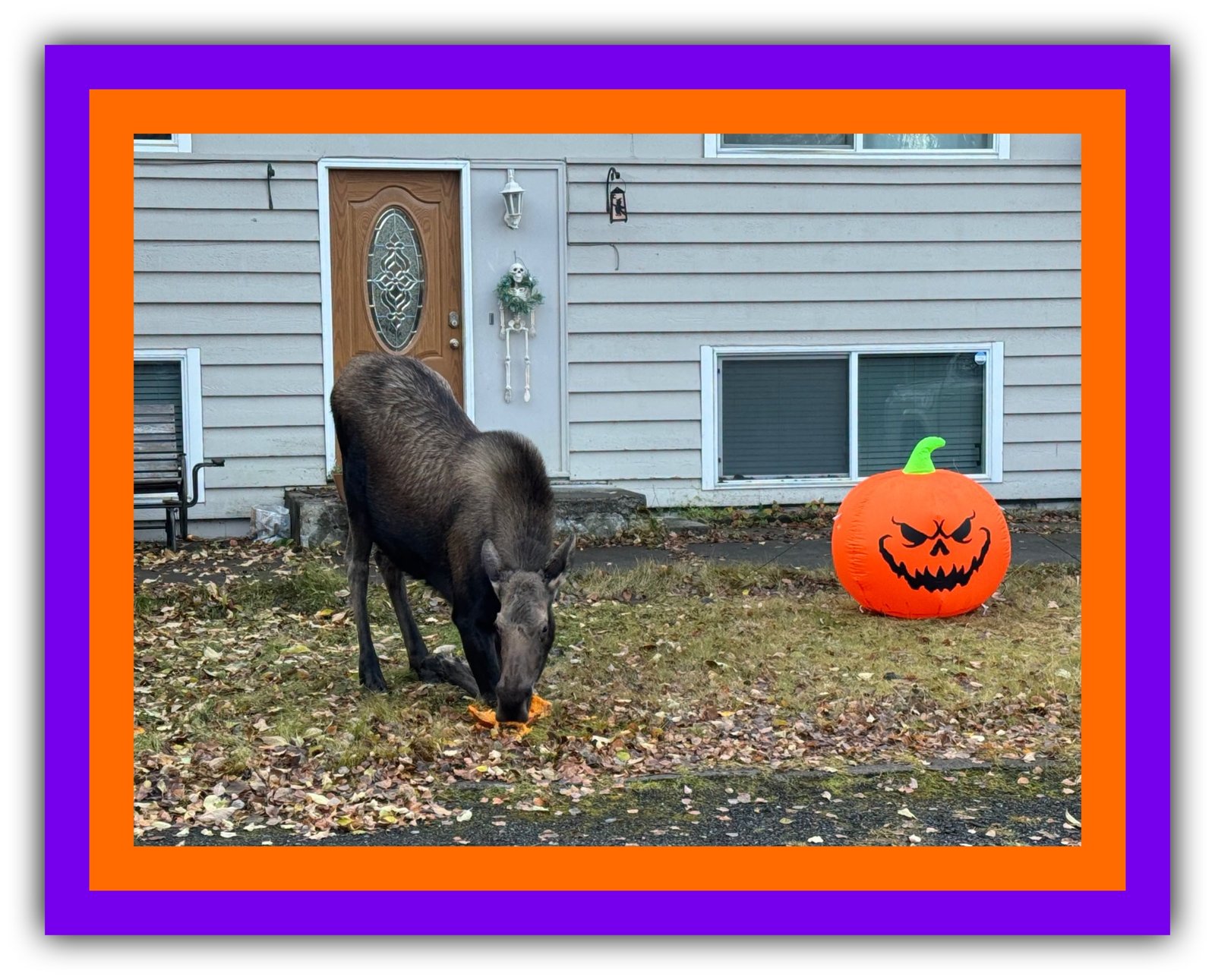
ADF&G is warning Alaskans to keep Halloween pumpkins away from moose. Pumpkins can cause digestive problems for the animals and attract them into residential neighborhoods. (Source: Alaska Department of Fish and Game)
ADF&G warns that jack-o’-lanterns can harm moose and bring dangerous wildlife encounters right to your doorstep.
Halloween is almost here, and pumpkins are decorating porches, steps and front yards across Alaska. But before those jack-o’-lanterns become post-Halloween leftovers, the Alaska Department of Fish and Game (ADF&G) has a warning for residents: Keep the pumpkins away from moose.
What looks like a harmless autumn decoration to people can become a tempting treat for hungry wildlife. And according to ADF&G, that treat can cause problems for the animals and create dangerous encounters for people.
In an October 26, 2026, public safety reminder, the department warned that pumpkins are not a natural food source for moose and can cause problems in their digestive tracts.
The concern goes beyond an occasional moose wandering up to a porch. Pumpkins can attract animals to homes, encourage them to remain in neighborhoods and increase the potential for dangerous encounters.
Pumpkins Aren’t a Healthy Treat for Moose
Moose are browsers, meaning much of their natural diet consists of leaves, stems and woody plant material rather than soft fruits and vegetables.
In Alaska, their diet includes willow, birch, aspen and poplar twigs, leaves, shrubs, grasses, sedges and aquatic plants. As fall turns to winter, they increasingly depend on woody browse, particularly willow, birch and aspen twigs.
Their digestive systems are specially equipped to handle this tough, fibrous vegetation. Moose are ruminants, and bacteria and other microorganisms in their rumen (the largest compartment of their stomach) help break down plant material and make its nutrients available.
Those microorganisms adjust to the foods the animal normally eats. A sudden change in diet can upset that delicate balance.
A pumpkin is very different from a willow twig. Its soft, fleshy interior is much easier to break down than the woody, fiber-rich vegetation moose are adapted to digest. Introducing large amounts of this unfamiliar food can disrupt normal fermentation in the rumen and cause digestive problems.
ADF&G wildlife research explains that different microorganisms handle different types of vegetation and that their populations adjust gradually as a moose’s seasonal diet changes. Researchers even allow a 10-day transition when changing the diets of captive moose to help avoid digestive problems.
That’s why a pumpkin isn’t an innocent little snack for a moose. What seems like a tasty treat can interfere with the digestive process that keeps the animal healthy.
Your Pumpkin Could Bring a Moose to Your Doorstep
The digestive danger is only part of the problem.
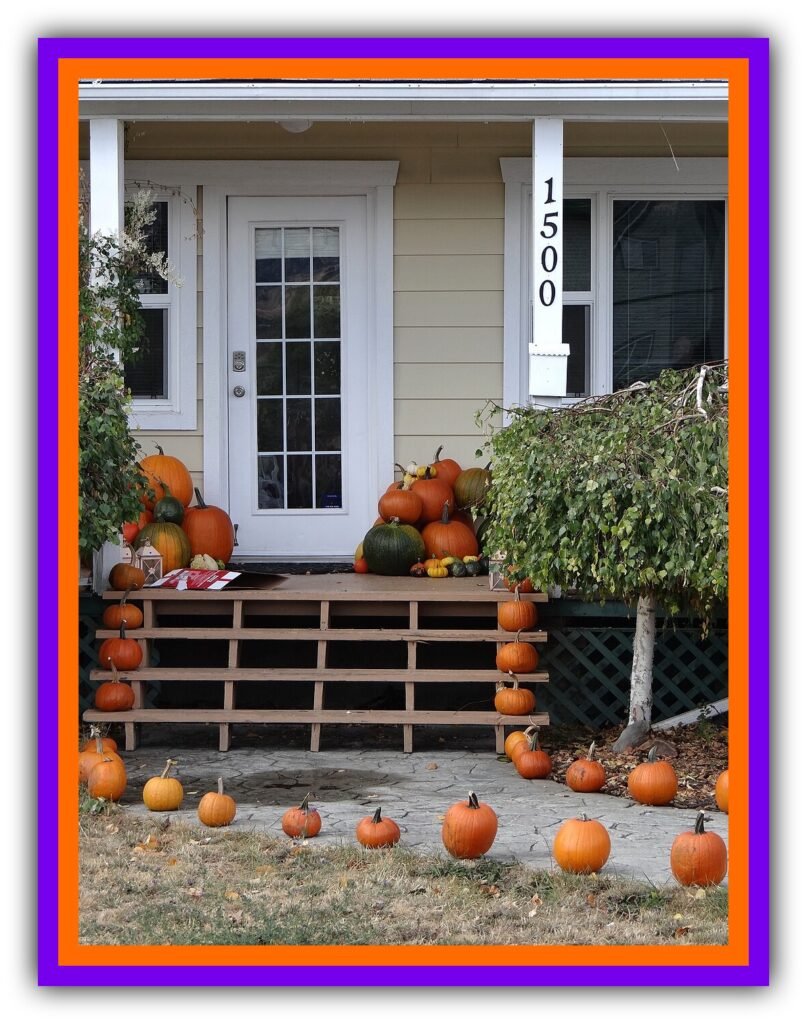
ADF&G warns that pumpkins can attract moose to residential properties and keep them hanging around neighborhoods.
That increases the possibility of an encounter when someone opens a door, walks to a vehicle, takes out the trash or lets a dog outside.
Moose may look calm while browsing through a yard, but they are large, powerful wild animals. A startled or defensive moose can seriously injure a person.
Cow moose protecting calves can be especially dangerous. Bull moose can also become unpredictable during the fall mating season.
The safest approach is to give moose plenty of room and avoid creating reasons for them to visit your property.
Feeding Wildlife is Illegal, Even When it’s Accidental
Alaska law doesn’t require someone to hand a pumpkin to a moose before wildlife feeding becomes a legal issue.
Under 5 AAC 92.230, people are prohibited from both intentionally and negligently feeding moose and other listed wildlife. The regulation also prohibits leaving human food, animal food, mineral supplements or garbage in a manner that attracts these animals.
That distinction matters during Halloween. Someone who deliberately puts pumpkins outside for moose could fall under the intentional-feeding provision. Someone who carelessly leaves pumpkins where moose can reach them could potentially violate the negligent-feeding provision.
And there can be financial consequences.
The Alaska Court System’s Uniform Minor Offense Table lists:
- Negligent feeding: A $300 scheduled bail amount for the optional-appearance offense.
- Intentional feeding: A mandatory court appearance offense with a maximum permitted fine of $500.
These are court-scheduled amounts, not an automatic bill for every pumpkin left on a porch. Whether a violation occurred depends on the circumstances and enforcement of the regulation.
The message from Alaska wildlife officials is clear: Keep pumpkins and other food attractants away from moose. Protecting wildlife is also protecting your neighbors and your family.
What Should You Do With Your Halloween Pumpkins?
Enjoy the jack-o’-lanterns for Halloween, but make a plan to bring them inside or dispose of them promptly afterward.
Here are some responsible options:
- Regular trash: Put pumpkins in your household trash according to your waste hauler’s instructions.
- Composting: Check whether your local composting facility accepts whole or carved pumpkins. Remove candles, plastic decorations, glitter and other noncompostable materials first.
- Home composting: Use a secure compost system that prevents moose and other wildlife from accessing the food waste.
- Community disposal: Check with your local municipality or borough for seasonal organics collection or drop-off opportunities.
For Anchorage residents, the Municipality’s Solid Waste Services provides information about organics collection and disposal through its website.
Mat-Su residents can check with the Matanuska-Susitna Borough Solid Waste Division for local disposal options.
One important reminder: Don’t toss pumpkins into the woods, ditches, roadside vegetation or other places where wildlife can find them. Moving the pumpkin away from your porch doesn’t solve the problem.
See an Aggressive Moose or Evidence of Feeding? Report It.
ADF&G’s October 26 advisory also provides instructions for reporting aggressive moose around homes or in areas frequented by the public, as well as suspected wildlife feeding.
Residents can contact:
- Anchorage ADF&G office: (907) 267-2257, Extension 2
- Alaska Wildlife Troopers: (907) 352-5401
- Online: ADF&G Wildlife Encounter Reporting
The Anchorage office number is the contact provided in the department’s advisory. Residents elsewhere in Alaska can contact their local ADF&G office for regional assistance.
Never approach an aggressive moose or attempt to remove food or decorations while an animal is nearby. Give it space and let wildlife professionals handle the situation.
Keep Halloween Treats for the Trick-or-Treaters
That jack-o’-lantern may look like harmless porch décor to you, but to a hungry moose, it’s an invitation to investigate. But, Alaskans don’t have to give up their Halloween decorations to protect wildlife.
After the trick-or-treaters have gone home, bring in the pumpkins, clean up the yard and make sure nothing edible is left where wildlife can get to it.
A little cleanup can help prevent a dangerous encounter and protect the animals that make Alaska such a special place to live.
Enjoy Halloween. Keep the pumpkins away from the moose. And please, don’t turn your front porch into a wildlife buffet. 🫎
Sources
– Alaska Department of Fish and Game: “Moose and Jack-O-Lanterns Don’t Mix”, October 26, 2026. ADF&G’s warning about pumpkins attracting moose, potential digestive problems and dangerous encounters near homes.
– Alaska Department of Fish and Game: Moose Species Profile. Information about moose habitat, seasonal behavior and natural diet.
– Alaska Legislature: 5 AAC 92.230, Feeding of Game. State regulation prohibiting both intentional and negligent feeding of moose and other listed wildlife, including leaving food or garbage where it attracts them.
– Alaska Court System: Uniform Minor Offense Table, 5 AAC, page 80. Lists the scheduled bail amount for negligent feeding and the maximum permitted fine for intentional feeding.
– Alaska Department of Fish and Game: Report a Wildlife Encounter. Reporting information for aggressive wildlife, dangerous moose encounters and other human-wildlife conflicts.
Alaska Headline Living | Stay informed. Stay inspired. Stay curious.
What do you feel about this post?

Like

Love

Happy

Haha

Sad