









Enshittification: Why the Internet Got Worse
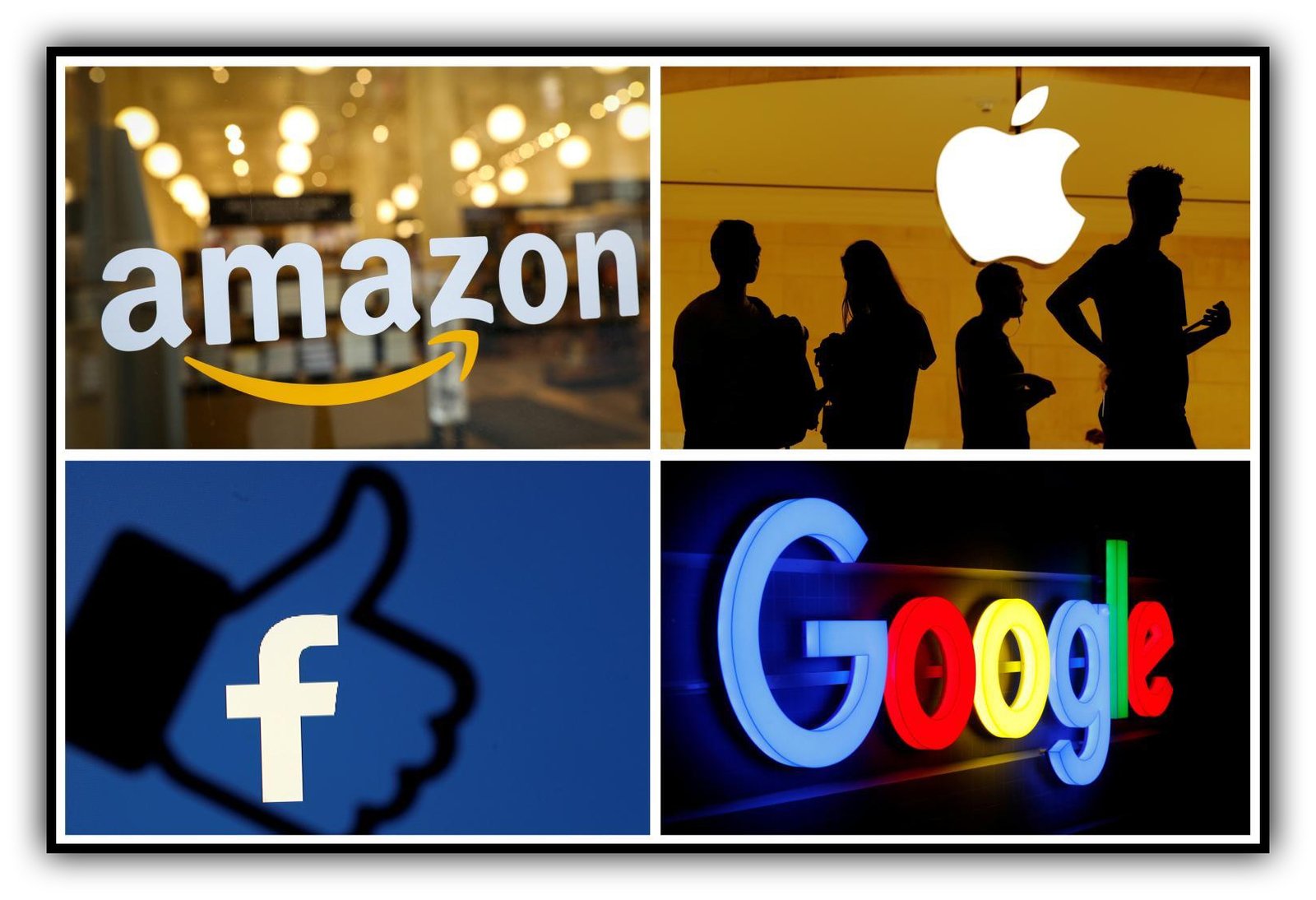
Amazon, Apple, Facebook, and Google dominate the modern internet ecosystem, shaping how people search, shop, communicate, and connect online.
When Platforms Stop Serving You and Start Taking From You
By Gina Hill | Alaska Headline Living | April 17, 2026
If it feels like the internet keeps getting worse, you’re not imagining it.
There’s a name for this: Enshittification, coined by author Cory Doctorow in 2022. Also known as platform decay.
Search results are cluttered with ads and SEO junk. You’re trying to find something simple, and you’re scrolling past noise instead. Shopping feels manipulated, like you’re being steered instead of choosing. Social media stops feeling like connection and starts feeling like something that grabs your attention and redirects it somewhere else entirely. Even basic tools now come with extra steps, pop-ups, and paywalls you never asked for but can’t avoid.
AI doesn’t fix enshittification. It speeds it up. The same platforms that already reward noise over usefulness can now generate that noise at scale, faster than any human ever could. What used to be clutter becomes industrialized.
It describes a pattern. Platforms start useful. Then they shift toward serving advertisers and business partners. Then they shift again toward squeezing maximum profit, even if the experience gets worse for everyone else, including you.

How It Shows Up in Real Life
- You see it in Google results where ads and AI summaries push real sources down.
- You see it on Amazon where “top results” are often paid placements, not the best match.
- You see it on social media when your feed stops being mostly people you chose and becomes algorithm-driven content built to keep you engaged longer than you planned.
- You feel it when services get louder, more expensive, and less useful over time without any real alternative inside the system.
It’s Not Random
This isn’t bad luck or sloppy design. It’s incentives.
When a platform becomes dominant, leaving gets hard. Your friends are there. Your data is there. Your work or audience is there. You don’t just switch without losing something real.
That’s the turning point. Once users are effectively stuck, platforms don’t have to compete for your experience anymore. They can steadily take more while giving less. As Cory Doctorow said on The Daily Show (video below),
“Mark Zuckerberg knows that if you love your friends more than you hate him, he can make your life worse and you’ll still stay.”
Doctorow argues the fix isn’t on users alone, but stronger antitrust enforcement, interoperability between platforms, data portability, and real power for tech workers. He also calls for stronger tech worker unions, especially for warehouse and logistics workers at companies like Amazon, where workers are often at the bottom of the hierarchy and easier to exploit.
What Actually Works as Alternatives
There is no perfect escape. The biggest platforms are still the easiest, most connected options, even when they’re degraded. Switching often means losing reach, features, or people. But there are better options in specific places:
Search tools like DuckDuckGo, Brave Search, and paid options like Kagi reduce tracking, personalization, and ad-driven ranking. They give you a cleaner, less manipulated search experience, though they don’t always match Google’s depth, coverage, or speed when it comes to complex or highly specific queries.
Social platforms like Mastodon, Bluesky, and Reddit offer different ways of using the internet outside the biggest platforms. Mastodon and Bluesky give more control over feeds and less algorithmic manipulation, while Reddit is more community-driven and topic-based. But all of them are still smaller or more fragmented than the dominant platforms, which limits reach, discovery, and how easily people connect.

Video platforms like Nebula and PeerTube reduce dependence on ad-driven recommendation systems and algorithm-heavy feeds that prioritize engagement over usefulness. They give creators more control over how their content is distributed and how you find it. But, they’re still much smaller than YouTube, which means less reach, fewer creators, and a more limited range of content overall.
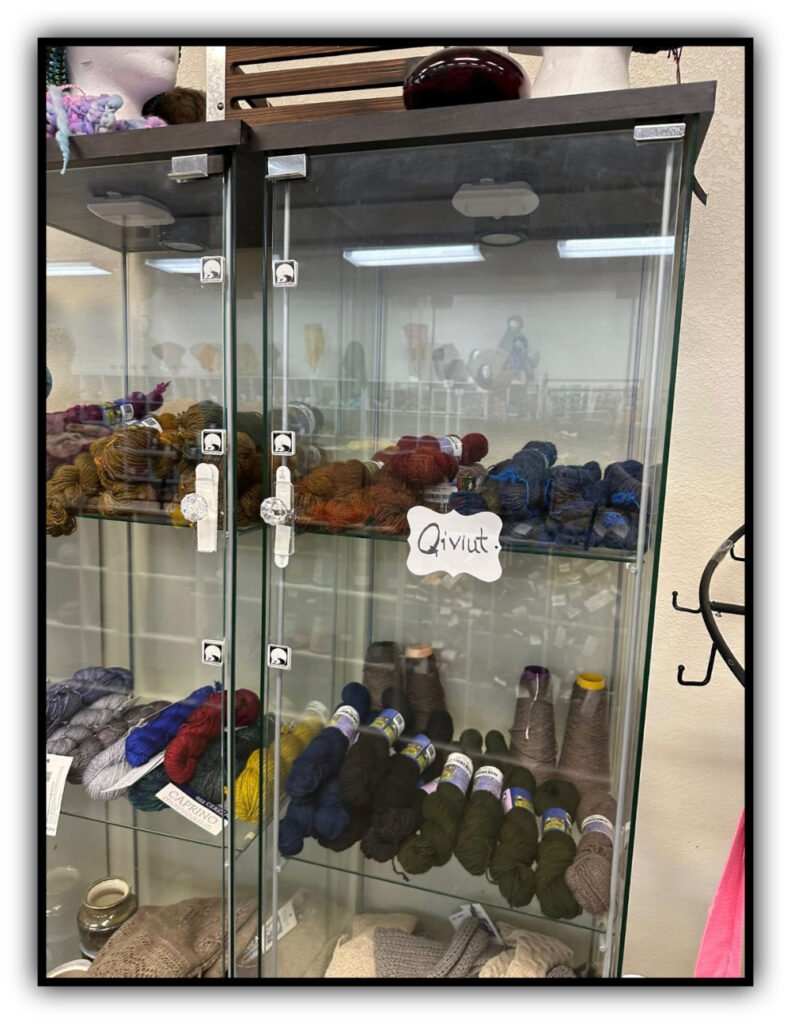
Buying directly from brands or small retailers reduces reliance on Amazon and its marketplace ecosystem, where convenience often comes with more ads, sponsored results, and algorithm-driven choices. Places like Fiber N’ Ice Alaska, where local makers sell items like rare Qiviut yarn you simply won’t find on Amazon, show what “shop local” actually looks like in practice. It takes a bit more effort, but it keeps money in local communities and gives you a more direct connection to what you’re buying and where it comes from.
Email services like Proton Mail and Fastmail are less driven by ads and data tracking, offering a more private, subscription-based model instead of attention-based revenue. And unlike most modern platforms, email itself still works because it’s open, widely supported, and interoperable across providers.
On devices, Linux systems or privacy-focused Android setups like GrapheneOS give users more control over how their technology works, what data is collected, and which services they rely on. The tradeoff is that they often require more setup, learning, and compromises in convenience compared to mainstream operating systems.
The Honest Reality
None of these alternatives truly replace the giants yet. They’re smaller, less convenient, less connected, and harder to fully adopt. But they are growing in fits and starts, and carving out real space where people want something different. That growth matters, even if it’s uneven. At the same time, leaving systems that already control attention and networks still comes with real costs, which is why most people stay even when they’re frustrated.
The Heart of It
The internet got worse on purpose. It’s not just your imagination. Enshittification isn’t random. It is systems that become hard to leave, then slowly turn on the people using them. You don’t fix that by deleting apps.
You fix it by using alternatives where you can, spreading your time across platforms instead of relying on one, and choosing services that work for you instead of selling your attention.
And now the question is simple: how much longer do you keep accepting it as normal?
Cory Doctorow on The Daily Show with Ronny Chieng (Dec 9, 2025)
Journalist and author Cory Doctorow breaks down enshittification and how platforms like Facebook, Amazon, and Google degrade over time after locking in users. He argues the issue isn’t user behavior, but policy and incentives, and points to antitrust enforcement, interoperability, and tech worker organizing as real paths forward.
What do you feel about this post?

Like

Love

Happy

Haha

Sad