







Trump Sues Alaska Over Two Dan Sullivans
With Election Day approaching, the president’s Justice Department is challenging Alaska’s handling of a Senate race after the state’s highest court ruled on a related ballot dispute.
President Donald Trump’s administration is taking Alaska to federal court over two candidates with nearly identical names in the U.S. Senate race, days before voters cast their November 3 ballots.
On October 22, the U.S. Department of Justice sued Alaska and its election officials. The lawsuit seeks to block certification of the Senate result under certain circumstances if incumbent Republican Sen. Dan S. Sullivan loses and votes for the other Dan J. Sullivan could affect the outcome.

The administration argues that the similar names could confuse voters. That is an allegation, not proof that voters have been confused or that the election is invalid.
Alaska’s Supreme Court Already Ruled
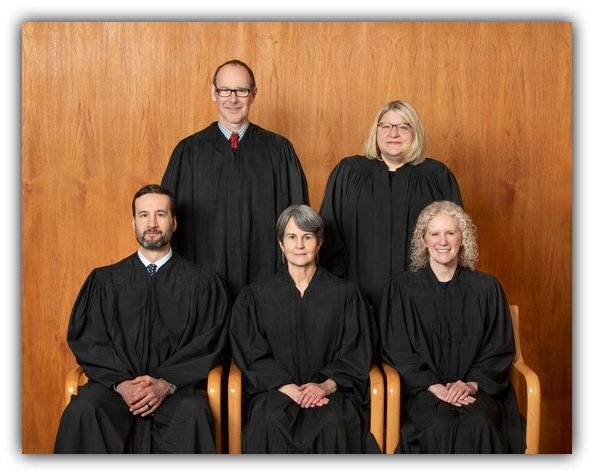
In June, the Alaska Supreme Court upheld a decision requiring Daniel J. Sullivan Jr. of Petersburg to remain on the primary ballot. The court’s ruling did not resolve the new federal lawsuit, but it established that the challenger could not be excluded on the basis of the earlier ballot dispute.
Alaska’s official candidate listing distinguishes the two men: Dan S. Sullivan, the incumbent Republican U.S. senator, and Daniel J. Sullivan Jr., the challenger.
Does Ranked-Choice Voting Change the Issue?
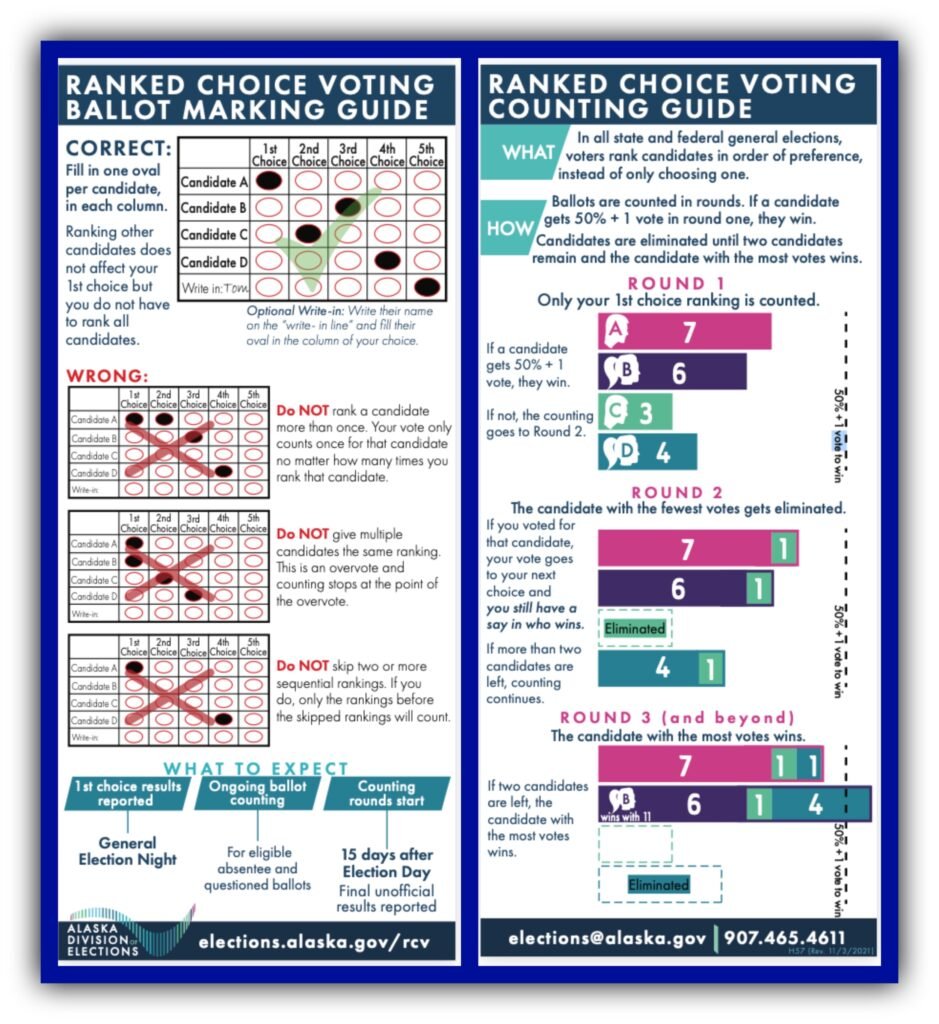
Yes, it affects how votes are counted, but it does not automatically resolve the dispute.
In Alaska’s ranked-choice system, voters rank candidates in order of preference. If no candidate wins a majority of first-choice votes, the last-place candidate is eliminated and votes are transferred to each voter’s next-ranked candidate still in the running.
If a voter mistakenly selects Daniel J. Sullivan Jr. instead of incumbent Sen. Dan S. Sullivan, the system does not automatically correct that choice. A vote transfers only according to the voter’s rankings and the candidates remaining in the count.
The key question in the federal lawsuit is whether alleged confusion could affect the election’s outcome. Ranked-choice voting neither proves nor disproves that claim. The government must establish its case under the applicable law.
The U.S. Constitution Sets the Boundaries

The Justice Department is part of the executive branch, which the president leads under Article II of the Constitution.
But, the president’s duty to enforce the law is not a license to use federal power for personal or partisan purposes.
Article I, Section 4 gives states a central role in administering congressional elections while allowing Congress to regulate them. Federal intervention must have a lawful basis.
The Justice Department is an institution of the United States, not the president’s personal law firm. Its actions should rest on evidence and law, applied impartially regardless of which party benefits.
Who pays for the Justice Department? The American public does. Congress approves the department’s funding through the federal budget, using public revenue that includes tax dollars and other government receipts. That makes accountability especially important when the department uses public resources to challenge a state’s election procedures.
That makes the Alaska lawsuit worthy of scrutiny: Does the evidence support the claim of voter confusion? What law authorizes the relief the department seeks? And is the law being applied consistently?
Those questions should be answered through the complaint, the relevant law and the court’s decisions, not political allegations.
Alaskans are scheduled to vote November 3. This dispute concerns not only two similar names, but also the limits of federal power and the public’s right to expect fair enforcement of the law.
What Alaskans Can Do
Alaskans do not have to sit on the sidelines while this dispute plays out.
- Check your ballot. Read candidate names carefully and follow the instructions for ranking candidates. If you have questions, contact the Alaska Division of Elections.
- Read the evidence. Review court decisions and the federal complaint. Separate documented facts from allegations and political claims.
- Make your voice heard. Contact Alaska’s congressional delegation and state election officials. Ask them to protect voters’ rights, explain the legal process and keep the public informed.
- Vote. The general election is November 3. Make a plan to cast your ballot and use the official state election website to confirm voting information.
Alaska’s elections belong to Alaska’s voters. Staying informed, asking questions and participating in the process are practical ways to protect your voice while the courts resolve the legal dispute.
Sources
U.S. Department of Justice
- Federal complaint challenging Alaska’s handling of the U.S. Senate race: Read the complaint.
- Department mission and responsibilities: About the U.S. Department of Justice.
- Federal funding, budget requests and performance information: DOJ Budget and Performance.
- Fiscal Year 2027 congressional budget submission: DOJ FY 2027 Budget.
U.S. Treasury
- Explanation of federal budgeting and government accounting: Accounting and Budget FAQs.
- Overview of federal government revenue, including taxes and other receipts: Where the Money Comes From.
Alaska Division of Elections
- Official election information: Alaska Division of Elections.
- Candidate listings and official candidate information: Election Candidates.
- Ranked choice voting, including the ballot marking guide and counting guide: Ranked Choice Voting Information.
- General election information: Election Information.
Alaska Court System
- Alaska Supreme Court opinions and orders: Supreme Court Opinions and Orders.
- Official photographs and biographies of the Alaska Supreme Court justices: Alaska Supreme Court Justices.
U.S. Constitution
- Article I, Section 4, addressing congressional election administration: Constitution Annotated.
- Article II, addressing the executive branch and presidential duties: Constitution Annotated.
- Full constitutional text: National Archives.
National Archives
- U.S. Constitution, including the original document and downloadable images: The Constitution of the United States.
- Constitution transcript: The Constitution of the United States: A Transcription.
Stay informed. Stay inspired. Stay curious.
What do you feel about this post?

Like

Love

Happy

Haha

Sad