





🇺🇸 White House Linked to Ukraine’s Military Satellite Slowdown
A Ukrainian soldier works beside a Starlink satellite dish and portable communications equipment. Ukraine says a speed restriction on the military Starshield service disrupted drone and battlefield communications before service was restored. 📸 Photo courtesy: Fortune
Alaska Sen. Lisa Murkowski joins bipartisan opposition to Trump’s Russian diesel deal as questions mount over who ordered the communications restriction.
President Donald Trump’s deal to ease restrictions on Russian diesel is colliding with his administration’s reported decision to slow a satellite system Ukraine relies on to fight Russia. The result is a bipartisan rebuke from Congress, unanswered questions about who ordered the satellite restriction, and an awkward position for Alaska’s energy sector.
Reuters reported Oct. 15 that the White House instructed Pentagon leaders to slow SpaceX’s Starshield service for Ukraine’s military. The report cited two U.S. officials and one Western official, but did not identify who made the decision.
What Happened
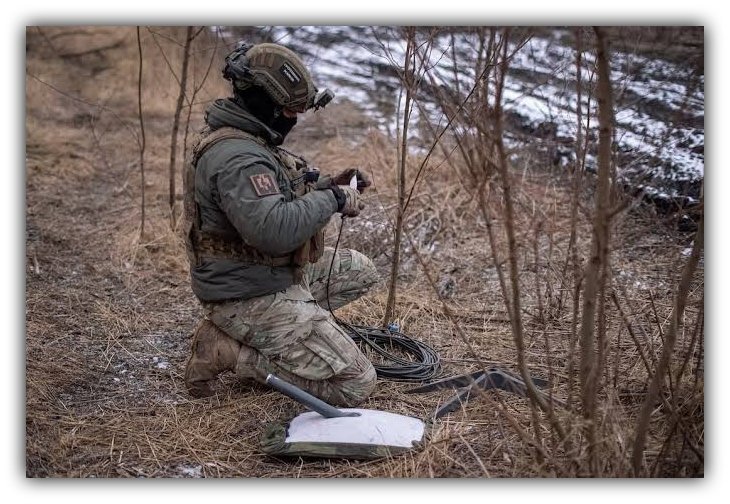
Ukraine said SpaceX imposed an overnight 100 mph speed limit on moving Starlink terminals using the military Starshield package, disrupting drone operations, communications, and logistics. Service was later restored, but Ukraine has not said whether the speed cap was fully removed.
Musk said Starshield is owned and controlled by the U.S. government, with any limits decided by the U.S. military and “ultimately POTUS.” A senior U.S. official denied Trump personally requested the restriction, but the White House has not named anyone else as responsible.
Trump had ultimate authority over Starshield because it is a U.S. government-controlled system and he is commander in chief. Whether he personally ordered the slowdown remains unanswered.
Moscow Gains, Ukraine Pays
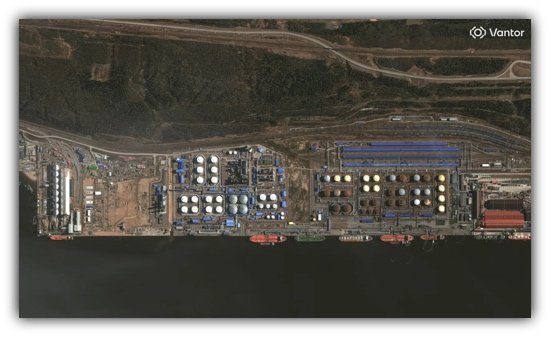
📸 Photo courtesy: Bloomberg
Trump announced that Russia would supply diesel to U.S. and global markets while pressuring Ukraine to stop striking Russian refineries. Ukraine’s president, Volodymyr Zelenskyy, rejected the arrangement, saying it would send money back to Russia to fund the war.
The combination gives Moscow two advantages: relief from attacks on its refineries and access to export revenue, while Ukraine loses at least temporary access to a system it needs for battlefield communications and drone defense.
Murkowski Leads the Pushback
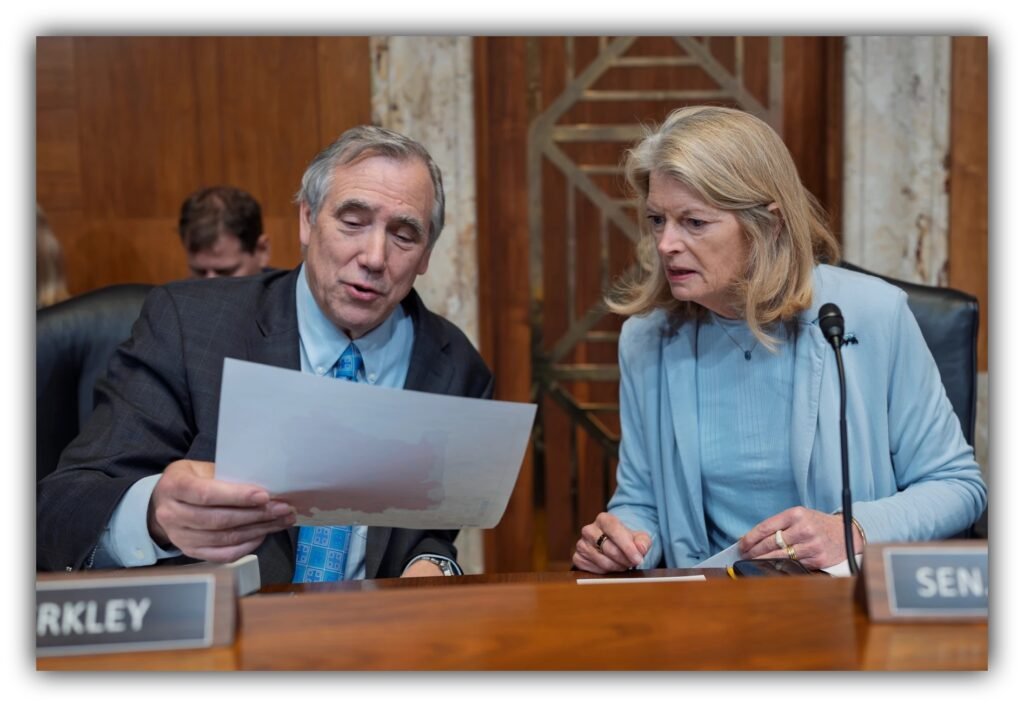
📸 Photo by J. Scott Applewhite for the Associated Press
Alaska Sen. Lisa Murkowski joined a bipartisan group of senators urging Trump to cancel the diesel deal, calling on the administration to “immediately reverse course.” She argued the arrangement conflicts with the 2022 law barring Russian energy imports until Russia ends its aggression against Ukraine.
Murkowski was among 12 senators, including six Republicans, who signed a letter calling the deal “a gift to our adversary and a betrayal of our allies.” They warned it would give Putin more revenue to finance the war while doing little to lower American fuel prices.
In the House, 22 Democrats and Republicans asked Trump to revoke the Treasury authorization for Russian diesel transactions and enforce the Russia sanctions law. Five Republicans signed that letter.
What It Means for Alaska
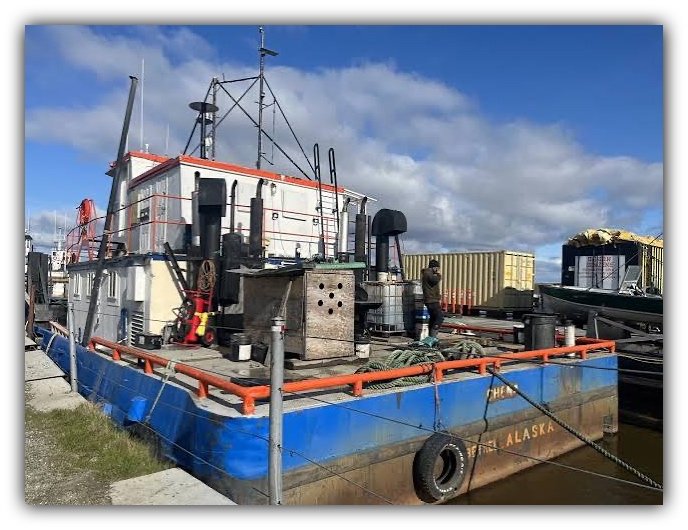
📸 Photo courtesy: Alaska Public Media
Alaska’s oil and gas industry has little to gain. The announced Russian diesel volumes are too small to meaningfully lower U.S. fuel prices, and Alaska’s costs are driven largely by refining, seasonal delivery, and the expense of serving remote communities.
Even if Russian diesel lowers a global benchmark, those savings may not reach Rural Alaska, where winter heating fuel averaged $6.49 per gallon in 92 unsubsidized communities in early 2026.
For Alaska producers, the bigger issue is policy: importing Russian energy undercuts the case for domestic production and refining. Murkowski’s opposition reflects that concern, even as the administration promotes Alaska natural gas development elsewhere.
The Unanswered Question
📸 Photo courtesy: Wikimedia Commons
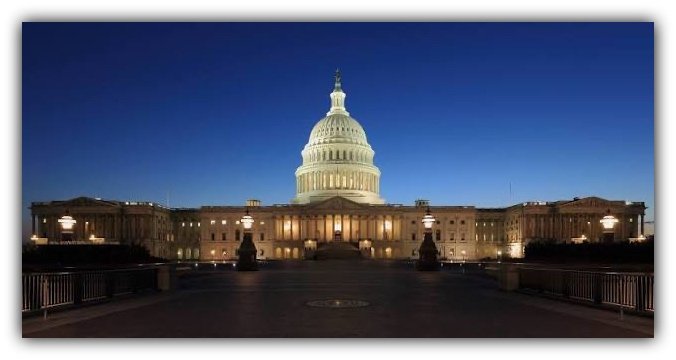
The Starshield slowdown and the diesel deal share a pattern: one restricts a wartime capability Ukraine needs, while the other eases economic pressure on the country invading it.
That does not prove Trump personally ordered the satellite restriction. But the administration’s refusal to identify who did, combined with its willingness to reopen Russian energy exports, has strengthened Moscow’s position while leaving Ukraine, Congress, and Alaska’s energy sector to absorb the consequences.
Sources
- Reuters, “Exclusive: Order to limit Starshield for Ukraine came from inside White House, sources say,” Oct. 15, 2026.
- Interfax-Ukraine, “SpaceX limits Starlink terminal speed in Ukraine overnight,” Oct. 14, 2026.
- Kyiv Independent, “Starlink service in Ukraine ‘restored,’ Defense Ministry source says,” Oct. 15, 2026.
- Elon Musk, post on X, Oct. 14, 2026.
- Reuters, “Ukraine’s resumption of strikes on Russian refineries is ‘disgrace,’ Trump says,” Oct. 16, 2026.
- Reuters, “What’s in the diesel deal between Putin and Trump?” Oct. 12, 2026.
- Reuters, “‘Gift to our adversary’: More Republicans balk at Trump’s Russia diesel deal,” Oct. 13, 2026.
- Sen. Richard Blumenthal, “Bipartisan Senators Call on Trump to Rescind Russian Diesel Deal,” Oct. 13, 2026.
- Alaska Public Media, “Murkowski, 5 other senators urge Trump administration to reverse Russian diesel plan,” Oct. 12, 2026.
- Politico, “Bipartisan House group urges Trump to enforce Russia sanctions, scrap diesel deal,” Oct. 15, 2026.
- Alaska Department of Commerce, Community, and Economic Development, “Alaska Fuel Price Report: Winter 2026.”
Stay informed. Stay inspired. Stay curious.
What do you feel about this post?

Like

Love

Happy

Haha

Sad