




Updated: Alaska’s Friday Five
Trump heads north, election drama heats up, glaciers send a warning, Denali reconnects, and some very smart birds call the shots.
It is Friday in Alaska, which means there is plenty to unpack before we head into the weekend. This week brought a presidential promise to campaign in Alaska, another twist in an already extraordinary election season, a sobering reminder that what happens in mountains halfway around the world can matter here, a long-awaited milestone at Denali, and, because every Friday Five needs a little feathered levity, some Alaska raptors learning that cooperation works better than coercion.
☕️ Here are five stories worth knowing before you pour that second cup.
1. Trump Is Coming to Alaska for Dan Sullivan
President Donald Trump says he plans to come to Alaska to campaign for Republican U.S. Sen. Dan Sullivan as the November election approaches.

White House photo.
Trump made the announcement during a Sept. 2 dinner with Republican members of Congress, saying he intends to campaign aggressively for candidates in competitive races. When he got to Alaska, he focused squarely on the unusual Senate matchup between incumbent Sen. Dan Sullivan and Petersburg Republican Dan J. Sullivan.
Trump argued that the shared name could cost the incumbent votes and said he wants to campaign for the senator in Alaska.
That matters because the race is already anything but ordinary.
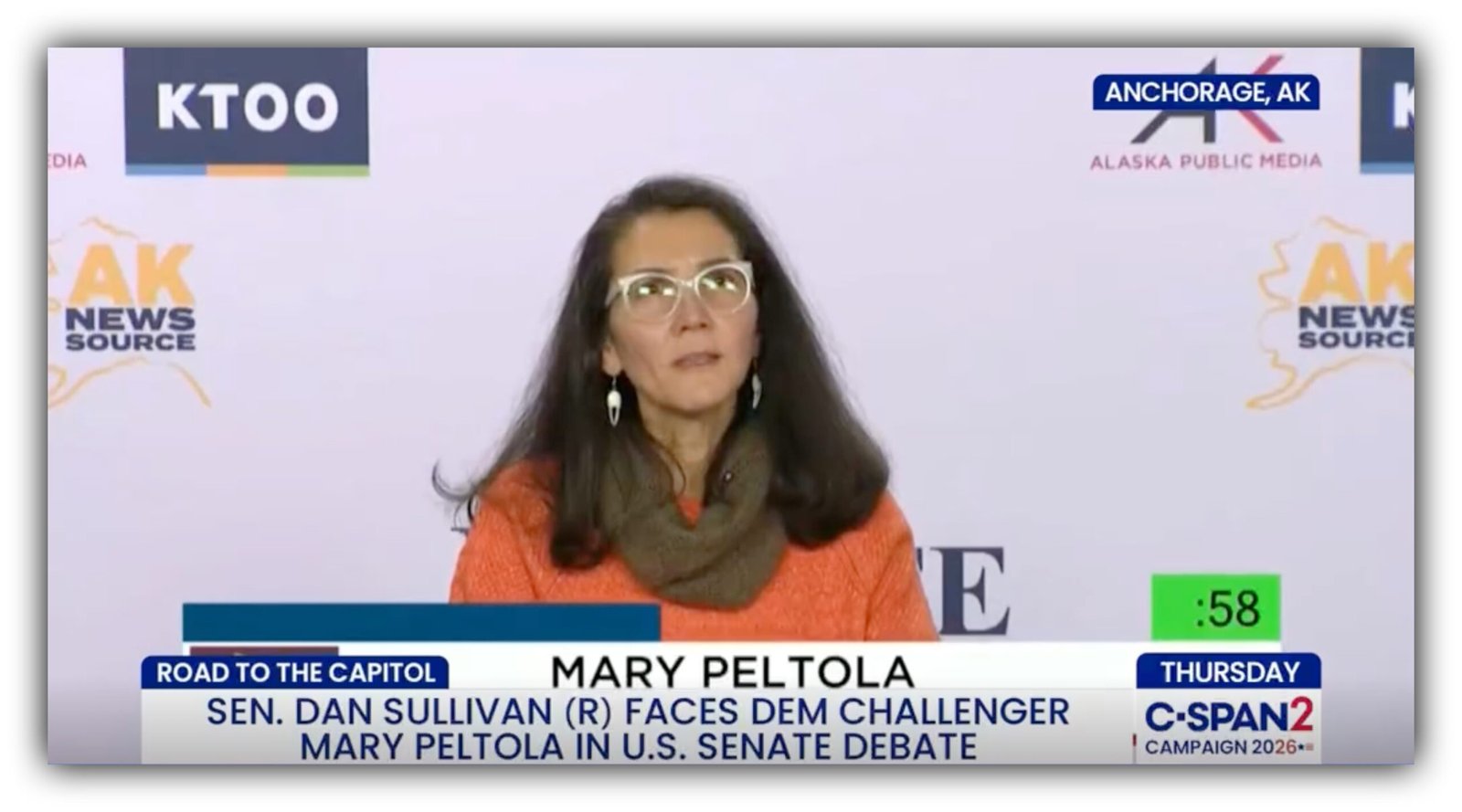
The Alaska Division of Elections certified the August primary results on Aug. 31. Democrat Mary Peltola led the field with 49.54% of the vote, followed by incumbent Dan S. Sullivan with 41.40%. Dan J. Sullivan received 2.47%, enough to advance to the November general election.
And yes, Alaska will have two Dan Sullivans on the U.S. Senate ballot.
The presidential visit could turn an already unusual Alaska Senate race into a national campaign stop. It also puts a giant spotlight on a state where every percentage point could matter.
White House
Alaska Division of Elections 2026 Official Primary Results
2. Update: Treg Taylor Is Back On The Ballot
Well, that didn’t last long.

Photo courtesy of Treg Taylor for Alaska Governor.
The price tag is substantial: about $230 million, funded through federal transportation, disaster supplemental and infrastructure dollars.
Just five days after Lt. Gov. Nancy Dahlstrom refused to certify Treg Taylor’s nomination for governor, she reversed course Friday night and ordered the Alaska Division of Elections to certify him for the November ballot.
The original decision followed a 4-1 recommendation from the Alaska Public Offices Commission, which found Taylor’s 2026 public official financial disclosure did not substantially comply with Alaska law within the required 30-day period. The dispute centered on missing or incomplete names of tenants who generated more than $1 million in rental income.
Now comes the plot twist.
The Division of Elections says the Alaska Department of Law conducted an initial, independent review of financial disclosures filed by candidates advancing to the general election. That review found “numerous potential discrepancies” between disclosures and public records. The Department emphasized that its review was preliminary and did not determine that any particular candidate violated the law.
Dahlstrom said that additional information raised questions about whether APOC’s recommendation could be applied consistently across the entire field of candidates. She said she would not withhold certification from Taylor and state House candidate Jose Tagle when she could not apply the same standard with confidence to all candidates.
That distinction matters: Dahlstrom did not declare Taylor’s disclosure compliant, and APOC’s underlying recommendation remains in place. Instead, she reversed the election-certification decision because she concluded the process did not provide enough confidence to exclude the candidates from the ballot.
The reversal also unwinds the unusual political shuffle created earlier in the week. Taylor’s running mate, Candi English, moves back to the lieutenant governor slot, while Taylor returns as the gubernatorial candidate. His wife, Jodi Taylor, is no longer on the ticket.
And there is another wrinkle. On Friday, Rep. Andrew Gray asked Acting Attorney General Cori Mills to prosecute Treg Taylor and Jodi Taylor over alleged financial-reporting violations. That is a request for prosecution, not a criminal charge or finding of guilt.
So the governor’s race has gone from four candidates, to three, to a Taylor-English replacement ticket, and now back to four.
Alaska politics apparently wasn’t finished rearranging the furniture.
- Lieutenant Governor Dahlstrom Will Certify Nominations of Treg Taylor and Jose Tagle
- Alaska Division of Elections: Treg Taylor Nomination Decision
- Alaska Department of Law
3. Nepal’s Glacier Disaster Sends a Message Alaska Shouldn’t Ignore
A catastrophic landslide and flood in Nepal has produced a grim lesson with an Alaska connection.
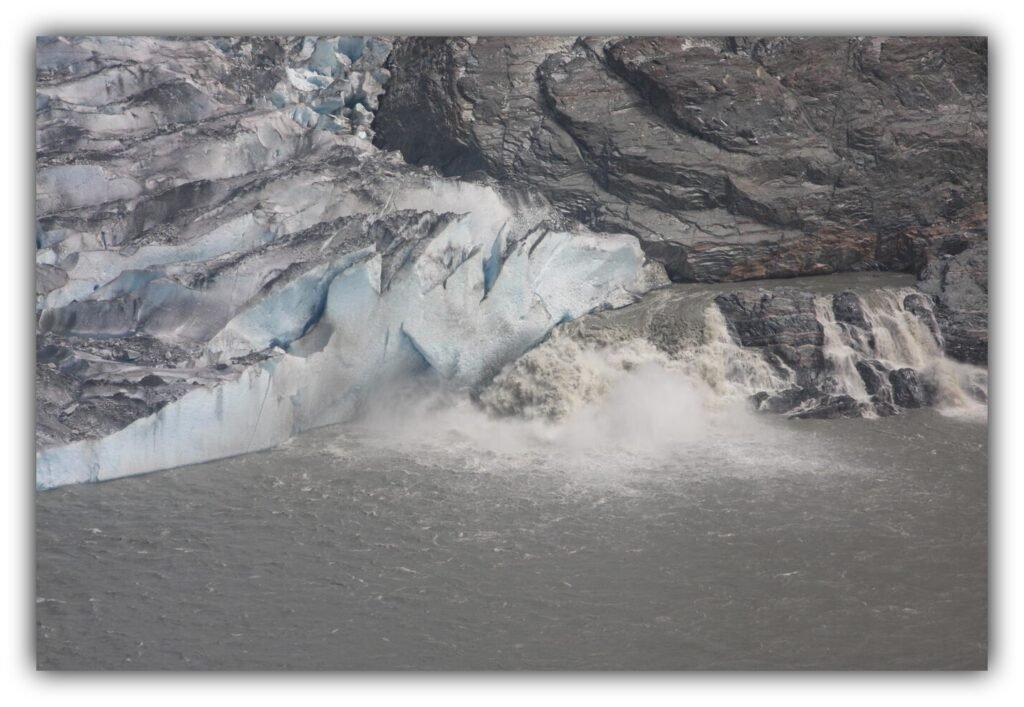
Photo: National Weather Service Juneau. Public domain.
The Alaska Earthquake Center reports that seismic waves from the massive Nepal event traveled across Alaska. Scientists are still working to determine precisely how much of the disaster resulted from a rock landslide, a glacier collapse, or the interaction of both.
The scale is difficult to comprehend. The U.S. Geological Survey says the slope failure involving glacier terrain generated energy equivalent to a magnitude 5.2 earthquake. The resulting debris flow and flood traveled roughly 100 kilometers, or about 62 miles.
But the Alaska connection isn’t simply that our instruments detected the event.
The physical ingredients sound familiar.
Alaska has glaciers, steep mountain terrain, landslides, rapidly changing permafrost and destructive outburst floods. Southeast Alaska has experienced extraordinary landslides, including the record-setting Lituya Bay event, while communities such as Juneau have dealt with dangerous glacier-related flooding.
The Alaska Earthquake Center says the Nepal disaster offers scientists a valuable calibration point for improving how quickly Alaska can estimate the size of landslides here.
In other words, the lesson isn’t Nepal happened, therefore Alaska is next.
It’s more useful than that: Mountain systems can change suddenly, and understanding those changes before they become disasters matters.
Alaska Earthquake Center: Nepal Landslide-Flood Lessons for Alaska
U.S. Geological Survey: 2026 Nepal Debris Avalanche and Flash Flood
4. Pretty Rocks Is Finally Pretty Remarkable
Five years after a landslide forced the closure of a critical section of the Denali Park Road, the Pretty Rocks Bridge is complete.
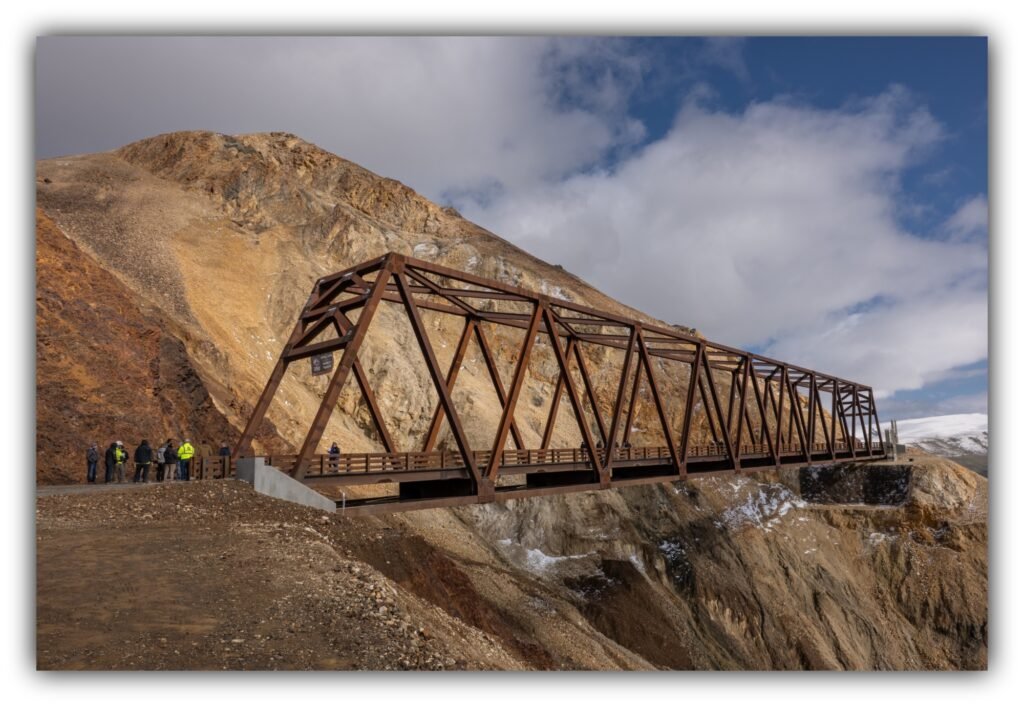
Completed September 2, 2026. NPS Photo.
The National Park Service and Federal Highway Administration celebrated the milestone Sept. 2.
The roughly 475-foot bridge spans the active landslide near Mile 45 of the Denali Park Road and reconnects the eastern and western portions of the road.
The engineering is equally remarkable.
The bridge was assembled on the east side of the landslide and launched across the unstable area before being lowered into its final position. It includes 23 thermosiphons, underground devices designed to help keep permafrost beneath part of the bridge frozen and stable.
But don’t pack the bus just yet.
Hikers and cyclists can now travel west of East Fork and across the new bridge. Bus service, however, will remain limited to East Fork for the rest of the 2026 season.
Full bus service along the Denali Park Road is expected to resume in 2027.
The Pretty Rocks story is more than a bridge story. It is also an engineering response to a landscape that is moving, thawing and changing beneath Alaska’s infrastructure.
And after five years, at least this chapter has a bridge at the end of it.
National Park Service: Pretty Rocks Bridge Complete
NPS Pretty Rocks Construction Updates
5. Anchorage Raptors Are Learning to Trust
And now, something considerably less apocalyptic.
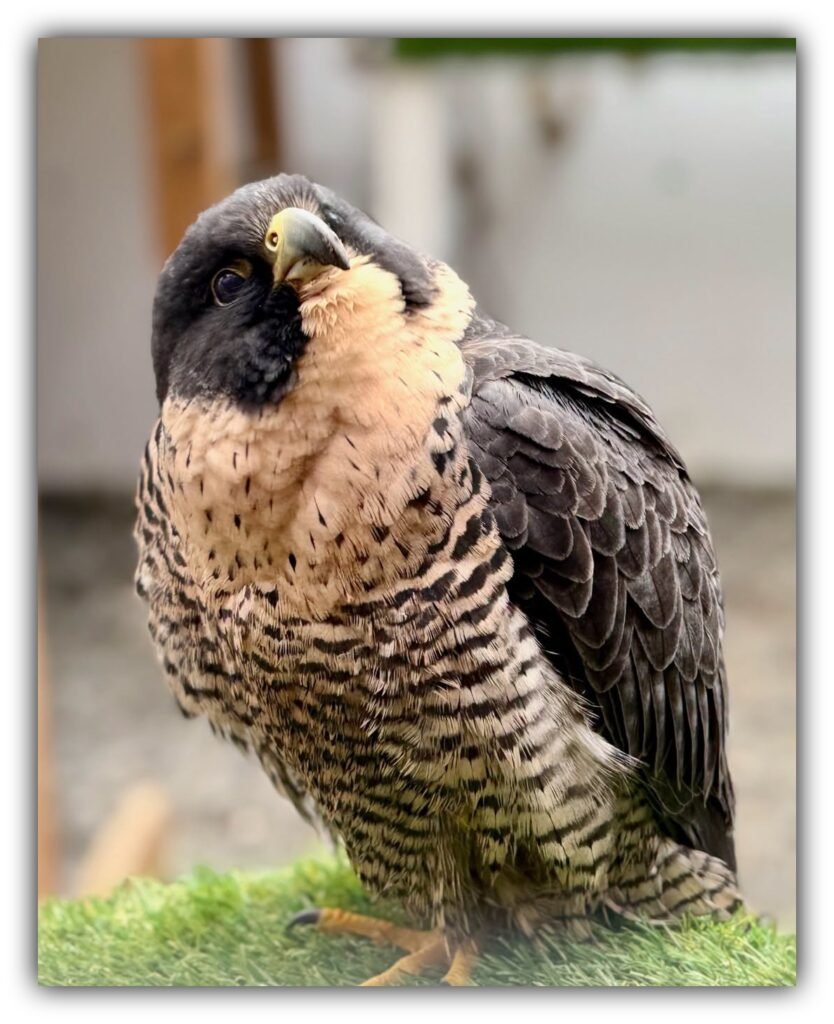
Bird Treatment and Learning Center in Anchorage is taking a different approach to working with its ambassador birds: Positive training.
Instead of relying on force, trainers work with the birds to build cooperation and trust. The center’s public programs feature birds including snowy owls Ghost and Frost, great horned owl Echo, bald eagle Culuk, peregrine falcon Breland, red-tailed hawk Keear, black-billed magpie Shavila and American crow Zahra.
The idea is simple but fascinating: the birds aren’t merely being handled for human entertainment. Trainers use species-specific behavior and positive reinforcement to teach the birds to participate in programs.
And Frost, one of the center’s snowy owls, has become one of the feathered stars of the operation.
That seems like a fitting Friday reminder from Alaska’s wildlife: sometimes the smartest way to get cooperation is to build trust first.
Bird Treatment and Learning Center: Public Programs
And That’s Alaska This Friday
Politics is getting louder, the mountains are reminding us who’s really in charge, Denali has a new bridge, and the birds may have the best management philosophy of them all:
Build trust, then take flight.
What do you feel about this post?

Like

Love

Happy

Haha

Sad