








🚨 Alaska’s Friday Five: Crashes, Crime, Ballots, Oil & AI
By Gina Hill | Alaska Headline Living | Friday, August 28, 2026
Good morning, Alaska. From a deadly plane crash in Seldovia to new crime numbers, an election still working its way through certification, a federal push for Alaska energy development and the growing question of what AI and data centers could mean for our power grid, here are the five stories worth knowing before you get on with your Friday.
✈️ Former Bethel Mayor Among Four Killed in Seldovia Plane Crash
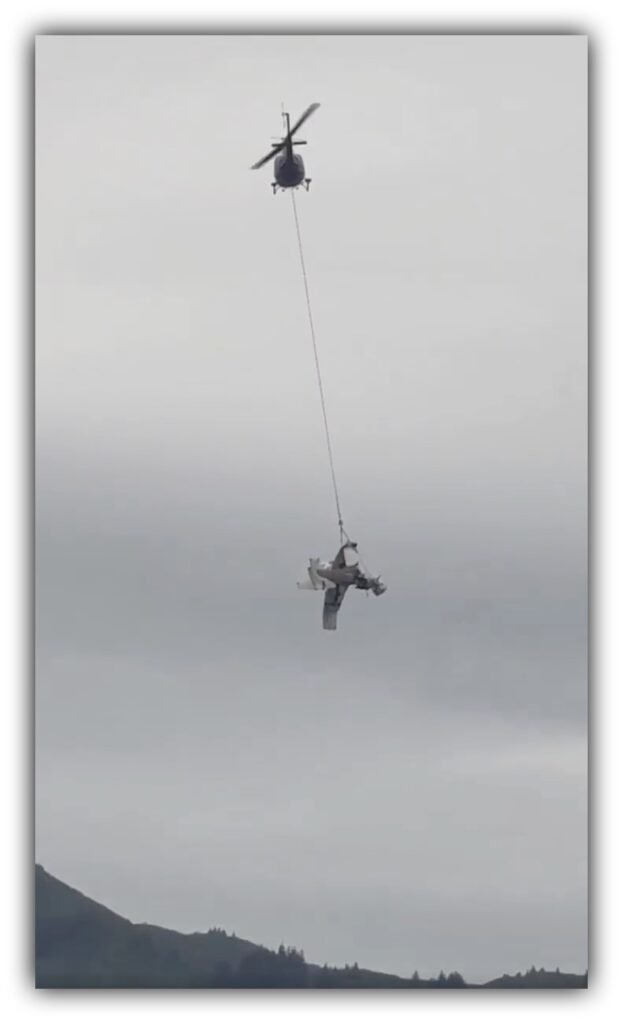
A former mayor of Bethel and longtime Alaska pilot is among four people killed when a Piper PA-24 crashed into the Seldovia Slough Wednesday afternoon.
Alaska State Troopers identified the pilot as Eric Middlebrook, 68, of Anchorage. The three passengers were Ronald Schmidt, 65; Lance Schmidt, 20; and Daniel Simons, 82, all from California. Troopers said next of kin have been notified.
Middlebrook was a familiar figure in Bethel, where he served on the city council and was selected as mayor. He also owned a commercial refrigeration business and was an experienced pilot who flew throughout the Yukon-Kuskokwim Delta for work, according to people who knew him. His work often took him to villages that are accessible primarily by air, making aviation a practical part of both his business and his life.
The Piper had departed Merrill Field in Anchorage for Seldovia. Troopers were notified of the crash at 1:18 p.m. Wednesday. The aircraft was completely submerged in the slough, and crews had to wait for the tide to recede before they could reach it. At about 6:30 p.m., four bodies were recovered from inside the aircraft and sent to the State Medical Examiner’s Office for autopsies.
The wreckage was subsequently recovered from the water, and the National Transportation Safety Board is investigating the cause of the crash. Officials have not determined what caused the aircraft to go down, so speculation should be avoided while that investigation is underway.
The Seldovia crash is also the second fatal aviation accident in Alaska in less than a week. Eight people were killed Aug. 20 when a charter aircraft crashed during a landing attempt at the Cape Newenham Long Range Radar Site in Southwest Alaska.
For a state where small aircraft connect communities that roads cannot, the back-to-back crashes are a sobering reminder of just how much Alaska depends on aviation..
🚔 Crime is Up Statewide and Anchorage is Driving the Increase

Alaska recorded a 7.2% increase in reported offenses in 2025 compared with 2024, according to the Alaska Department of Public Safety’s new Crime in Alaska report. But the statewide number masks a striking divide between Anchorage and areas primarily covered by Alaska State Troopers.
Reported offenses handled by the Anchorage Police Department increased 14.6%, including a 19.4% increase in property crime and a 1.2% increase in violent crime.
Outside Anchorage, the picture was considerably different. Offenses reported by the Alaska State Troopers fell 5.9%, with property crime down 6.8% and violent crime down 5.0%.
The increase also wasn’t spread evenly across Alaska’s major crime categories. DPS reports that every Part I crime category except murder and rape had more offenses reported in 2025 than in 2024. Those categories include robbery, aggravated assault, burglary, larceny, motor-vehicle theft and arson.
There is also important long-term context: despite the one-year increase, DPS says overall reported crime has declined 36.9% since 2018.
The report is based on data from 32 Alaska law-enforcement agencies representing 99.6% of the state’s population. DPS cautions that year-to-year comparisons require some care because the report counts offenses according to when they were reported, not necessarily when the crime occurred. For example, a burglary committed in November but discovered and reported in February would be counted in the later year’s statistics.
What Anchorage is doing about it:
The new numbers arrive as Anchorage Police Chief Sean Case is seeking nearly $599,000 for the department’s Real Time Crime Center, a technology hub APD uses to help officers access and analyze information while responding to crimes and emergencies.
The proposed $598,998.10 expenditure would fund an audiovisual system for the center, including video displays, sound equipment and video-processing technology. The request is primarily tied to moving the RTCC into its permanent location and accommodating the staff APD plans to place there. The money would not purchase new cameras or other surveillance technology.
APD says the Real Time Crime Center can help officers pull together information from multiple sources, including cameras and other technology, to assist with investigations and real-time responses.
But the investment is also raising questions about privacy, surveillance and how the technology should be governed. Anchorage is considering rules governing the use of the department’s real-time crime and license-plate-reader systems, putting the proposed spending alongside a broader debate over how much technology police should use and what limits should apply.
That makes the timing of the crime report particularly interesting. Anchorage is the part of Alaska where reported crime rose most sharply, and it’s also the part of the state where police are seeking additional resources for technology designed to help fight it.
The statewide headline may be that crime rose 7.2%. The more revealing story is the split underneath it: reported offenses climbed sharply in Anchorage while they declined in areas covered by the State Troopers. Now Anchorage officials are weighing how much more to invest in policing, technology and public safety.
🗳️ Alaska’s Primary Election Isn’t Completely in the Rearview Mirror

Alaska’s Aug. 18 primary is over, but the election process is still moving.
The Division of Elections continues to update its 2026 primary results, with the latest official election summary showing 401 of 403 precincts reporting, or 99.50%, in the U.S. Senate contest.
The Division’s election calendar lists Aug. 31 as an important date in the post-primary process, while candidate withdrawal deadlines also remain part of the election calendar.
For voters, the takeaway is simple: don’t treat every close race as permanently settled yet.
Alaska uses a Top Four primary system, meaning the four candidates advancing from a primary contest move on to the general election.
🛢️ Alaska’s Energy Future Gets Another Big Federal Push
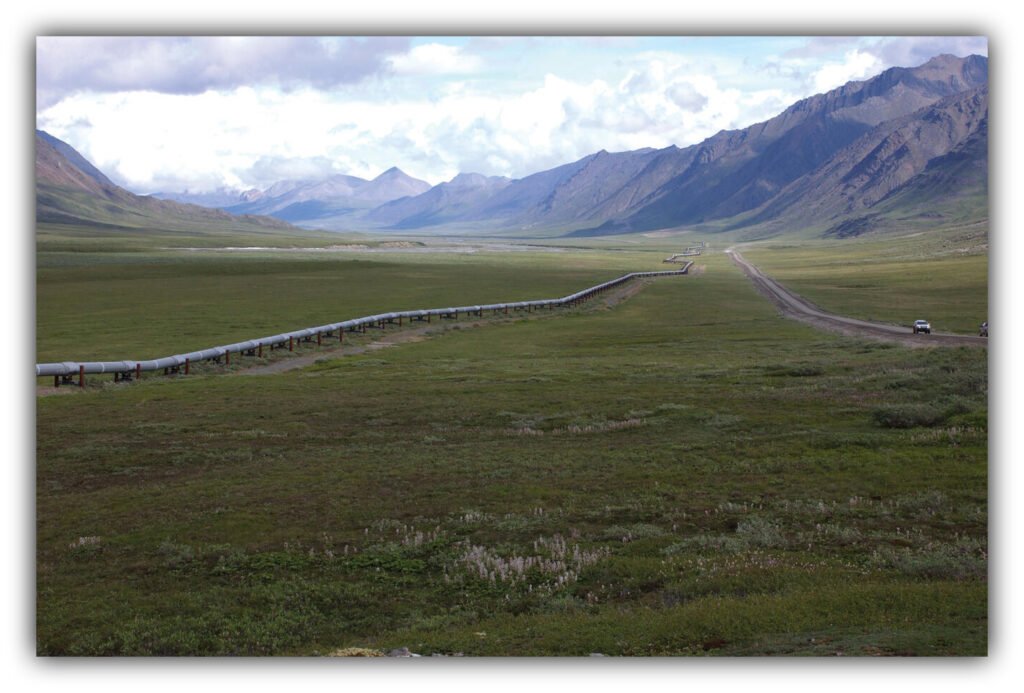
Energy Secretary Chris Wright headlined the Alaska Oil and Gas Association’s annual conference in Anchorage Thursday, putting federal support for Alaska resource development squarely back in the spotlight.
The conference agenda shows Wright delivering the keynote luncheon and participating in an Alaska energy discussion alongside Gov. Mike Dunleavy, Sen. Dan Sullivan and Rep. Nick Begich.
The broader message from the conference is significant for Alaska: oil and gas development remains a central part of the state’s economic strategy, while Alaska simultaneously faces the need to address energy costs, infrastructure and future demand.
The administration has also continued promoting projects such as Alaska LNG and expanded resource development.
For Alaska, this isn’t just an oil-field story. It is a question about jobs, state revenue, energy prices, infrastructure and how the state intends to power its next economic chapter.
🤖 Data Centers Land on Alaska’s Municipal Agenda
Data centers aren’t just a Silicon Valley conversation anymore.
The Alaska Municipal League put the subject directly on its agenda Thursday during its 2026 Summer Legislative Conference in Fairbanks. A session titled “Hit Me with Your Best Bot: A Discussion on Data Centers” brought together municipal, state and utility officials, including representatives from the Alaska Department of Natural Resources, Golden Valley Electric Association and the Municipality of Anchorage.
That’s important because the data-center question quickly becomes an Alaska infrastructure question:
Where does the electricity come from? Who pays for the additional infrastructure? What happens to local utilities and rates? And what do communities actually gain from hosting large computing facilities?
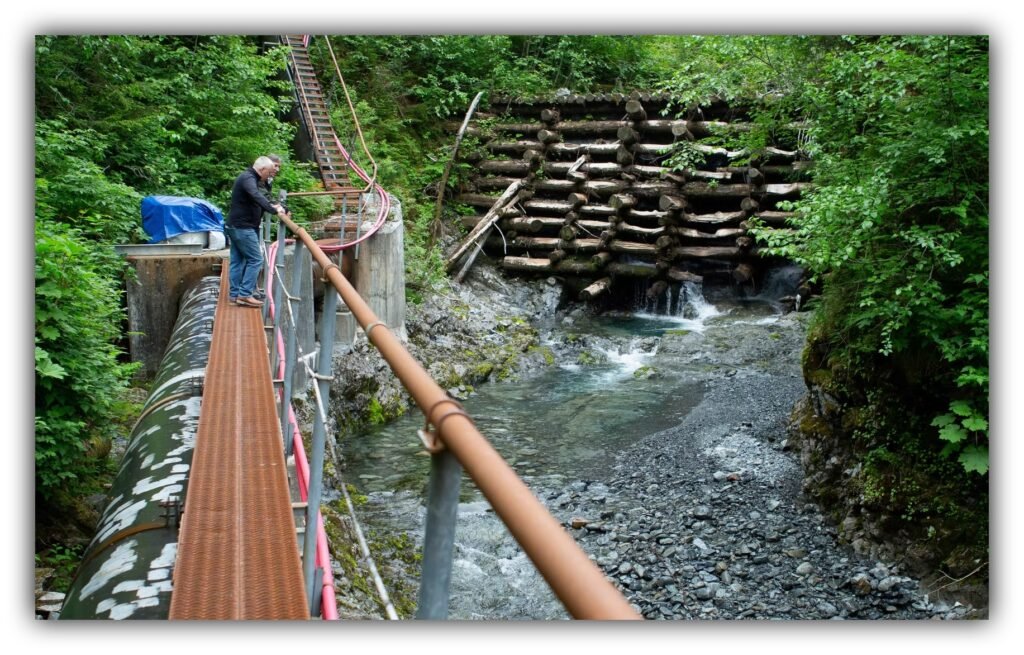
At the same time, the University of Alaska Fairbanks is leading a $725,000 U.S. Department of Energy-supported project examining how artificial intelligence can strengthen rural Alaska power grids.
The two developments point toward the same larger issue: Alaska is going to have to think carefully about how it produces, moves and manages electricity as technology and industrial demand change.
The Alaska Takeaway
Five very different stories are converging on one larger theme:
Alaska is being asked to manage growth while dealing with some very old problems.
Aviation safety remains critical in a state dependent on small aircraft. Crime remains a major public concern despite the long-term decline. Election results are still being finalized. Energy development is again receiving strong federal backing. And communities are beginning to confront the infrastructure demands of an increasingly digital economy.
Five stories. One Alaska. And a whole lot of change happening beneath the headlines.
Sources
Federal Aviation Administration
FAA Aviation Accident and Incident Data
Alaska Department of Public Safety
2025 Crime in Alaska Report
Alaska Division of Elections
2026 Election Results
Alaska Oil and Gas Association
2026 Conference Agenda
U.S. Department of the Interior
Alaska LNG Pipeline Permits
Alaska Municipal League
2026 Summer Legislative Conference Agenda
University of Alaska Fairbanks
UAF News and Information: AI project for rural power grids
What do you feel about this post?

Like

Love

Happy

Haha

Sad