







Why Gas Prices Are Not Controlled by the President
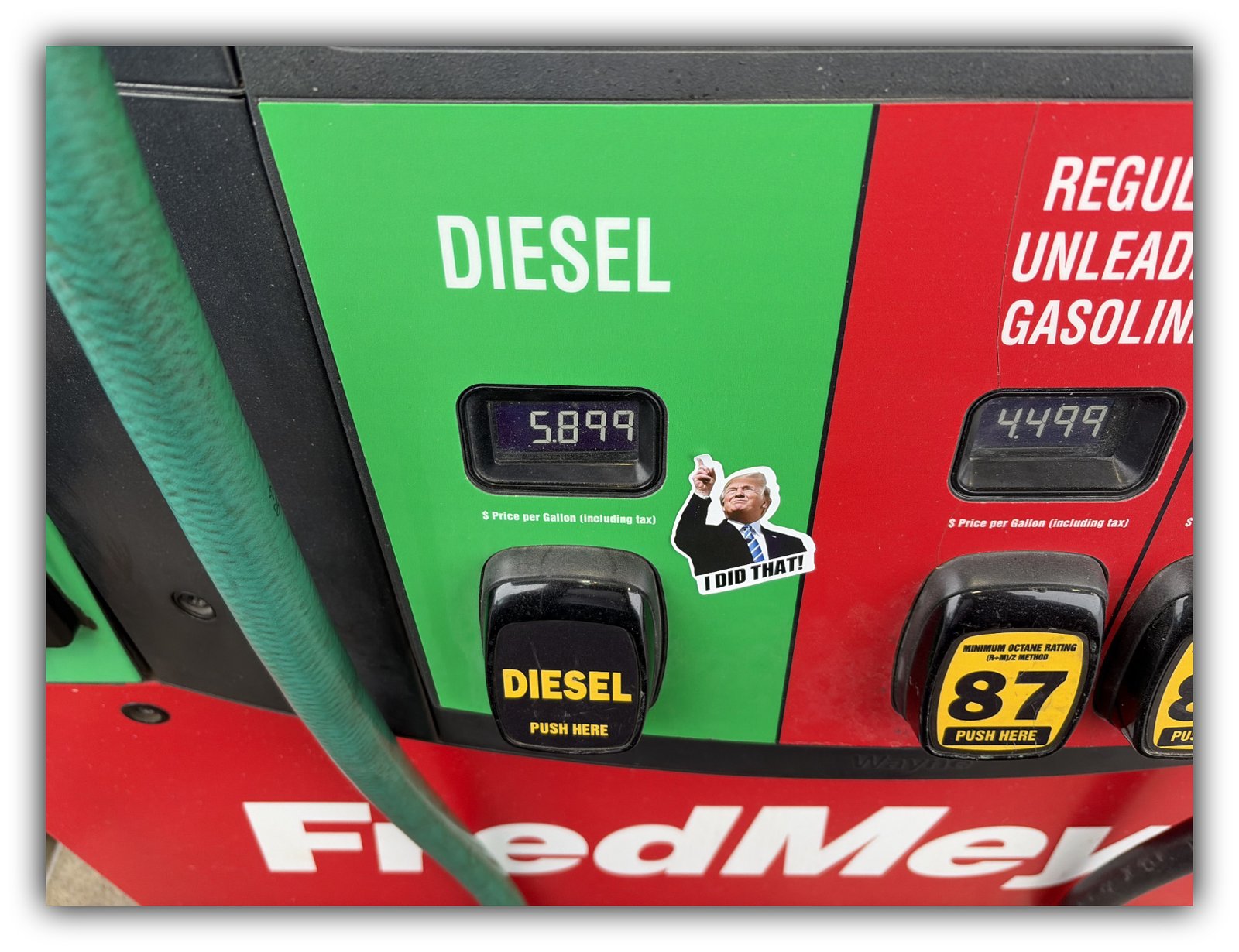
Wasilla pump prices reflecting a global energy system in real time. Alaska Headline Living ©
Gas prices are shaped by a global system. Not any single leader.
By Gina Hill | Alaska Headline Living | April 14, 2026
Gas prices are not set by the White House. They are not controlled by one political party, one election cycle, or one individual leader. Yet every time prices rise, social media fills with claims blaming the sitting president, regardless of who it is.
The reality is more complex, global, and mechanical than political narratives suggest. Gas prices are the outcome of a worldwide energy system that operates continuously, across borders and time zones, in real time.
What Actually Sets the Price at the Pump
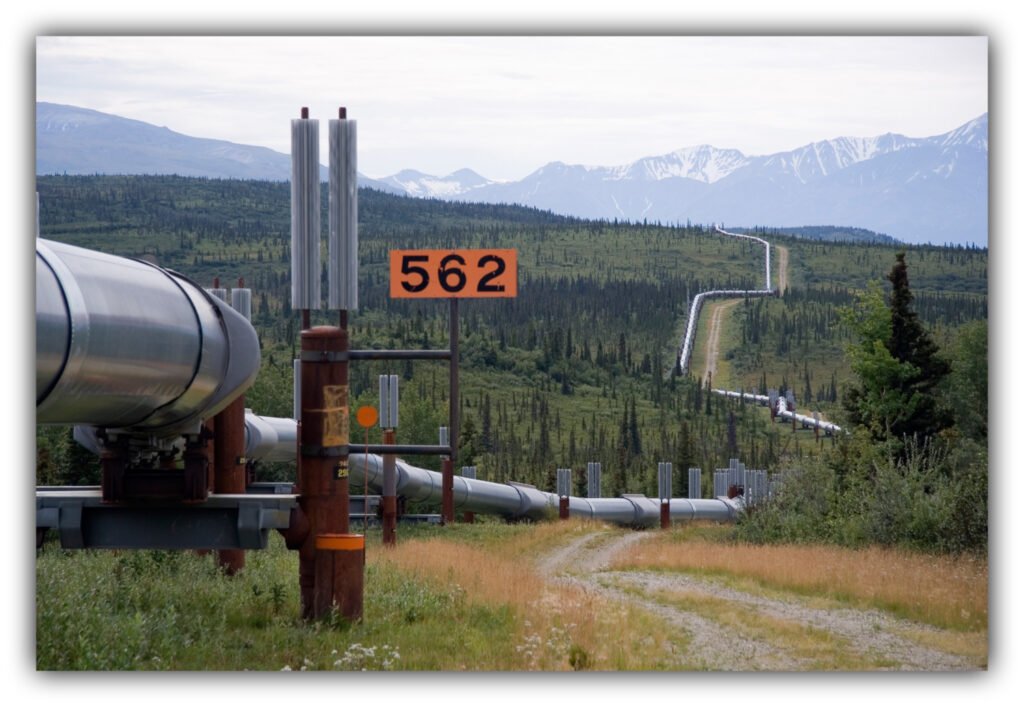
The largest factor in gasoline prices is crude oil. Crude oil is a globally traded commodity, meaning its price is determined on international markets rather than within any single country. When the global price of oil rises, gasoline prices in the United States eventually follow. When oil prices fall, gas prices tend to follow as well.
But crude oil prices themselves are shaped by a wide range of global forces. These include production levels from major exporting nations, decisions made by OPEC+, refinery capacity and maintenance, transportation and shipping costs, seasonal demand shifts, and taxes that vary by state.
Because all of these factors operate at once, gasoline prices reflect a constantly changing global balance rather than a single policy decision.
Why Prices Can Spike So Quickly
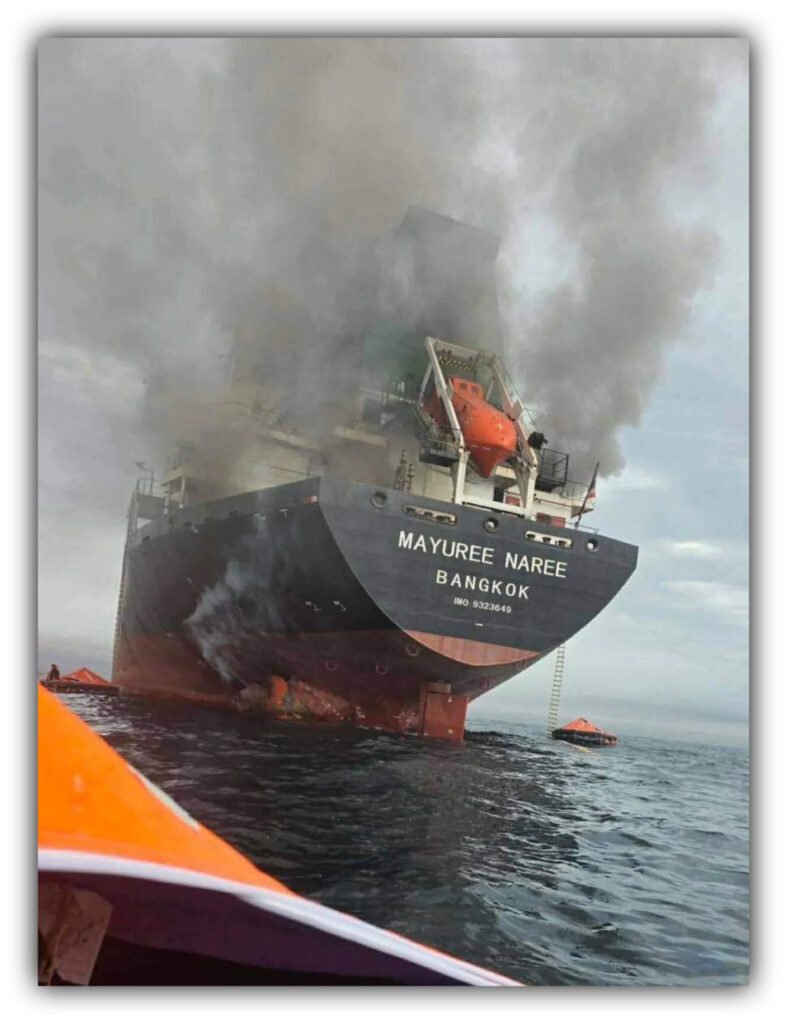
One of the most misunderstood parts of gas prices is how fast they can change. People often assume prices move slowly in response to policy, but global oil markets react in real time.
Oil is traded internationally every second of every day. That means prices are constantly adjusting based not only on what is happening now, but what markets expect could happen next. If traders believe there is a risk that supply could be disrupted, even before any shortage actually occurs, prices can rise immediately.
This is where global events become important. When key shipping routes like the Strait of Hormuz are threatened or disrupted, markets do not wait for outcomes. They adjust pricing based on risk. Even uncertainty in a major chokepoint can increase the cost of crude oil, which eventually filters down into gasoline prices.
The result is what people experience at the pump: Sudden increases that feel disconnected from anything local, but are actually driven by global risk being priced into the system.
That same pattern is why prices can rise and fall under every administration. The system reacting to risk is constant, even when political leadership changes.
What Presidents Do and Do Not Control
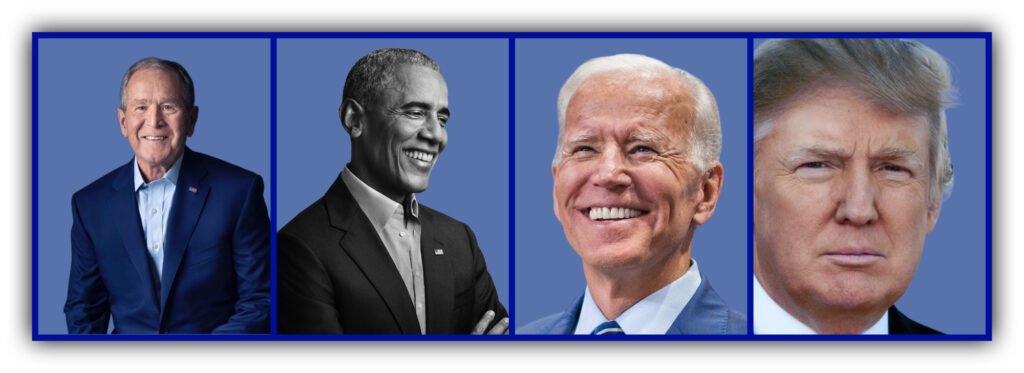
This is where a lot of confusion starts. When gas prices move, people naturally look at whoever is in office at the time. That creates the impression that one president is responsible for the change. But timing is not control.
The collage of past and current presidents makes an important point visually: gas prices rise and fall under every administration. From George W. Bush to Barack Obama to Joe Biden and Donald Trump, each presidency has experienced both high and low fuel prices. That pattern reflects a global system that continues regardless of who is in office.
Presidents do have tools that can influence energy conditions over time. They can shape federal leasing policy, influence regulations, use strategic reserves in emergencies, and affect sanctions that change global supply flows. Those actions can matter, but they work indirectly and over time.
However, presidents do not:
- Set gasoline prices
- Control global oil production
- Determine refinery output
- Directly influence daily pump prices
Even when policy has an impact, it moves through global markets before reaching consumers. Oil is priced internationally, refined regionally, and distributed through complex supply chains that no single leader controls in real time.
Political Posts Don’t Change the Way Prices Work
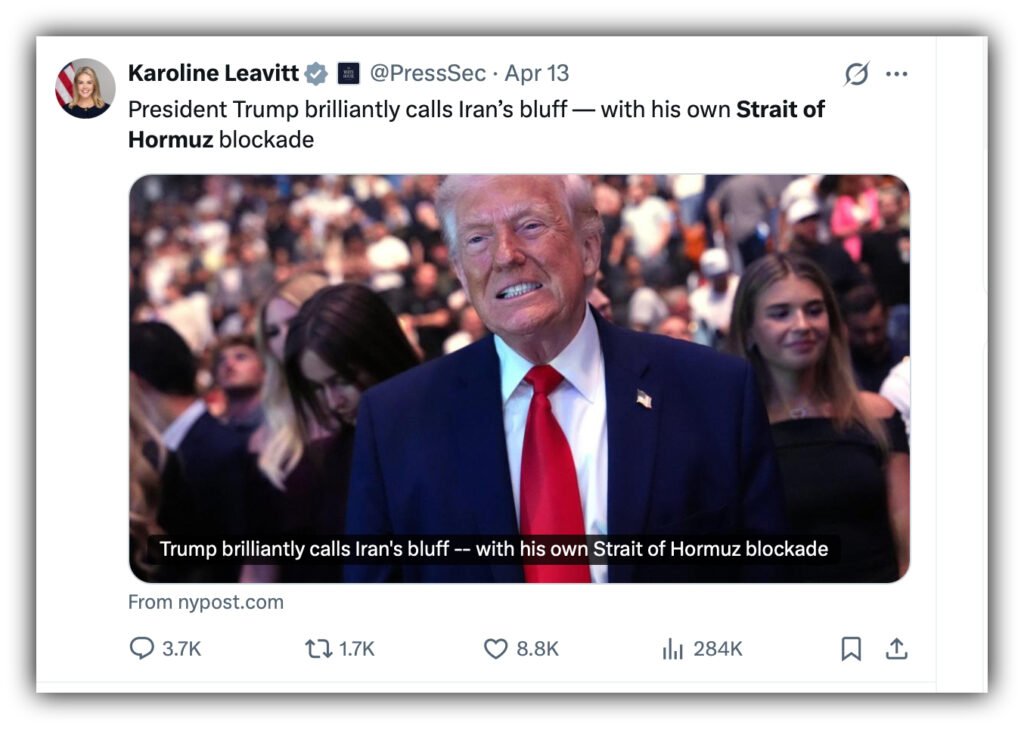
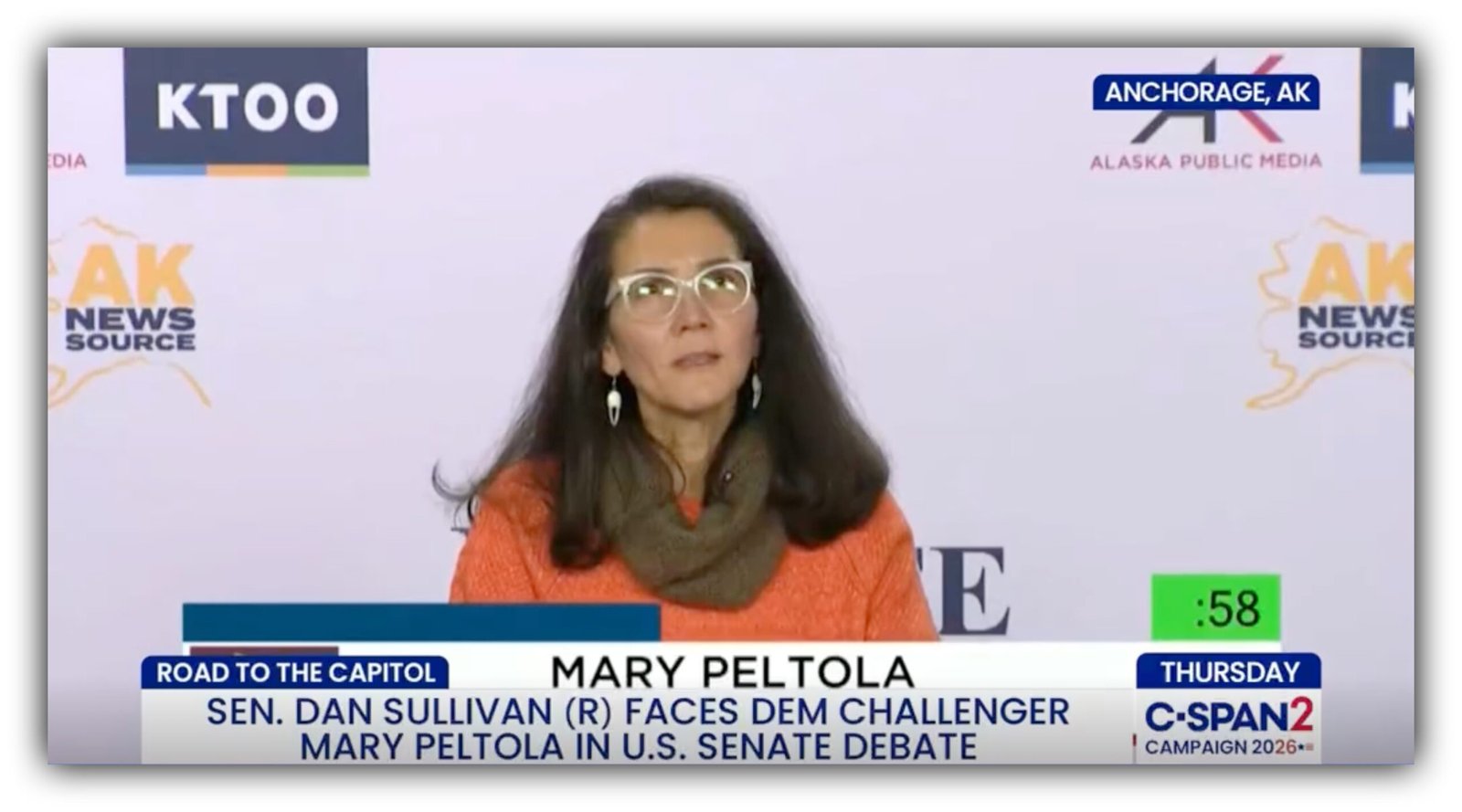
Posts like this are a good example of how global events are often framed in political terms on social media. They present strategy, outcomes, or intent, but they do not determine how fuel prices are set.
Oil markets do not respond to political language or opinion. They respond to real-world conditions such as supply disruption risk, shipping stability, insurance costs, and global demand for crude oil. When a major chokepoint like the Strait of Hormuz is involved, even uncertainty can immediately affect prices.
That means fuel prices move based on how markets interpret risk, not how events are described in posts, headlines, or political messaging.
The Bottom Line
What you pay at the pump isn’t decided in a speech, post, or headline. It is determined by a global system no single leader controls: oil produced, shipped, traded, refined, and priced in real time across the world.
That is why prices move even when nothing changes in your town, and why they rise and fall under every president. The pump reflects global supply, demand, and risk, not political blame.
If you see posts blaming presidents, here is a simple reply you can use:
⛽️ Gas prices are determined by global markets reacting to supply, demand, and geopolitical risk. No single leader controls the price at the pump.
#GasPrices #Economy #EnergyMarkets #OilPrices #FuelCosts #FactCheck #EnergyPolicy #AlaskaNews #GlobalMarkets #ExplainTheSystem
Sources
This article is based on publicly available information about global oil markets, energy infrastructure, and geopolitical risk factors affecting supply and pricing.
- Wikimedia Commons – Trans-Alaska Pipeline image (I, Luca Galuzzi, CC BY-SA 2.5)
- U.S. Energy Information Administration (EIA) – Petroleum & Gasoline Market Data
- Organization of the Petroleum Exporting Countries (OPEC) – Production and Supply Reports
- International Energy Agency (IEA) – Global Energy Market Analysis
- Associated Press (AP) – Reporting on global energy supply, shipping, and geopolitical disruptions
- Reuters – Coverage of oil markets, supply chain disruptions, and pricing volatility
- National Energy Information and market structure research on refining, transportation, and distribution systems
What do you feel about this post?

Like

Love

Happy

Haha

Sad