







Alaska Senate Passes Youth Mental Health Bill
Sen. Elvi Gray-Jackson, Anchorage Democrat and sponsor of Senate Bill 41, which passed the Alaska Senate and now advances to the House. 📸 Friends of Elvi Gray-Jackson
SB 41 advances to the House as lawmakers push school-based mental health education amid ongoing concerns about youth suicide rates.
By Gina Hill | Alaska Headline Living | April 14, 2026
Juneau, Alaska – Alaska has one of the highest youth suicide rates in the nation. Lawmakers say a new bill aimed at expanding mental health education in schools is part of the response.
The Alaska State Legislature Senate has passed Senate Bill 41, sending the measure to the House for further consideration.
The bill, sponsored by Sen. Elvi Gray-Jackson, seeks to introduce early education focused on mental health awareness, coping strategies, and suicide prevention for students. Supporters say the goal is to help students recognize emotional challenges early and reduce stigma around seeking help.
“I’m incredibly proud to stand here today following the passage of SB 41 on the Senate floor,” Gray-Jackson said in an April 10 statement from the Senate Majority. “When we work together and focus on positive outcomes for our youth, we are investing not only in their well-being today, but in the strength and health of future generations.”

The measure now moves to the House of Representatives, where it will be formally referred to one or more committees for public hearings, detailed review, and potential amendments before it can advance to the House floor for a vote.
A companion version of the legislation was previously introduced in the House by former state Rep. Ivy Spohnholz (D-Anchorage), who represented District 16 in the Alaska Legislature from 2016 to 2022. During her time in office, Spohnholz served in key leadership and committee roles, including work on health, labor, and commerce issues, and was involved in advancing multiple bills related to health care access and public health policy. Her earlier legislative work included efforts focused on improving health system transparency and expanding access to care, aligning with broader policy discussions around youth wellness and mental health education in Alaska schools.
That earlier effort did not advance into law, but it helped establish a policy framework that continues to resurface in current legislative discussions.
Supporters of school-based mental health education have pointed to similar proposals in past sessions as evidence of sustained interest in addressing student well-being through early intervention.
As SB 41 enters the House process, lawmakers are expected to revisit many of the same structural questions raised in earlier versions, including implementation, funding, and instructional standards.
Key Questions Remain as Bill Advances
But beyond its broad goals, the bill leaves important details unresolved.
The Senate Majority release does not specify whether mental health instruction would be taught as a standalone curriculum or integrated into existing health classes. It also does not clarify whether requirements would be uniform statewide or shaped by local school districts.
Grade-level implementation has not been defined, leaving unanswered when students would begin receiving instruction and how lessons would be structured over time.
Funding and implementation details also remain unclear. No updated information has been released regarding potential costs to districts, teacher training requirements, or the role of the Alaska Department of Education & Early Developmentin setting or overseeing standards.
Those questions are typically addressed later in the legislative process, particularly during House committee hearings where amendments, fiscal notes, and agency input are introduced.
What Comes Next
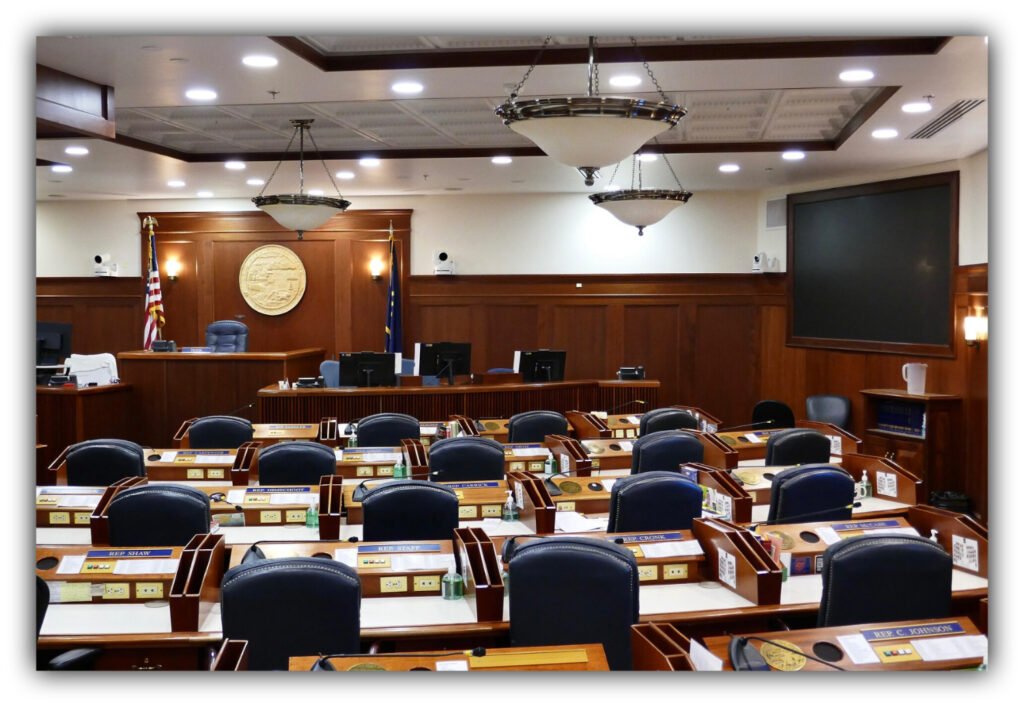
As SB 41 moves through the House, those unanswered questions are expected to shape the next phase of debate, especially in committee hearings where lawmakers will dig into how the policy would actually work in classrooms. That includes what students would be taught, when those lessons would begin, how teachers would be trained, and whether every school in Alaska would follow the same approach or have local flexibility.
For parents, that means the idea of mental health education is moving closer to reality, but the details that will determine what their children actually experience in school are still being written. Until then, the bill sets a broad direction for expanding mental health education in Alaska schools, while the specific structure, requirements, and funding have yet to be defined.
What do you feel about this post?

Like

Love

Happy

Haha

Sad