




Bose Speaker Recall: Is a Fire Hazard Hiding in Your Sound System?
Nearly 635,000 battery packs recalled after reports of melting, smoke and fires. Bose is offering free replacements, but owners need to check their batteries now.
Your favorite portable speaker may be ready to bring the music to your next gathering, but before you turn up the volume, there’s something you should check: its battery pack could overheat, melt or even catch fire.
Bose is recalling approximately 634,759 lithium-ion battery packs used in its S1 Pro and S1 Pro+ portable Bluetooth speaker systems after receiving seven reports of batteries melting, producing smoke or catching fire. Six of those incidents involved property damage.
No injuries have been reported, but the potential fire hazard is serious enough that consumers are being told to stop using the affected batteries immediately.
The recall was announced November 5, 2026, and includes approximately 35,400 additional battery packs sold in Canada.
Which Bose Products Are Affected?
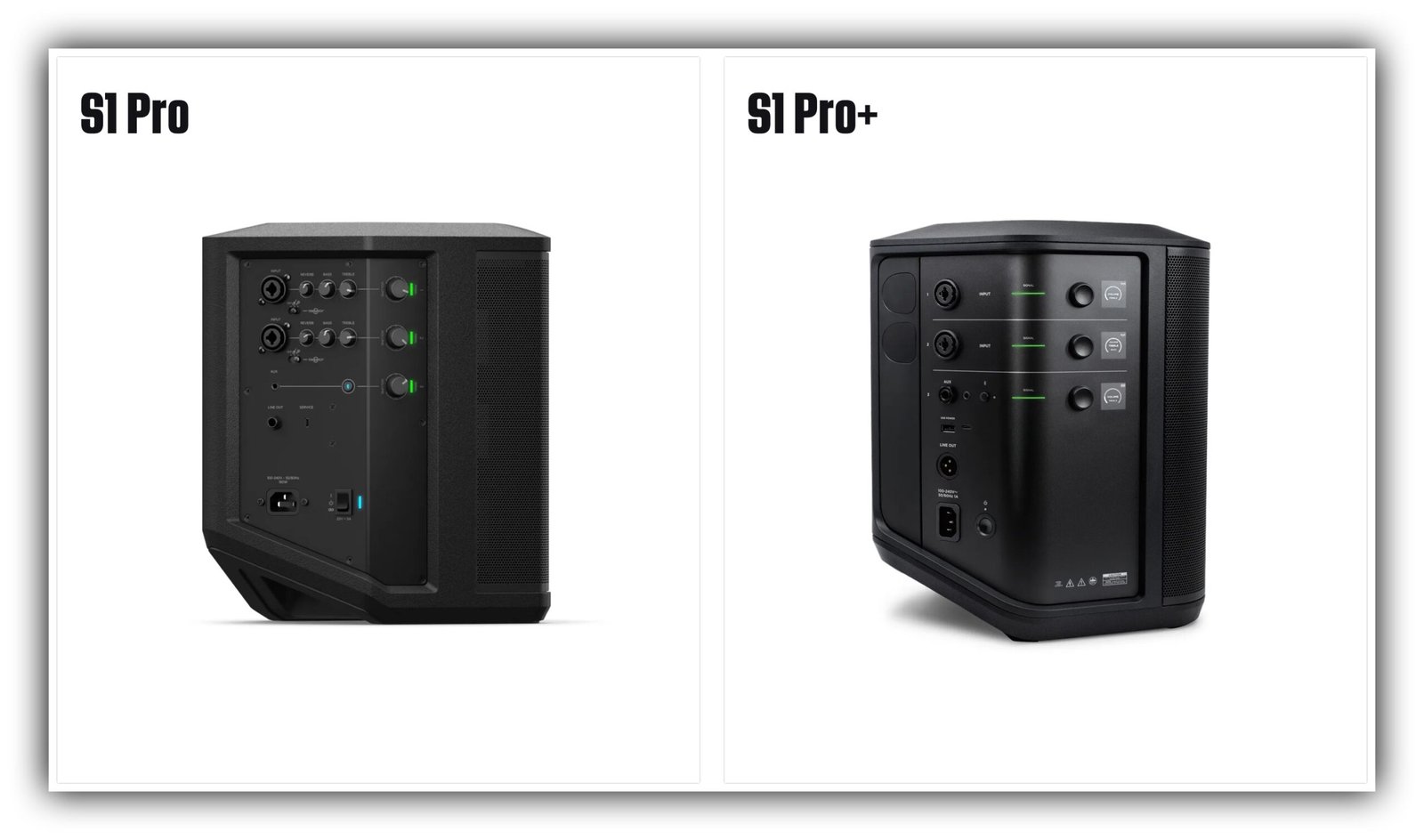
The recall involves rechargeable lithium-ion battery packs designed for two portable speaker systems:
- Bose S1 Pro Portable Bluetooth Speaker System
- Bose S1 Pro+ Portable Bluetooth Speaker System
The affected battery packs were sold both with the speaker systems and separately as accessories or replacement parts.
Here’s an important distinction: Bose is recalling the battery packs, not the entire speaker systems.
If you own one of these speakers, you don’t necessarily have a problem. Only battery packs with specific serial number prefixes are included in the recall.
Individual battery packs sold for approximately $100 to $160. Speaker systems bundled with the battery packs retailed for approximately $700.
The products were sold nationwide at Bose, Best Buy and other retail stores and distributors. Online sellers included Amazon, Bose, Best Buy, Walmart and other websites.
The sales period ran from December 2017 through July 2026.
How to Tell If Your Battery Is Recalled
Here’s where you need to pay attention.
Turn over the battery pack and look for its 17-digit serial number on the label at the bottom.
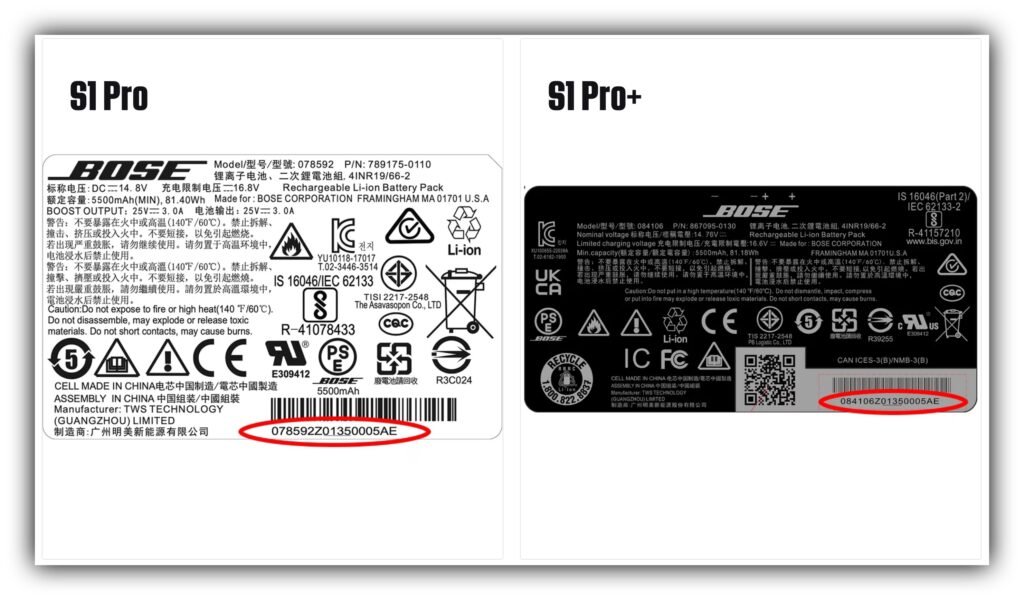
If the serial number begins with any of these seven six-digit sequences, your battery pack is included in the recall:
- 083723
- 078352
- 084105
- 078591
- 078592
- 084106
- 086409
If your battery’s serial number starts with one of these sequences, stop using it immediately.
And don’t confuse the speaker’s serial number with the battery’s. They are two separate numbers. Bose needs the 17-digit serial number printed on the battery pack itself.
What Should You Do If You Have an Affected Battery?
Bose is offering consumers a free replacement battery pack. Here’s what to do:
1. Stop using the battery immediately.
If the affected battery is installed in your S1 Pro or S1 Pro+ speaker, remove it before using the system again. Do not continue operating or charging the recalled battery.
2. Request your free replacement.
Visit Bose’s Start a Repair or Replacement page and enter the battery pack’s 17-digit serial number to request a replacement.
Bose notes that online replacement requests are not available in every region. If the page isn’t available to you, contact Bose customer support for assistance.
3. Dispose of the recalled battery safely.
Follow your local requirements for disposing of recalled lithium-ion batteries. More on that important step below.
There’s some good news for music lovers: You don’t have to retire your entire speaker system.
Once the recalled battery has been removed, you can continue using your Bose S1 Pro or S1 Pro+ speaker while it is connected to AC power without the battery installed.
Don’t Toss That Battery in the Trash!
This warning deserves special attention.
Do not throw the recalled battery in your household trash, curbside recycling bin or the used-battery collection boxes commonly found at retail and home improvement stores.
Recalled lithium-ion batteries require special handling because they present an increased risk of fire.
Your local municipal household hazardous waste (HHW) collection center may accept the recalled battery, but call ahead before taking it in. Specifically ask whether the facility accepts recalled lithium-ion batteries.
If it doesn’t, contact your municipality for instructions on safe disposal.
This isn’t the time to assume a regular battery recycling bin is equipped to handle a recalled battery with a known fire hazard.
Who to Contact
Consumers with questions can contact Bose directly:
Bose Customer Support
- Telephone: 800-278-1083
- Monday–Friday: 9 a.m. to 9 p.m. Eastern Time
- Saturday: 9 a.m. to 7 p.m. Eastern Time
Online resources:
- Bose S1 Battery Recall Information
- Request a Free Replacement Battery
- Bose International Customer Support
You can also visit Bose.com and select “Product Recalls” at the bottom of the page.
Recall Number: 27-065
Importer: Bose Corporation, Framingham, Massachusetts
Manufactured in: China
A Final Word for Bose Owners
A portable speaker is supposed to bring people together, not put their homes, property or safety at risk.
Even if your Bose speaker has worked perfectly for years, don’t assume its battery is safe. Check that serial number before using it again.
If your battery is included in the recall, remove it, request your free replacement and follow the proper disposal instructions.
Seven reported battery failures, including six involving property damage, are a good reason not to take chances.
A few minutes checking a serial number is a small price to pay for peace of mind.
Alaska Headline Living ©️ | Stay informed. Stay inspired. Stay curious.
What do you feel about this post?

Like

Love

Happy

Haha

Sad