


Alaska Hemp Law Update: What HB 325 Means for You
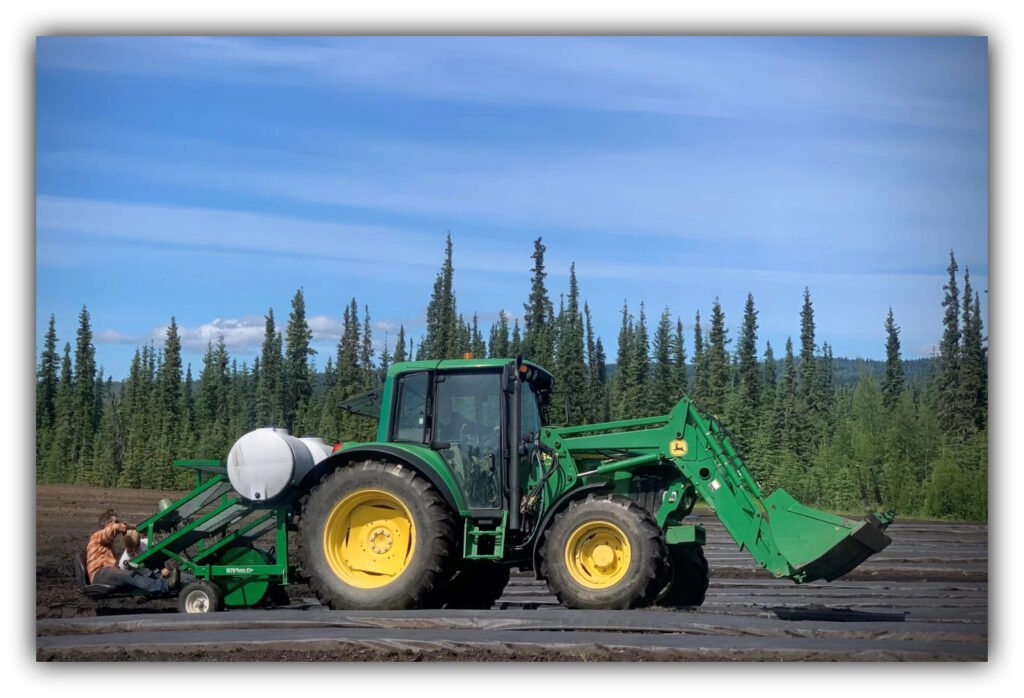
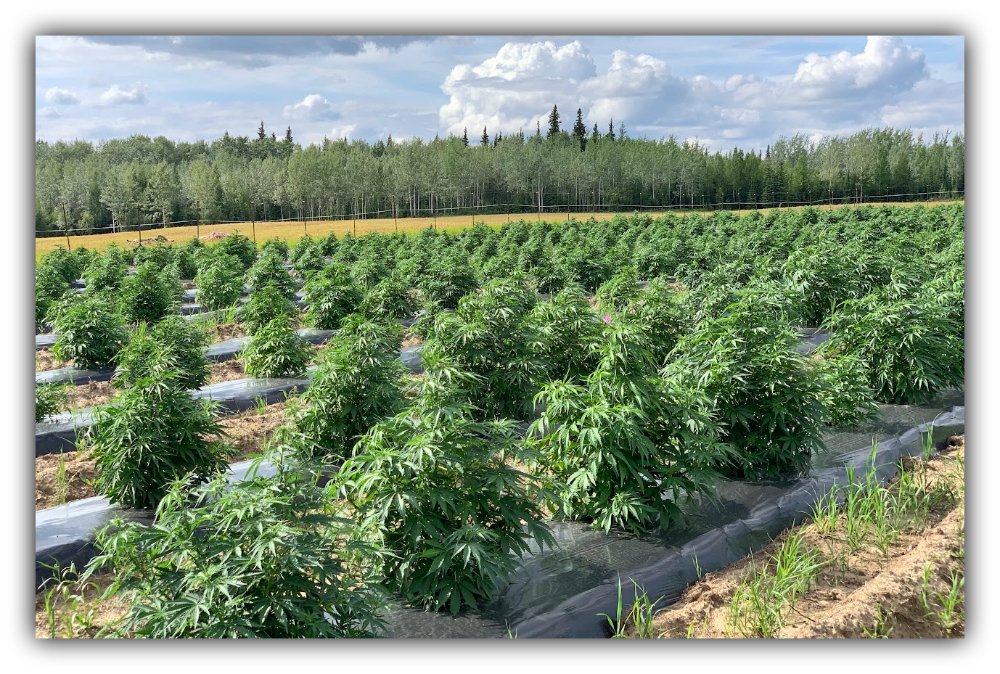
A field of industrial hemp grows at Quist Farm near Fairbanks, where Alaska producers say updated state regulations could make it easier for farmers and hemp businesses to navigate the industry. Photo courtesy of Quist Farm.
HB 325 Mostly paperwork changes you’ll never notice, unless you’re the one stuck doing the paperwork.
By Gina Hill | Alaska Headline Living | May 23, 2026s
A bill changing Alaska’s industrial hemp regulations is headed to the governor, but most Alaskans won’t feel much of a shift in daily life.
For consumers, nothing really changes. Hemp products like CBD items remain legal under current state rules, and the bill does not expand marijuana legalization or introduce new products to the public.
Where it does matter is inside the industry.
For farmers, HB 325 is designed to simplify the state’s hemp program. That means fewer administrative hurdles, clearer licensing steps, and a more straightforward path for people who want to grow hemp as a crop. The goal is not less oversight, but a system that is easier to navigate.
For businesses handling hemp products, the bill also aims to clarify how hemp is separated from marijuana under state law. That distinction affects taxes, classification, and compliance rules. In practice, it reduces gray areas that can make operating a hemp-related business more complicated than it needs to be.
In rural Alaska, supporters say the changes are about treating hemp more like a standard agricultural product, giving growers another potential income option in a state with limited farming opportunities.
If you are looking to source Alaska-grown hemp or CBD products locally, there are already several established operations across the state.
In the Tanana Valley, The Quist Farm operates MADO CBD/G and is considered one of the northernmost industrial hemp farms on the continent. Denali Hemp Company was also among the earliest Alaska businesses to bring locally produced hemp and CBD products to market during the state’s pilot program years.
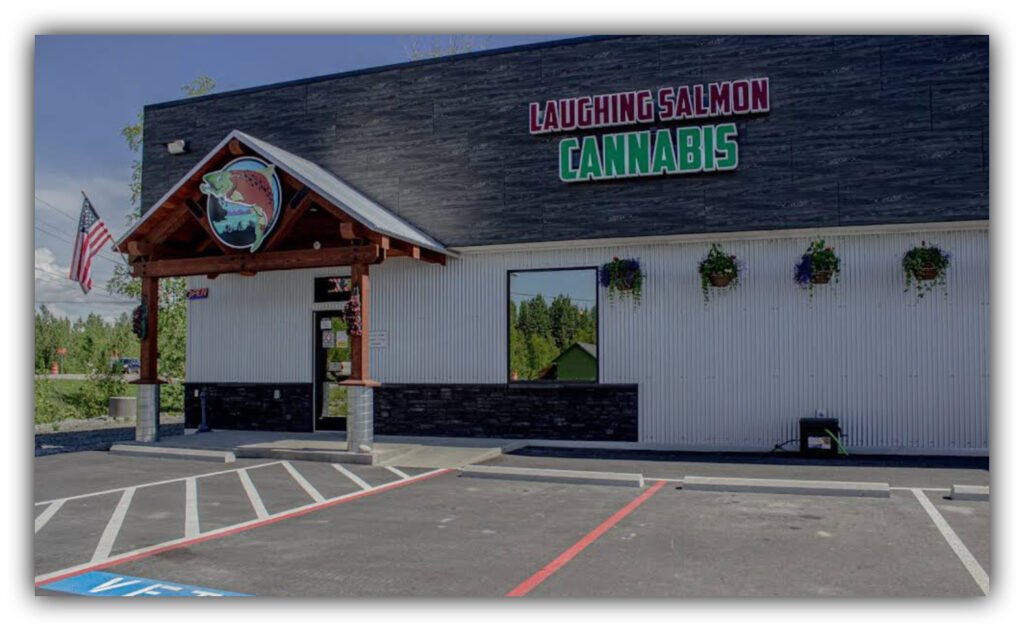
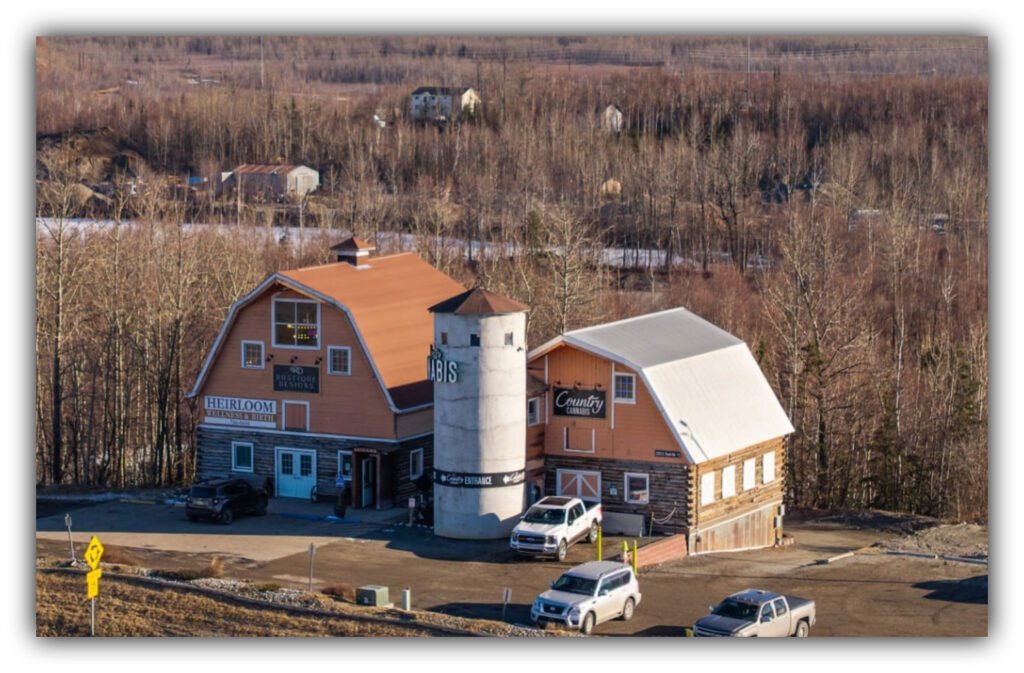
Consumers looking to shop local can also find hemp and CBD products in Southcentral Alaska. Country Cannabis in Palmer operates out of a restored 1935 colony barn on South Trunk Road and sells CBD products alongside farm goods. In Wasilla, Laughing Salmon Cannabis carries hemp extracts, oils, and topical CBD products. Peaceful Pines Hemp Farm, based in Fairbanks, also delivers THCa, CBD, and CBG products to Anchorage and surrounding Southcentral communities.
For Alaskans interested in starting a hemp farm, growers must apply annually through the Alaska Department of Natural Resources Industrial Hemp Program.
State rules currently allow hemp production for fiber, grain, and cannabinoids. However, Alaska regulations prohibit the sale or distribution of hemp products intended for human or animal consumption if they contain detectable levels of delta-9 THC.
Prospective growers can download registration paperwork through the Alaska Division of Agriculture’s Industrial Hemp Program, and local producers often network through programs hosted by the Alaska Farm Bureau.
Bottom line: This bill does not dramatically change what hemp products Alaskans can buy tomorrow. What it does do is continue Alaska’s push toward treating hemp as a legitimate agricultural industry instead of a regulatory afterthought.
What do you feel about this post?

Like

Love

Happy

Haha

Sad