





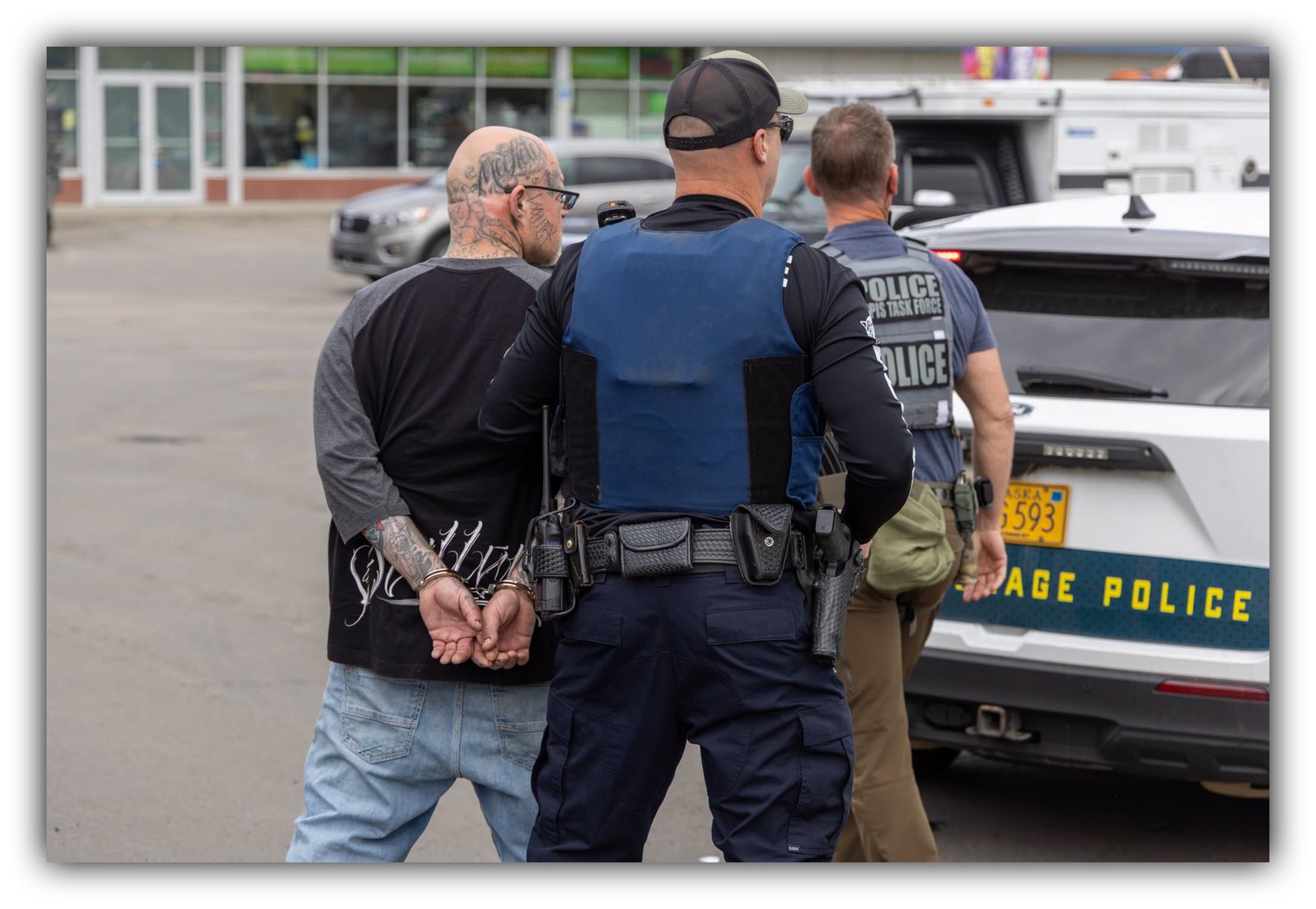
Alaska Underreported: The Crimes We Count, The Victims We Miss
Crime statistics show progress, but behind the numbers are victims, families and communities still waiting for answers, resources and protection.
By Gina Hill | Alaska Headline Living | July 14, 2026
Alaska is known for its independence, resilience and communities that come together when someone needs help.
But public safety in the state is shaped by challenges unlike anywhere else in the country. Vast distances, extreme weather, limited transportation and uneven access to resources can affect everything from emergency response to criminal investigations.
A crime reported in Anchorage and a crime reported in a remote village may enter the same system, but the path to safety, justice and support can look very different.
Behind every crime report is a person. A survivor. A family. A community looking for answers.
Alaska’s public safety story cannot be understood through statistics alone. The numbers matter, but so do the experiences behind them.
Alaska’s Crime Numbers Tell Two Stories
Alaska’s crime numbers tell two stories at the same time.
One story shows progress: fewer reported crimes, fewer property offenses and an overall decline in reported offenses.
The other story is harder to ignore: violent crime, sexual violence, domestic violence, drug-related deaths and missing persons cases continue to challenge communities across the state.
Numbers can show what happened. They cannot always explain why it happened, who was affected or what happens afterward.
Crime Is Declining on Paper
The statewide crime picture is complicated.
The Alaska Department of Public Safety’s annual crime report shows an overall decrease in reported offenses, with much of the decline driven by reductions in property crime. That improvement is significant, but it does not mean every public safety concern is improving at the same rate.
Violent offenses remain a serious challenge, particularly crimes involving assault, sexual violence and domestic violence.
Crime statistics also reflect only incidents that are reported. Barriers such as fear, stigma, lack of transportation, limited access to services and distrust of systems can influence whether victims ever enter the reporting process.
Violence Leaves Deeper Scars
Some crimes have effects that extend far beyond a case number.
Violent crime affects victims, families and entire communities. The response does not end with an arrest. Survivors may need medical care, advocacy, housing assistance, legal support and long-term recovery services.
For Alaska, the challenge is not only responding to violence when it happens, but creating systems that help prevent it and support victims afterward.
Sexual Assault: The Crimes Behind the Numbers
Sexual violence remains one of Alaska’s most serious public safety concerns.
The state publishes separate felony-level sex offense reporting because these cases involve unique investigative and victim support challenges.
Many survivors face difficult decisions about whether to report. Some fear retaliation. Others worry about not being believed or having to navigate a complicated legal process.
In smaller communities, those challenges can become even greater. Victims may live in communities where resources are limited and privacy is difficult to maintain.
Domestic Violence: A Crisis Inside the Home
Domestic violence remains a persistent public safety issue in Alaska.
Unlike crimes involving strangers, domestic violence often involves relationships, children, financial dependence and repeated patterns of abuse. A law enforcement response may be only the first step in a much longer process.
Survivors may need safe housing, transportation, legal assistance and ongoing support. In rural Alaska, those options may be limited by distance and availability.
Missing Persons: Families Waiting for Answers

Every missing persons case represents someone’s life, someone’s family and a community searching for answers.
Alaska’s geography creates unique challenges for missing persons investigations. Vast wilderness, unpredictable weather and limited transportation routes can complicate searches and delay resources.
Some cases receive widespread attention. Others receive little public awareness despite families continuing to search.
The Alaska State Troopers maintain missing persons resources, including efforts focused on missing Indigenous persons cases. The question is not only how many people are reported missing, but how effectively Alaska can respond when someone disappears.
When 911 Is Hundreds of Miles Away
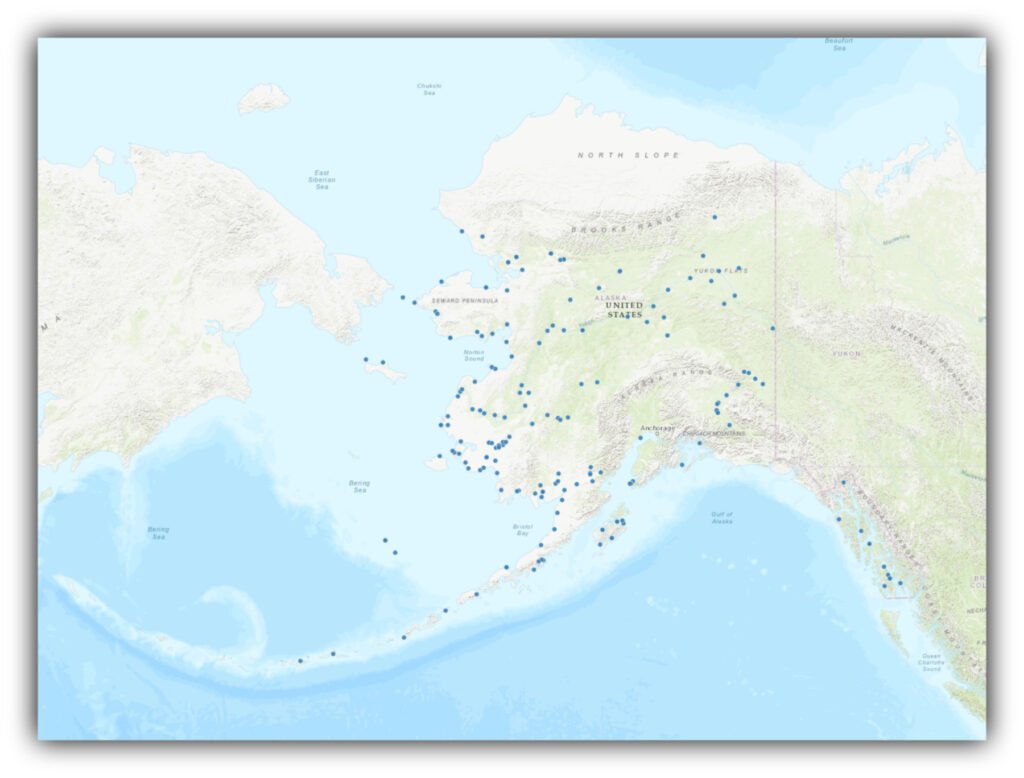
Public safety in rural Alaska operates under a different set of circumstances.
In many communities, law enforcement response depends on aircraft, weather conditions and personnel availability. A call for help may require coordination across hundreds of miles. The Village Public Safety Officer program helps fill that gap by providing local public safety support in communities where traditional law enforcement resources may not be immediately available.
VPSOs assist with law enforcement support, emergency response, fire services, search and rescue and coordination with Alaska State Troopers. For many villages, having someone nearby who knows the community can make a critical difference.
The Fentanyl Pipeline: When Crime and Public Health Collide
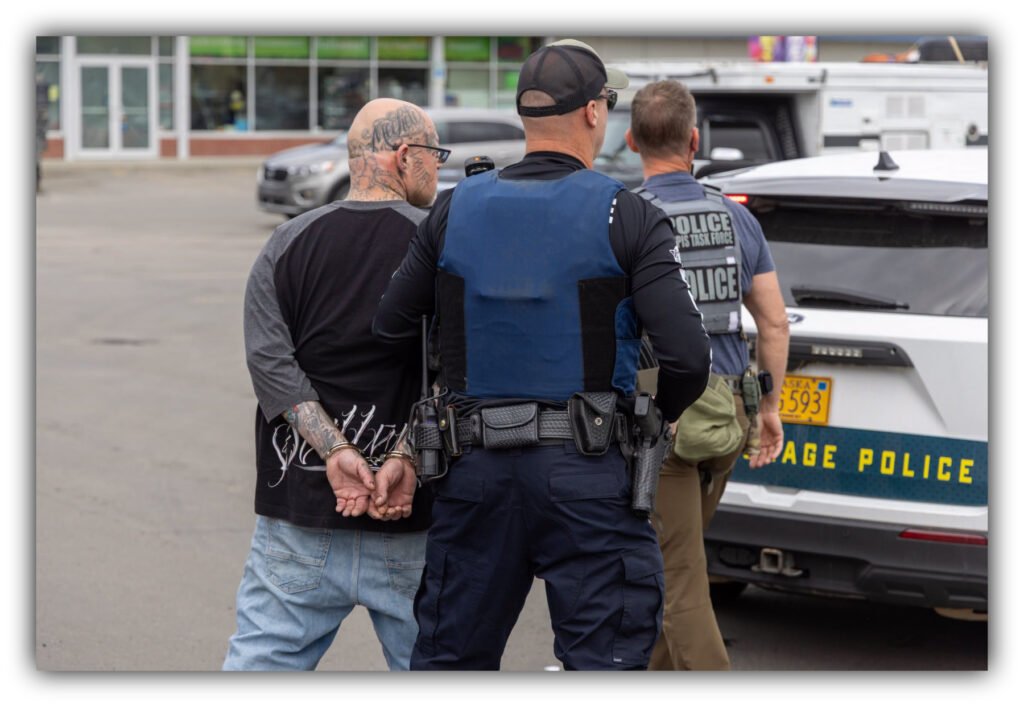
.Drug enforcement has become a major public safety priority across Alaska, particularly as fentanyl continues to impact communities.
The consequences extend beyond arrests and seizures. Families, healthcare providers, first responders and communities all experience the effects of addiction and overdose.
Law enforcement agencies continue efforts to disrupt illegal drug distribution, but officials and public health experts have emphasized that enforcement alone cannot address the broader crisis.
Prevention, treatment and recovery services remain critical parts of the response.
What Communities Are Doing
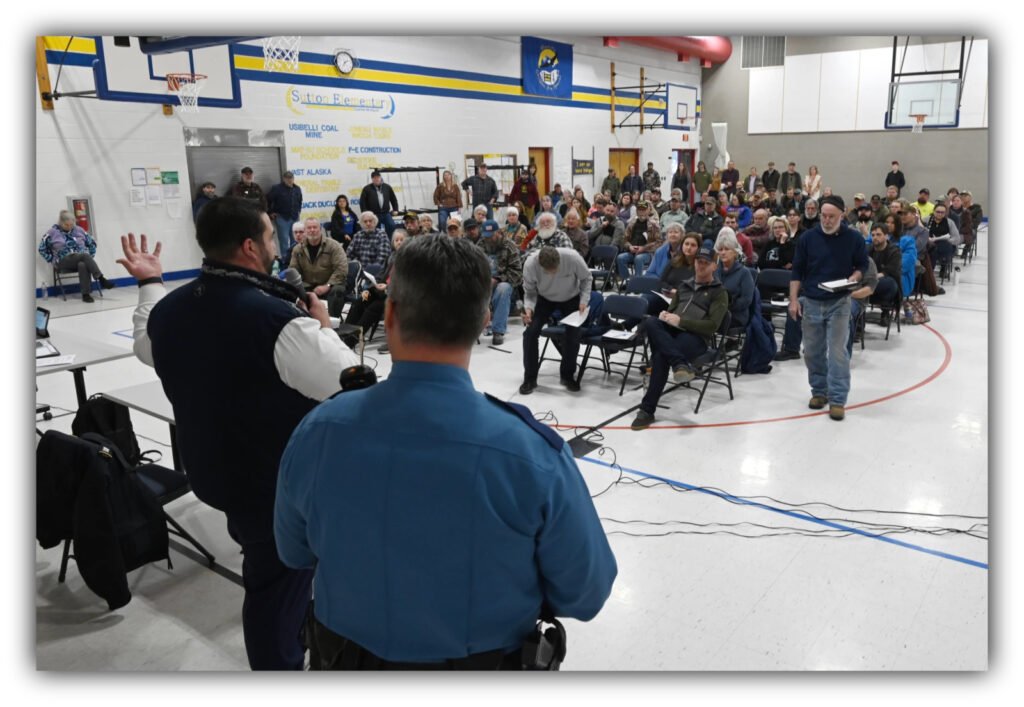
Public safety is built through more than arrests and enforcement. It depends on communities, organizations and individuals working together to prevent harm, support victims and strengthen the systems people rely on when they need help.
Across Alaska, communities are investing in prevention, youth programs, behavioral health services, survivor support and partnerships between residents, law enforcement and local organizations.
In rural Alaska, programs such as the Village Public Safety Officer program provide an important local connection between residents and emergency services. VPSOs serve as frontline public safety personnel in communities where traditional police, fire and emergency services may not exist.
Every Alaskan has a role to play in public safety, whether that means learning how to recognize warning signs, supporting neighbors in crisis, volunteering with a local organization, sharing resources or helping strengthen community preparedness.
For readers who want to get involved, learn more or connect someone with help, these organizations provide information, services and opportunities to participate:
Alaska Department of Public Safety
Learn about Alaska State Troopers, public safety programs, crime prevention resources and the Village Public Safety Officer program.
Alaska Department of Public Safety
Anchorage Police Department Community Relations Unit
Residents can learn about community programs, request officer participation at events or meetings, and find ways to engage with APD.
Anchorage Police Department Community Relations Unit
Village Public Safety Officer Program
Alaskans can learn how VPSOs serve rural communities and find information about employment and community partnerships.
Village Public Safety Officer Program
Council on Domestic Violence and Sexual Assault (CDVSA)
Provides statewide resources, crisis support information and connections to services addressing domestic violence and sexual assault.
Council on Domestic Violence and Sexual Assault
Alaska Network on Domestic Violence and Sexual Assault (ANDVSA)
Connects survivors and communities with local advocacy programs and provides statewide prevention and support resources.
Alaska Network on Domestic Violence and Sexual Assault
Alaska Office of Victims’ Rights
Provides free legal services and advocacy assistance to help crime victims understand and exercise their rights within Alaska’s justice system.
Alaska Office of Victims’ Rights
Alaska Victim Service Providers and Shelter Directory
The Alaska Department of Law maintains a directory of shelters, victim advocates and support organizations throughout the state.
Alaska Victim-Witness Assistance Resources
Search and Rescue Organizations Across Alaska
Many communities rely on trained volunteers who assist with missing persons searches, emergency response and preparedness efforts.
Strong communities are built when people know where to turn, know how to help and are willing to step forward.
The Crimes We Count. The Victims We Miss.
Crime statistics are important. They help measure progress, identify problems and guide decisions about resources.
But statistics cannot show the fear of a victim deciding whether to report a crime. They cannot show the uncertainty of a family waiting for a missing loved one. They cannot show the difficulty of responding to an emergency when help is hundreds of miles away. Alaska’s public safety story is not only about whether crime is rising or falling.
It is about whether every Alaskan has access to safety, support and justice when they need it most.
How You Can Help
- Save local emergency and crisis resources in your phone.
- Report suspicious activity or concerns before they become emergencies.
- Check on vulnerable neighbors, especially during extreme weather.
- Support local victim service organizations.
- Volunteer with community response groups.
- Learn basic first aid, CPR and emergency preparedness.
Sources and Resources
Alaska Department of Public Safety
Crime reports, statewide statistics, Alaska State Troopers information and public safety resources.
- Alaska State Troopers Missing Persons Clearinghouse
- Missing persons information and investigative resources.
- Village Public Safety Officer Program
- Information about rural public safety services and community-based response.
- Anchorage Police Department
- Crime information, public safety updates and enforcement reports.
- Council on Domestic Violence and Sexual Assault (CDVSA)
- Statewide domestic violence and sexual assault prevention and response resources.
- Alaska Network on Domestic Violence and Sexual Assault (ANDVSA)
- Advocacy, prevention and survivor support resources.
- Victim Service Organizations Across Alaska
- Local shelters, advocates and community programs supporting survivors.
What do you feel about this post?

Like

Love

Happy

Haha

Sad