



🔥 Backyard Burning in the Mat-Su: What People Get Wrong
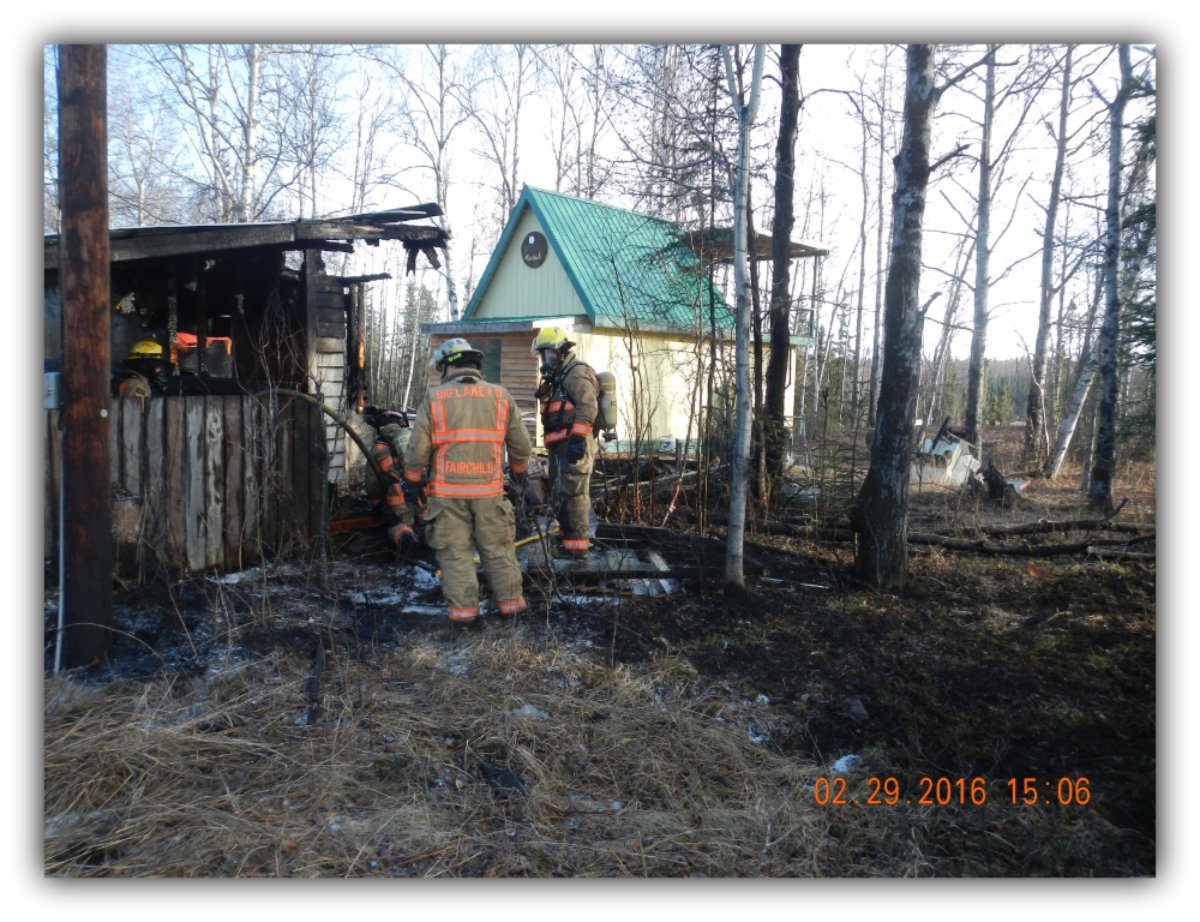
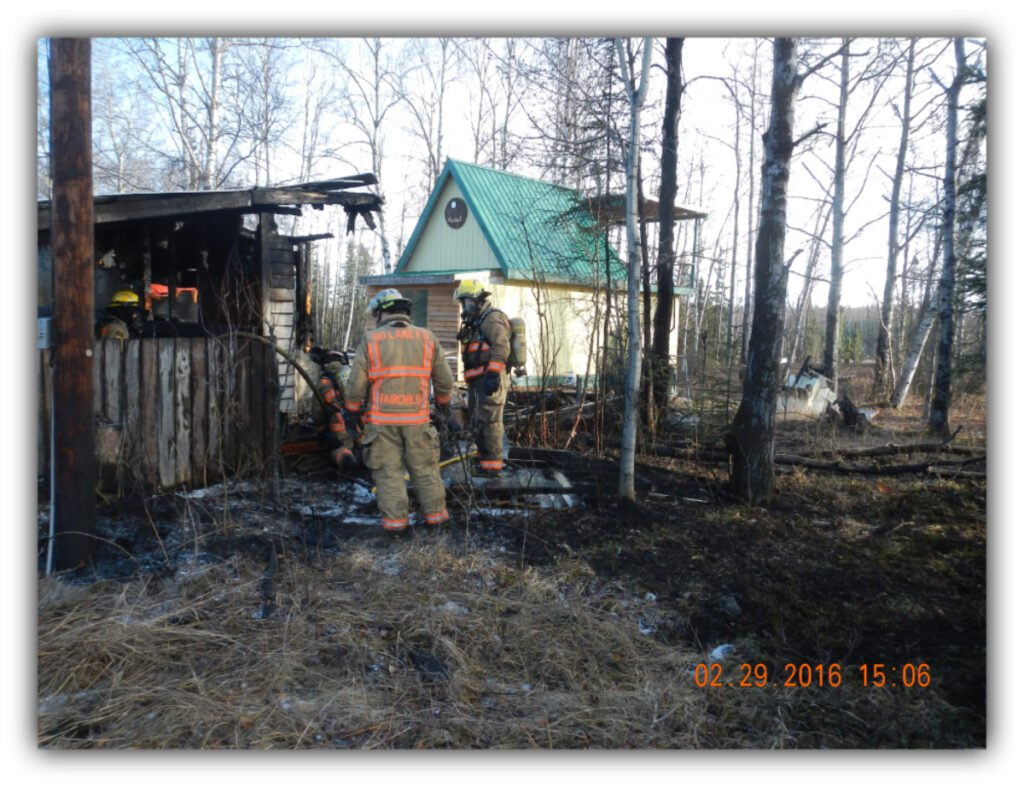
A 2016 Mat-Su burn barrel fire escaped control in minutes, showing how quickly “routine” backyard burning can turn into property damage when wind and dry ground fuels align. Courtesy of Alaska Division of Forestry and Fire Protection.
The rules are simple. The fallout is not.
That backyard fire pit next door looks harmless. Until it isn’t. Smoke drifts into your home. Ash lands in your yard. And suddenly, that “simple burn” is no longer simple. In the Mat-Su Valley, backyard burning is common.
But it is tightly regulated, especially during fire season.
Alaska’s Wildfire Season Is Not “Occasional” … It Is Massive.
Backyard burning rules exist for a reason that becomes obvious when you zoom out.
Alaska is not dealing with isolated fires. It is dealing with a fire-driven landscape every summer.
In 2025, Alaska’s wildfire season burned roughly 1 million acres by mid-to-late August alone, according to Alaska Division of Forestry reporting, with final season estimates reaching around 1.68 million acres statewide as conditions continued through late summer and early fall.
That puts 2025 at roughly average to slightly above recent long-term burn totals, in a state where million-acre fire seasons are now a regular part of summer.
And that is just Alaska.
Nationwide, 2025 wildfires burned more than 5 million acres across the United States. Alaska ranked first in total acreage burned, ahead of much larger states like California.
That is the context people miss. Alaska is not on the edge of wildfire activity. It is at the top of it.
Why That Matters for Backyard Burning
Alaska’s wildfire problem is not separate from everyday life in the Mat-Su. It is the backdrop to it.
Long summer daylight dries grass and brush for hours that barely end. Wind shifts fast. Boreal vegetation burns hard once conditions turn. Lightning may start fires in remote country, but the same dry ground, wind corridors, and heavy vegetation exist around neighborhoods, driveways, woodlots, and backyard burn areas too.
Most major Alaska wildfires do not start big. They start as small ignitions under the wrong conditions.
That is the reality sitting underneath every backyard burn permit.That is the reality sitting underneath every backyard burn permit.
Burn Permits Are Required Right Now (Spring–Summer 2026)
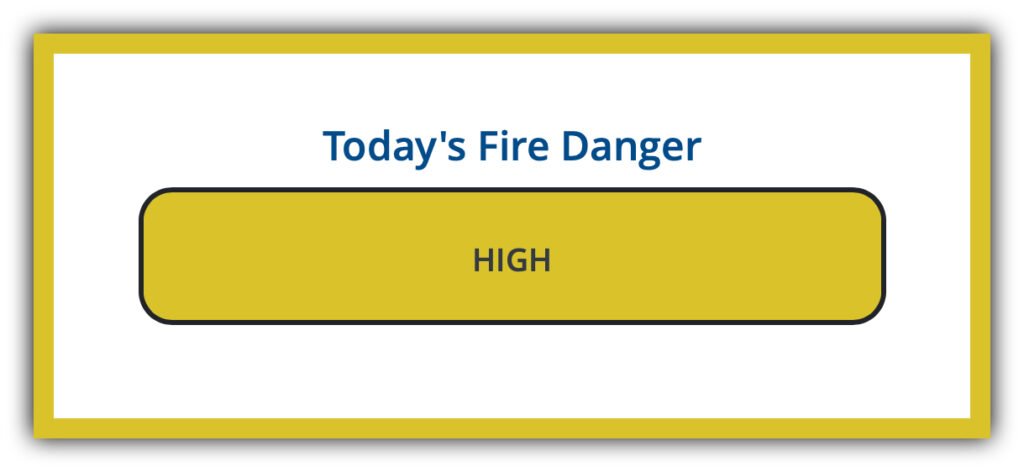
Yes. Burn permits are required in the Mat-Su during fire season.
According to the Alaska Division of Forestry & Fire Protection, burn permits are required from April 1 through Aug. 31, 2026, throughout the Mat-Su Fire Prevention Area. Current fire danger in the region is listed as HIGH.
That includes brush piles, yard debris burns, burn barrels, and ground cleanup fires. Small recreational campfires are generally exempt.
Permits are issued through the Alaska Department of Natural Resources Division of Forestry & Fire Protection, not the Mat-Su Borough. Residents can apply online through the Mat-Su Area Fire Prevention page: Alaska DNR Mat-Su Burn Permit Information
Mat-Su Area Fire Prevention
101 Airport Road, Palmer, Alaska 99645
Prevention Office: 907-761-6305
Burn Permit Hotline: 907-761-6312
Even with a permit, burning can still be restricted or suspended because of wind, dry conditions, wildfire activity, or air quality concerns. Residents are expected to check daily burn status updates before lighting anything outdoors.
What You Can Burn
Keep it clean. Keep it natural.
- Clean, untreated wood
- Branches and yard debris
- Paper used to start fires
If it came from the land and is not treated, painted, or processed, it may be allowed when permits are active.
What You Cannot Burn
This is where most violations happen. You cannot burn:
- Household trash or garbage
- Plastics and packaging
- Rubber or tires
- Painted or treated wood
- Oil, fuel, or contaminated materials
Not in a barrel. Not in a pit. Not “just this once.”
If it belongs in a trash can or recycling bin, it does not belong in a fire.
According to the Alaska Department of Environmental Conservation (DEC), these materials are prohibited in open burning because they do not burn cleanly and they do not behave like natural wood.
Plastics and synthetic materials can release toxic compounds into the air. Household garbage burns unevenly and produces smoke made up of mixed waste, including food scraps, plastics, and household chemicals. Rubber and tires create thick, oily smoke that lingers close to the ground and spreads. Treated or painted wood can release chemical residues as it burns. Fuels and contaminated materials can cause a simple burn to flare up and become unstable and hard to control.
This is not just about what you see rising from the fire. It is about what remains in the air after the flames die down.
That smoke does not stay in one place. It moves. It drifts into homes and lingers in the air.
And when it does, it becomes a health issue. Fine particulate matter and chemical irritants in smoke can inflame airways and reduce lung function. Children are more vulnerable because their lungs are still developing and they breathe more air for their size. Older adults often feel effects faster due to reduced respiratory reserve and higher rates of heart and lung conditions. For people with asthma, COPD, or heart disease, exposure can quickly trigger coughing, chest tightness, shortness of breath, or a rapid worsening of symptoms.
This is not clean burning. It is exposure.
The Fire Pit Assumption Problem
In real life, most backyard burn issues in the Mat-Su do not start with people trying to break the law.
They start with assumptions.
“It’s in a pit, so it’s controlled.”
“It’s just a backyard fire, not ‘open burning.’”
“Everyone does this, so it must be fine.”
“It’s not a burn barrel, so different rules apply.”
That is the gap fire officials deal with repeatedly. Under Alaska rules, the container does not define legality. The fuel does. The conditions do.
And that is where confusion becomes a call to fire officials.
Burn Permits Can Be Suspended Without Warning
Even a legal burn can stop being legal fast.
State fire managers can:
- Restrict burning during dry or windy conditions
- Suspend permits during high fire danger
- Shut down open burning during red flag warnings
When that happens, all burning stops. No exceptions.
When a Controlled Burn Stops Being Controlled
Most backyard fires stay small. Until they don’t.
One of the fastest accelerants is forced air.
Using tools like leaf blowers can:
- Spike fire intensity immediately
- Push embers outside the burn area
- Drive smoke into neighboring homes
- Turn a controlled burn into a wildfire risk in seconds
That is not cleanup. That is escalation.
When Smoke Becomes a Neighborhood Issue
You do not have to ignore it just because it is “allowed.”
If smoke:
- Enters your home
- Repeatedly drifts onto your property
- Produces ash or debris
- Affects breathing or visibility
It becomes a public safety and air quality concern.
If a Neighbor’s Burn Becomes a Problem
If something looks unsafe or illegal, report what you see.
Immediate Danger: Call 911 if the fire is out of control or threatening structures
Non-Emergency Reporting:
- Alaska Division of Forestry (Mat-Su): 907-761-6305
- Alaska DEC Air Quality Complaints: 907-269-7577
- Mat-Su Borough Code Compliance: 907-861-7822
Stick to Facts:
- What is burning
- Smoke direction and impact
- Timing and frequency
- Safety concerns or flare-ups
You do not have to prove it. You just have to report it.
What It Comes Down To
This is not about permission. It is about behavior when conditions can change in a heartbeat.
In a place that regularly burns more than a million acres a season, fire is never just local. It does not care about your good intentions.
Sources
Alaska Department of Environmental Conservation (DEC): Open Burning & Air Quality Guidance.
Alaska Department of Natural Resources, Division of Forestry & Fire Protection: Mat-Su Area Fire Prevention, Burn Permit Requirements, Fire Danger Conditions, and Seasonal Restrictions.
Alaska Department of Natural Resources, Division of Forestry & Fire Protection: Statewide Burn Permit Information.
Alaska Interagency Coordination Center (AICC): Alaska Wildfire Statistics, Incident Reporting, and Seasonal Acreage Reports.
National Interagency Fire Center (NIFC): National Wildfire Statistics and Annual Acreage Data.
U.S. Environmental Protection Agency (EPA): Backyard Burning of Household Waste and Air Emissions Guidance.
Alaska Division of Forestry & Fire Protection (2016): “Escaped Burn Barrel Fire in Mat-Su Valley Destroys Shed; Illustrates Importance of Safe Burning.”
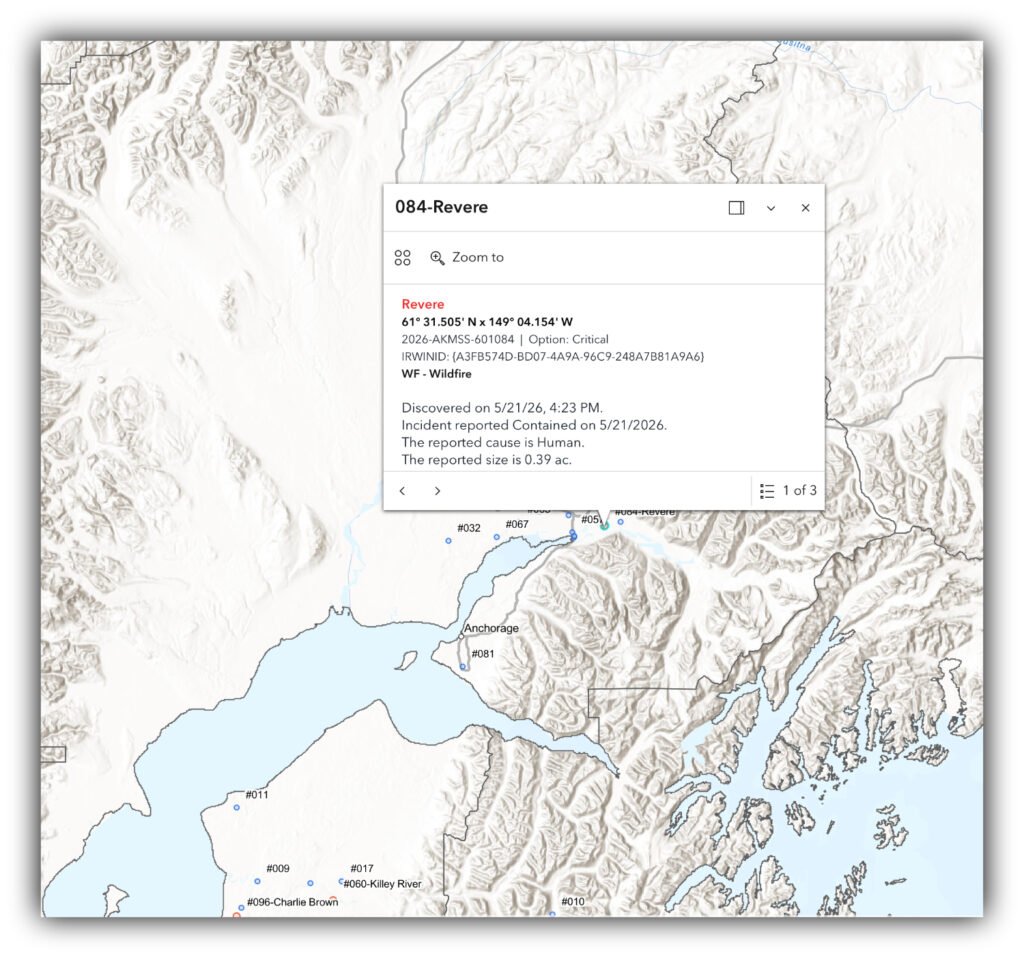
Alaska Fire Information Map / Alaska Interagency Coordination Center: Revere Fire Incident Data (2026-AKMSS-601084).
Gina Hill | Alaska Headline Living | May 28, 2026
What do you feel about this post?

Like

Love

Happy

Haha

Sad