




Alaska Underreported: It’s Already Happening
The Cracks Are Already Here, and Rural Alaska Is Running Out of Time
By Gina Hill | Alaska Headline Living | May 11, 2026
It’s easy in Anchorage, the Mat-Su, Fairbanks, and other road-connected communities to think rural Alaska is somewhere else. It isn’t. What’s happening there is already shaping life across the state.
You see it in real life: a family from a village trying to find housing in Anchorage, a clinic booked out for weeks, a ferry that doesn’t run when it’s supposed to, groceries that keep getting more expensive.
Then it shows up in the places people land. Classrooms with more students than expected. Housing waitlists that don’t move. Clinics running short on staff. Families trying to rebuild stability after leaving communities that can no longer hold everything needed for daily life.
What’s under strain isn’t abstract. It’s housing, food, transportation, schools, and healthcare, all dependent on long supply chains, short seasons, and systems that don’t have much room for failure.
When a Relocation Becomes a Long Rebuild
Newtok is no longer a community split between two places, but the relocation story stretches back decades.
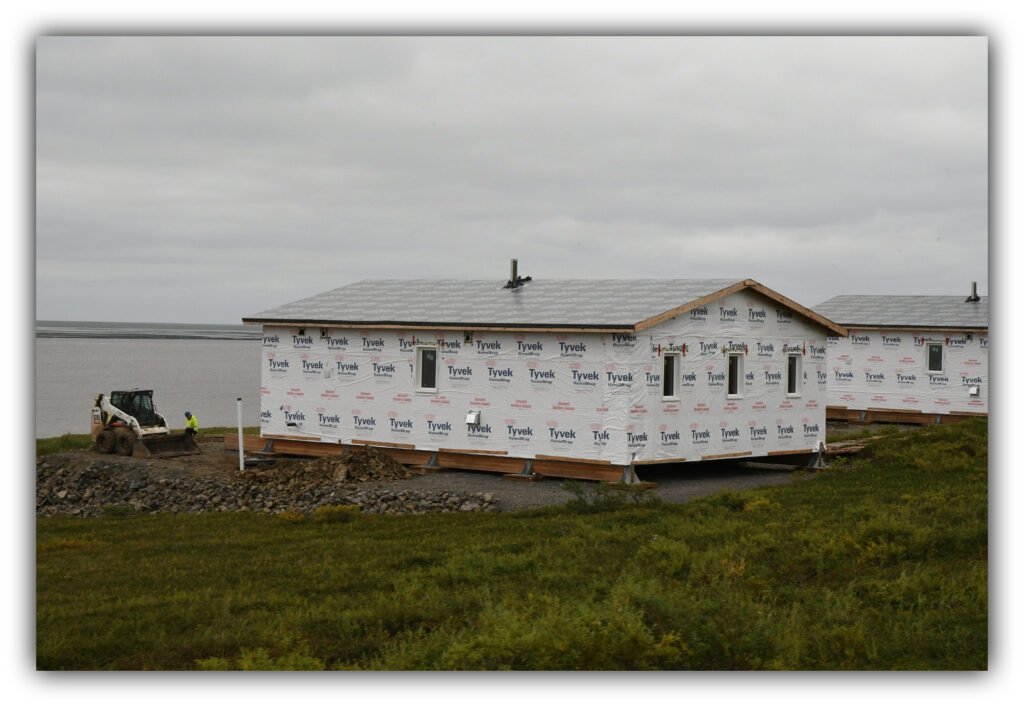
Source: Office of U.S. Senator Lisa Murkowski (2019)
Serious erosion concerns were identified in the 1990s, and plans to relocate the village began taking shape more than 25 years ago as flooding and collapsing riverbanks made Newtok increasingly unsafe. The first residents began moving to Mertarvik in 2019. By the early 2020s, the remaining residents had left Newtok, and the original village is now effectively abandoned.
But the move didn’t end with arrival.
Mertarvik is still being built out while people are already living there. Homes, utilities, roads, and other basic infrastructure are still catching up to the population that now calls it home. What was supposed to be a relocation became a decades-long crawl of planning, delays, construction, and waiting while residents tried to keep daily life going through all of it.
When the Freezer Matters More Than the Store
In western Alaska, food security is still tied to what can be harvested and stored.
📢 Hunting & Fishing Advocacy Virtual Workshops 📢
Alaska’s wildlife and subsistence systems are at a turning point, and public participation is part of how management decisions are shaped.
Lower Yukon Management Structure Overview: Friday, May 22, 2:00–3:30 pm
Yukon Flats Management Structure Overview: Friday, June 5, 11:45 am–1:15 pm
Upper Tanana Management Structure Overview; Friday, June 19, 2:00–3:30 pm
Yukon-Koyukuk Management Structure Overview: Friday, July 10, 11:45 am–1:15 pm
Yukon Tanana Management Structure Overview: Friday, July 24, 2:00–3:30 pm
Source: Tanana Chiefs Conference (May 4)
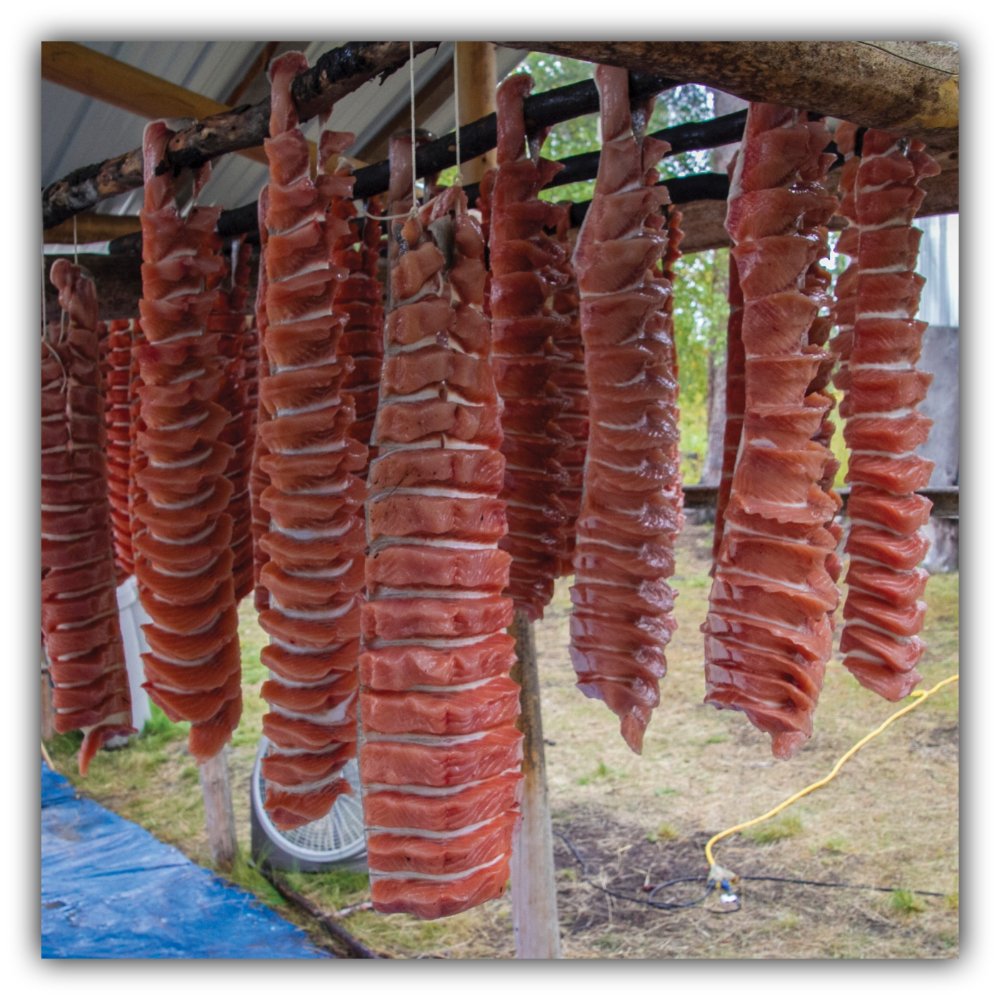
In communities like Emmonak, Marshall, and Mountain Village, salmon is not just tradition. It is winter food. It is what carries families through months when store-bought food is expensive, limited, and dependent on long shipping chains.
But salmon runs in many western Alaska rivers have been low or unstable in recent years, shaped by warming ocean conditions and shifts in the Bering Sea food web that affect survival after salmon leave freshwater.
At the same time, juvenile salmon share waters with the industrial Bering Sea pollock trawl fishery, one of the largest groundfish fisheries in the world. That trawl fishery can unintentionally catch salmon as bycatch, which has become a major management concern as salmon returns have declined and federal limits have tightened.
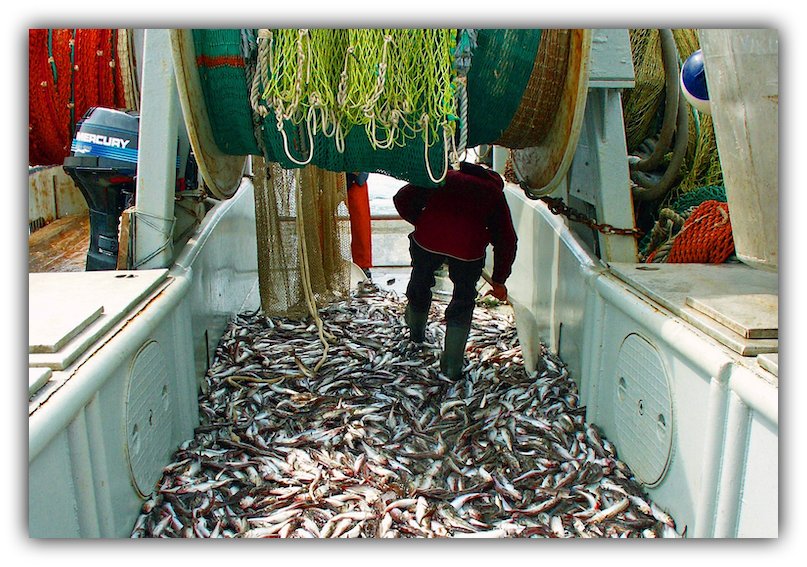
Source: National Marine Fisheries Service (photo: David Csepp) / Northern Journal reporting, Dec. 13, 2024.
When salmon can’t be relied on, families turn to store-bought food shipped in on schedules they don’t control. Prices rise quickly, and there is no real replacement for what used to come directly from the river and sea. In some years, subsistence limits or closures mean families cannot fill freezers the way they used to before winter begins, changing how households plan food for the entire season.
That changes what children eat, how elders are cared for, and how carefully every meal has to be stretched through the winter.
When One Storm Becomes Years of Recovery
When Typhoon Merbok hit western Alaska, including Golovin, it damaged homes, destroyed boats, and disrupted food storage and fuel systems right before winter.
Recovery doesn’t move quickly in rural Alaska. Everything has to be shipped in. Work depends on weather and short construction seasons. Repairs stretch across years instead of months.
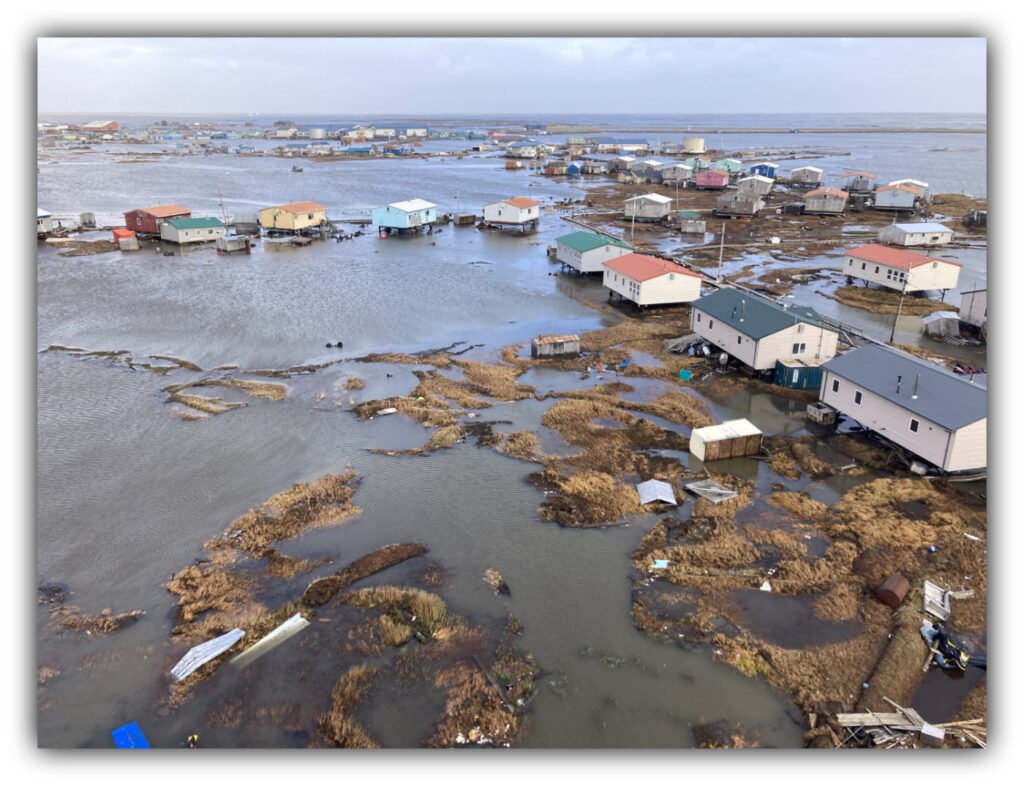
The same pattern became visible again after Typhoon Halong, when residents from western Alaska communities were evacuated into Anchorage and other hub communities. Months later, many were still there, working to stay employed, keep children in school, and wait for housing and community recovery to catch up back home.
Schools Hold More Than Education
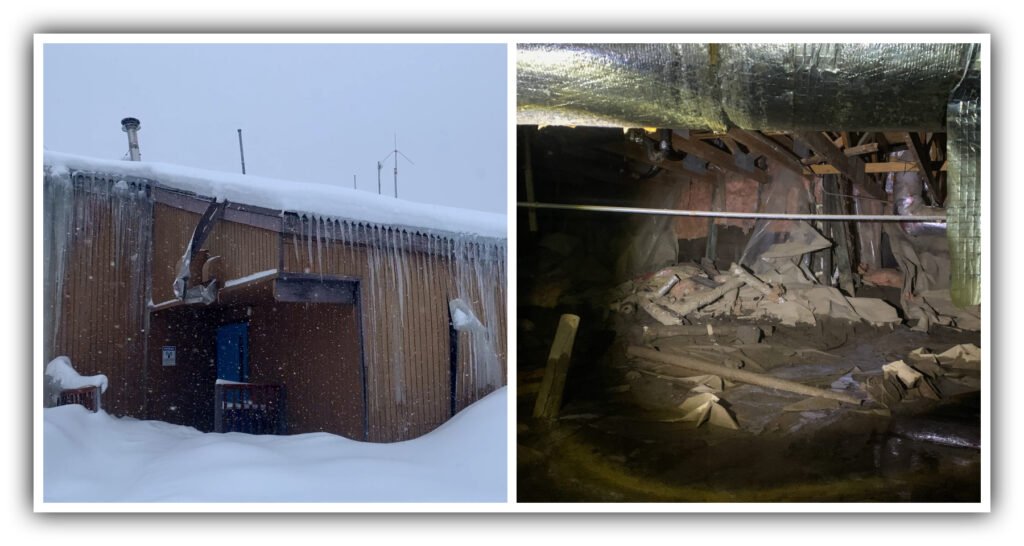
It is not just classrooms. In many villages, the school is also the main public building used for meals, community gatherings, and emergency response when weather or other disruptions hit. In some cases, it is the only structure large enough to function as a shelter or coordination point during a crisis.
When staffing is unstable or buildings fall behind on repairs, the impact goes far beyond education. It affects whether the school can safely serve its role as a gathering place, a shelter, and a point of continuity for the community.
When teachers rotate in and out, students feel the disruption immediately. When facilities deteriorate, it doesn’t stay contained to the building itself. It affects how the entire community functions around it.
Clinics Without Backup
Rural clinics don’t have another option down the road.
When staff are short or services aren’t available, care doesn’t shift to a nearby hospital. It turns into travel, often by plane, sometimes on short notice, sometimes in bad weather. It can mean leaving home for days, or longer, just to get a diagnosis or treatment that would be routine elsewhere.
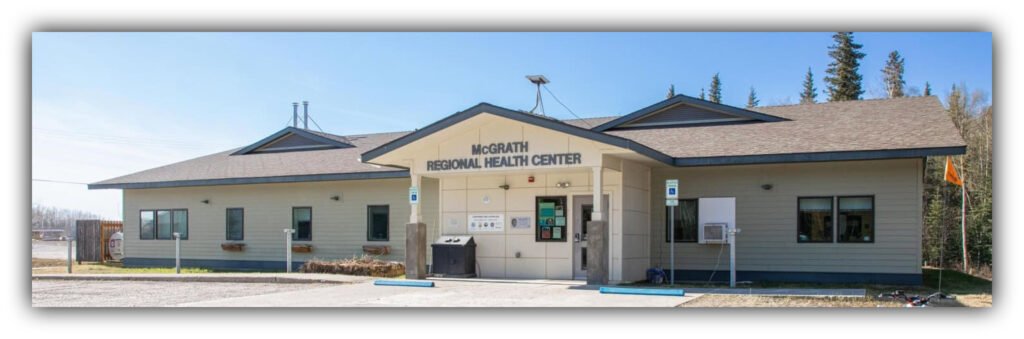
Source: Southcentral Foundation
For people outside rural Alaska, that travel is sometimes misunderstood as a kind of trip. It isn’t. It happens because there is no local alternative, and it often comes with missed work, disrupted family care, and the stress of being far from home while sick or caring for someone who is.
Healthcare in these communities isn’t accessed when it’s convenient. It is accessed when flights are available, when weather allows it, and when there is a place to go at all.
What Actually Changes It
What changes this is not awareness alone. It is people showing up consistently while decisions are still being made, reading what’s proposed, following hearings and public comment periods, contacting elected officials and agencies when issues affect their own communities, and staying engaged long enough for decisions to be influenced before they are finalized.
That includes participating in transportation decisions through the Alaska Department of Transportation & Public Facilities.
Education planning through Alaska Department of Education & Early Development.
Healthcare policy through Alaska Department of Health.
Utility decisions through Alaska Public Utilities Commission.
That also includes Alaska’s congressional delegation and governor, who influence funding, infrastructure priorities, and coordination between state and federal systems:
Sen. Lisa Murkowski
Sen. Dan Sullivan
Rep. Nick Begich III
Gov. Mike Dunleavy

Local governments and tribal councils also make direct decisions about housing, fuel planning, emergency response, and infrastructure.
Alaska’s population numbers hide what many communities already feel: people are leaving, schools and clinics are stretched thin, and more pressure keeps falling on fewer places. This is what happens when the basics of daily life slowly and steadily become unlivable.
Sources
- Alaska Department of Transportation & Public Facilities (DOT&PF)
- Alaska Department of Education & Early Development (DEED)
- Alaska Department of Health
- Alaska Public Utilities Commission (RCA)
- Yukon-Kuskokwim Health Corporation (YKHC)
- Orutsararmiut Native Council (Native Village of Bethel)
- Alaska Division of Homeland Security & Emergency Management
- Federal Aviation Administration (Alaska Region)
- U.S. Army Corps of Engineers – Alaska District
What do you feel about this post?

Like

Love

Happy

Haha

Sad