










The Secret Behind Victoria’s Secret
Victoria’s Secret Angels became one of the most recognizable symbols of the brand’s carefully crafted image of beauty, fashion, and glamour. Their runway appearances helped transform a lingerie company into a global cultural phenomenon. Photo courtesy of Victoria’s Secret.
Long before the headlines about Jeffrey Epstein, the brand had already changed how millions of girls saw themselves. This is the story behind the fantasy, the marketing, and the lasting impact.
By Gina Hill | Alaska Headline Living | July 7, 2026
Walk through almost any American mall in the 1990s or early 2000s, and you knew when you had arrived at Victoria’s Secret.
The black-and-pink storefront. The glossy catalogs arriving in the mailbox. The larger-than-life images of women who seemed to represent a version of beauty that was effortless, glamorous, and completely out of reach for most people.
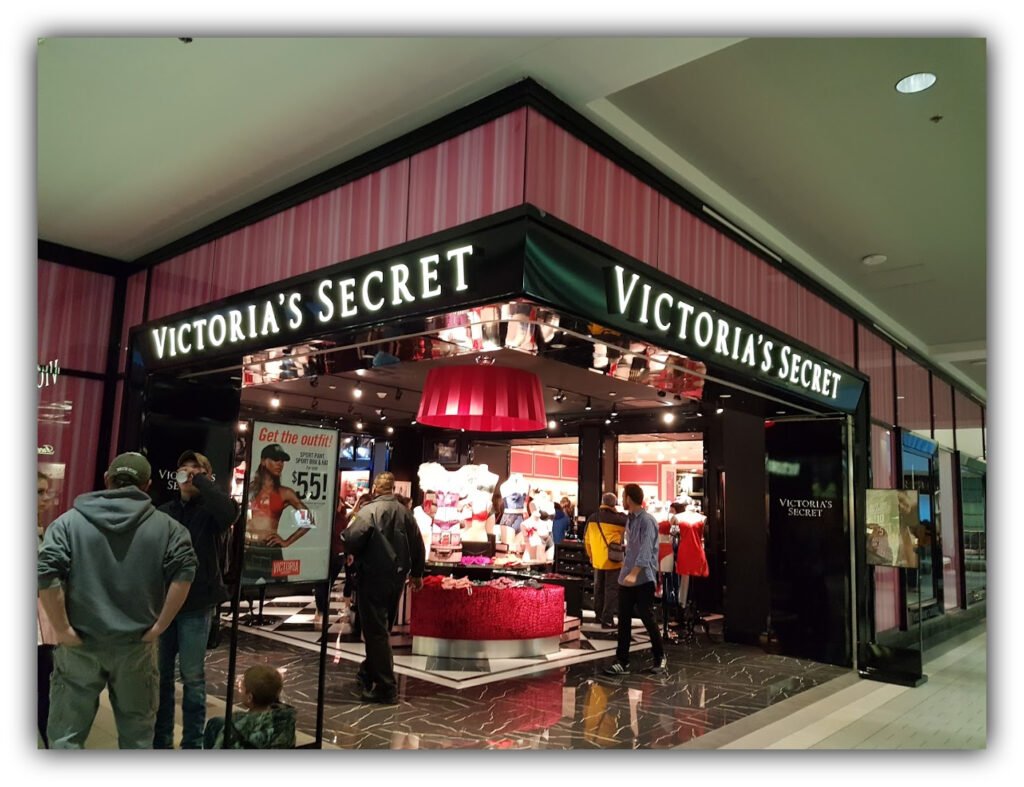
For many girls growing up during that era, Victoria’s Secret was more than a lingerie brand. It was a message.
It told them what beauty was supposed to look like:
- Tall
- Thin
- Long-legged
- Flawless skin
- A flat stomach
- A tiny waist
- Full, rounded breasts that appeared perfectly proportioned
The expectation was not simply to be thin. It was to have a body that seemed to defy reality: extremely lean everywhere else while still having dramatic curves.
Whether that appearance came naturally or was influenced by cosmetic procedures, push-up lingerie, professional styling, lighting, or photo editing was often impossible for the public to know. What mattered was the image being sold.
For millions of young women, the message was clear:
This is what beautiful looks like.
A Name Inspired by Elegance, Not Controversy
The Victoria’s Secret most people know today was not the company that originally began in 1977.
Roy and Gaye Raymond founded Victoria’s Secret after Roy reportedly noticed a gap in the lingerie market. He wanted to create a store where men could shop for lingerie comfortably and where customers could experience a more elegant, boutique-style environment.
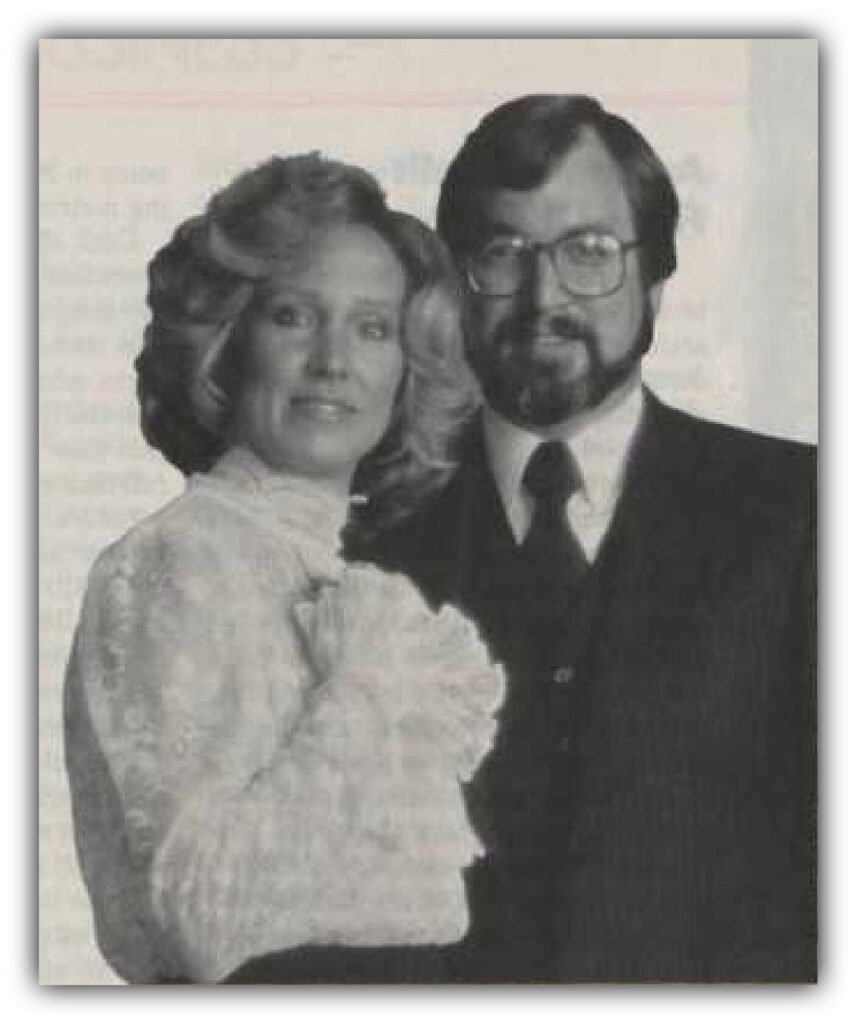
The name itself was a nod to the sophistication associated with the era of Queen Victoria. The idea was to blend refinement with the private nature of lingerie.
The original founders were not connected to the scandals that would later surround the brand. That chapter came after the company changed ownership.
The Ohio Retailer Who Built the Empire
In 1982, Ohio businessman Les Wexner purchased Victoria’s Secret.
At the time, it was a small lingerie company with only a handful of stores.
Wexner saw potential.
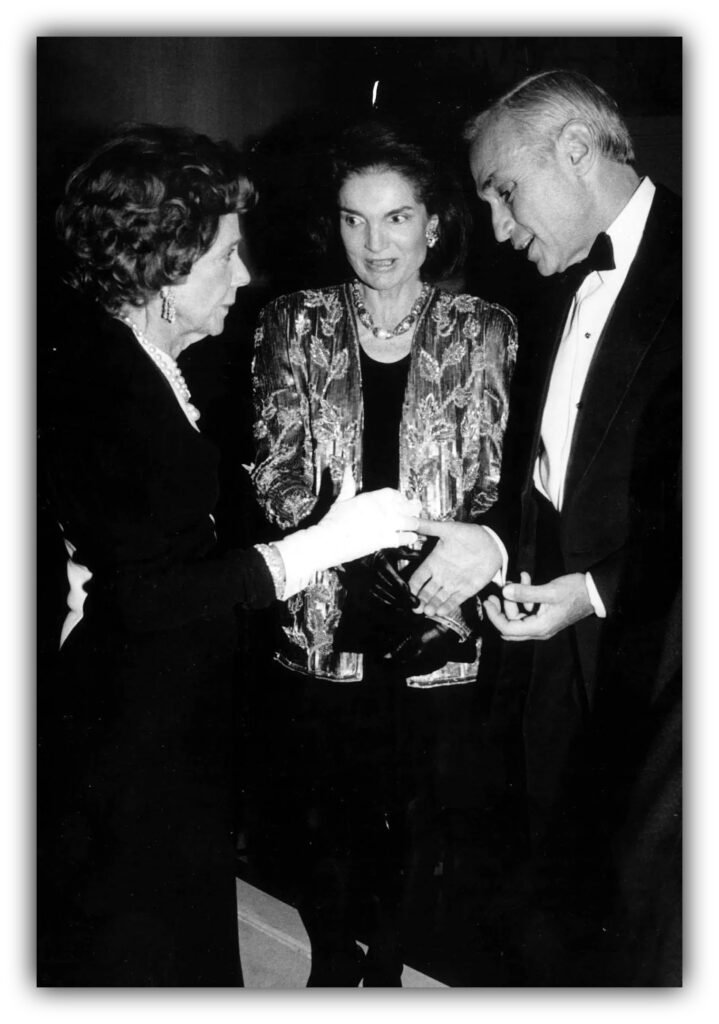
He was already known as one of America’s most successful retailers, building an empire through brands that understood consumer psychology and marketing. Under his leadership, Victoria’s Secret became something much larger than a place to purchase intimate apparel.
It became a fantasy.
The company transformed lingerie from a private purchase into a lifestyle brand. Catalogs became highly anticipated. Advertising became aspirational. The Victoria’s Secret Angel became a symbol recognized around the world.
The models were no longer just models. They were celebrities.
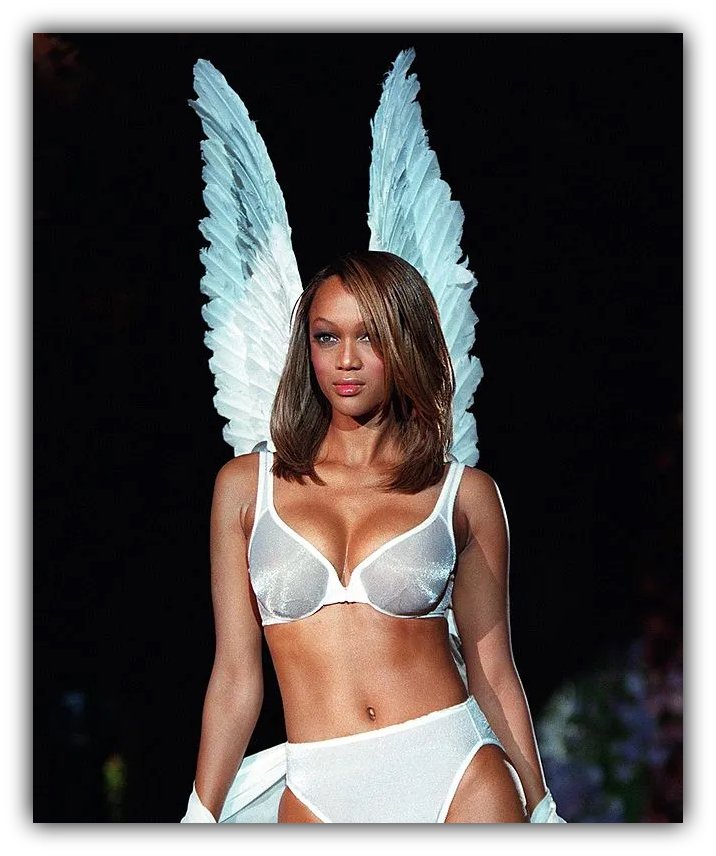
The annual fashion show became a cultural event watched by millions. For many viewers, the Angels represented the ultimate version of femininity. But that image also created a standard few women could realistically reach.
Selling the Perfect Body
Victoria’s Secret did not invent unrealistic beauty standards.
Hollywood, fashion magazines, advertising, and entertainment had been promoting idealized images for decades. But Victoria’s Secret became one of the most powerful examples of how a beauty ideal could be packaged, marketed, and sold directly to women.
The brand’s signature look was highly specific:
- A very thin, toned body
- A narrow waist
- Long legs
- Flawless skin
- Full, rounded breasts presented as the ideal feminine shape
For many young girls growing up with that imagery, it created a confusing expectation:
- Be smaller, but also curvier.
- Be natural, but look flawless.
- Be effortlessly beautiful, but match an image created through professional styling, photography, makeup, lighting, and marketing.
Many women remember growing up during this era and looking at the women in catalogs, advertisements, and fashion shows and wondering the same thing:
How do I look like that?
How do I get that body?
What do I need to change to become that version of beautiful?
The problem was that the answer was always just out of reach.
The image being sold was not simply a matter of diet, exercise, or finding the right product. It was the result of carefully selected models, professional styling, makeup, lighting, wardrobe, posing, and photo editing, combined with a body type that most women could not naturally replicate.
Yet the message remained powerful: If you bought the right products, followed the right routines, and made the right changes, perhaps you could get closer to the fantasy.
For many women, the frustration was not that they failed to achieve the ideal. It was that the ideal was never designed to be achievable in the first place.
Researchers studying media influence and body image have long found that repeated exposure to unrealistic beauty ideals can contribute to body dissatisfaction and lower self-esteem for some girls and women.
A brand may sell a product. But it can also sell an idea about what women should look like, how they should be valued, and what they are expected to change about themselves.
The Jeffrey Epstein Connection
Years after Victoria’s Secret became a global brand, another story emerged involving Les Wexner and Jeffrey Epstein.
Wexner, who built the modern Victoria’s Secret empire, had a close personal and financial relationship with Epstein. Investigations and court records established that Epstein managed significant aspects of Wexner’s financial affairs and at one point held power of attorney over him.
Wexner later said Epstein had betrayed his trust, misrepresented himself, and stolen substantial amounts of money. He has said he ended the relationship years before Epstein’s 2019 arrest.
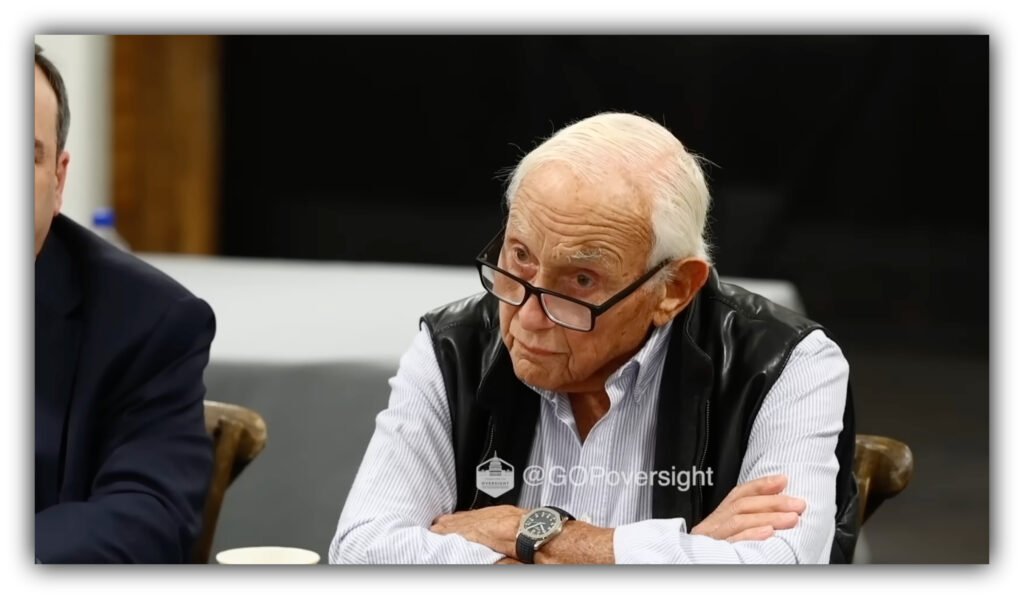
Wexner has not been charged with participating in Epstein’s crimes. That distinction matters. So does another one:
The original founders of Victoria’s Secret had no known connection to Epstein.
However, Epstein’s association with Wexner and the Victoria’s Secret name became part of the larger public examination of how wealth, influence, and reputation can create access and credibility.

Multiple women have alleged that Epstein used his connection to the fashion world, including references to Victoria’s Secret, when presenting himself as someone who could help aspiring models. Those allegations became another painful chapter in the complicated history surrounding the brand.
When the Fantasy Started to Crack
By the late 2010s, the cultural conversation had changed. Women began questioning whether they wanted to keep buying into a version of beauty that felt unrealistic and, for many, uncomfortable. They wanted to see:
- Different body types
- Different ages
- Different backgrounds
- Different experiences reflected in fashion
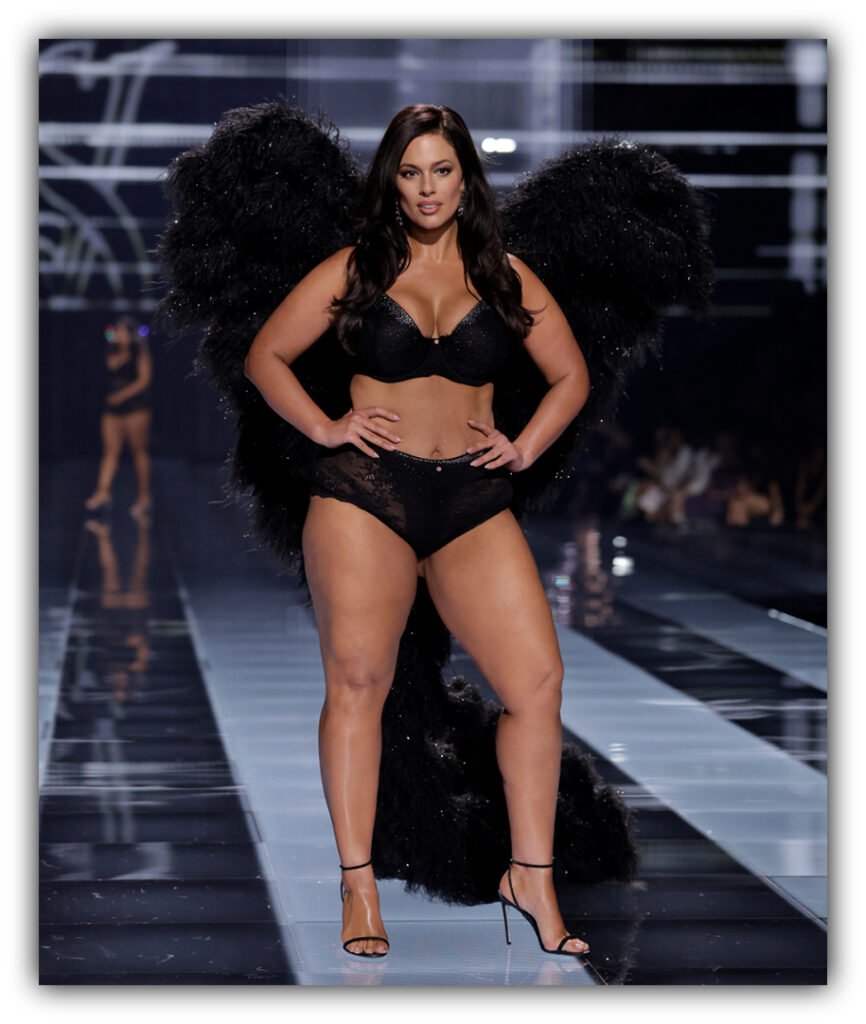
But they also wanted something much simpler:
- Bras that were comfortable enough to wear all day
- Underwear that fit real bodies
- Styles that looked natural instead of overly constructed
- Products designed for women’s lives, not just for a fantasy sold to them
For years, Victoria’s Secret had built its identity around push-up bras, dramatic silhouettes, and a highly polished image of femininity. But many women began looking elsewhere for brands that offered comfort, inclusivity, and a more realistic approach to everyday clothing.
The Victoria’s Secret image that had once seemed untouchable began to feel outdated.
The company faced criticism over its marketing, leadership decisions, and workplace culture. The famous fashion show was eventually canceled, and Victoria’s Secret began efforts to rebuild its image.
The brand that had spent decades selling one narrow definition of beauty now had to respond to women asking for something different: products that served them, rather than asking them to become someone else.version of beauty now had to respond to a world asking for many versions.
Why Jax’s “Victoria’s Secret” Resonated
When singer Jax released “Victoria’s Secret” in 2022, the song connected because it addressed something many women already understood. The problem wasn’t just a store. It was the feeling of growing up believing your body needed to be changed before it could be accepted.
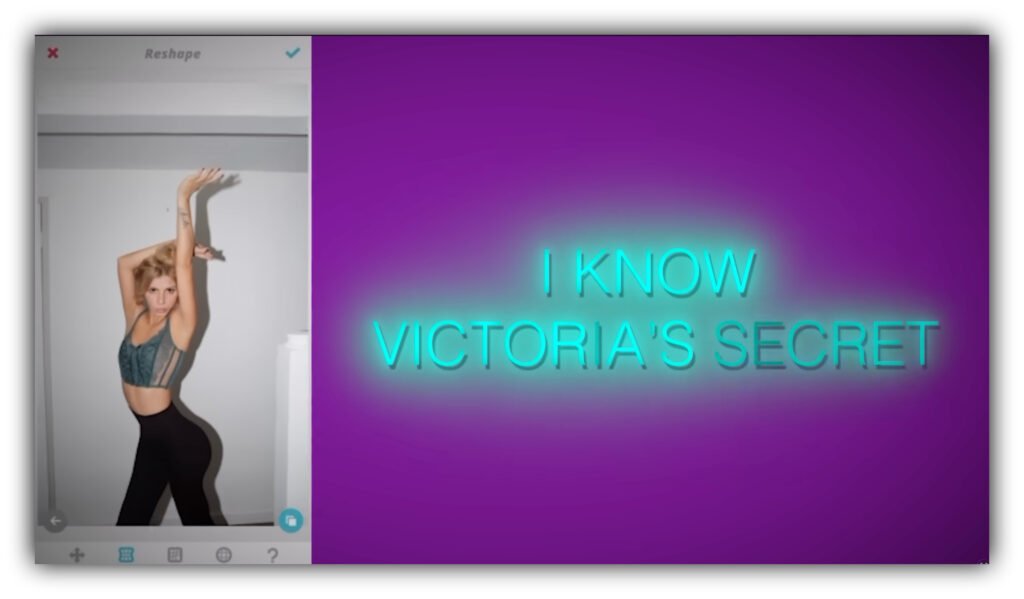
The song’s reference to “an old man who lives in Ohio” points to Les Wexner, the executive who transformed Victoria’s Secret into the empire people recognize today. It does not refer to the company’s original founders. That history matters because the story of Victoria’s Secret is not one simple thing.
It is a story of invention, transformation, marketing, power, and cultural influence. It is also a story of how an empire built by men marketed an ideal of femininity to women, and how generations of women were left questioning why they could never measure up.
The Secret We Know Now
For generations of women, Victoria’s Secret was part of the background noise of growing up.
The catalogs.
The commercials.
The fashion shows.
The comparison.
Many women spent years learning to see themselves through a lens created by an industry that benefited from insecurity.
Today, there is a growing understanding that beauty was never supposed to be one shape, one size, or one carefully constructed image. The real story behind Victoria’s Secret is not just about lingerie.
It is about how a brand helped define beauty for a generation, how that definition affected millions of people, and how those same people are now questioning the messages they were taught to accept.
The fantasy was powerful.
But the truth is even more important: No one was ever meant to measure their worth against something designed to be impossible.
The conversation surrounding Victoria’s Secret reached a new generation when singer Jax released “Victoria’s Secret” in 2022. After exploring the history, the branding, and the cultural impact of the company, the song offers a modern reflection on the legacy behind the name.
What do you feel about this post?

Like

Love

Happy

Haha

Sad