





Thanksgiving Flights Face a Systemwide Stress Test
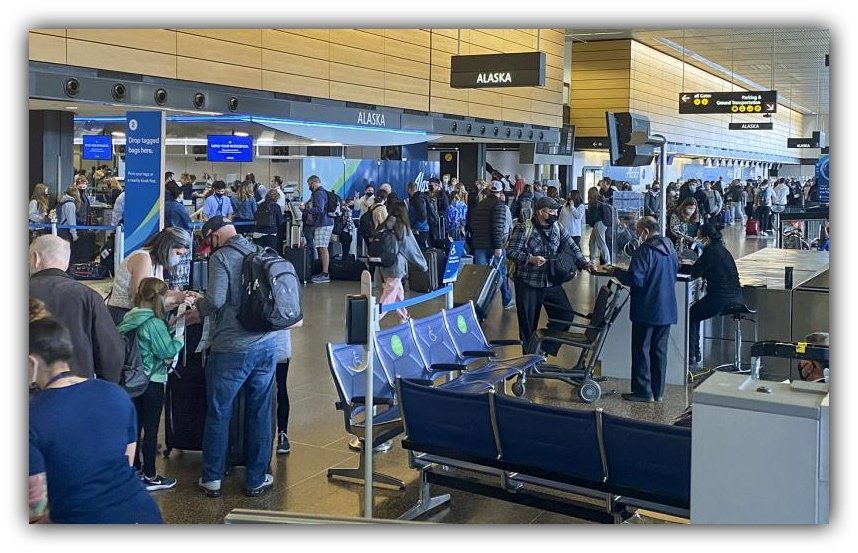
Travelers move through the passenger concourse at Seattle-Tacoma International Airport, one of the major connecting hubs for Alaska travelers. With millions of Americans expected to fly over Thanksgiving week, crowded terminals are only part of the pressure facing the nation’s aviation system. | Photo credit: Port of Seattle.
Record holiday demand is meeting aging federal infrastructure, airline technology failures and weather that could disrupt travel across the country.
Thanksgiving is one of the busiest travel periods of the year. This year, however, the challenge facing America’s aviation system is about more than the number of passengers heading home for the holiday.
The system is preparing to handle a heavy schedule of flights after a nationwide Federal Aviation Administration ground stop, a separate technology failure at Delta Air Lines, and a forecast calling for weather-related disruptions in several regions.
For travelers, that combination raises a larger question: Can an already busy aviation system handle record-level demand while managing technology problems, infrastructure concerns and unpredictable weather?
The answer will depend on more than how many aircraft are scheduled to take off. It will depend on the reliability of the systems, people and procedures that keep the nation’s airspace moving.
Thanksgiving Skies Are Expected to Be Crowded
The FAA projects more than 417,000 flights during the nine-day Thanksgiving travel period, making it the busiest Thanksgiving air travel period in 16 years.
Tuesday, November 24, is expected to be the busiest day, with more than 52,000 flights scheduled.
The Transportation Security Administration expects to screen approximately 17.6 million air travelers during the Thanksgiving travel period. That is slightly below last year’s total, but still a substantial number of people moving through airport security checkpoints.
AAA estimates that 81.5 million Americans will travel at least 50 miles from home between November 24 and November 30. That figure includes people traveling by car, plane, train, bus and other transportation. It is not an estimate of air travelers alone.
The numbers describe a country on the move. They also show how much pressure a disruption can place on a system with little room to absorb delays.
The November 13 FAA Ground Stop
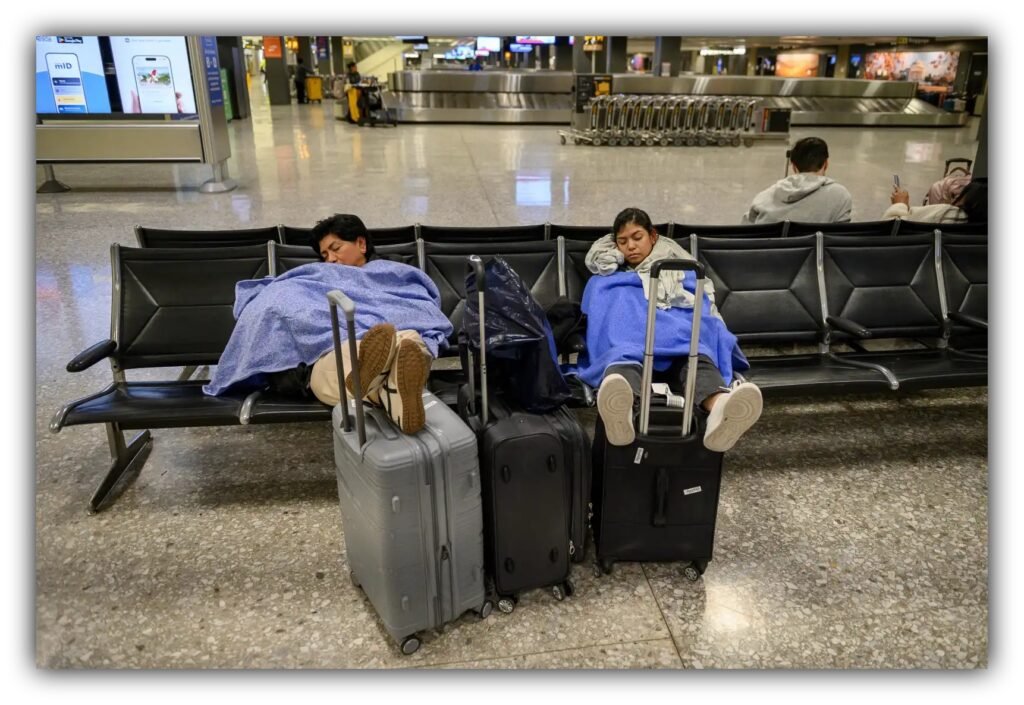
On November 13, the FAA issued a nationwide ground stop after a technical problem disrupted its telecommunications network, which supports air traffic control communications and radar information.
The agency reported instability at 17 of its 22 Air Route Traffic Control Centers. These centers help manage aircraft traveling between airports and across large sections of the country.
The FAA said its legacy telecommunications equipment became unstable after an unusually high volume of connection attempts flooded its network. The agency identified two possible locations associated with the problem: a radar site in Amarillo, Texas, and a radio communications site in El Dorado, Arkansas, where its network provider, L3Harris, had been working.
The FAA said the ground stop was issued as a precaution to protect the flying public. Air traffic operations resumed after the system was stabilized, and the ground stop was lifted at approximately 8:15 p.m. Eastern time.
The disruption was not limited to the hours when flights were held on the ground. Airlines had to deal with aircraft and crews out of position, canceled flights and passengers trying to find another way to reach their destinations.
The FAA reported approximately 12,462 flight cancellations on November 13. The agency cautioned that not all of those cancellations were directly caused by the nationwide ground stop.
The FAA said it found no indication that the incident was a cyberattack. It also said the investigation into the network problem was continuing.
The agency’s own explanation points to a larger infrastructure concern. It acknowledged that the incident underscored the need to modernize aging systems and build a telecommunications network capable of supporting today’s aviation demands.
Delta’s Recovery Took Longer Than the Ground Stop
Delta Air Lines was among the carriers working to recover after the FAA’s November 13 decision.
Although flights began departing after the ground stop was lifted, Delta said it needed time to reposition aircraft and flight crews. The airline warned passengers to expect additional delays and schedule changes over the following days.
On November 15, Delta extended flexible rebooking options through November 16 for customers affected by the disruption.
That recovery period is important because lifting a ground stop does not instantly return an airline to normal operations. Aircraft may be in the wrong cities, crews may be out of position, and passengers may have missed connecting flights. One disruption can continue affecting schedules long after the original problem is resolved.
But the FAA incident was not the last technology problem to affect travelers before Thanksgiving.
A Separate Delta Technology Failure on November 22
On Sunday, November 22, Delta experienced another technology disruption. This time, the problem involved the airline’s own automated system for calculating aircraft weight and balance.
Those calculations are required before takeoff. They help determine how passengers, baggage and cargo must be distributed so an aircraft stays within safe operating limits and maintains the proper center of gravity.
Delta said the system outage forced employees to use manual procedures while the airline worked to restore automation.
More than 1,400 Delta flights were delayed, according to FlightAware figures reported during the disruption. The majority of the problems affected flights at or connected to Hartsfield-Jackson Atlanta International Airport, Delta’s largest hub.
At Delta’s request, the FAA briefly issued a ground stop for certain Atlanta-bound flights. That restriction was later replaced with a ground delay program, which manages arrivals by spacing out aircraft.
The FAA specifically said the November 22 disruption was not related to its air traffic control systems.
That distinction matters.
The November 13 incident involved the federal government’s air traffic control telecommunications network. The November 22 incident involved Delta’s internal operational technology. They were separate problems with different causes.
Both, however, disrupted flights during the days leading into one of the busiest travel periods of the year.
Weather Adds Another Layer of Uncertainty
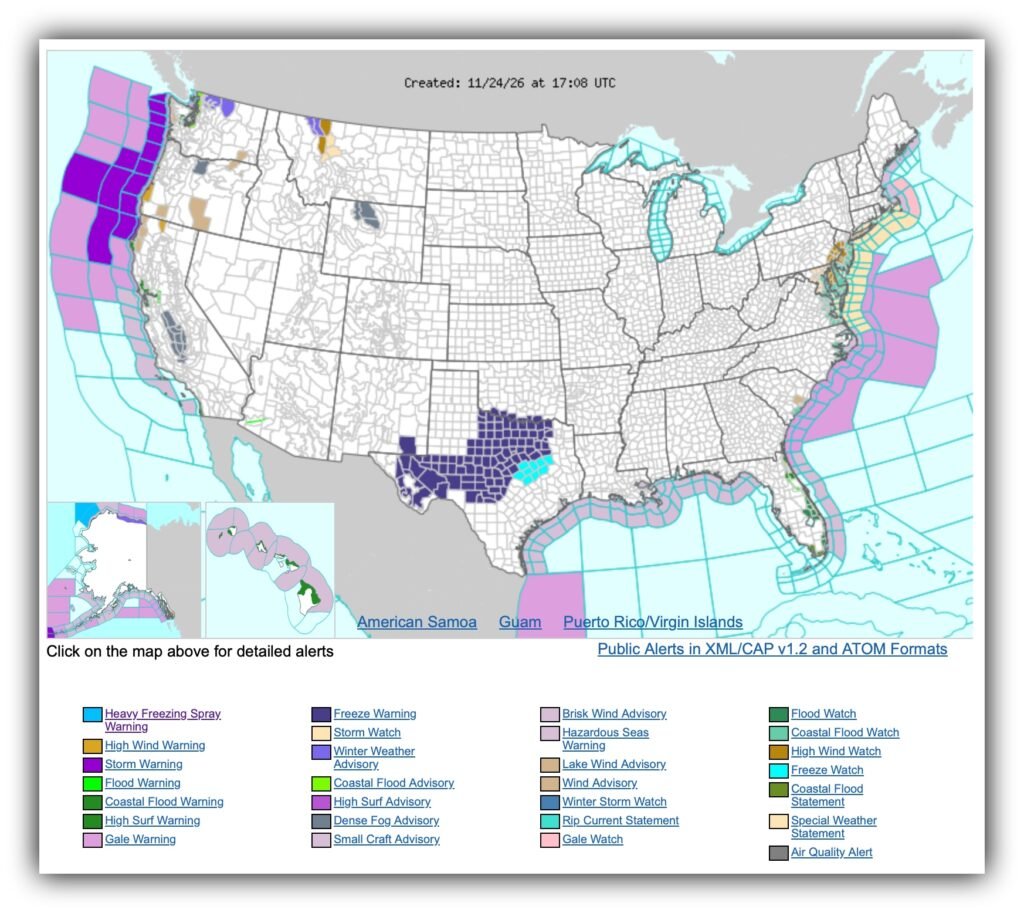
A powerful coastal storm is expected to develop along the East Coast and strengthen through Thanksgiving Day, creating potentially serious travel problems from Georgia and the Carolinas north through the Northeast.
The National Weather Service warns that coastal flooding will be the biggest concern Wednesday and Thursday. Strong onshore winds, high surf and unusually high tides could cause significant flooding and beach erosion.
Heavy rain is also expected from the Southeast through southern New England. Forecasters predict 1 to 4 inches of rain across the Carolinas and Mid-Atlantic, with 1 to 2 inches possible in southern New England. Wind gusts could exceed 50 mph along the coast and reach 45 mph or higher inland, including near the I-95 corridor and central Appalachians. Power outages and tree damage are possible.
The storm could affect airport operations, highway travel and access to coastal communities during one of the busiest travel periods of the year. Travelers along the East Coast should monitor updated forecasts and local emergency guidance.
Other parts of the country face weather concerns, too:
- Pacific Northwest: Rain and higher-elevation snow are expected in parts of the Northwest and Northern California. More precipitation is forecast to move into the region Wednesday night.
- Northern Cascades and Olympic Peninsula: Moderate snow is possible at higher elevations.
- Texas Panhandle: A coating of light snow could affect roads Tuesday morning.
- Ohio and Middle Mississippi Valleys: Rain and a rain-snow mix could create difficult travel conditions Wednesday into Thanksgiving.
- Southeast and Tennessee Valley: Showers and thunderstorms are expected to spread across the region Wednesday.
For Alaska travelers connecting through Seattle, the Northwest forecast deserves attention, particularly if higher-elevation snow affects regional operations. East Coast travelers face a more significant concern, with strong winds, heavy rain and coastal flooding potentially disrupting flights and ground transportation.
Weather forecasts can change quickly. Check the National Weather Service and your airline’s flight updates before leaving for the airport. even when conditions at Ted Stevens Anchorage International Airport are manageable.
What Alaska Travelers Should Know
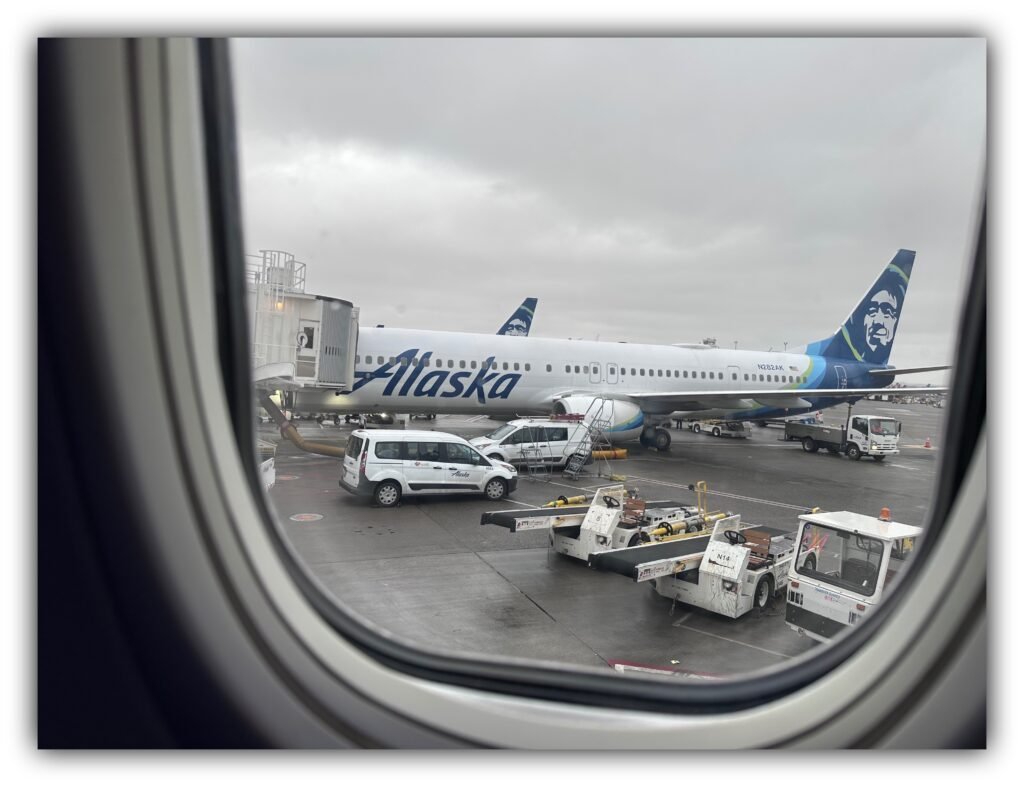
Alaska Airlines expects to operate more than 16,600 flights and welcome nearly 1.7 million guests between November 20 and November 30.
The airline expects Sunday, November 29, to be its busiest travel day, with nearly 174,000 passengers scheduled to fly.
Those figures cover Alaska Airlines and its combined operations with Hawaiian Airlines. The airline also reports that it will operate nearly 6,400 flights to and from Seattle during the travel period, carrying nearly 722,000 guests.
Seattle is an important connection point for many Alaska travelers. Disruptions there can affect passengers traveling between Alaska and destinations throughout the Lower 48, even when their flights do not involve the airports experiencing the original problem.
Travelers should not assume that a flight is unaffected simply because their departure airport is operating normally. Delays elsewhere can affect aircraft availability, crew schedules and connecting flights.
🚨 A Few Steps Before Heading to the Airport
Travelers cannot control federal network failures, airline computer problems or weather. They can, however, take a few steps to make a disruption easier to manage.
- Check your flight before leaving home. Review the airline’s app or website for schedule changes and notifications.
- Check again before boarding. Departure times and gate assignments can change.
- Allow extra time. Holiday airport crowds, security lines, parking and weather can all add time to the trip.
- Keep essentials with you. Pack medications, identification, chargers, important documents and a change of clothes in your carry-on.
- Know your airline’s rebooking options. If a flight is canceled or significantly delayed, use the airline’s app or customer service channels to review available alternatives.
- Watch connecting flights. A delay at one airport can affect the next leg of a journey.
- Check official airport and FAA updates. The FAA’s National Airspace System Status page provides information about airport conditions and air traffic restrictions.
Travelers flying with Alaska Airlines can also review the airline’s holiday travel guidance before departure.
The Bigger Question Goes Beyond Thanksgiving
The November 13 FAA telecommunications failure, Delta’s separate November 22 technology outage and the threat of weather disruptions all point to the same concern: Can America’s aviation system keep up with the demands placed on it?
Neither technology failure was reported as a threat to aircraft safety. But safe operations and reliable schedules are two different things. When a critical system falters, delays can ripple across the country.
The Thanksgiving rush will test how well the aviation system handles that pressure. For travelers, the goal is much more personal than getting a flight out on time. It’s getting home, gathering around the table and spending Thanksgiving with the people who matter most.

A Few Travel-Day Essentials
Flight delays and crowded airports are never convenient, but a little preparation can make the journey easier. These travel accessories may help keep your essentials organized, your devices charged and your carry-on ready for the unexpected.
Apple AirTag (2nd Generation): A Little Tracker for Holiday Travel
Keep Track of Your Luggage Without Spending a Fortune: A missing suitcase can put a serious dent in holiday travel plans. The Apple AirTag helps you keep tabs on luggage, backpacks, purses, keys and other belongings through Apple’s Find My network. It features a built-in speaker to help locate nearby items and offers up to 1.5 times the Precision Finding range of the previous generation.
Setup is simple with an iPhone or iPad, making it an easy addition to your travel gear. And if the current Amazon deal holds, this single AirTag is an especially affordable way to add a little peace of mind before heading to the airport.
Grab the Apple AirTag 2nd Generation on Amazon
Note: AirTag requires an iPhone or iPad for setup and use. A separate holder may be needed to attach it to luggage.
As an Amazon Associate, Alaska Headline Living earns from qualifying purchases.
AHL Travel Pick
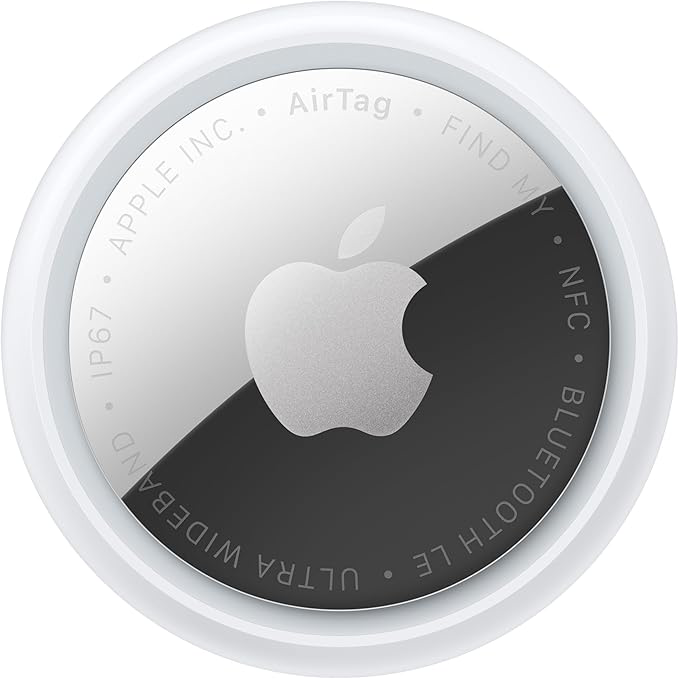
Keep track of checked luggage, carry-ons, backpacks and other travel essentials with Apple’s Find My network.Shop the Apple AirTag 4-Pack on Amazon
Suggested affiliate description:
Keep Tabs on Your Luggage: A misplaced suitcase can turn a holiday trip into a headache. Apple AirTags help iPhone and iPad users locate their belongings through Apple’s Find My network. This four-pack makes it easy to place a tracker in multiple suitcases, backpacks or carry-ons. A little extra peace of mind when holiday airports get crowded.
Note: AirTags require an iPhone or iPad for setup and use. A separate luggage holder may be needed to attach one to a bag.
As an Amazon Associate, Alaska Headline Living earns from qualifying purchases.
Twelve South AirFly Pro 2 Deluxe Bluetooth Adapter
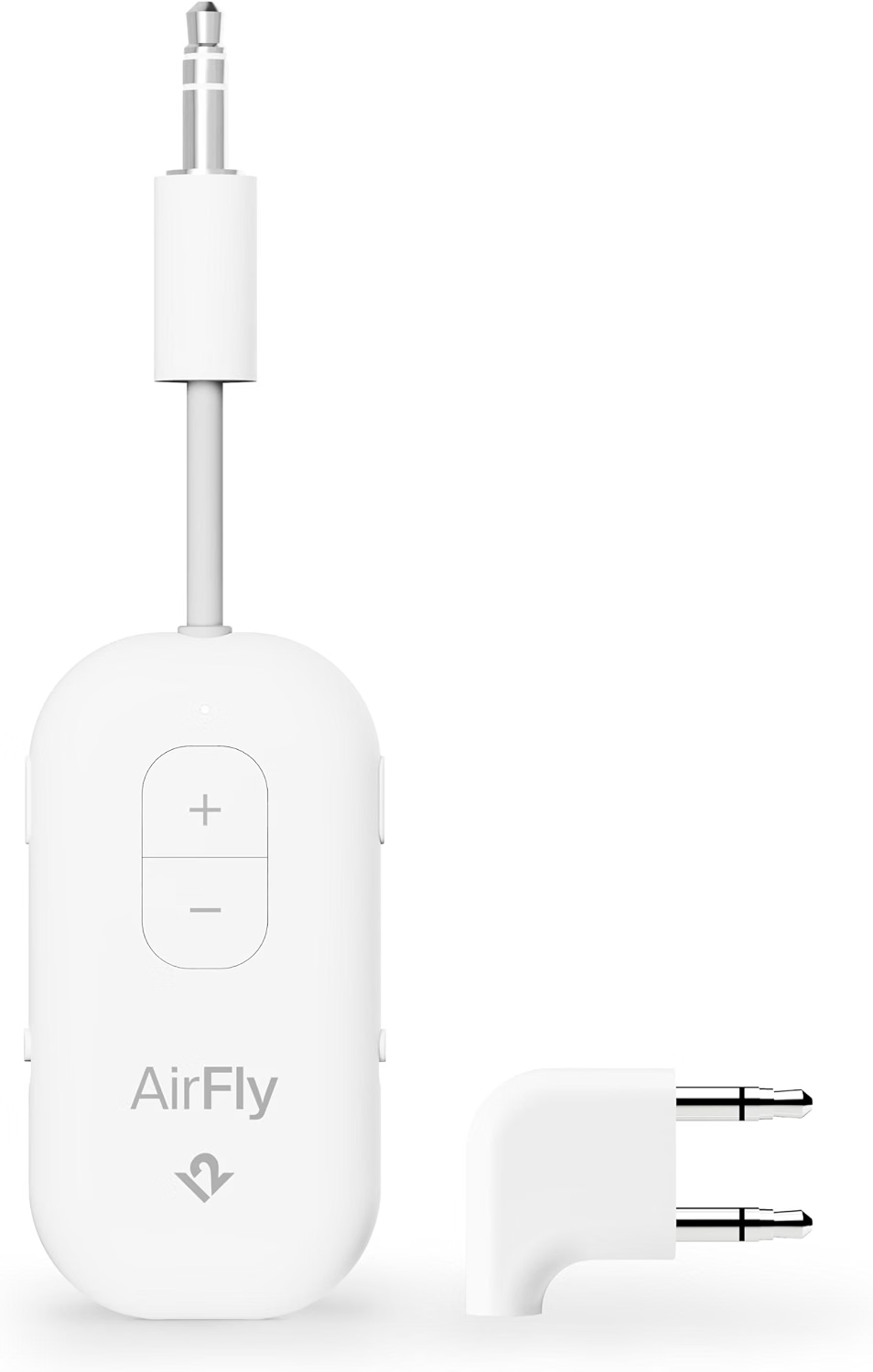
Make the Flight More Enjoyable: Long flights and unexpected delays are easier to manage with a little entertainment. The Twelve South AirFly Pro 2 Deluxe lets you connect your Bluetooth headphones or AirPods to compatible airplane entertainment systems through a standard 3.5mm audio jack. It can pair two sets of headphones at once, making it a handy travel accessory for couples or families who want to watch or listen together.
It also works with other compatible devices, including TVs, cars and treadmills.
Shop the Twelve South AirFly Pro 2 Deluxe on Amazon
Travel tip: Check that your aircraft’s entertainment system has a compatible 3.5mm headphone jack before you fly.
As an Amazon Associate, Alaska Headline Living earns from qualifying purchases.
Sources
Primary sources
- Federal Aviation Administration: 2026 Thanksgiving Air Travel Forecast
- Federal Aviation Administration: Nationwide Ground Stop Questions and Answers
- U.S. Department of Transportation: Update on the November 13 Nationwide Ground Stop
- Delta Air Lines: Operational Recovery Following the FAA-Mandated Nationwide Ground Stop
- Alaska Airlines and Hawaiian Airlines: Holiday Travel Information and Tips
- AAA: 2026 Thanksgiving Holiday Travel Forecast
- FAA: National Airspace System Status
Additional reporting
- Associated Press: Delta’s November 22 Technology Failure
- November 23: Delta Delays and FAA Response
- Reuters: TSA Thanksgiving Passenger Screening Forecast
What do you feel about this post?

Like

Love

Happy

Haha

Sad