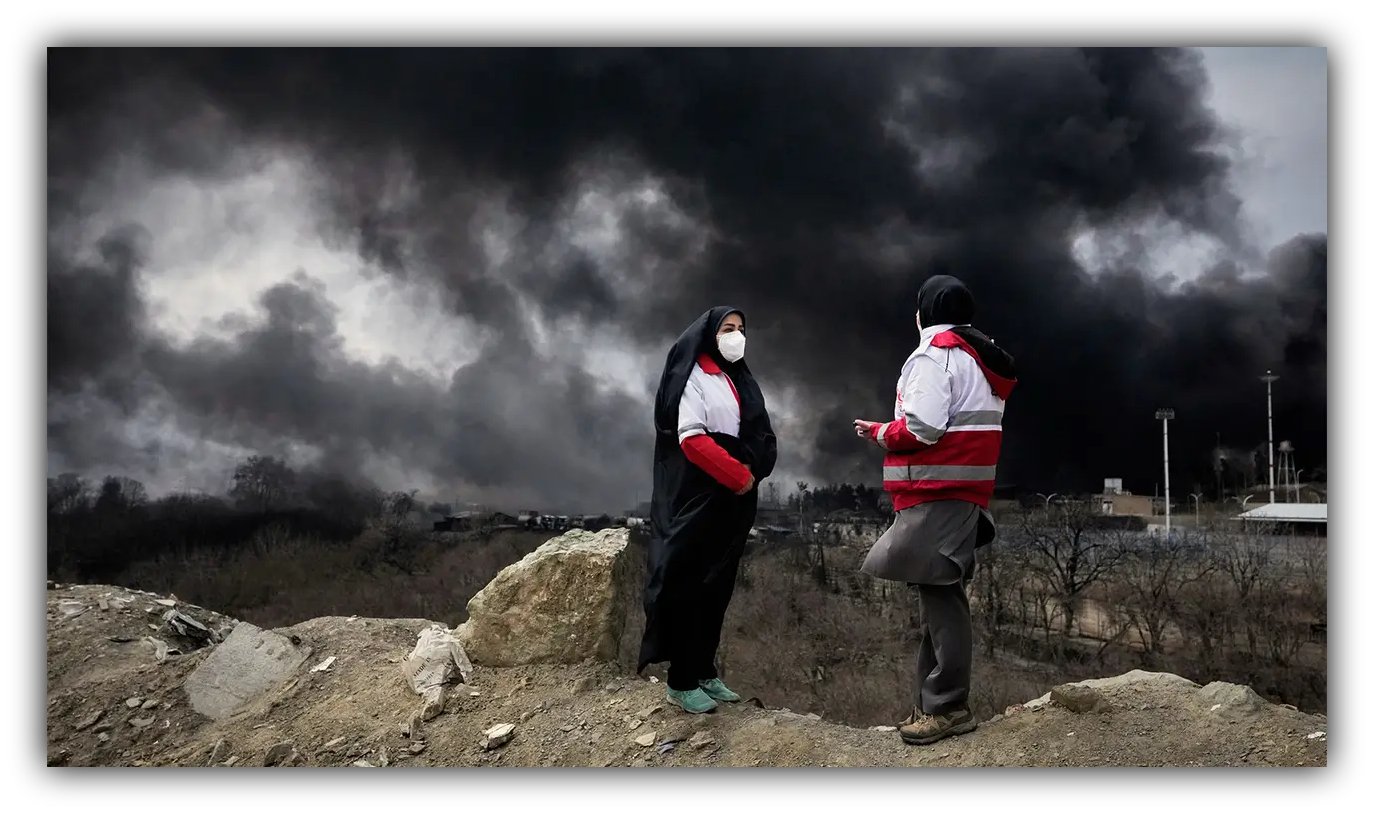
Tehran’s skies boil black acid rain after Israeli strikes on oil depots (AP/Vahid Salemi, March 2026): One of seven hidden crises ignored by mainstream coverage as toxic fallout blankets a city of millions, threatening lungs, water, and daily life.
By Gina Hill | Alaska Headline Living | March 17, 2026
This week spotlights seven underreported crises slipping past mainstream media. From immigrant school barriers to war fallout and policy shadows, primary sources expose one story daily through March 22. Day 2 of 7 starts now.
Iran War’s Human Fallout
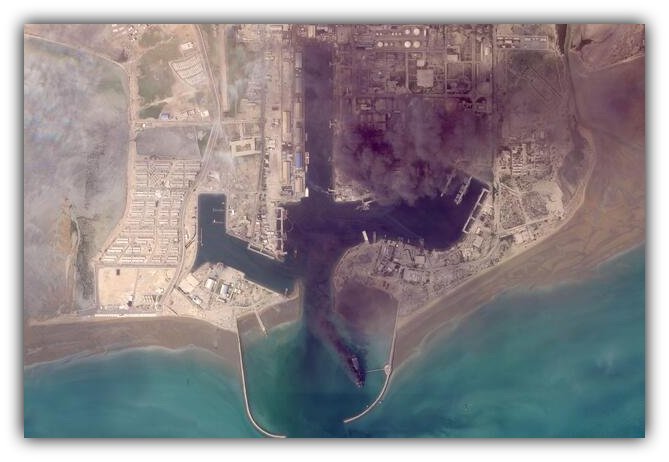
Before the numbers below, an unsettling dimension of this conflict has begun to emerge in plain view from above and on the ground. Satellite imagery providers such as Planet Labs have delayed or restricted release of fresh imagery over the Middle East, citing the intensifying war zone, but older and commercially available overhead imagery has shown extensive fire plumes from strikes on industrial and fuel facilities across Iran’s major urban and processing centers. These visual signatures of burning oil depots and refinery complexes signal a growing environmental crisis that viewers cannot ignore even if they cannot yet see all of the damage in real time.
At the same time health authorities including the World Health Organization have warned that rain falling through smoke and pollution over Tehran and other cities may be “toxic” when it returns to the ground. The WHO notes that burning petroleum products and fuel infrastructure releases hydrocarbon pollutants, sulfur oxides, nitrogen compounds and other contaminants that can contaminate rainwater and settle into soil and water systems, threatening respiratory health and water quality. Short‑term exposure to such polluted air is linked to respiratory distress, eye irritation, heart stress and increased risk of long‑term lung disease, while persistent contamination can enter food and water supplies.
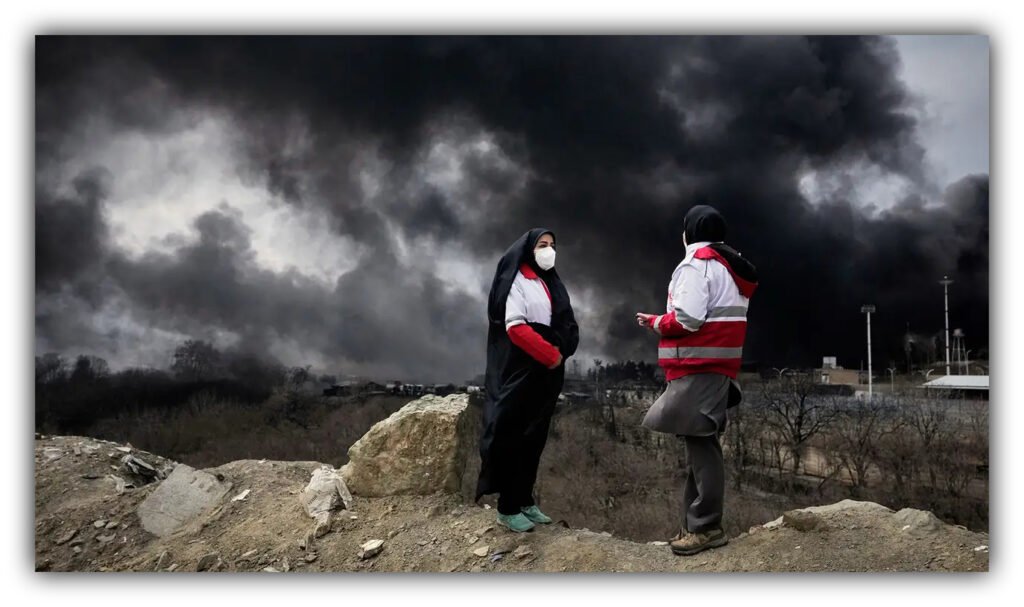
Iran’s own Red Crescent has warned residents that post‑strike rainfall could be highly dangerous and acidic, potentially with a low pH that exacerbates chemical skin burns and severe lung damage. Reports from Tehran describe black rain falling from skies enshrouded in smoke, with residents experiencing headaches, throat irritation and burning sensations, symptoms consistent with combustion‑related pollution and particulate exposure. Medical officials have said that emergency room visits for heart and respiratory issues have risen sharply, with tens of thousands seeking care amid the deteriorating air quality.
This environmental and health dimension places civilian lives at risk far beyond the immediate blast zones. It also shows how the ruins of infrastructure can become an unacknowledged battlefield for long‑term public health, especially when contaminants settle into air and water in densely populated areas.
Civilian Deaths and Casualties
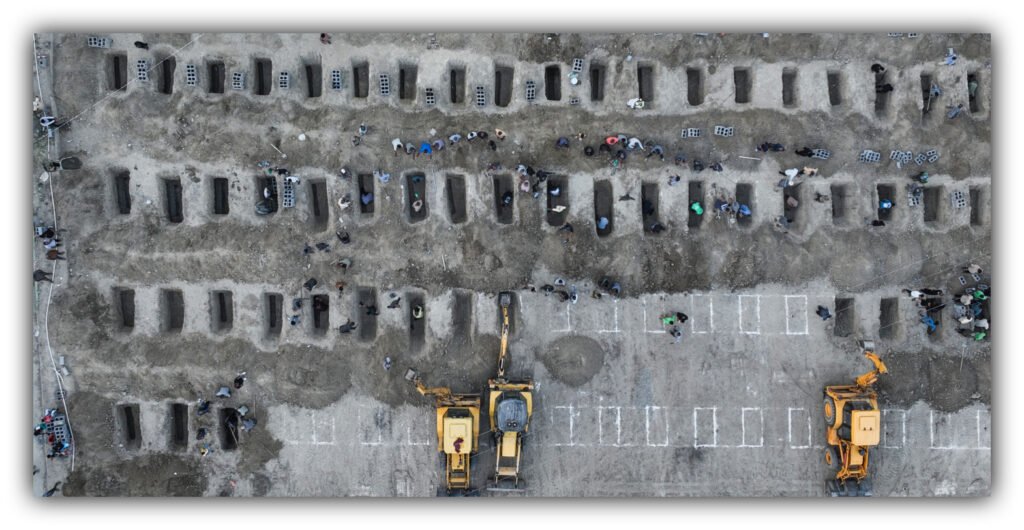
As of March 16 figures from multiple monitoring sources show ongoing civilian harm. Credible compilations list over 3,000 killed inside Iran, with at least 1,330 reported civilian deaths tied to U.S. and Israeli strikes on cities, infrastructure and industrial areas. One of the most harrowing episodes was a missile strike on Shajareh Tayyebeh Primary School in Minab, where between roughly 175 and 180 children and teachers were killed. Independent monitors also report hundreds of additional civilian deaths and injuries across multiple provinces.
Mass Displacement and Regional Spread
The United Nations reports that more than 3 million people have been displaced inside Iran alone because of ongoing bombardment and unsafe living conditions. Families are fleeing urban centers under attack for whatever shelter they can find, swelling internal refugee movements not seen at this scale in the region in years.
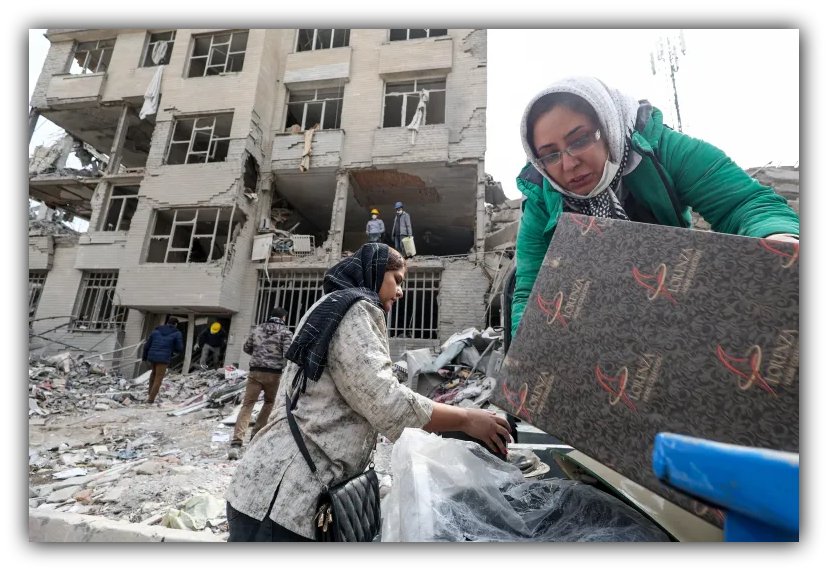
Neighboring Lebanon has also felt spillover impacts. Renewed conflict there has driven hundreds of thousands from homes, with some displacement estimates nearing 800,000 people amid ongoing hostilities.
These figures represent only the beginning of a humanitarian disaster that extends from direct blast and strike casualties to pervasive environmental contamination now visible from orbit and palpable in the lungs of civilians on the ground. What the satellites capture in smoke plumes and fire scars may be the first clue to deeper long‑lasting threats to public health, clean water, arable land and future food security. These are consequences that could shape the region for years.
Day 3 Tomorrow: Attacks on Immigrant Kids’ Schools. Share if this hits home. ↗️
Sources
• Satellite imagery reporting and vendor restrictions indicating evolving visibility of conflict zones.
• World Health Organization and UN summaries of environmental health risks tied to industrial fires and black rain.
• Iranian Red Crescent health warnings and resident accounts of toxic rain and air quality.
• Aggregated casualty figures for Iranian civilian deaths and displacement.
• UN refugee agency and NGO reports on displacement inside Iran.
• Regional conflict displacement estimates from Lebanon.