





Musk Election Allegations Move to Prosecutor Review
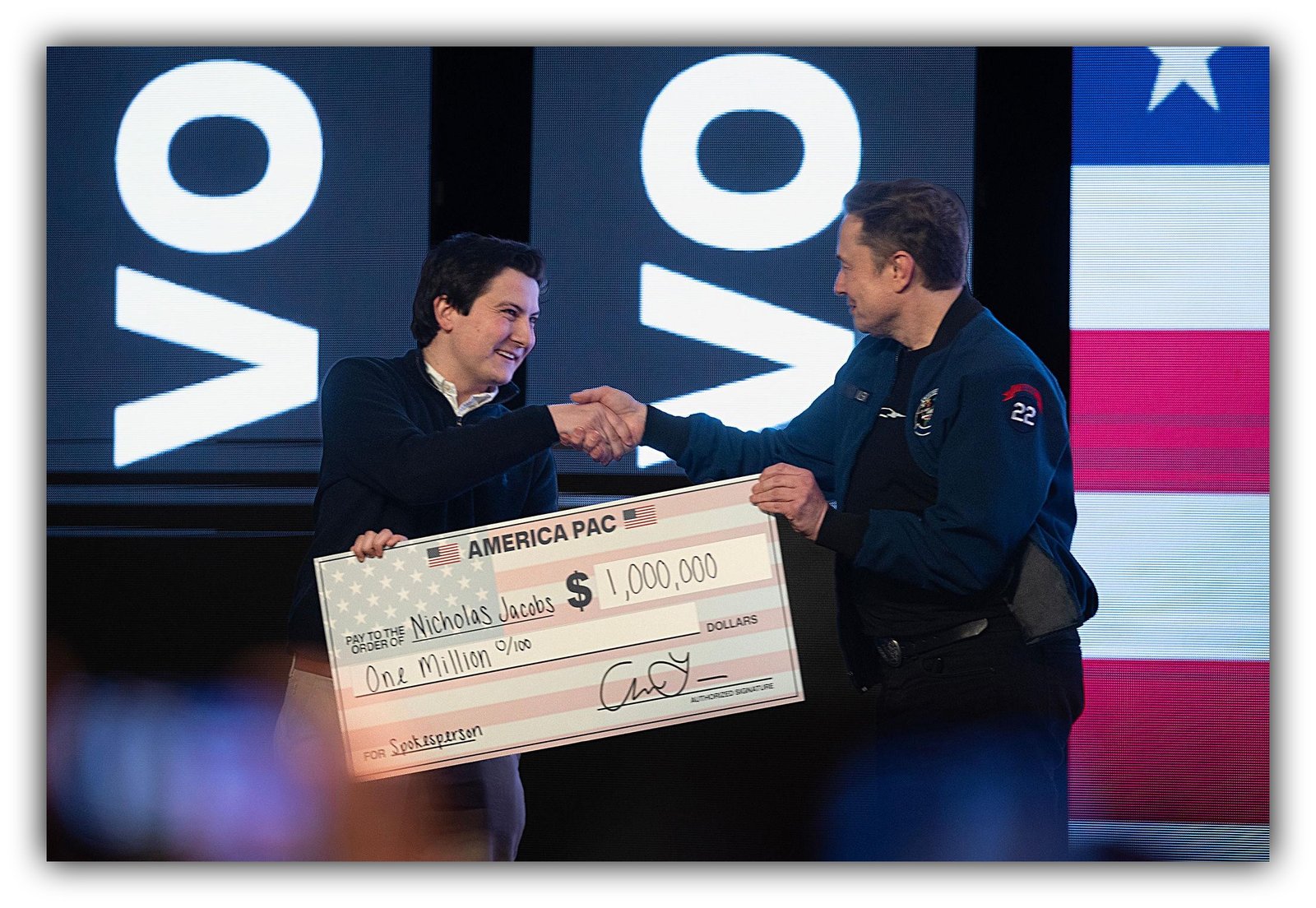
Elon Musk presents a novelty $1 million check during a 2025 Wisconsin event connected to the state Supreme Court race. Complaints filed with the Wisconsin Elections Commission alleged the payments constituted violations of Wisconsin election bribery laws. The commission later referred the matter to the Brown County District Attorney’s Office after finding probable cause. (AP Photo/Jeffrey Phelps)
Wisconsin Elections Commission referral puts voter payment complaints before Brown County DA
By Gina Hill | Alaska Headline Living | Saturday, July 18, 2026
A legal controversy surrounding Elon Musk’s voter payment program during the 2025 Wisconsin Supreme Court race has moved to the next stage after the Wisconsin Elections Commission referred complaints alleging election law violations to the Brown County District Attorney’s Office.
The commission’s action does not determine whether Musk committed a crime. Instead, commissioners found probable cause that the allegations warranted further review by prosecutors.
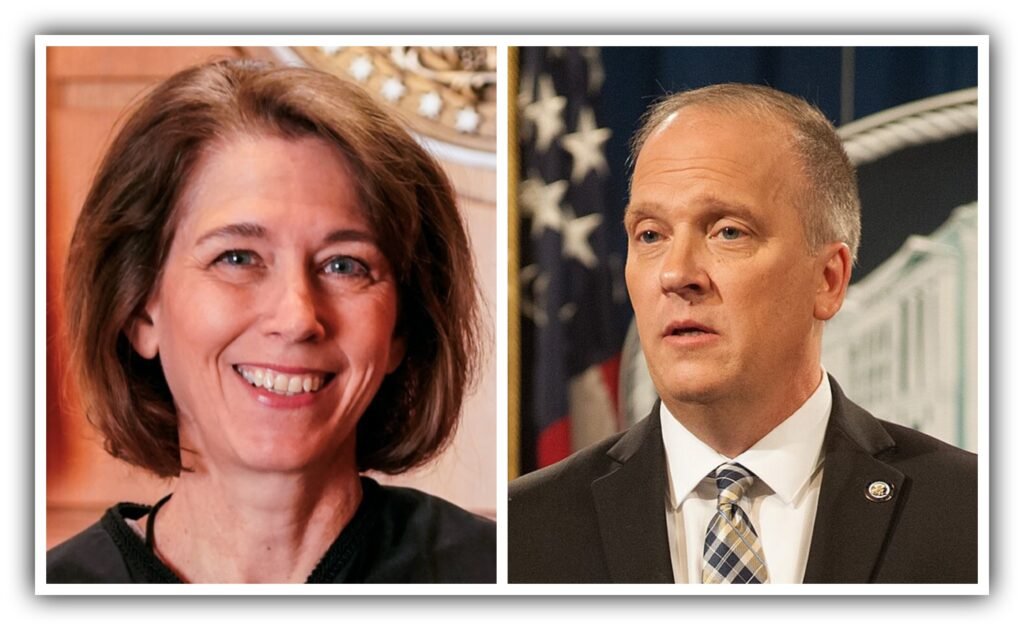
The decision now rests with Brown County District Attorney David Lasee, who will determine whether the matter moves forward as a criminal case or ends after review.
How the Controversy Began
The complaints stem from Elon Musk’s involvement in the 2025 Wisconsin Supreme Court race between conservative candidate Brad Schimel and liberal-backed candidate Susan Crawford.
The race drew national attention and became the most expensive judicial election in U.S. history. Musk supported Schimel during the campaign and promoted a voter engagement effort connected to his political organization.
At events in Wisconsin, including one in Green Bay, Musk distributed large novelty checks totaling $1 million to selected individuals.
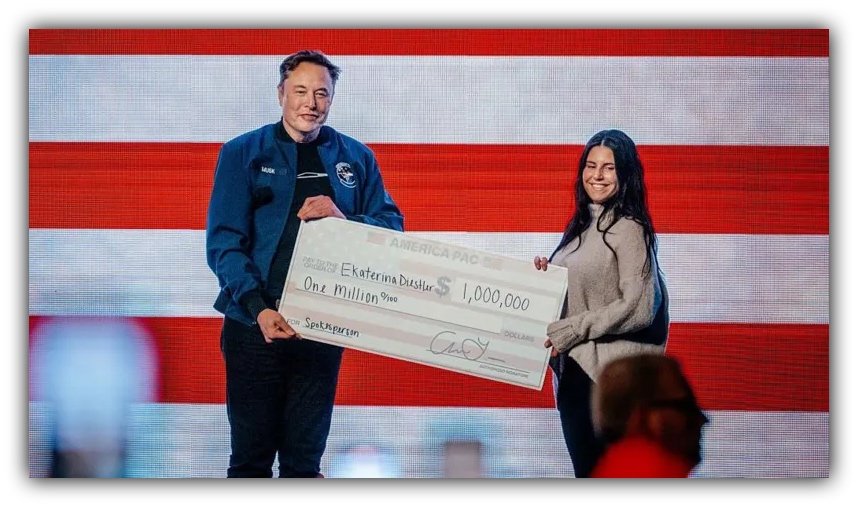
Musk said the payments were not intended to purchase votes. He described the effort as encouraging civic participation and supporting political advocacy.
The complaints filed with the Wisconsin Elections Commission alleged that the payments violated Wisconsin election bribery laws by improperly influencing election-related activity. The allegations center on whether offering large financial rewards connected to an election crossed the legal line into unlawful inducement.
Susan Crawford defeated Brad Schimel in the April 2025 election, winning a seat on the Wisconsin Supreme Court. The outcome preserved the court’s liberal majority.
What the Wisconsin Elections Commission Found
The Wisconsin Elections Commission voted 5-1 to find probable cause related to complaints alleging Musk violated state election bribery laws.
A probable cause finding is not a conviction or a determination of guilt. It means commissioners believed there was enough information to refer the matter for further investigation or possible prosecution.
The complaints’ reference to “election bribery” reflects the legal allegations being reviewed. It does not represent a court finding that Musk committed bribery.
The referral moved the matter from the state election commission process to the criminal review process.
The Legal Question Ahead
The central question for prosecutors is whether the conduct described in the complaints meets the requirements of Wisconsin election law.
Investigators will likely examine how the payments were structured, the language used to promote the program, and whether the financial incentives were connected closely enough to election activity to violate state law.
Musk and his supporters have argued that the payments were part of political speech and voter engagement. Critics argue that the size and timing of the payments raise concerns about whether they improperly influenced participation in an election.
What Happens Next
The Brown County District Attorney’s Office now has the responsibility of reviewing the referral and determining the appropriate next step.
Following the Wisconsin Elections Commission referral, the district attorney’s office has a review period of up to 40 days to notify the commission of its decision. That review period does not require prosecutors to file charges. It allows the office time to evaluate the allegations and determine whether further action is warranted.
Several outcomes are possible:
The DA could file criminal charges.
If prosecutors determine the evidence supports a criminal case, they could file a complaint against Musk. The matter would then move into the court system, where prosecutors would have to prove the allegations beyond a reasonable doubt.
The DA could decline prosecution.
The office could determine that the evidence does not support criminal charges or that prosecution is not appropriate.
The DA could continue reviewing the matter.
Prosecutors could seek additional information or conduct further investigation before making a final decision.
Why the Case is Drawing National Attention
The referral comes as questions continue nationwide about the role of wealthy individuals, outside groups, and political spending in elections.
The 2025 Wisconsin Supreme Court race became a national political battleground, with record-setting spending from outside groups and involvement from high-profile political figures. Musk’s participation and the voter payment program have added another layer to the broader debate over where the line is drawn between political advocacy, financial influence, and election law.
Whatever the prosecutor decides, the case has already raised a larger question facing elections nationwide: How much financial influence can enter the political process before it crosses a legal line?
What do you feel about this post?

Like

Love

Happy

Haha

Sad