









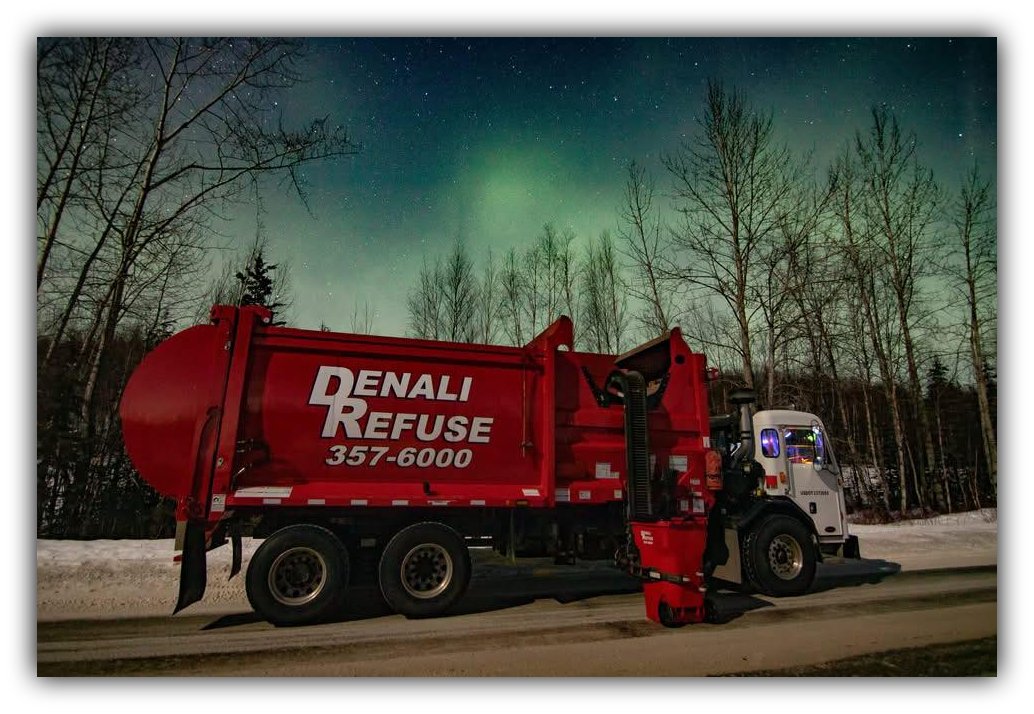
MAT-SU CONSUMER ALERT: Denali Refuse Sold To Alaska Waste
Denali Refuse operated in the Mat-Su Valley for more than a decade as a locally owned waste collection company serving residential and commercial customers across the region before its sale to Alaska Waste.
By Gina Hill | Alaska Headline Living | May 19, 2026
Denali Refuse is out, Alaska Waste is in, and Mat-Su customers are now in a major service transition. Pickup continues for now, but accounts are being moved into Alaska Waste’s billing system.
Denali Refuse confirmed on its Facebook page that it has been sold to Alaska Waste, with customers set to be transitioned into Alaska Waste routes and billing systems while service continues during the handoff.
The immediate impact at the curb is minimal. The bigger question for residents is what they want to do next as the market shifts.
What Residents Can Do Now
This transition creates a window where customers still have time to decide how they want to respond before billing systems and routes fully stabilize.
Option 1: Stay And Monitor The Transition
For many households, the simplest move is to stay in place and let the transition play out. Service is expected to continue without interruption, so the key changes will show up later in billing and account management.
The most important step here is paying attention to your first Alaska Waste statements, since that is where changes in structure, fees, or account handling typically appear first.
Option 2: Compare What’s Still Available
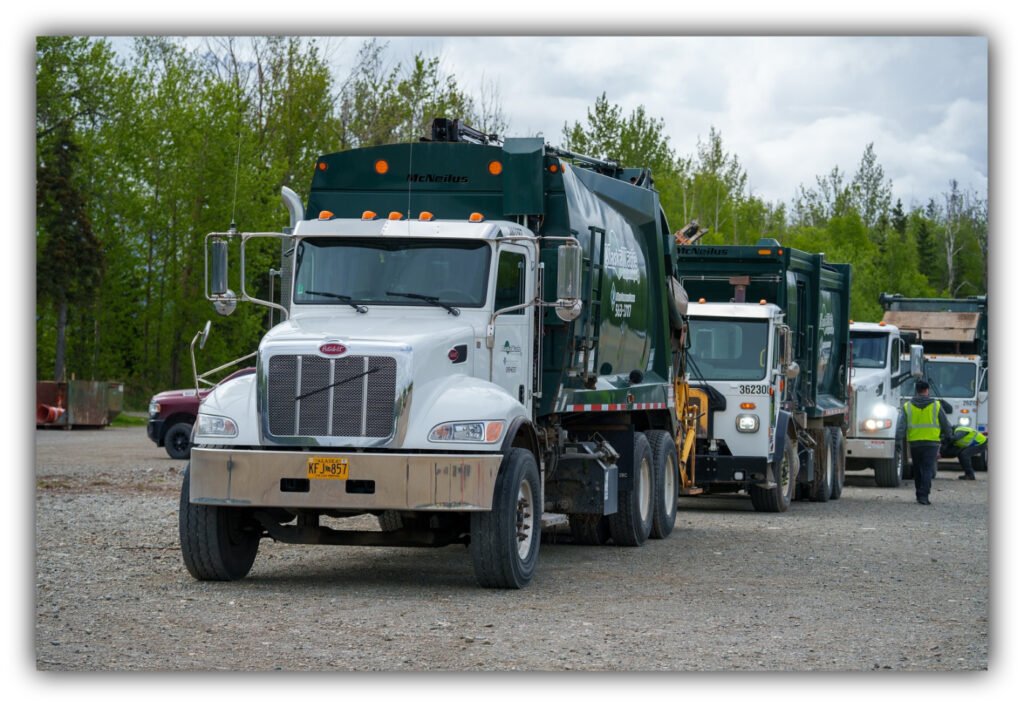
With Denali exiting as an independent provider, Alaska Waste becomes the dominant service across much of the Valley. Even so, smaller independent haulers still operate in limited areas, and Frontier Waste is preparing to enter the market with a waitlist-based launch.
Availability depends heavily on location, but options have not fully closed yet. This is the comparison window before routes and customer bases lock in.
Option 3: Get On New Service Lists Early
Frontier Waste is currently collecting early signups ahead of launch. Like most new haulers, route planning will depend on where customer clusters form first.
Joining a waitlist does not require switching immediately. It simply keeps the option open if new service becomes available in your area.
Option 4: Decide Later, But Watch Closely
Some residents will choose to wait and see how Alaska Waste handles their account before making any changes. That approach works, but flexibility can shrink once routes are fully integrated and service areas are finalized.
The key is not waiting passively. It means tracking your billing closely once the transition begins.
Bottom Line
Service continues today, but the structure behind it is changing fast. What happens next will depend on the choices residents make while options are still available.

What do you feel about this post?

Like

Love

Happy

Haha

Sad