🧠 Seeing Isn’t Believing: How to Spot Fake Photos Before They Fool You
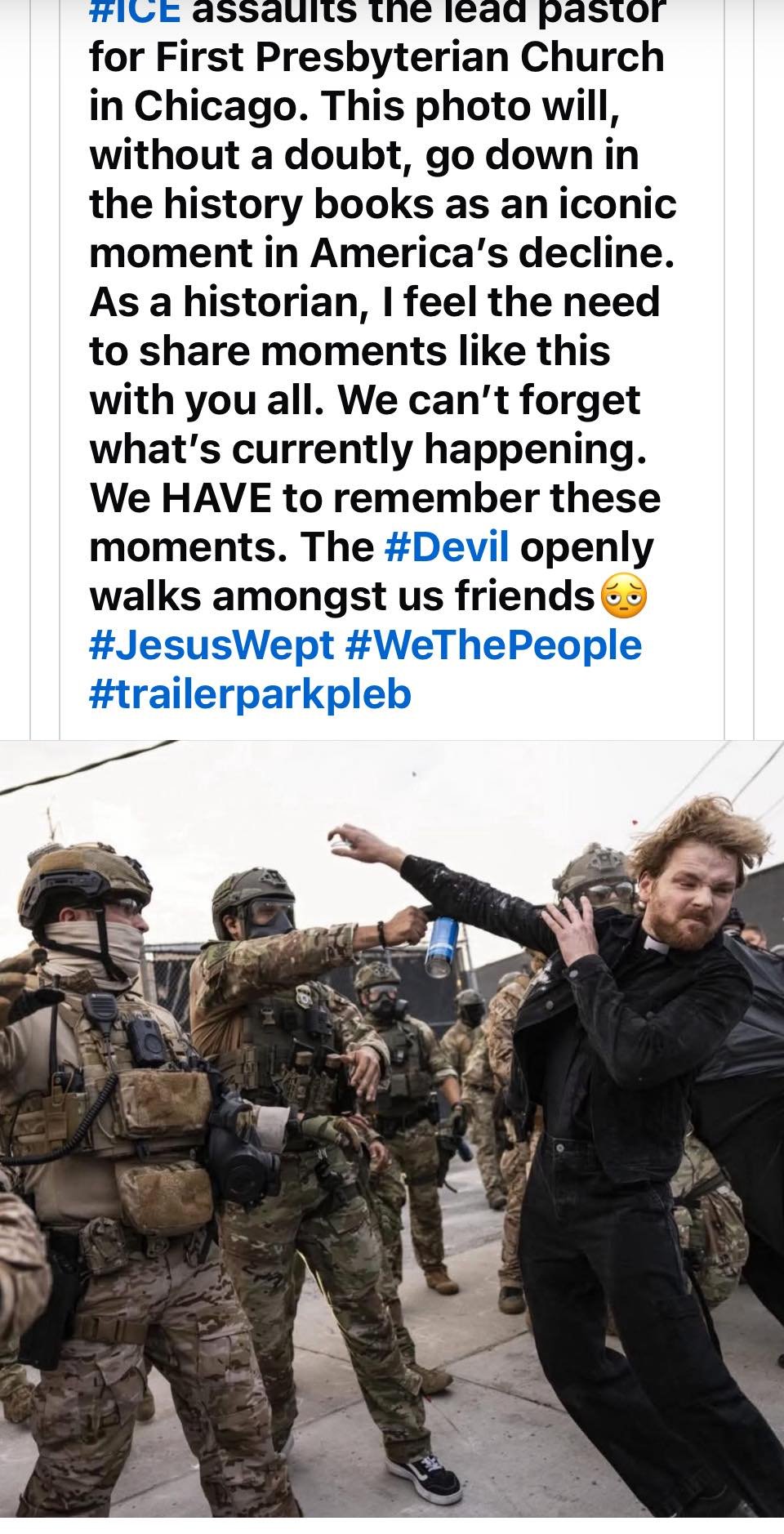
In the age of AI filters and viral outrage, not everything you see online is what it seems. Digital misinformation has gone from clumsy Photoshop jobs to eerily convincing “evidence” that spreads at lightning speed. One recent example: viral posts claiming ICE agents assaulted the lead pastor of Chicago’s First Presbyterian Church.
The story lit up social media, complete with dramatic photos. But there was a problem: those images weren’t from the event at all. Like so many “breaking” viral visuals, they blended real grievances with unrelated or staged imagery to stir emotion and boost engagement.
So, how can you tell what’s fake before it gets another share? Here’s how to stay one step ahead of the misinformation machine.
🔍 1. Reverse Image Search Is Your Superpower
Plug any suspicious photo into Google Images or TinEye. These tools show where the picture first appeared — and in what context. You might find that “new protest photo” actually came from a 2018 march in another country.
📰 2. Check Reputable News Coverage
If a photo’s real, major outlets like CBS News, Reuters, or even watchdog groups like the ACLU will have corroborating details. If no credible outlet is reporting it, that’s your red flag waving.
🧩 3. Spot the Visual Clues
Fake or AI-generated photos often have tiny tells:
- Weird lighting or warped shadows
- Strange hand shapes or missing fingers
- Inconsistent reflections or blurry backgrounds
- If something looks off, it probably is.
🧠 4. Peek Behind the Curtain with Metadata
Digital forensic tools like FotoForensics or Fake Image Detector can reveal hidden data, when a photo was created, what software touched it, or whether it’s been edited.
⚠️ 5. Don’t Take the Bait
If a post is screaming for an emotional reaction, outrage, shock, or moral fury, pause before you share. Sensational hashtags and dramatic comparisons are often designed to bypass logic and go straight for your gut.
🔦 The Truth Behind the “ICE Pastor Assault” Image
The viral post about the Chicago pastor? It’s a masterclass in manipulation.
Pastor David Black has indeed spoken publicly about being struck with chemical projectiles by federal agents during a protest, and lawsuits over such incidents exist. But the images used in those viral posts don’t depict that moment. They’ve been repurposed to exaggerate or misrepresent the facts, and no verified photos tie directly to the claims in circulation.
Independent journalism confirms real tension between federal agents and protesters, including clergy. But the viral imagery? That’s another story, crafted to inflame, not inform.
💡 Who’s Behind the Fakes and Why
Fake or doctored images often trace back to anonymous or politically motivated accounts. Some are individuals pushing ideology; others are bot networks engineered to amplify outrage. Their goal is simple: get you to react, share, and spread, all before you fact-check.
The formula:
- Tap into a real-world controversy.
- Attach an emotionally charged (but false) visual.
- Let social algorithms do the rest.
🧭 How to Fight Back
✅ Verify before you share. Reverse search every “shocking” photo.
✅ Rely on credible journalism. If it’s real, reliable outlets will be covering it.
✅ Educate your circle. Help friends and family understand how easy it is to fake an image and how powerful verification can be.
✅ Support fact-checkers. Platforms like Snopes, Reuters Fact Check, and AP Verify are doing crucial work in the digital trenches.
🌍 The Bottom Line
In a world where AI can generate “evidence” faster than truth can catch up, skepticism is a civic skill. The next time a shocking photo crosses your feed, take a beat. Reverse it, research it, and resist the urge to react. Because the fight against misinformation starts not with algorithms, but with you.