




Alaska Underreported
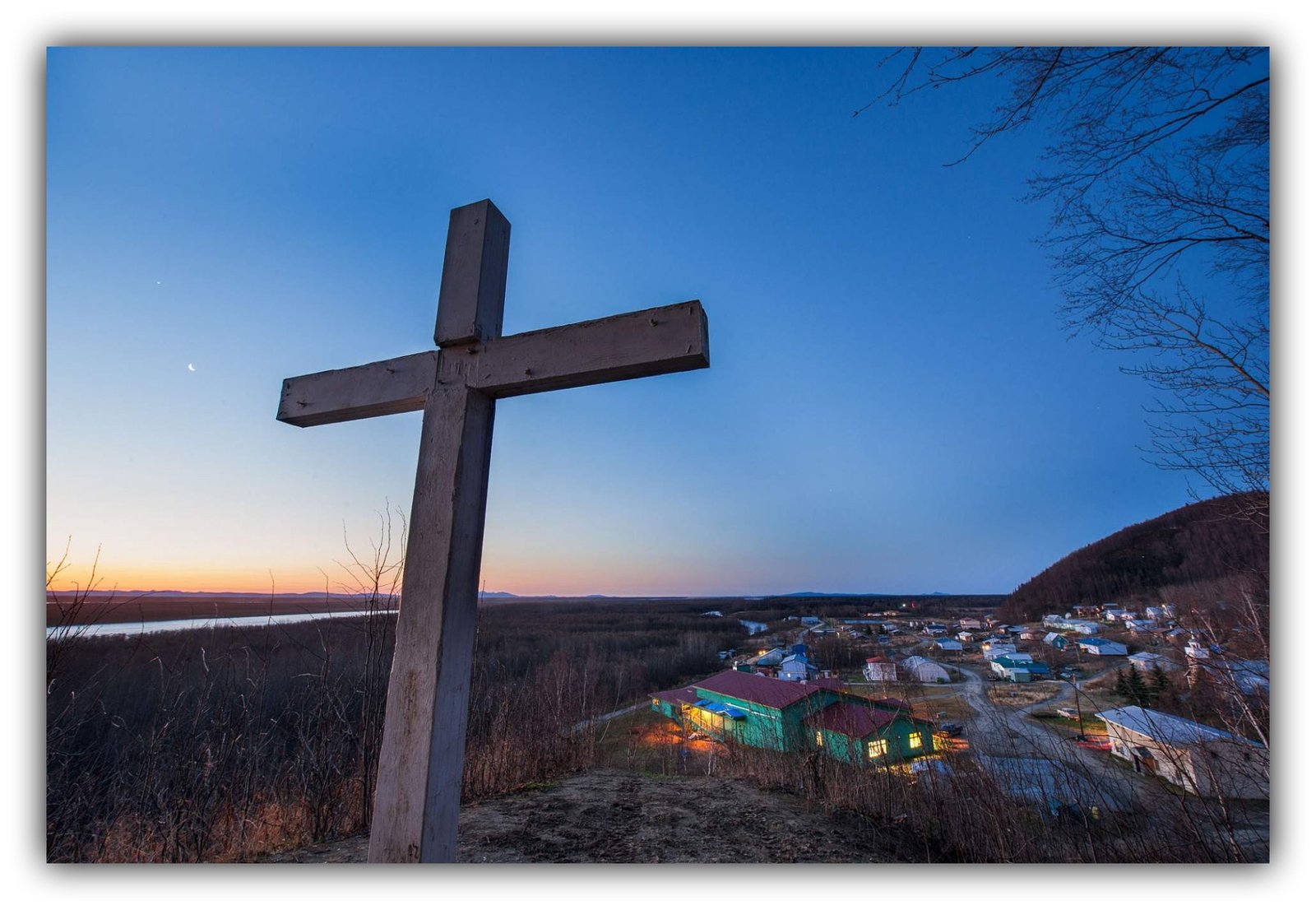
Holy Cross, Alaska, a Yukon River community where long distances, limited road access, and seasonal conditions shape daily life and access to services. Photo by Carl Johnson for Alaska.org.
Three Problems Alaskans Say Never Get the Attention They Deserve
By Gina Hill | Alaska Headline Living | Tuesday, April 28, 2026
Most Alaskans are not learning about these issues for the first time. They are living inside them. What is all too common is how quickly attention fades once something stops being new, even though the underlying conditions do not change.
MMIP: When The Silence Starts After The First News Story

In Alaska, missing and murdered Indigenous people are not abstract issues. They are names that stay present in communities long after wider attention fades. In Anchorage and across rural regions, families often describe the same pattern: an initial period of urgency and visibility, followed by slower updates as cases move through different jurisdictions and systems that do not always operate in sync.
That gap between early response and long-term follow-through is where concern tends to deepen. In some recent Anchorage cases, including those involving young Indigenous women such as Kelly Hunt, families and community members have described the difficulty of maintaining momentum once a case transitions from active search to ongoing investigation. Even when cases remain open, the pace of public updates can slow significantly, leaving families with limited visibility into progress.
Locally, what is often raised is not whether agencies respond, but how consistently that response continues over time. When responsibility shifts between local law enforcement, state agencies, tribal entities, and federal partners, the process can become fragmented. Geography adds another layer, where distance, weather, and limited staffing in rural areas affect how quickly investigators can remain on the ground. Over time, many families describe a feeling that cases become less visible not because they are resolved, but because they move into systems that are harder for the public to see.
Funding and response efforts tend to concentrate on coordination and case support tools rather than sustained investigative presence. Task forces, interagency cooperation, and data systems are part of the response structure, but they do not always translate into consistent, long-term staffing in the communities most affected. The result is a system that can activate quickly, but does not always remain equally visible as cases progress.
Healthcare: When “Access” Means Getting On A Plane
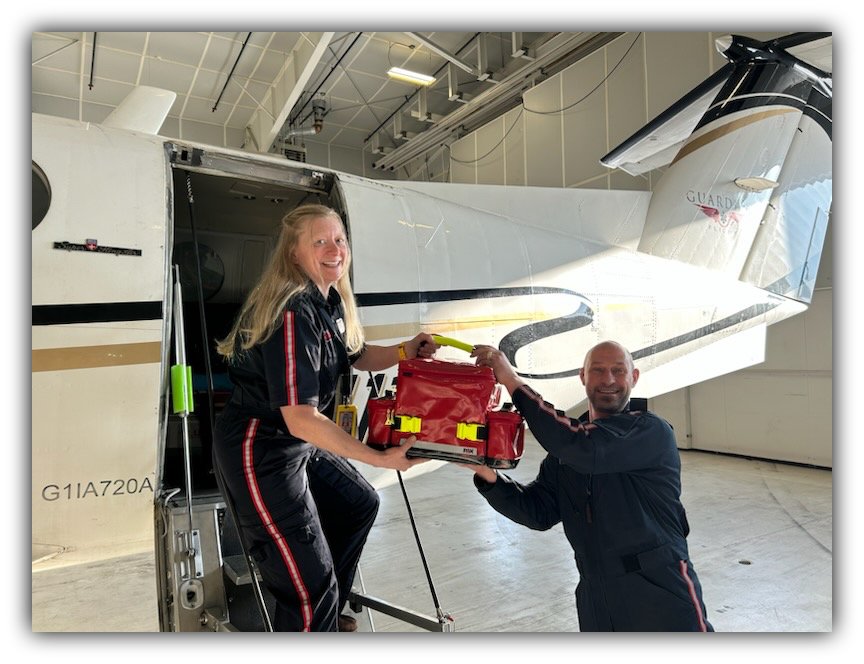
Healthcare in Alaska is often experienced as a chain of steps rather than a single system. Local clinics and community health aides form a strong first layer of care, but anything beyond that quickly depends on travel, weather, staffing availability, and timing. Even when the system functions, it does not always function in sequence.
What locals say is being ignored is how often care depends on conditions outside of medicine itself. Specialist access frequently requires travel to Anchorage or out of state. Medevac flights become a routine part of emergency response. Rural clinics often operate with rotating or unstable staffing, and mental health and addiction services remain limited in many regions. Even telehealth, which is often presented as a solution, is uneven depending on broadband reliability and infrastructure stability.
Funding tends to prioritize bridging gaps rather than building permanence. Support often comes in the form of patient travel assistance, temporary provider staffing, telehealth systems that are not always matched with infrastructure upgrades, and incremental improvements to existing clinics. These measures help individuals move through the system, but they do not always stabilize the system itself.
Housing: When Working Full-Time Still Doesn’t Guarantee A Place To Live

Housing pressure in Alaska is not always visible from the outside, but it shapes daily life in very direct ways. It shows up in crowded homes, in families sharing space longer than planned, and in people moving between temporary arrangements that slowly become permanent. It also shows up in workers turning down jobs because there is nowhere stable or affordable to live once they arrive.
What locals consistently describe as being ignored is not just pricing, but the imbalance between demand and supply. Rent continues to rise faster than wages in many areas, while housing stock in both Anchorage and regional hubs remains limited. Overcrowding is common in multi-generational households, and hidden homelessness appears in vehicles or doubled-up living situations. On top of this, there are often long delays between increases in demand and the completion of new housing construction. Many residents describe it less as a cost problem and more as a supply crisis that never fully catches up.
Funding tends to focus on incremental improvements rather than rapid expansion. Small affordable housing grants, energy efficiency retrofit programs, limited tax incentives for developers, and pilot housing projects make up much of the investment landscape. These efforts are most effective at improving existing housing stock, but they do not significantly change how quickly new housing enters the system.
What Connects All Three
Across all three issues, attention shows up, then fades before anything changes on the ground. A case gets talked about for a few days, a clinic gets attention after a staffing crisis, housing gets attention when rents spike, and then things settle back into the same snafu people were already living in. The systems involved are stretched across distance and different agencies, but for the people dealing with it, that complexity just feels like waiting. What gets built or funded often helps around the edges, but rarely changes the day-to-day experience in a lasting way.
For people who want to help, the difference is follow-through, not a one-time reaction. Keep supporting Alaska-based reporting after the headlines fade. Stay with updates on the same cases, clinics, and housing pressure, not just the first story. Back organizations doing the work on the ground, including Alaska Native Women’s Resource Center, Alaska Network on Domestic Violence and Sexual Assault, Alaska Native Tribal Health Consortium, Southcentral Foundation, and Alaska Housing Finance Corporation. Contact and stay engaged with public agencies like the Anchorage Police Department and Alaska State Troopers when cases need visibility or follow-up. When these issues resurface in the news, treat them less like new stories and more like problems that never stopped needing attention.
It means staying engaged when these stories are not trending, because that is when follow-through matters most.
What do you feel about this post?

Like

Love

Happy

Haha

Sad