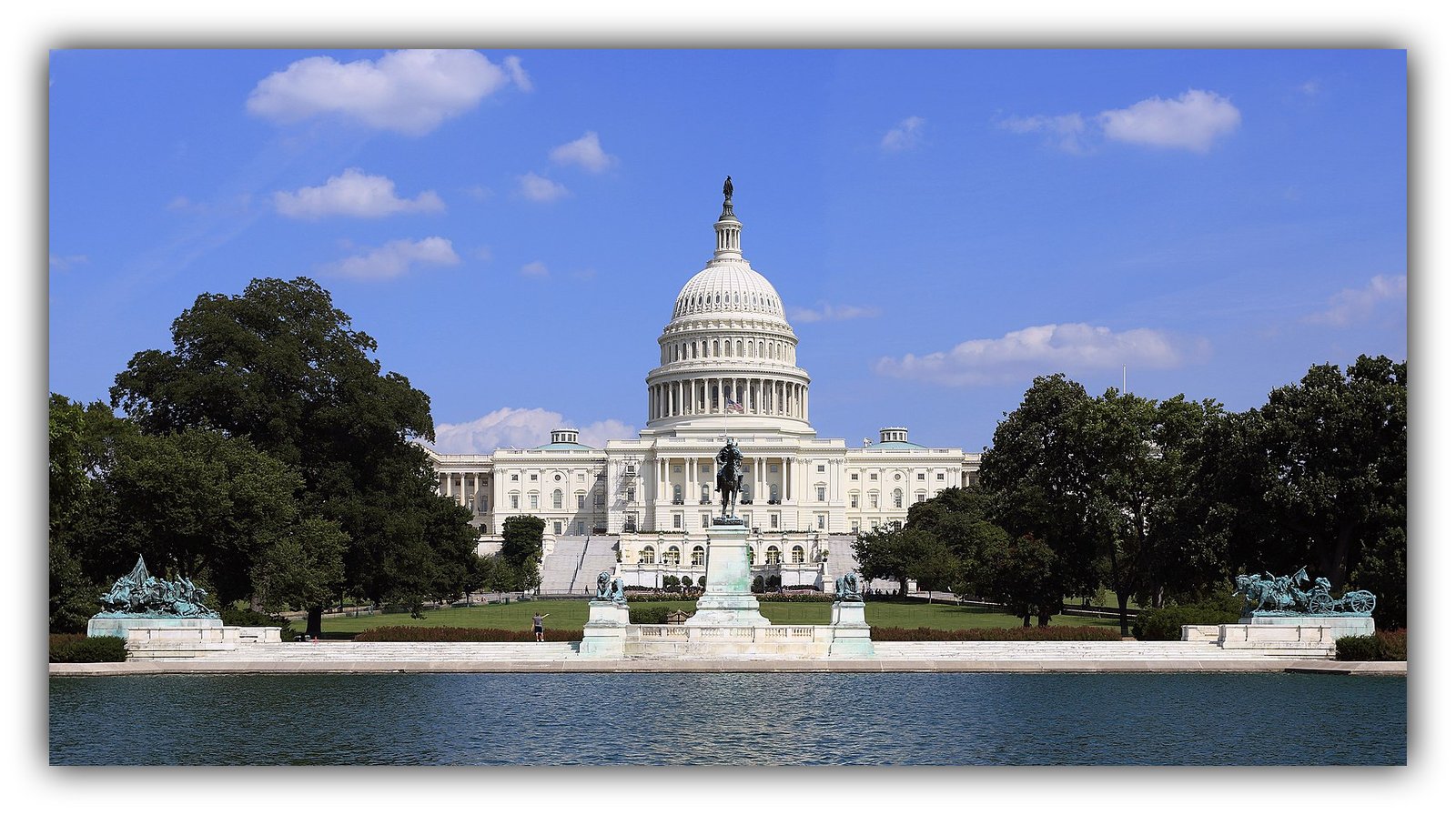
The U.S. Capitol in Washington, D.C., where congressional gridlock over Homeland Security funding triggered a partial federal government shutdown, with Alaska Sen. Lisa Murkowski pushing for bipartisan agreement to restore full operations.
By Gina Hill | Alaska Headline Living | January 2026
According to Sen. Lisa Murkowski, the Senate has now passed 11 of the 12 required appropriations bills to fund the federal government for the remainder of Fiscal Year 2026. The lone exception is the Homeland Security funding bill, which stalled amid disagreements over U.S. Immigration and Customs Enforcement policy.
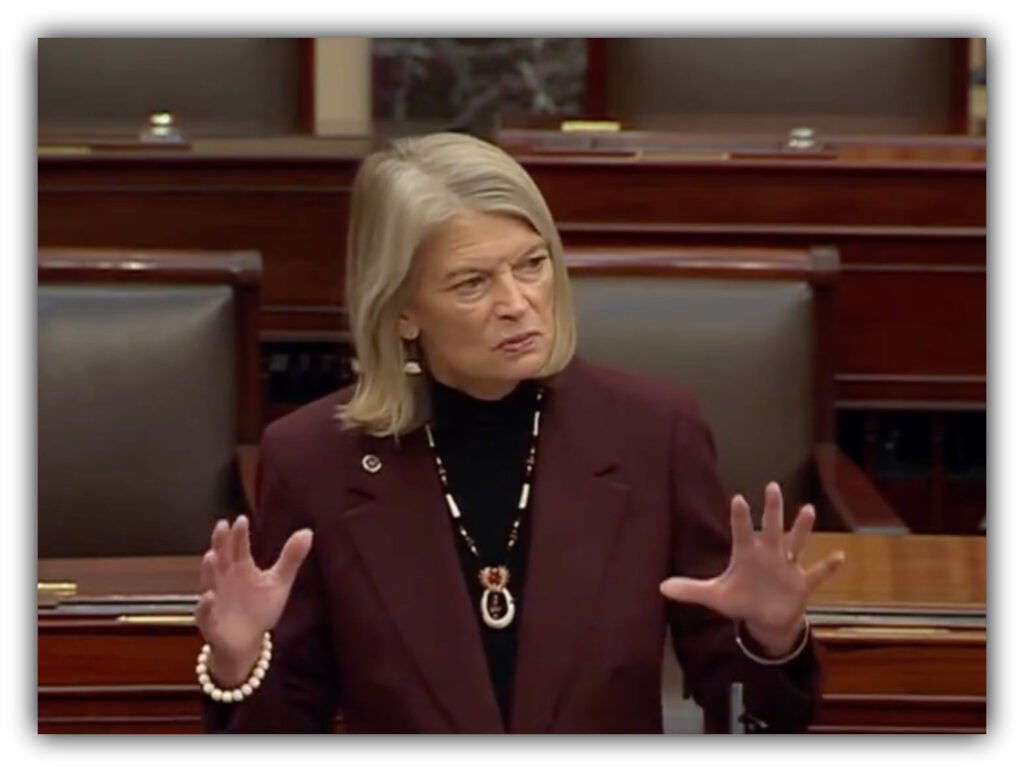
In a statement posted Friday, Murkowski said the Senate instead approved a short-term continuing resolution to keep the Department of Homeland Security operating through February 13, 2026. That funding covers agencies critical to Alaska, including the Coast Guard, TSA, FEMA, and the Secret Service.
“Congressional disagreement over the Homeland Security bill centers on how U.S. Immigration and Customs Enforcement has been conducting its mission,” Murkowski wrote. “I support meaningful reforms for ICE and am working with my colleagues to reach bipartisan agreement.”
Murkowski acknowledged that parts of the federal government will shut down tonight but said upcoming votes in the House of Representatives could reopen affected agencies and provide Congress additional time to reach a deal.
For Alaskans, the shutdown could mean temporary disruptions to a range of federal services, particularly those tied to homeland security and transportation. Impacts may include delays in Coast Guard missions such as search and rescue coordination and marine safety inspections, staffing slowdowns at TSA checkpoints that could affect airport operations and wait times, pauses in FEMA disaster planning and grant administration, and interruptions to non essential activities at Homeland Security offices. While essential personnel are expected to continue working, furloughs and funding gaps could strain services Alaskans rely on daily if the impasse is not quickly resolved.