



Don’t Want to Fund Sex Trafficking? Read This Before You Book That Nail or Spa Appointment
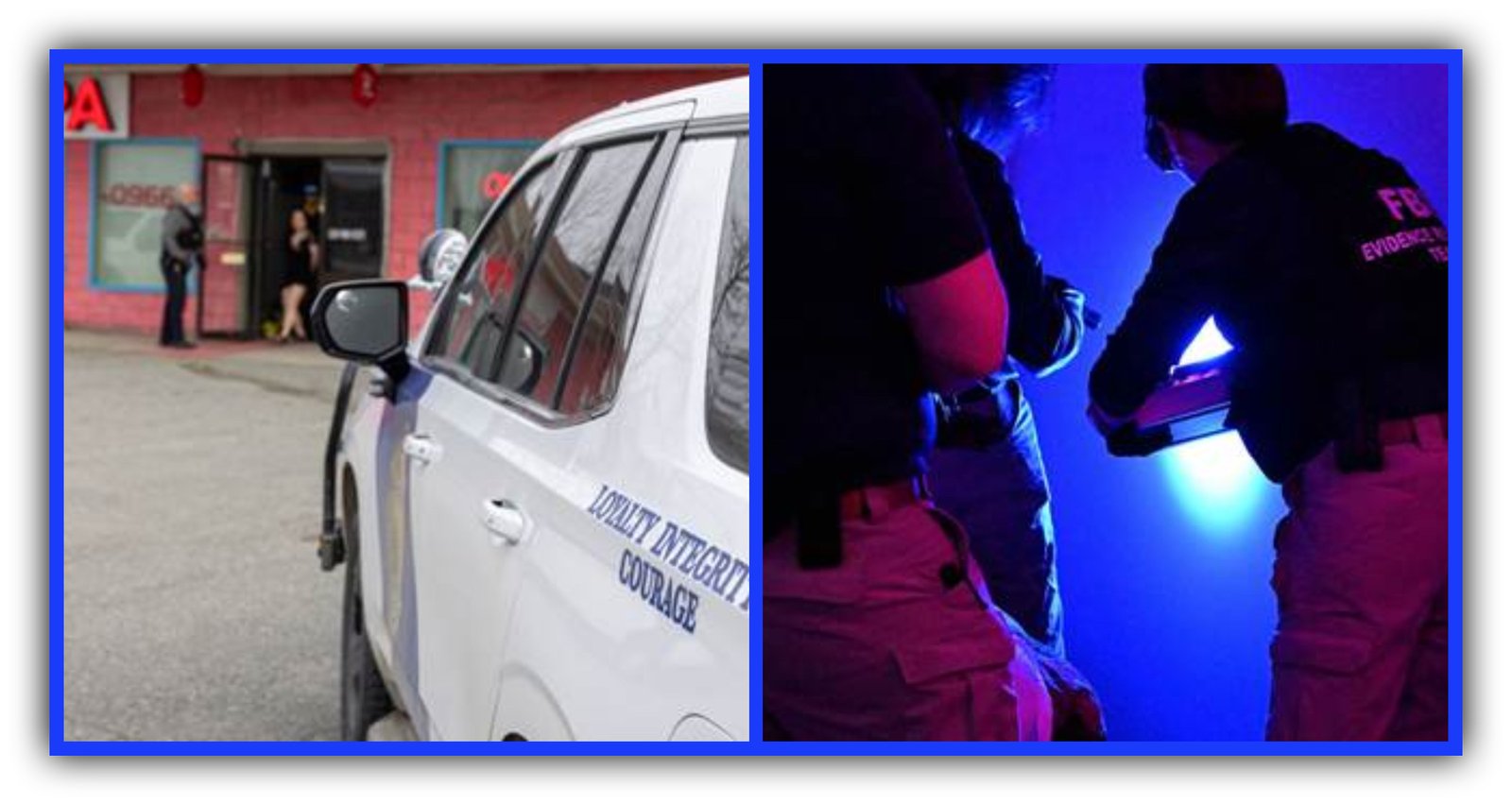
Alaska State Troopers serve a search warrant at Jasmine Spa during a multi-agency investigation into suspected illicit massage businesses in Southcentral Alaska. Courtesy: Alaska State Troopers
What looks normal on the outside is not always the full story inside.
By Gina Hill | Alaska Headline Living | April 17, 2026
Most people walk into a nail salon, massage studio, or spa thinking about color, comfort, or convenience. Not control. Not coercion. Not anything beyond the service they came for.
But a coordinated sweep across Southcentral Alaska recently ends with arrests and victims identified after multiple massage and spa businesses in Anchorage and the Mat-Su Valley are searched, showing how often these cases surface in places that look completely ordinary from the outside.
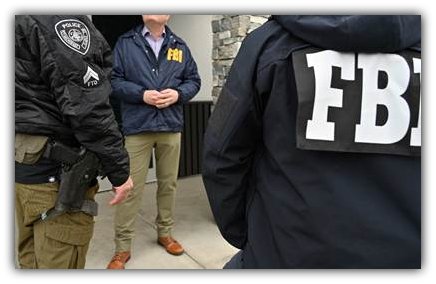
Behind the operation are investigators from the Alaska State Troopers, Anchorage Police Department, and FBI Anchorage Field Office working with partner agencies in a joint investigation that developed over time before moving across the region.
The businesses searched in that operation include:
- Jasmine Spa in Anchorage
- Zen Massage in Anchorage
- Stream Health Spa of Wasilla in Wasilla
- Phoenix Health Spa in Anchorage
- Owl Health Spa in Anchorage
- Renew Day Spa in Anchorage
- Red House Massage in Anchorage
From the outside, nothing about places like these necessarily stands out. That is the point. These cases do not rely on obvious warning signs in storefronts. They rely on patterns of control that are not always visible during a normal customer visit.
That leaves everyday people with a difficult question that is not about suspicion, but about awareness.
When you are sitting in the chair, can the person providing your service speak freely, or does someone else seem to control everything happening in the room.
In a normal salon or spa, the interaction is simple. You speak directly to the person working with you. They respond naturally. They make decisions about their work without needing permission for every exchange. The space feels like people are working, not being managed.
When something is off, it is rarely obvious in a dramatic way. It shows up in pressure points. A worker who cannot answer a question without looking to someone else first. Conversations that pause or change when a specific person enters the room. An atmosphere where staff seem monitored instead of simply working.
None of these details proves anything on its own. But patterns like these are exactly what investigators focus on when they build trafficking cases over time.
It is also important not to confuse normal business conditions with warning signs. Cash payments are common in Alaska. Language barriers are common in service industries. Small, busy businesses can feel fast and structured without anything improper happening.
What federal and state agencies focus on, including the U.S. Department of Justice and the U.S. Department of Homeland Security, is control. Whether people appear free to speak, move, and make basic choices about their work. The National Human Trafficking Hotline consistently notes that trafficking is identified through patterns of coercion, not surface impressions.

And when law enforcement acts, it is not based on a single visit or a gut feeling. Cases like the one in Southcentral Alaska are built through surveillance, interviews conducted away from supervisors, financial review, and corroborated evidence that shows how a business actually operates when no customers are watching.
For everyone else, the standard is simpler than it sounds. You are not expected to investigate anything. You are not expected to be certain. You are simply choosing where your money goes.
Most salons and spas are legitimate businesses where people are working freely and professionally. But if a place feels controlled instead of normal, that feeling is enough to act on.
You can leave.
No explanation needed.
Sources
- Alaska State Troopers
- Anchorage Police Department
- FBI Anchorage Field Office
- U.S. Department of Justice
- U.S. Department of Homeland Security
- National Human Trafficking Hotline: 1-888-373-7888 or text 233733
What do you feel about this post?

Like

Love

Happy

Haha

Sad