




Shadows Unveiled: A Seven-Day Series on Hidden Crises
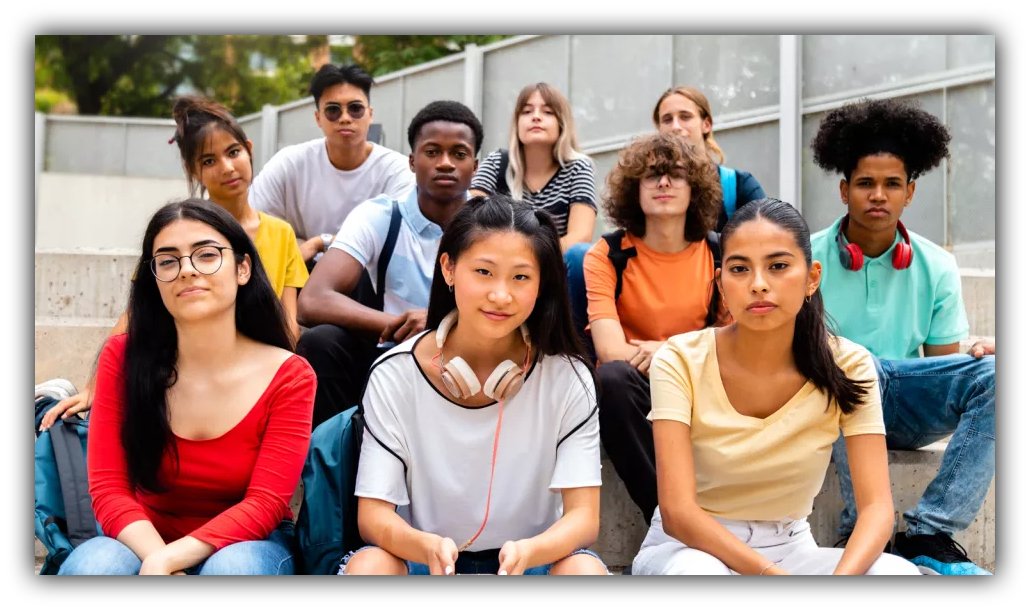
Immigrant students represented by the National Education Association gather on school grounds, a reminder that new state bills could put children like them at risk of exclusion. Education is more than a classroom. It’s a lifeline to opportunity and a brighter future. (NEA, 2026)
Classroom Frontlines: The Quiet Push to Challenge Immigrant Kids’ Right to School
This week spotlights seven underreported crises slipping past mainstream media. From immigrant school barriers to war fallout and policy shadows, primary sources expose one story daily through March 22. Day 3 of 7 starts now.
By Gina Hill | Alaska Headline Living | March 18, 2026
For millions of children in the United States, a typical school day begins the same way: backpacks slung over shoulders, homework tucked into folders, and the expectation that a seat will be waiting when the bell rings. But for immigrant students in several states, that expectation could soon be upended.
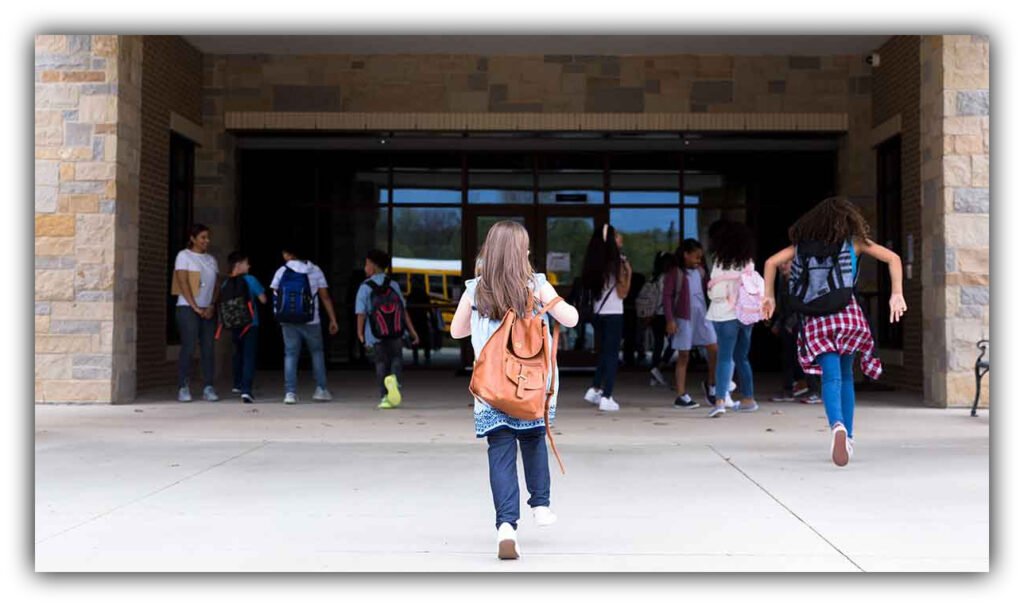
Before a child even finds their seat, some students could soon be asked a question that has never been part of the school day: Are you legally eligible to attend public school in this state?
The latest proposals strike at a 44-year-old Supreme Court ruling that protects children’s right to school, putting immigrant students and their families squarely in the crosshairs. Plyler v. Doe established that states cannot deny K–12 public education to undocumented children under the Equal Protection Clause of the Fourteenth Amendment.
Tennessee as the Test Case
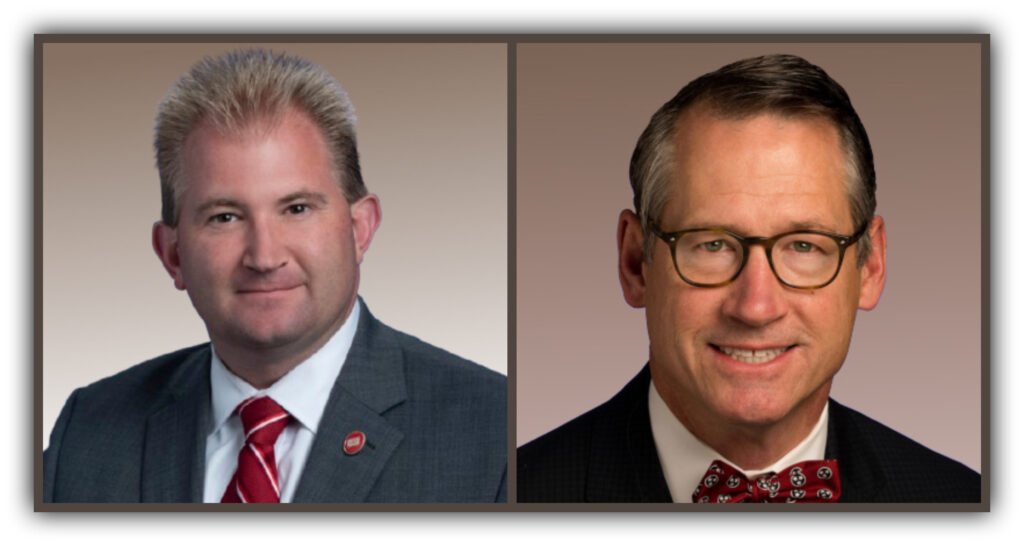
In Tennessee, Republican lawmakers Representative William Lamberth (R-TN, District 44, Sumner County) and Senator Bo Watson (R-TN, District 11) introduced House Bill 793 and Senate Bill 836 in early 2026. The legislation would require schools to collect information about students’ citizenship or immigration status and report it to the state.
Under the proposals, districts could demand proof that a student is a U.S. citizen, in the process of becoming one, or has legal immigration status. If documentation cannot be provided, schools could require tuition payments or potentially deny enrollment.
Supporters of the bills say they give schools more control over enrollment and help cover the cost of educating undocumented students, framing it as a practical measure for tight budgets. Critics, however, warn that the bills could effectively push children out of classrooms and create fear among families, while intentionally setting up a court challenge to Plyler v. Doe. If passed, these laws could force parents to make impossible choices about their children’s education and future. Both HB 793 and SB 836 are moving through committee hearings and are now awaiting votes in their respective chambers, bringing the possibility of real change or restriction closer to reality.
A Coordinated Legal Strategy
Tennessee is not alone. Policy proposals from conservative groups urge states including Texas, Oklahoma, Indiana, and New Jersey to pass similar laws requiring schools to track immigration status or charge tuition for undocumented students. The goal is clear: multiple conflicting state laws could push the Supreme Court to reconsider the decades-old ruling.
What This Means for Students
For immigrant families, the impact of these bills could be immediate and long-lasting. Parents might face tuition demands, exclusion from classrooms, or the chilling effect of schools collecting immigration data. Attendance could drop, and some families may withdraw students entirely to avoid risk.
The consequences go far beyond paperwork. Research shows that missing school or being pushed out can stunt literacy and numeracy, lower future earnings, reduce health literacy, and limit social and economic mobility. For immigrant families, these bills threaten not just access to education but the very foundation of the better future they sought when coming to the United States.
A Civil Rights Battle Reemerging
Efforts to deny or charge tuition for undocumented students have appeared periodically, including the controversial Gallegly Amendment, which aimed to override Plyler v. Doe but never became law. Today’s bills in Tennessee and other states are part of a coordinated push to challenge the 44-year-old precedent.
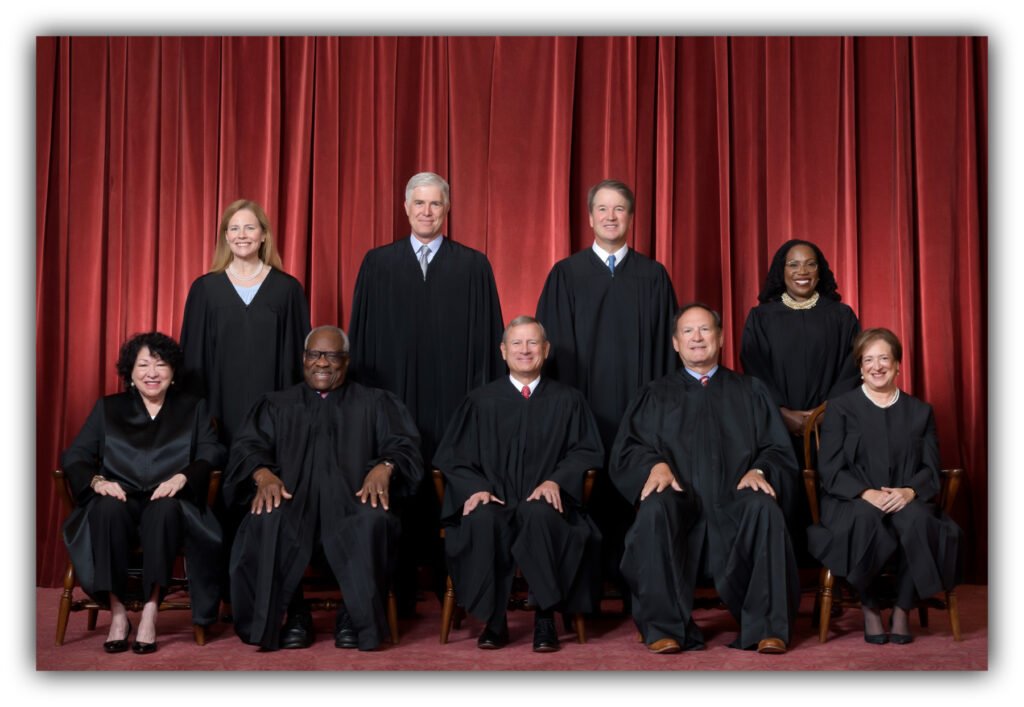
With a conservative Supreme Court and heightened political pressure around immigration, some analysts fear the Court could revisit Plyler, turning what many treat as routine state legislation into a civil rights reckoning decades in the making.
Most media coverage frames these proposals as ordinary statehouse news, but their real significance is much greater: They could determine whether public schools remain open to every child, because excluding students doesn’t just harm immigrant families. It weakens the nation’s future workforce, civic engagement, and collective prosperity.
Day 4 Tomorrow: Federal Watchdogs Under Fire. Share before this one disappears too. ↗️
Primary Sources
• Tennessee HB 793 legislative text and summary (Tennessee General Assembly)
• Tennessee SB 836 legislative text and summary (Tennessee General Assembly)
• Tennessee Lookout reporting on student immigration data requirements (link)
• Heritage Foundation policy brief urging states to challenge Plyler (2024–2026)
• Legal background of Plyler v. Doe
• Research on effects of lack of education: Hamilton Project, AppGeCET, Action for Renewables
• U.S. Department of Education Fact Sheet: Educational Services for Immigrant Children and Those Recently Arrived to the United States (PDF)
What do you feel about this post?

Like

Love

Happy

Haha

Sad