




Punching Down
Every grocery run, every paycheck, every bill your money flows somewhere. The real question: who’s actually cashing the checks? | Alaska Headline Living ©
Why political outrage targets families scraping by while trillions quietly flow to corporations and the wealthy .. and what that means for your wallet.
By Gina Hill | Alaska Headline Living | March 2026
You pay taxes every time you earn a paycheck. Every time you buy gas. Every time you check out at the grocery store.
Where does your money go after that?
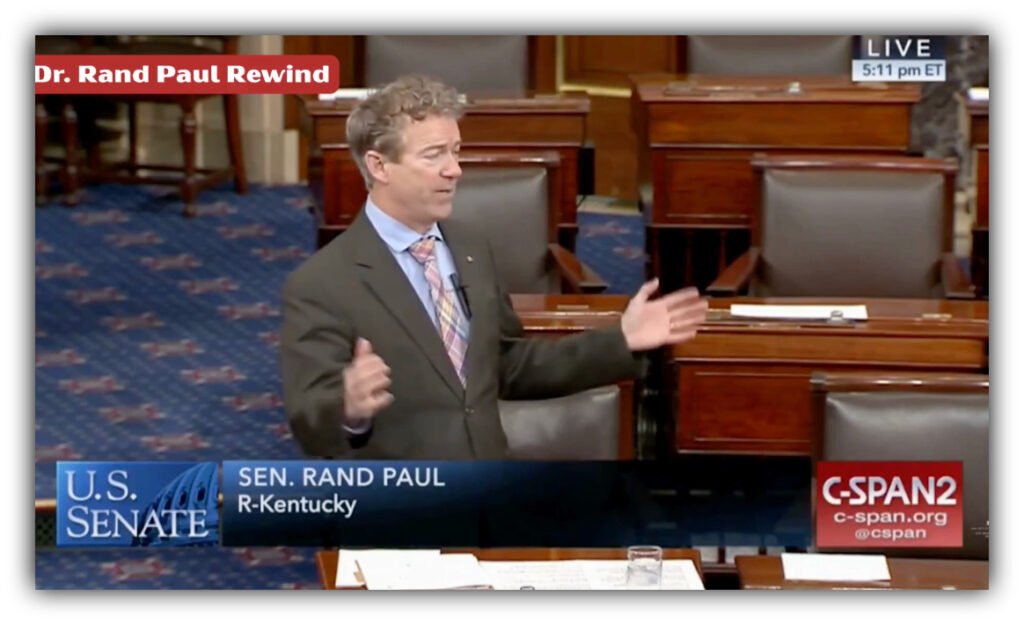
On January 14, 2026, Sen. Rand Paul, R-Ky introduced the “End Welfare for Non-Citizens Act.” Headlines framed it as a crackdown on public benefits for refugees, asylees, and undocumented immigrants. Simple story, right?
Except it isn’t.
Most undocumented immigrants are already barred from SNAP, standard Medicaid, and TANF under current law. Emergency care is about the only exception. In short, this bill targets benefits that are already largely out of reach.
Your Money, Their Gain
Here’s the part that almost never reaches the evening news. The bigger drains on public money aren’t small welfare programs. They are the tax breaks, loopholes, and subsidies flowing to corporations and the wealthy.
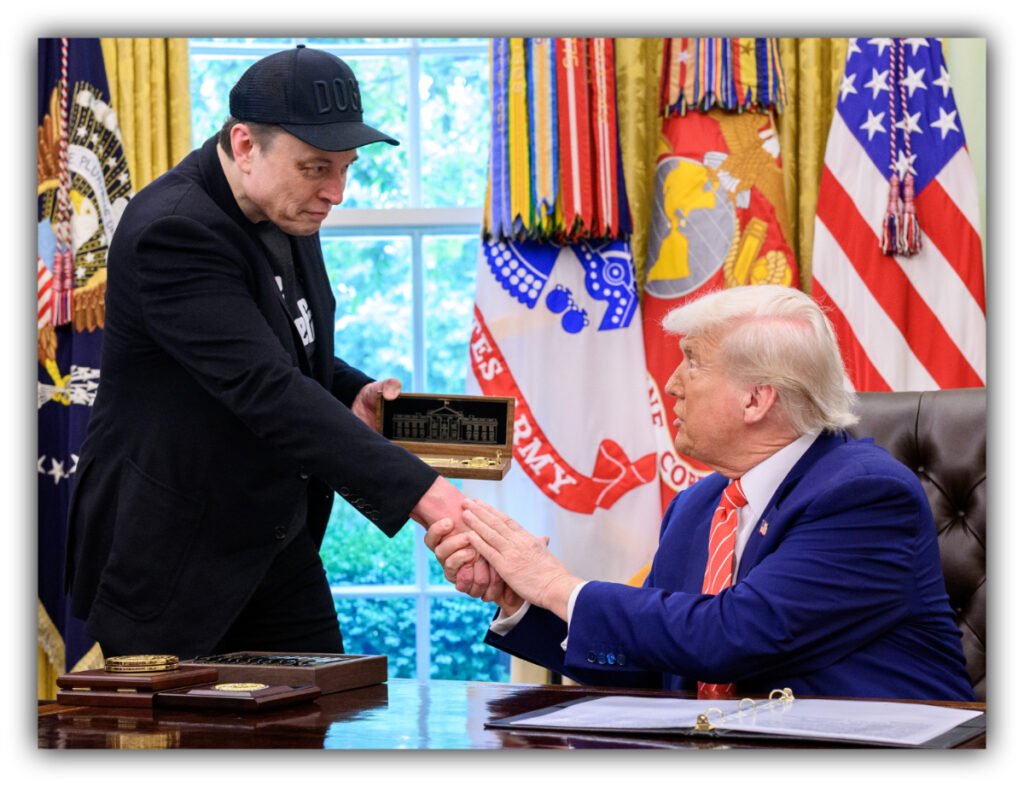
Federal, state, and local governments together spend more than $9 trillion a year, according to fiscal reports from the U.S. Government Accountability Office. Within that system, trillions slip quietly through policies that benefit large corporations, Wall Street, and high-income households. That is money your paycheck contributes. Money you rarely see while political outrage focuses on families scraping by.
Undocumented workers also pay into this system.
The Institute on Taxation and Economic Policy estimates undocumented immigrants paid $96.7 billion in taxes in 2022, including $59.4 billion in federal taxes. Much of that funding supports Social Security and Medicare programs they are generally unable to claim later.
Research summaries from the Cato Institute indicate noncitizens use means-tested welfare programs at lower per-person rates than U.S.-born residents. Emergency Medicaid has been estimated to account for about 0.4% of total Medicaid spending in recent analyses.
The Real Question
You pay taxes when you work. You pay when you fill your tank. You pay when you buy groceries. For most people, the money disappears into a system they never get to watch in action.
Some of it helps people who are struggling. But a very large share is quietly written into law, flowing through policies that protect corporations, wealthy households, and powerful interests that already have a voice in shaping the rules.
The political debate often points toward the easiest targets. Families trying to get by. People without lobbyists. Workers who rarely sit at the table where decisions are made.
But the harder question is the one that follows you home after you close the checkout line: when your money is collected and redistributed, who is actually winning? And who is quietly paying the cost?
What do you feel about this post?

Like

Love

Happy

Haha

Sad