








💸 Lost Money in a Bitcoin Scam? Alaska Victims May Get Help
The Alaska Department of Law is warning consumers about Bitcoin Depot scams, part of a larger nationwide rise in cryptocurrency kiosk fraud. Federal data show these scams are increasingly targeting older adults, with cryptocurrency kiosk losses reaching hundreds of millions of dollars nationwide.
If a scammer convinced you to use a Bitcoin kiosk, you may have a chance to recover some of your lost money.
By Gina Hill | Alaska Headline Living | July 14, 2026
If you ever fed cash into a Bitcoin kiosk because someone on the phone told you to “pay a bill,” “protect your money,” or “avoid arrest,” you may have been the target of a scam, and you could now have a chance to recover some of what was lost.
The Alaska Department of Law’s Consumer Protection Unit is warning residents that Bitcoin Depot, which operated cryptocurrency kiosks in Alaska and nationwide, has filed for bankruptcy and is no longer operating.
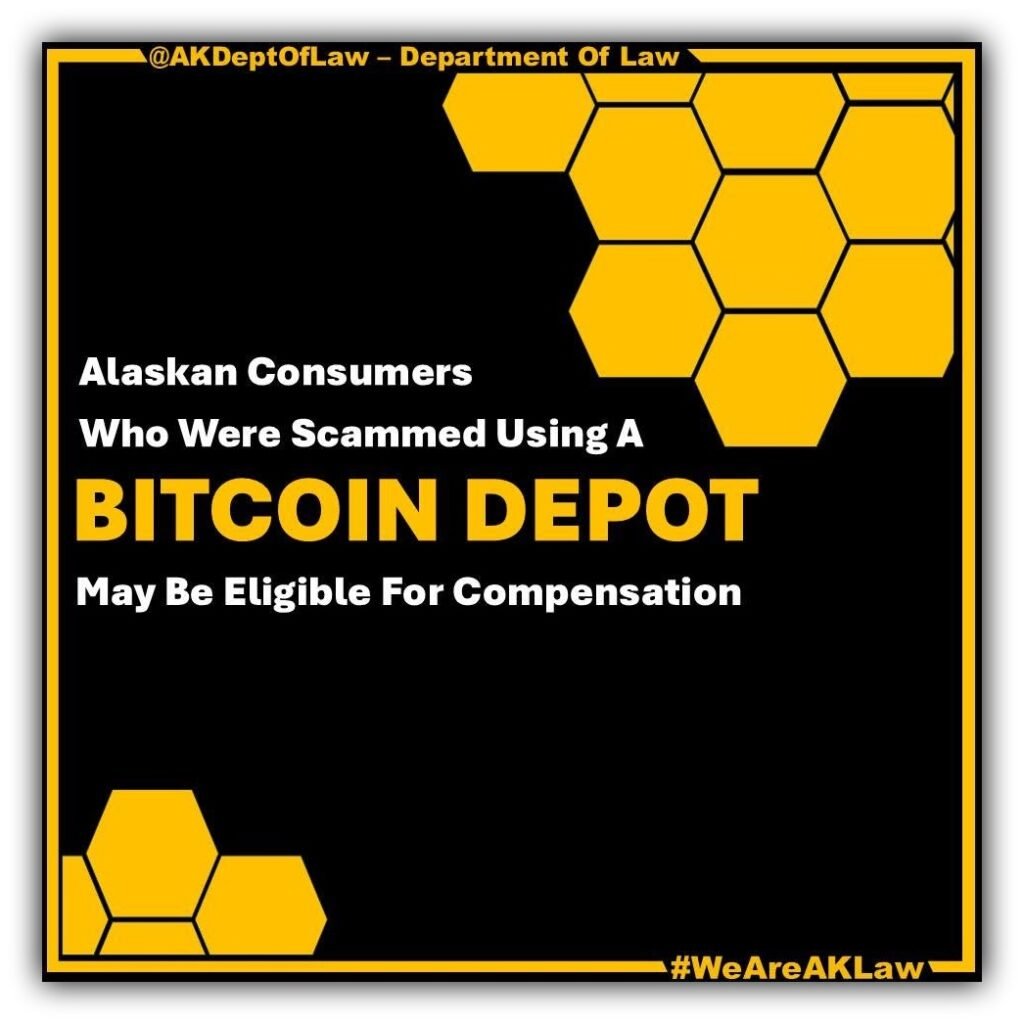
Some Alaskans who lost money through scams involving Bitcoin Depot kiosks may be eligible to file a claim in the company’s bankruptcy case in the U.S. Bankruptcy Court for the Southern District of Texas.
The deadline to file a claim is July 21, 2026.
How the Scams Worked
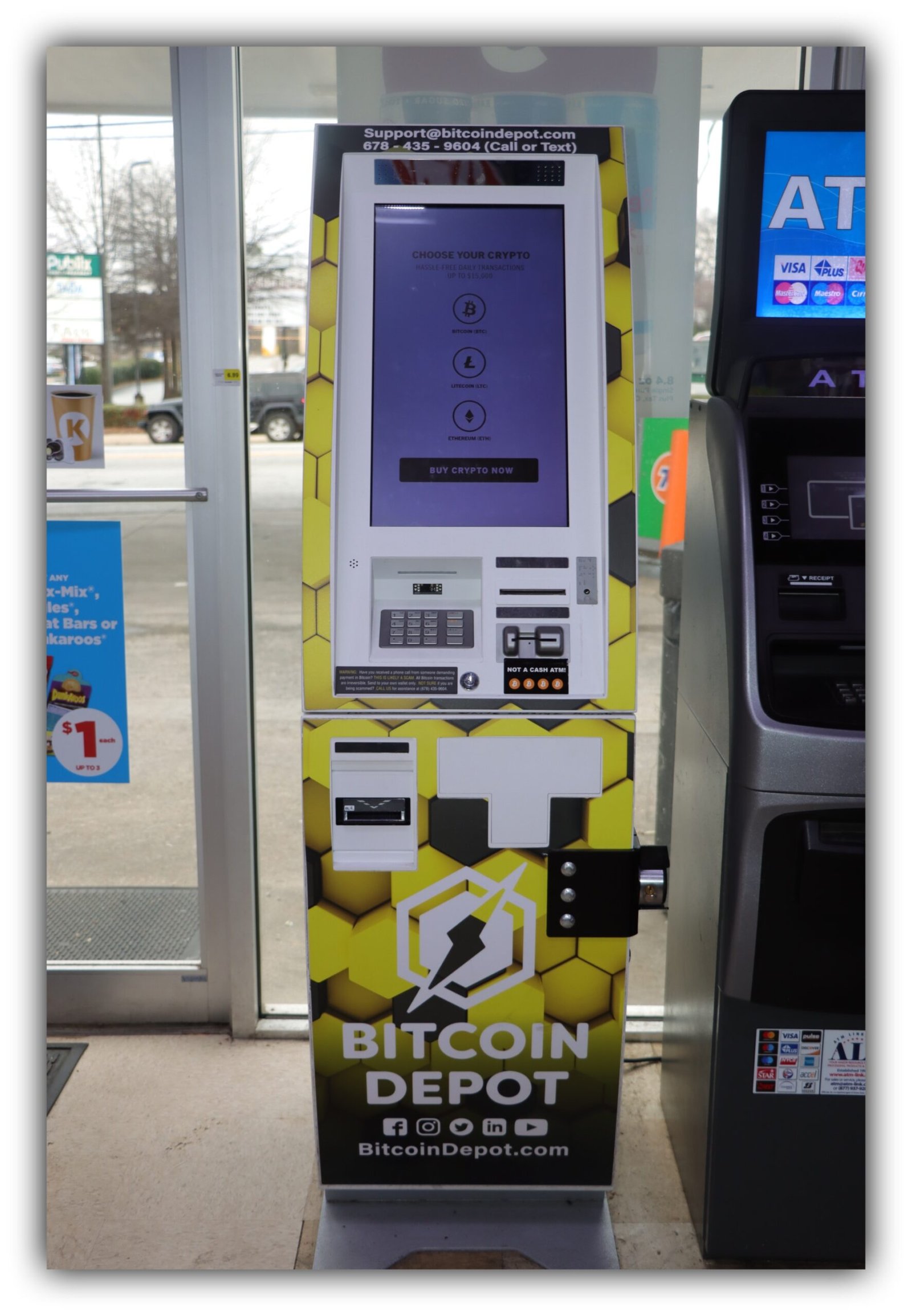
Bitcoin kiosks are not like traditional bank ATMs. Instead of dispensing cash, they allow users to purchase cryptocurrency using cash or other payment methods and send it to a digital wallet or cryptocurrency address.
That feature became a tool for scammers.
Victims reported being contacted by people pretending to be:
- Government employees
- Law enforcement officers
- Utility companies
- Banks or businesses
- Other trusted organizations
The scammers often created a sense of panic, telling victims they needed to act immediately and use a Bitcoin kiosk to send money.
Once cryptocurrency was transferred, it was usually difficult or impossible to recover.
A Warning for Anyone Contacted About “Help”
The Alaska Department of Law says consumers should be cautious. Scammers may now attempt to take advantage of the bankruptcy process itself by pretending they can help victims recover money.
Do not give personal information, banking details, passwords, or cryptocurrency information to anyone who contacts you unexpectedly.
Verify information independently before taking action.
How to Find Out if You May Qualify
Alaskans who believe they were affected can review the official bankruptcy claims process and decide whether to file a claim.
Information about the claims process is available through the official Bitcoin Depot bankruptcy website.
Consumers can also contact the bankruptcy restructuring hotline at (884) 339-4117 (toll free in the U.S. and Canada) or email BitcoinDepotInfo@ra.kroll.com.
For questions about cryptocurrency kiosk scams, contact the Alaska Attorney General’s Consumer Protection Unit at 907-269-5200.
“A New Financial Tool with Old-fashioned Scams”
Acting Alaska Attorney General Cori Mills said cryptocurrency offers new possibilities but also creates new risks.
“Cryptocurrency is an emerging financial tool that opens up possibilities for Alaskan consumers, but as with all advancements, there are perils too,” Mills said. “Bitcoin Depot is unfortunately one of them.”

👉🏿 If you or someone you know was pressured into using a Bitcoin Depot kiosk to send money, don’t assume the loss is permanent. The bankruptcy process may provide an opportunity to seek compensation, but the deadline is approaching.
Have you or someone you know been targeted by a cryptocurrency scam? The Consumer Protection Unit wants Alaskans to know: Reporting these scams can help protect others.
What do you feel about this post?

Like

Love

Happy

Haha

Sad