




🏛️ What Has the Alaska Legislature Done for You, Lately?
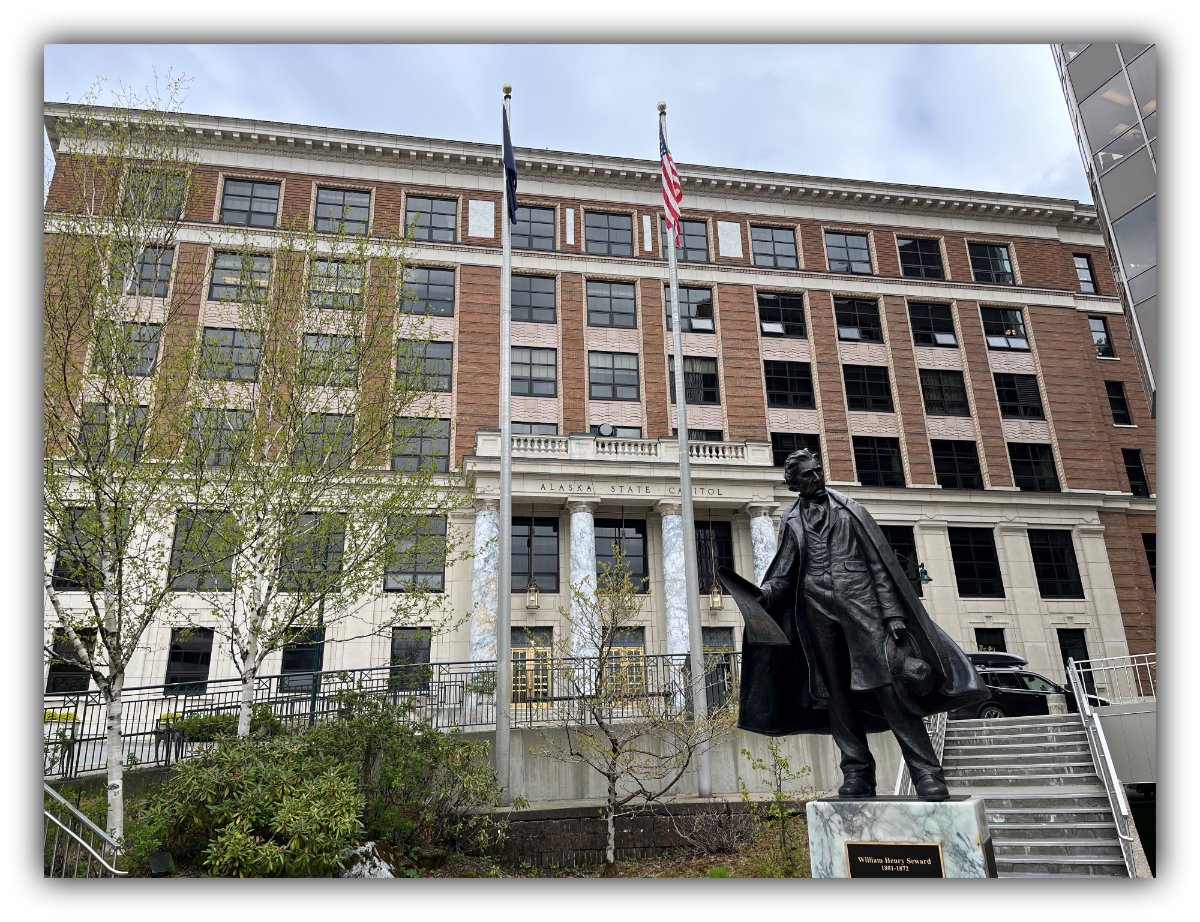
Alaska State Capitol in Juneau, completed in 1931 and originally built as a federal building before becoming the seat of state government when Alaska achieved statehood in 1959.
Work left on the table, Alaskans left waiting
If we had to grade the 34th Alaska Legislature’s Second Regular Session, what would it be?
When lawmakers adjourn on May 20, 2026, unfinished bills do not carry forward. It expires with the session and has to be reintroduced from the beginning in a future session, which means waiting until January 2027 for the next regular legislative session.
In real terms, that doesn’t just pause progress, it resets it. Work lawmakers have already spent months debating is dropped at the finish line, and Alaskans are left waiting longer for changes and improvements. This isn’t just a deadline. It’s a hard stop for a lot of work that didn’t get finished.
So, let’s take a look at how our lawmakers worked for Alaskans this session.
🚌 Schools: No Overhaul, Ongoing Cuts

Schools like Lake Otis remain part of Anchorage School District closure and consolidation discussions tied to ongoing education funding challenges.
The current Base Student Allocation is currently $6,660 per student. That is the main number used to fund public schools in Alaska. Schools are funded through this formula:
Base Student Allocation ($6,660) × student count (with adjustments) = school district funding.
That structure did not change this session.
Lawmakers did move some additional funding through the process, and there were proposals to increase the BSA further into the roughly $7,200 range, but there was no full permanent reset of the system.
So what does that mean in real life?
- Schools are still funded through the same $6,660 formula
- There is no full statewide overhaul of education funding
- Districts are still cutting or combining positions and reducing programs to balance budgets
- In Anchorage, school closures and consolidations remain part of active budget discussions tied to funding gaps
School funding did not change this session. Same system, same limits, same tradeoffs.
💰 The Permanent Fund Dividend: The Number Everyone Is Watching
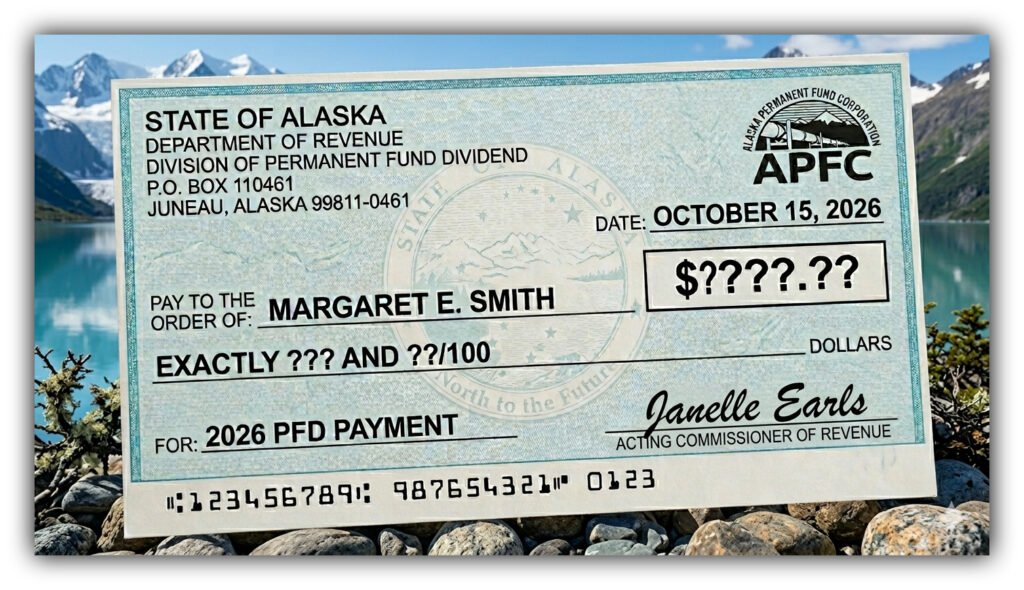
The PFD is still being negotiated, but it has settled into a narrow range.
The Senate budget includes a $1,000 Permanent Fund Dividend plus a $150 energy payment, bringing the total to about $1,150 per person.
The House previously pushed a higher number closer to $1,500, but that has been pulled back in negotiations.
The governor’s original statutory calculation, which would have been much higher, is not what lawmakers are working from. So where it stands now:
- The working baseline is $1,000
- Some versions include a $150 energy payment
- Nothing currently being discussed drops the PFD below $1,000
- Final amount still depends on House-Senate agreement
👉🏿 Bottom line: The debate is no longer about large increases. It is about how close to $1,000 the final number lands.
⚡️ Energy And Heating Costs: Global Conflict Is Now Part Of Your Monthly Bill
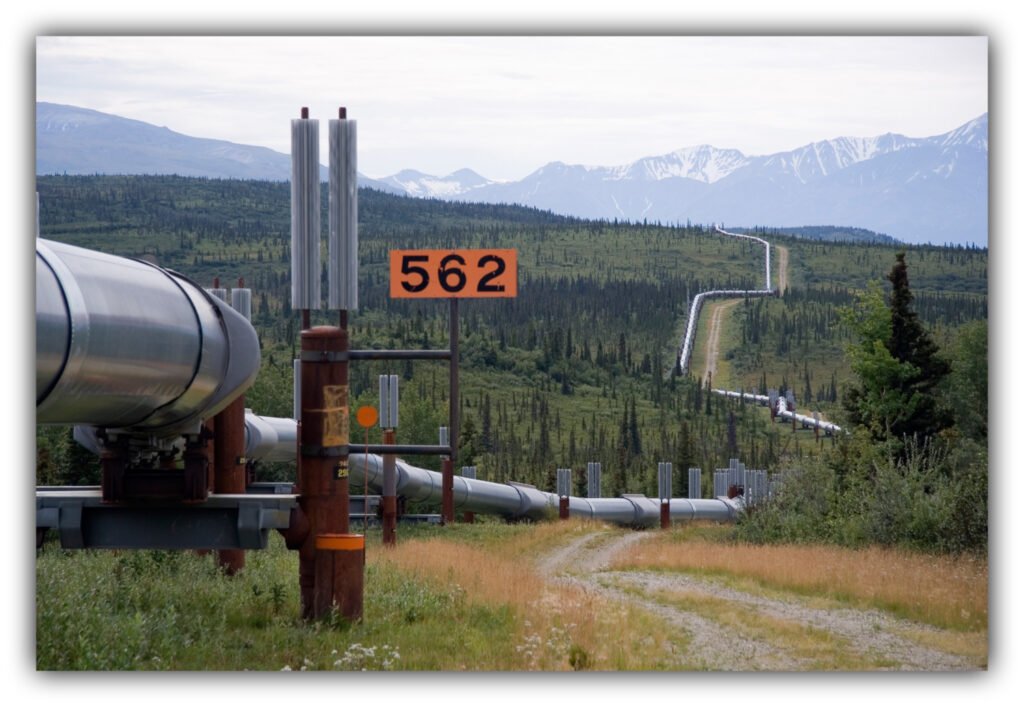
Alaska produces oil, but that does not mean Alaska controls the price paid for it. Oil is traded on a global market, which means heating bills and gas prices are tied to events happening far outside the state.
Right now, that global market is unstable. Conflict involving Iran and disruptions in key international shipping routes have tightened supply and increased volatility in oil prices. When global supply gets shaky, fuel costs rise broadly, and Alaska feels it even with production happening here.
Alaskans see global conflict reflected in higher gas at the pump and rising travel costs.
- You fill up your tank and the price still jumps week to week (gas prices up roughly 3%–6% over the past year, with sharp spikes when global markets tighten).
- Heating fuel deliveries climb right as household budgets are already stretched from the long heating season (heating oil up roughly 8%–10% year over year, with noticeable seasonal swings).
- Grocery prices rise because freight costs more to move food into the state (food prices up roughly 2%–3% year over year).
- Travel and shipping costs quietly get baked into almost everything purchased (transportation costs up roughly 3%–5% year over year).
So even if household income does not change, the cost of living can still move upward because the starting price of Alaska’s oil is being set outside Alaska, and Alaskans end up carrying the difference at the pump, at the store, and at the delivery door.
The Alaska Legislature did not create a permanent buffer against rising fuel costs.
The only direct relief being discussed is a possible one-time $150 energy payment added on top of a roughly $1,000 Permanent Fund Dividend in some versions of the budget.
It helps after the fact, but it doesn’t change what you pay day to day.
Bottome line: Alaska produces oil, but it doesn’t set the price. When global markets shift, that shows up in your monthly bills, while the response stays temporary, not structural.
🏡 Housing: Still Tight, Still Out Of Reach
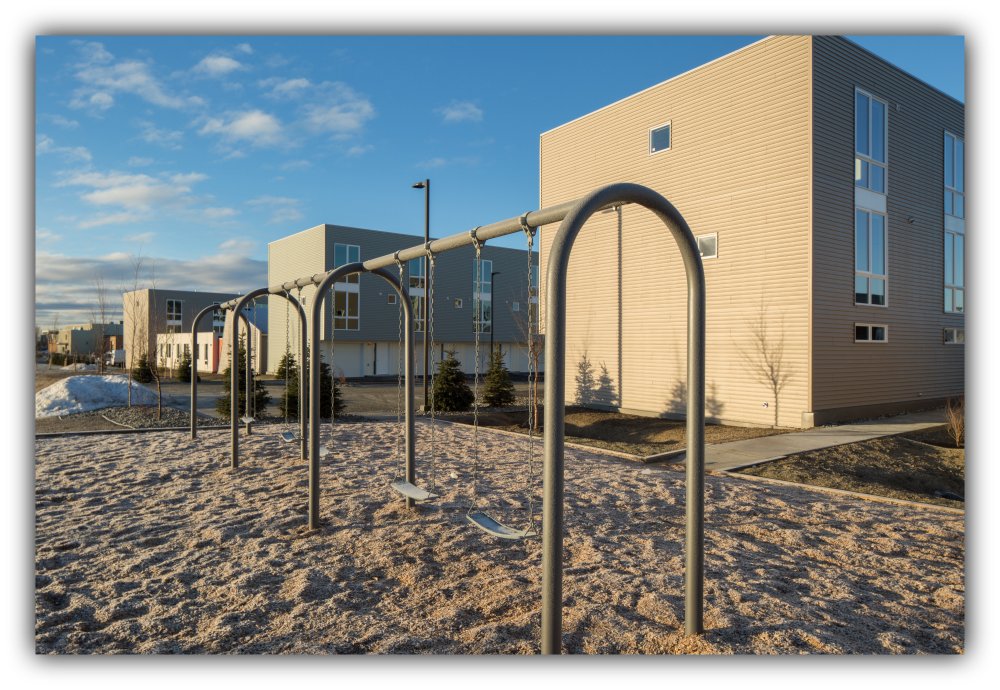
Housing affordability and supply remain a major issue, especially in fast-growing areas like the Mat-Su Valley.
No major statewide housing package passed that would put more homes on the market or get them built faster, and there were no broad changes to zoning, permitting, or incentives to increase housing supply. Alaska is still averaging only about 1,000–1,500 new units per year, far below demand in Anchorage and the Mat-Su Valley.
Rent and home prices remain high in many areas, with Anchorage rents up about 35% over five years. That shows up as fewer available rentals, faster price jumps when units open up, and more people unable to afford to buy a home.
🧠 Mental Health And Crisis Response: Steady Funding, No Expansion

Mental health services continue to be funded, but the system itself was not significantly expanded or rebuilt.
What passed:
- Continued baseline funding for existing mental health programs
- Sustained crisis response services and behavioral health supports
- Ongoing support for community providers and service networks
What did not pass:
- Major expansion of crisis response capacity, including more mobile response teams and faster statewide coverage
- Broad statewide redesign of behavioral health access, including how patients enter care and move through the system
- New long-term investments to expand inpatient beds, staffing, and regional treatment options
- Structural changes to reduce reliance on emergency rooms and law enforcement as default responders
The system remains largely unchanged. In some communities, help is still limited to emergency rooms or law enforcement. Those responses are not always the same as specialized mental health care.
💡 Keeping the Lights On
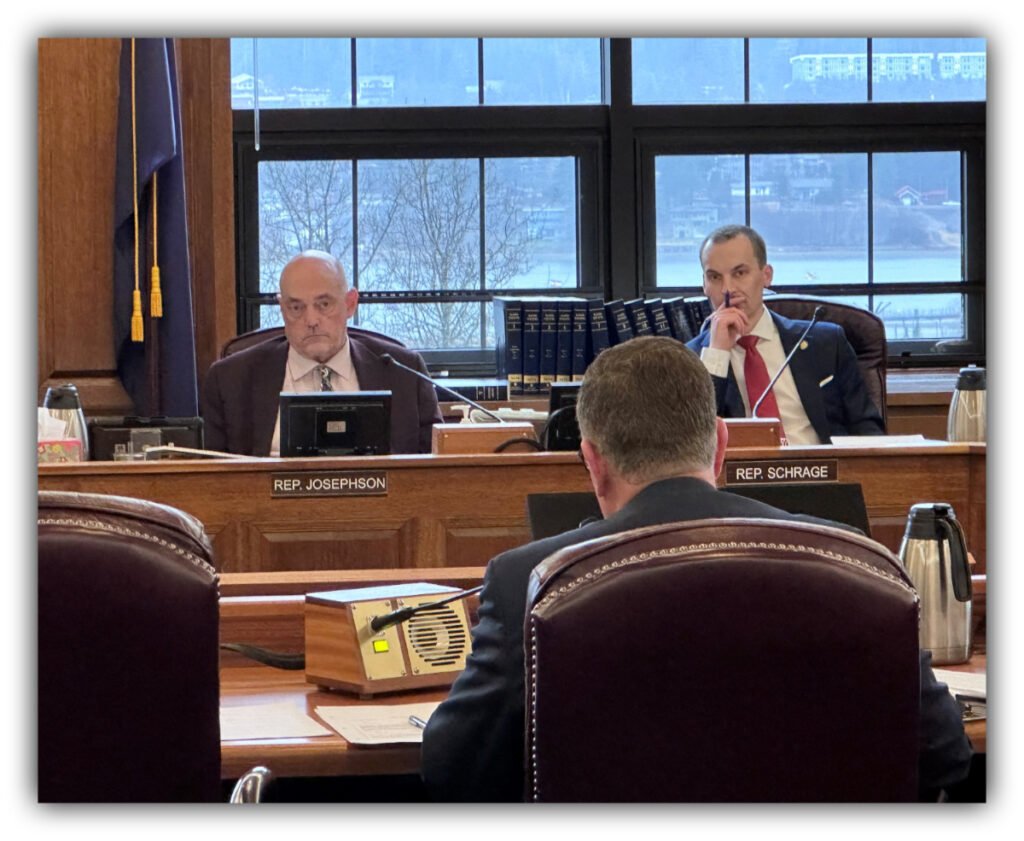
The bill is part of routine policy and budget work moving through the Legislature in Juneau. | 📸 Alaska State Legislature, 04/29/26.
The Legislature’s core job is passing a state budget, and that was completed.
That includes funding for:
- Schools
- Public safety and courts
- State services people use in daily life
- Roads, bridges, and basic infrastructure that keeps communities connected
The state continues operating, keeping essential public services running.
👩🏫 The Report Card
The big fixes didn’t happen this session. Key structural changes to school funding, housing supply, mental health care, and long-term cost relief did not make it across the finish line, leaving the same core issues in place heading into next year.
What moved:
- A PFD centered around $1,000, with some versions including a $150 energy payment
- Limited increases in school funding stability
- Continued baseline funding for state services
What did not move:
- A full school funding overhaul
- A permanent energy relief system
- A statewide housing expansion plan
- A major mental health system expansion
The Legislature will adjourn without making changes that meaningfully alter daily costs or significantly increase what ends up in Alaskans’ bank accounts. So how did lawmakers do this session?
📌 Overall, this session is a C-. They kept the lights on, but little else changed.
Track bills, committee hearings, and votes through the Alaska State Legislature website, with additional budget detail from the Legislative Finance Division.
Sources
- Alaska State Legislature: Bill tracking and session information
- Alaska Division of Legislative Finance: State operating and capital budget documents
- U.S. Bureau of Labor Statistics: Consumer Price Index (Urban Alaska, Anchorage area)
- Alaska Department of Education and Early Development: School funding and enrollment data
- Alaska Housing Finance Corporation: Housing supply and affordability reports
- U.S. Energy Information Administration: Fuel price and energy market data
What do you feel about this post?

Like

Love

Happy

Haha

Sad