On this World AIDS Day, it is important to recognize both the progress made and the challenges that remain. Millions worldwide still lack access to treatment, and stigma continues to affect quality of life.
By Gina Hill | Alaska Headline Living | December 2025
When World AIDS Day was first observed in 1988, a diagnosis of HIV was often a death sentence. AIDS was largely fatal, and fear and stigma dominated public perception. Over the decades, advances in science, public health, and activism have transformed the outlook. Today, many people living with HIV can lead long, healthy lives.
Global Statistics in 2025
- Approximately 40.8 million people worldwide are living with HIV. (UNAIDS)
- In 2024, an estimated 1.3 million people became newly infected with HIV. (UNAIDS)
- About 630,000 deaths from AIDS-related illnesses occurred in 2024. (WHO)
- Roughly 31.6 million people, or 77 percent of those living with HIV, are receiving antiretroviral therapy (ART). (WHO)
- Approximately 9.2 million people living with HIV do not yet have access to treatment. (UNAIDS)
These numbers show tremendous progress compared to the early years of the epidemic. Effective treatment and global public health efforts have dramatically reduced deaths and improved quality of life for millions.
Living with HIV in 2025
With modern ART, HIV can be suppressed to undetectable levels, preventing progression to AIDS and reducing transmission risk. Many people living with HIV now lead full lives, including working, raising families, and contributing to their communities.
Challenges remain, including:
- Unequal access to treatment in different regions.
- Millions of people unaware of their HIV status.
- Children and adolescents often face gaps in care compared to adults.
- Persistent stigma and discrimination that affect mental health and willingness to seek treatment.
For those with access to care and supportive services, HIV has become a manageable chronic condition, similar to diabetes or hypertension.
What Everyone Can Do
On World AIDS Day, individuals and communities can help improve life for people living with HIV:
- Get tested. Knowing your status is the first step toward treatment or prevention.
- Support access to treatment. Advocate for policies that ensure ART is available to everyone who needs it.
- Fight stigma. Treat people living with HIV with empathy and respect.
- Practice prevention. Use protection, support harm reduction, and promote public health measures.
- Support global initiatives. Funding and programs are essential to end the epidemic worldwide.
Not sure where to go for #HIV testing? 🧬 Find a testing site near you with the HIV Services Locator. You can also access other support services at a location that works for you. Check it out here: HIV.gov.
HIV/AIDS: 1988 to 2025 Key Milestones
| Year | Milestone | Description |
|---|---|---|
| 1988 | First World AIDS Day | AIDS is largely a death sentence. Fear and stigma dominate public perception. |
| 1991 | Red Ribbon Campaign | Red ribbon becomes a global symbol of solidarity with people living with HIV. |
| 1995 | Protease Inhibitors Introduced | Beginning of combination antiretroviral therapy (ART), reducing AIDS-related deaths in wealthier countries. |
| 1996 | HAART Era Begins | Highly Active Antiretroviral Therapy transforms HIV into a manageable chronic condition for those with access. |
| 2000 | Global Health Initiatives Expand | Launch of PEPFAR and the Global Fund expands treatment access in low- and middle-income countries. |
| 2010 | Treatment as Prevention Recognized | ART is shown to reduce transmission risk and maintain health. |
| 2012 | PrEP Approved | Pre-exposure prophylaxis provides HIV-negative individuals a highly effective prevention option. |
| 2015 | UNAIDS 90-90-90 Targets | Goals set: 90 percent of people with HIV diagnosed, 90 percent on treatment, 90 percent virally suppressed by 2020. |
| 2020 | Pandemic Challenges | COVID-19 disrupts HIV services but accelerates telehealth and community care innovations. |
| 2024 | 77 Percent on ART | Over 31 million people worldwide receive treatment, improving survival and quality of life. |
| 2025 | Living with HIV | Many live full, healthy lives. Stigma persists, but awareness, treatment, and prevention tools are stronger than ever. |
Oliver Sim

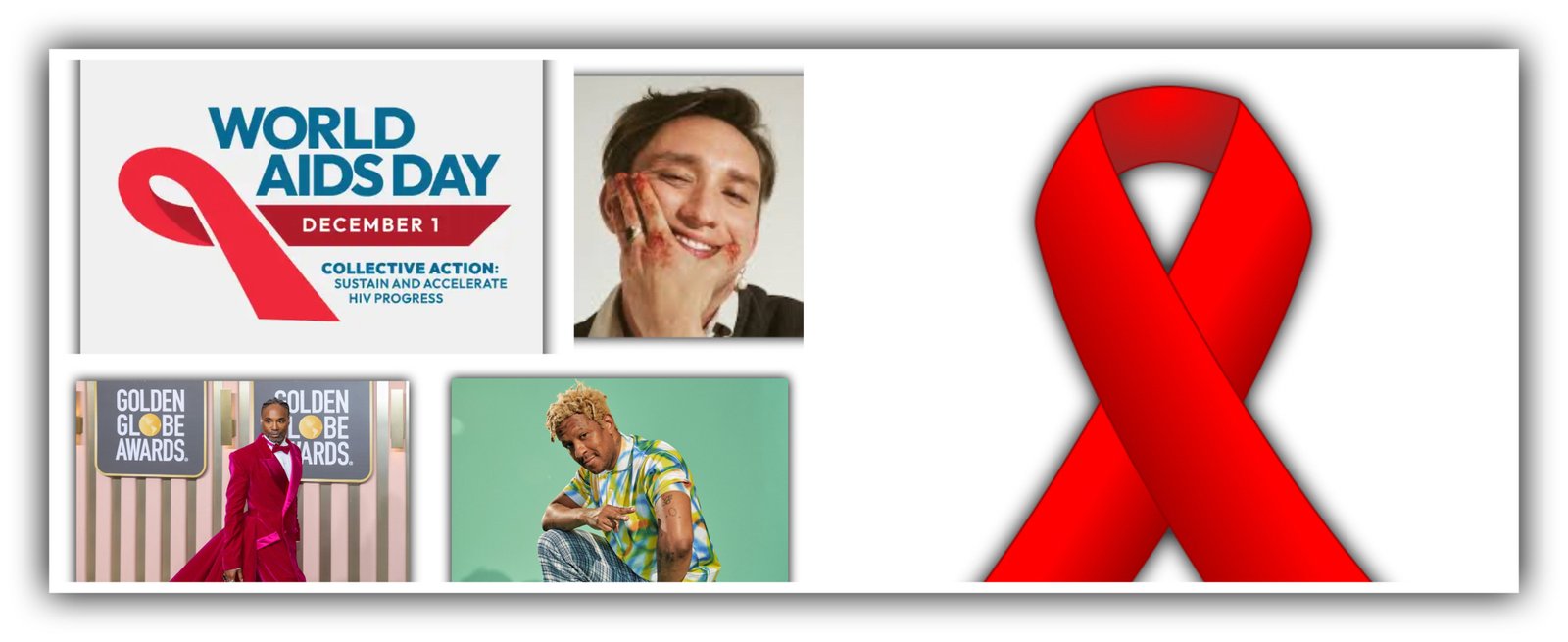
Oliver Sim, the singer and bassist of the British indie band The xx — revealed in 2022 that he has been living with HIV since he was 17. Radio X+2Attitude+2 He used his debut solo album Hideous Bastard to address his diagnosis head‑on, exploring feelings of shame and self‑acceptance. Queerty+2GAY TIMES+2 Since coming forward, he’s been open about how confronting and talking about HIV has helped him grow — turning what once felt like a burden into a source of creative strength and honesty. Them+2Far Out Magazine+2
Billy Porter

Billy Porter, award‑winning actor and performer, publicly revealed in 2021 that he’s been living with HIV since 2007. ABC7 San Francisco+1 He used to keep his status private, but as his work in shows like Pose brought conversations about HIV/AIDS to the mainstream, he realized the power he had to reshape the narrative. Gay Pride – LGBT and Queer Voices+1 Porter has since said that advances in medicine have allowed him to reach an undetectable viral load — a state where HIV cannot be transmitted, and he now advocates openly to help reduce stigma. ABC7 San Francisco+1
Mykki Blanco

Mykki Blanco, a genre‑blending rapper and gender‑queer artist, publicly disclosed in 2015 that they have been living with HIV since 2011. Gay Pride – LGBT and Queer Voices+1 Since then, they’ve actively pushed back against stigma and challenged stereotypes about what people living with HIV “should” look like. Gay Pride – LGBT and Queer Voices+1Their story is a powerful reminder that HIV doesn’t define someone’s talent, identity, or future.
Together, these stories … from indie‑rock, to Broadway and television, to cutting‑edge hip‑hop … show how far we’ve come. Thanks to medical advances and courageous people willing to speak out, living with HIV in 2025 does not mean the end of a dream. Instead, it can be part of a life filled with art, purpose, and hope.
World AIDS Day 2025 reminds us of how far we have come and the work that still lies ahead. By promoting awareness, equity, and compassion, we can continue to transform HIV from a crisis into a story of care, resilience, and hope.