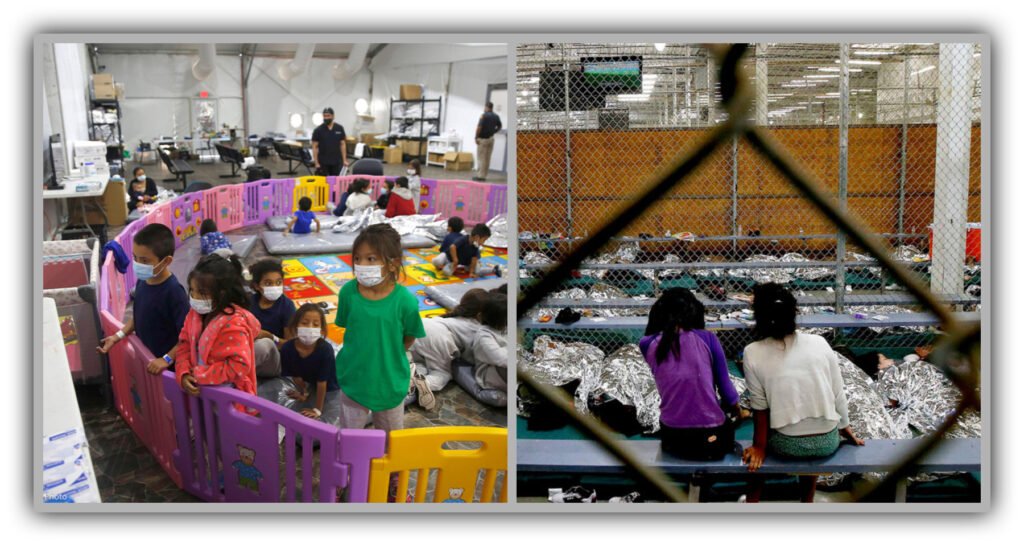
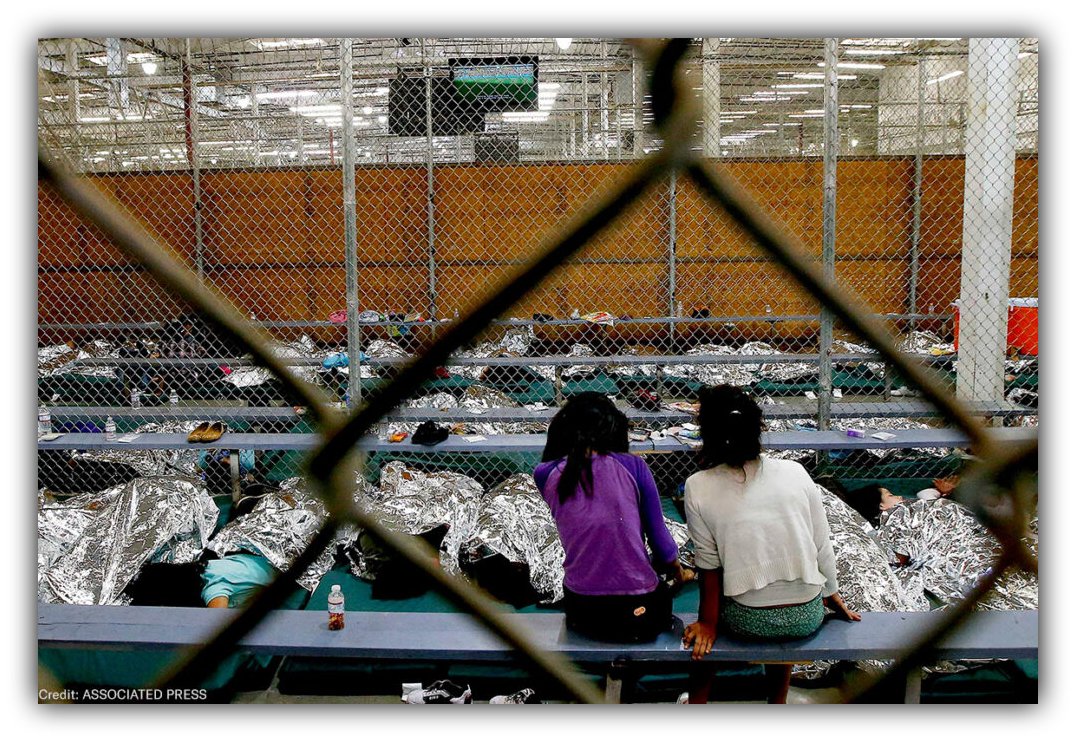
Children sit on benches behind chain-link fencing as dozens of immigrant kids lie on thin mats under reflective Mylar blankets inside a crowded Border Patrol detention facility, courtesy ACLU.
By Gina Hill | Alaska Headline Living | February 2026
Alaska’s geography is measured in miles. The experience of children in immigration custody is measured in something harder to see.
Time away from parents. Confusion about legal proceedings they cannot understand. The quiet anxiety of sleeping inside secured facilities where childhood routines are replaced by enforcement schedules.
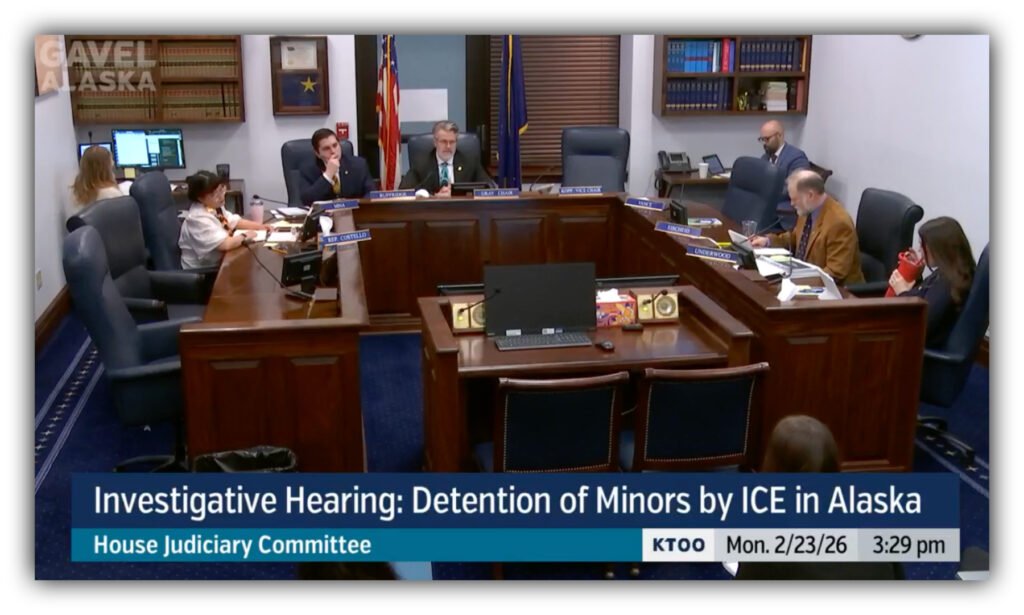
Those concerns shaped testimony before the Alaska House Judiciary Committee on February 23, 2026, as lawmakers examined child safety, rapid transfer practices, and contractor-operated detention systems connected to federal immigration enforcement.

The discussion was influenced by the case of Sonia Espinoza Arriaga of Soldotna, who was detained along with her three sons, ages 18, 16, and 5. She and her youngest child were deported to Tijuana, Mexico, while one of her older sons was transferred into federal custody in Tacoma, Washington. Her husband, Alexander Sanchez-Ramos, has publicly shared the family’s story as lawmakers examine the impact of enforcement on children in Alaska communities.
Advocates said the case illustrates how children can be moved far from family and community within days of enforcement action.
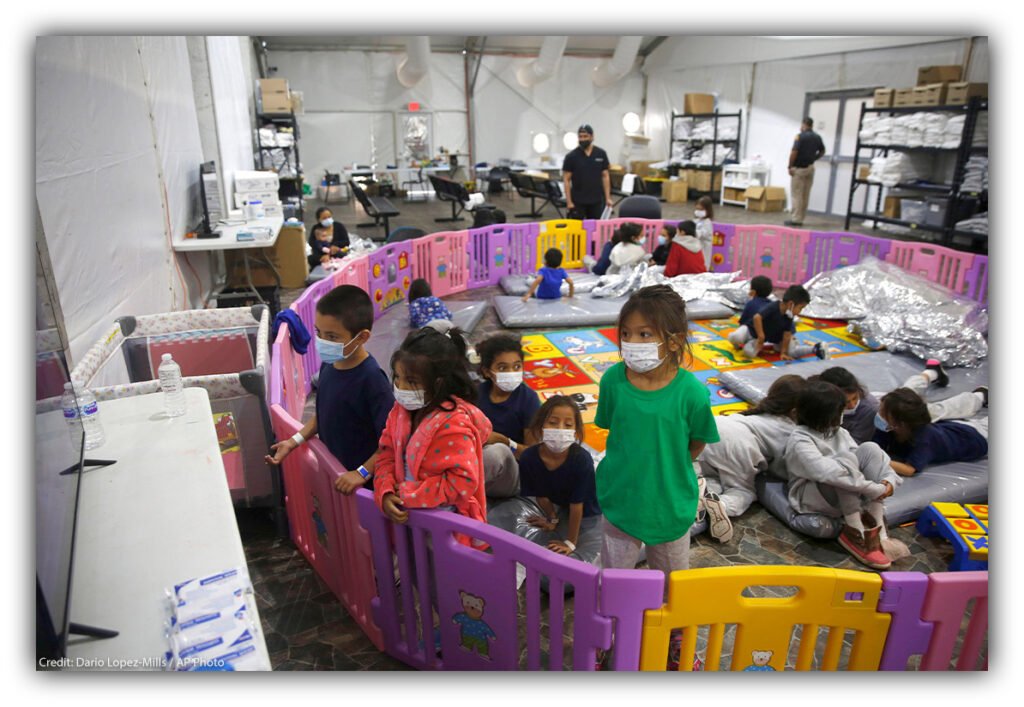
Civil rights organizations, including the American Civil Liberties Union, have warned that unaccompanied migrant children face increased risk when held in emergency intake or detention environments. Litigation and reporting have described cases where children remained in custody for extended periods while awaiting placement with sponsors, with some facilities documenting distress behaviors such as panic episodes or withdrawal.

Elora Mukherjee
Testimony during the hearing was provided remotely by Elora Mukherjee, who directs the immigration rights clinic at Columbia Law School. She emphasized that children require heightened procedural safeguards because they cannot meaningfully advocate for themselves inside enforcement systems.
Much of the oversight debate centers on contractor-operated detention networks associated with U.S. Immigration and Customs Enforcement. When medical care, housing, and supervision are outsourced, accountability can become fragmented across multiple operators, complicating safety monitoring and incident reporting.
Alaska’s isolation intensifies the challenge. Individuals detained in the state are often transferred out within about 72 hours, usually to facilities in Washington. Weather disruptions, long travel distances, and limited flight availability can make family visits and attorney meetings difficult.
Estimated data suggest about 56 people were detained or arrested in Alaska during 2025, including roughly 41 individuals without criminal convictions.
One of the major long-term family detention sites is the South Texas Family Residential Center, a federally contracted facility that houses parents and children behind secured perimeters. Although classified as an immigration detention center rather than a criminal prison, critics argue its restrictions on movement and prolonged stays can resemble incarceration for children who have committed no crime.
Policy options discussed by advocates include notifying families when minors are transferred out of state, expanding community-based legal aid, and improving remote attorney communication for detained children.
The debate ultimately returns to a simple but difficult question.
When children are placed into custody systems because of immigration status, who protects them?
Because behind enforcement statistics are children trying to understand why home suddenly became somewhere else, sometimes inside facilities where freedom is restricted even though they have broken no law.
And long after hearings end, children may carry memories of locked gates, distant parents, and the confusion of growing up inside systems built for enforcement rather than childhood.