
Alaska’s Organized Militia and state agencies coordinate large-scale relief, but most residents remain displaced as winter approaches.
By Gina Hill | Alaska Headline Living | November 2025
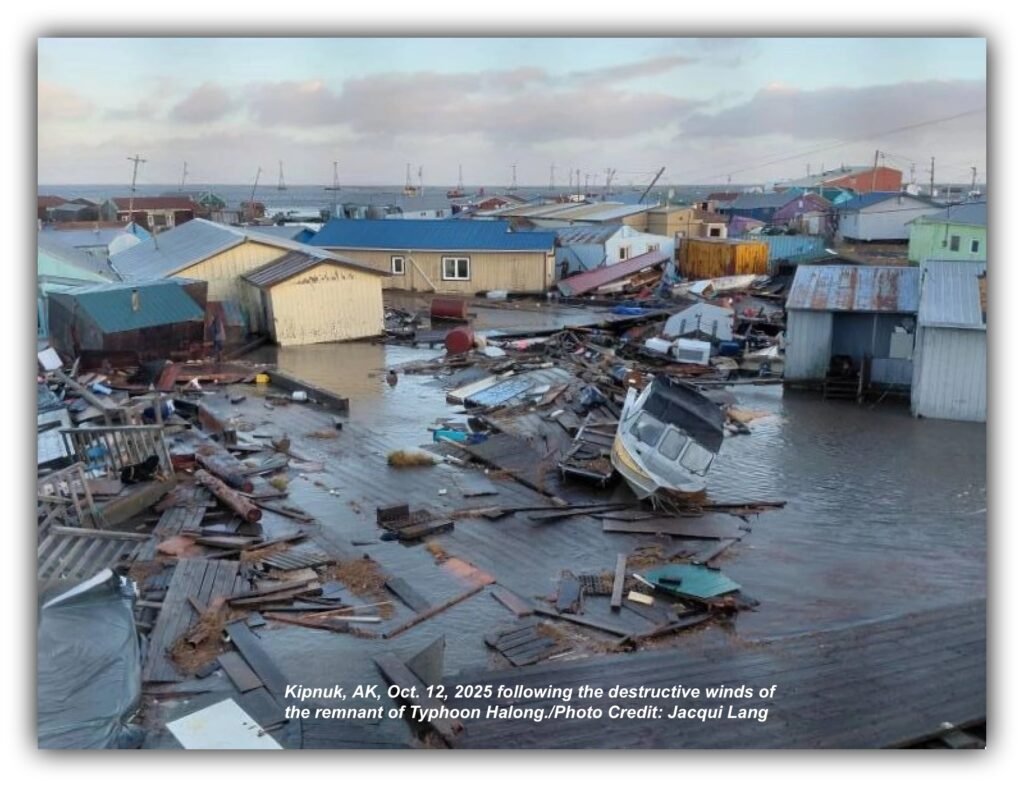
In early October 2025, Typhoon Halong struck Western Alaska, leaving widespread flooding, structural damage, and hundreds of residents evacuated from their villages. Recovery efforts are now in full swing, led by the Alaska Organized Militia, including the Air and Army National Guard, Alaska Naval Militia, and State Defense Force, alongside state and tribal agencies.
Evacuations and Recovery
As of early November, most communities remain evacuated. Emergency shelters in Anchorage have transitioned evacuees to hotels and other non-congregate housing, while state agencies and tribal councils continue damage assessments. Widespread returns are not yet possible due to unsafe housing, compromised utilities, and ongoing infrastructure repairs. Officials caution that many homes may not be habitable through the winter.
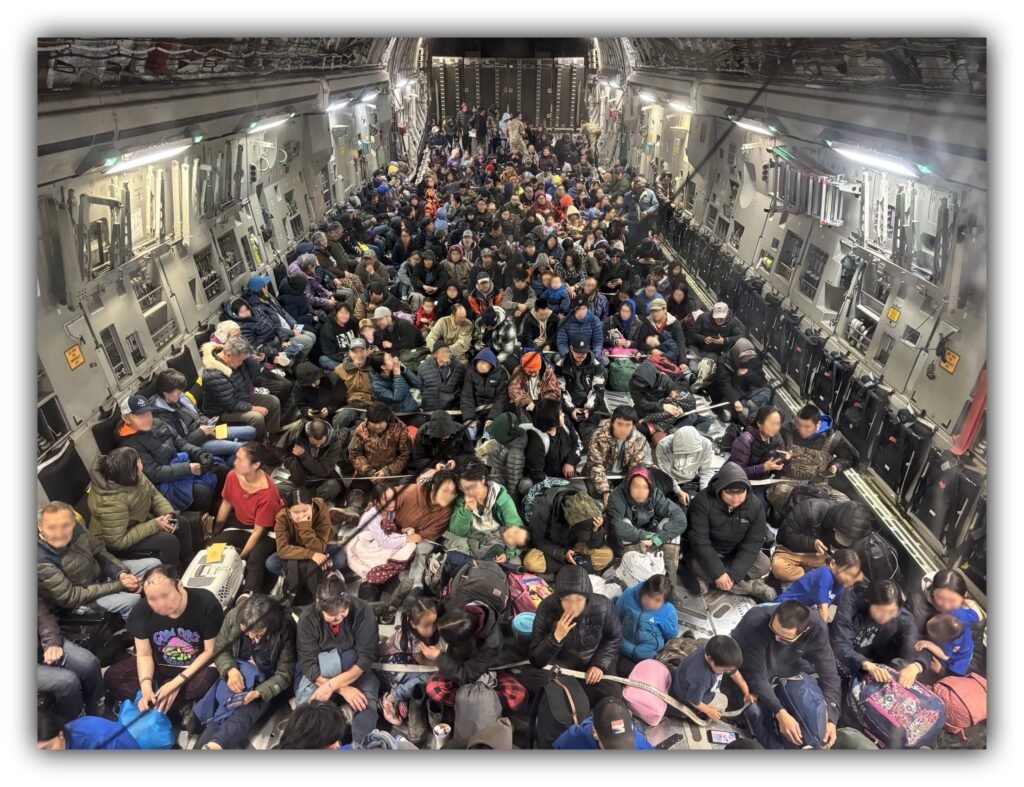
Alaska Organized Militia Response
The latest numbers from Task Force Bethel highlight the scale of the operation:
- 26 evacuation flights transporting 1,160 people
- 51 lives saved
- ~30 miles of boardwalk cleared
- ~580 homes surveyed or inspected; 50 homes assisted with insulation removal
- 345 large bags of debris removed, plus 15,000 pounds of dirt
- ~130,000 pounds of cargo delivered by Air and Army aviation
- ~202 combined flight hours logged
The Guard emphasizes that they “continue to stand ready” as villages transition from emergency stabilization to long-term rebuilding. See the full Guard report here.
How Evacuees Are Faring
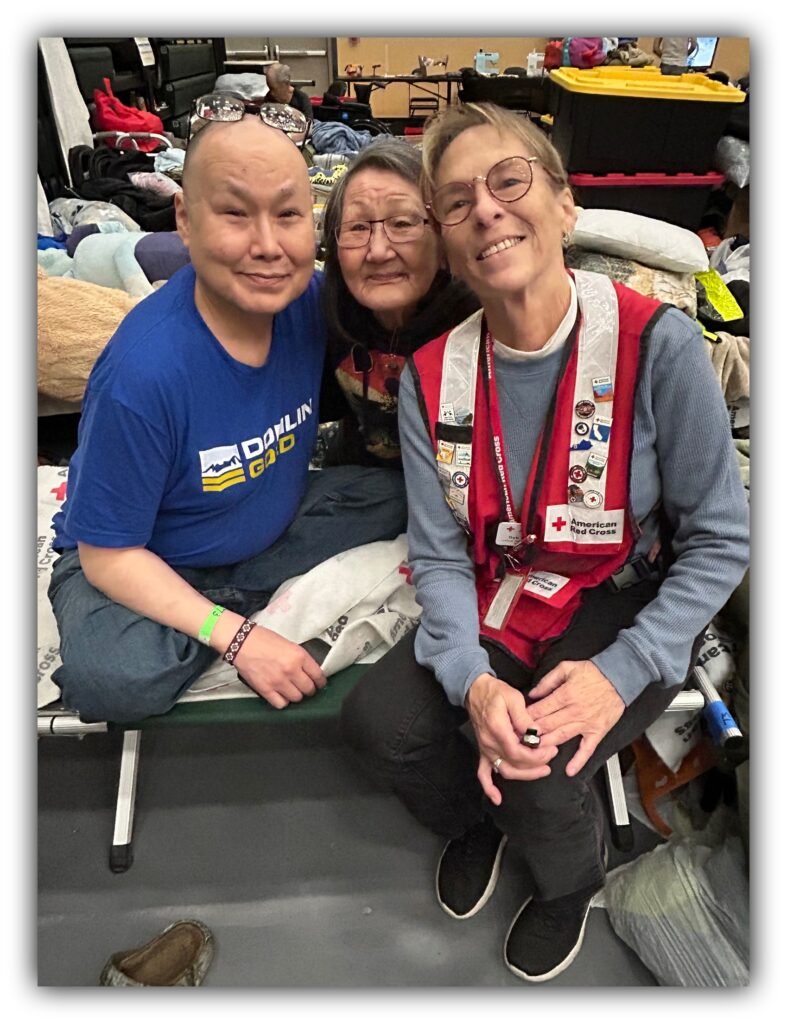
Evacuees are now housed in safer accommodations with access to food, fuel, and medical support. Emergency special hunts and other subsistence programs help displaced residents maintain traditional food supplies for winter. Tribal councils and the Alaska Housing Finance Corporation (AHFC) are coordinating long-term housing solutions. Updates on shelter and resources are posted by Ready Alaska.
How to Help
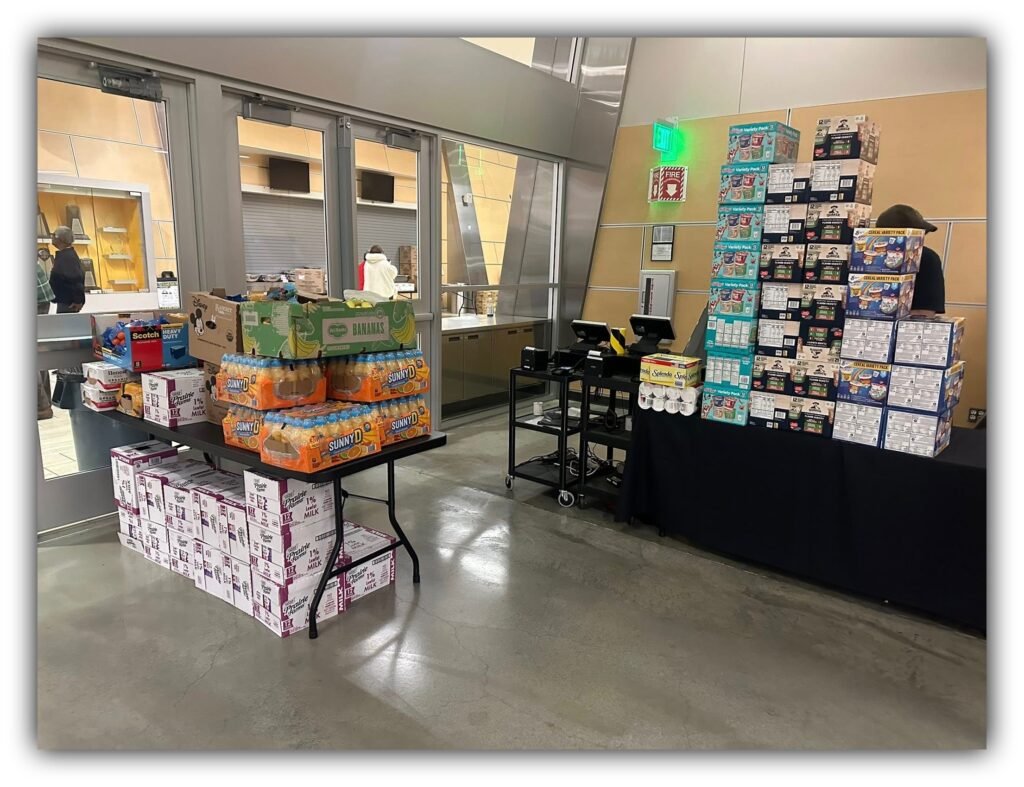
Donations remain critical. Financial contributions to the Alaska Community Foundation’s Western Alaska Disaster Relief Fund allow local organizations to purchase urgently needed supplies.
Key donation needs include:
- Winter gear: coats, snow pants, boots, hats, gloves
- Shelter & bedding: sleeping bags, blankets, air mattresses
- Clothing & shoes: new adult and children’s clothing and footwear
- Hygiene kits: soap, shampoo, deodorant, diapers, wipes
- Traditional/subsistence foods for displaced residents
Drop-off locations in Anchorage:
- 1120 E 1st Avenue warehouse, 9 a.m.–4 p.m. daily (United Way Anchorage)
- ANTHC Lodging, 4001 Tudor Centre Drive, Monday–Friday 9 a.m.–4 p.m. for traditional foods (ANTHC)
💵 Financial donations can also be sent via the Alaska Community Foundation, 3201 C Street, Suite 110, Anchorage, AK 99503.
💪 Stronger Together
In the face of widespread loss, the people of Alaska are showing resilience and solidarity. From the Alaska Organized Militia flying emergency supplies to neighbors in Anchorage donating winter gear, every effort helps rebuild homes and hope. As winter approaches, recovery is a shared effort, demonstrating that Alaskans are truly stronger together.

The flag includes the Big Dipper constellation and the North Star, representing strength and the northernmost state, respectively.