
The Federal Communications Commission is moving to restrict certain foreign‑made routers over national security concerns, raising questions about future software support and device security. 📸 Pepephone.
By James Hill | Alaska Headline Living | April 6, 2026
A quiet shift in federal policy could soon have real consequences for the device that keeps your entire digital life connected. The Federal Communications Commission (FCC) is moving to restrict certain foreign made internet routers over national security concerns, raising new questions about whether the hardware in your home will stay secure, supported, and safe to use in the years ahead. While nothing will stop working overnight, the bigger risk may be what happens later. Do you know what to do if your router is no longer receiving security updates by its manufacturer?
By moving to restrict the sale of certain foreign made internet routers in the United States, citing national security concerns about potential vulnerabilities in critical networking equipment, the FCC has created question and confusion around what will happen to the millions of routers used by private users today. Adding these devices to its Covered List, the agency will block authorization of new models that fail to meet its standards, effectively preventing them from entering the U.S. market. For you, the most immediate takeaway is that nothing currently in your home is being banned or disabled. Existing routers will continue to function normally, and previously approved devices can still be bought and sold. On the surface the FCC’s action appears to apply only to future hardware authorizations, meaning the impact would be gradual rather than sudden. However, the question of ongoing software support is more complex.
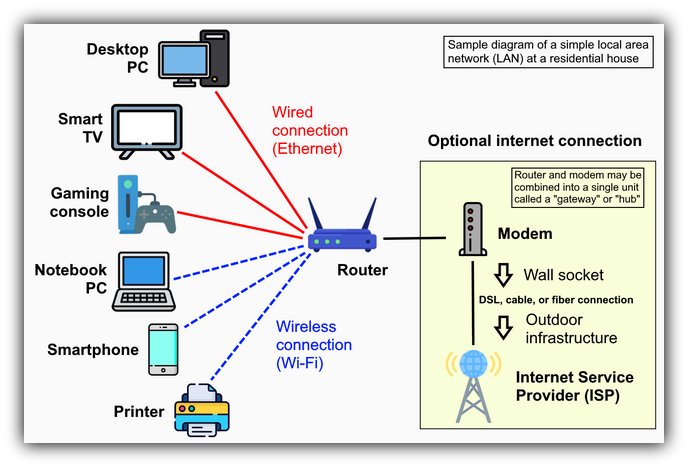
The FCC has allowed a temporary window, currently expected to extend into 2027, during which affected devices can continue receiving firmware and security updates. This grace period is intended to prevent millions of routers from becoming instantly outdated or vulnerable. During this time, manufacturers still have the opportunity to seek compliance or adjust their operations to meet regulatory requirements.
Beyond that window, uncertainty grows. If a manufacturer does not become compliant, it may no longer be able to provide software updates to its previously sold hardware in the U.S. market. That could leave otherwise functional routers without critical security patches, increasing the risk of hacking, data breaches, or performance issues over time. Security experts often emphasize that unpatched routers are among the most common entry points for cyber threats, meaning the long term implications of lost update support could outweigh the short term benefits of the policy.

For now, the situation remains fluid. Key details about enforcement, long term software support, and manufacturer responses are still evolving. You need to monitor developments closely and think carefully before purchasing new networking equipment until clearer guidance emerges, while staying prepared to switch to a new router if your current hardware will no longer receive software updates starting in 2027.
At its core, this policy is aimed at reducing risk within the nation’s digital supply chain. Routers sit at a uniquely sensitive position in modern connectivity, managing everything from personal data to corporate communications. While the FCC’s action signals a significant shift in how the U.S. approaches network security, its real world impact will depend on how regulators, manufacturers, and the market respond in the months and years ahead.
Further Reading

FCC Covered List Update (March 2026)