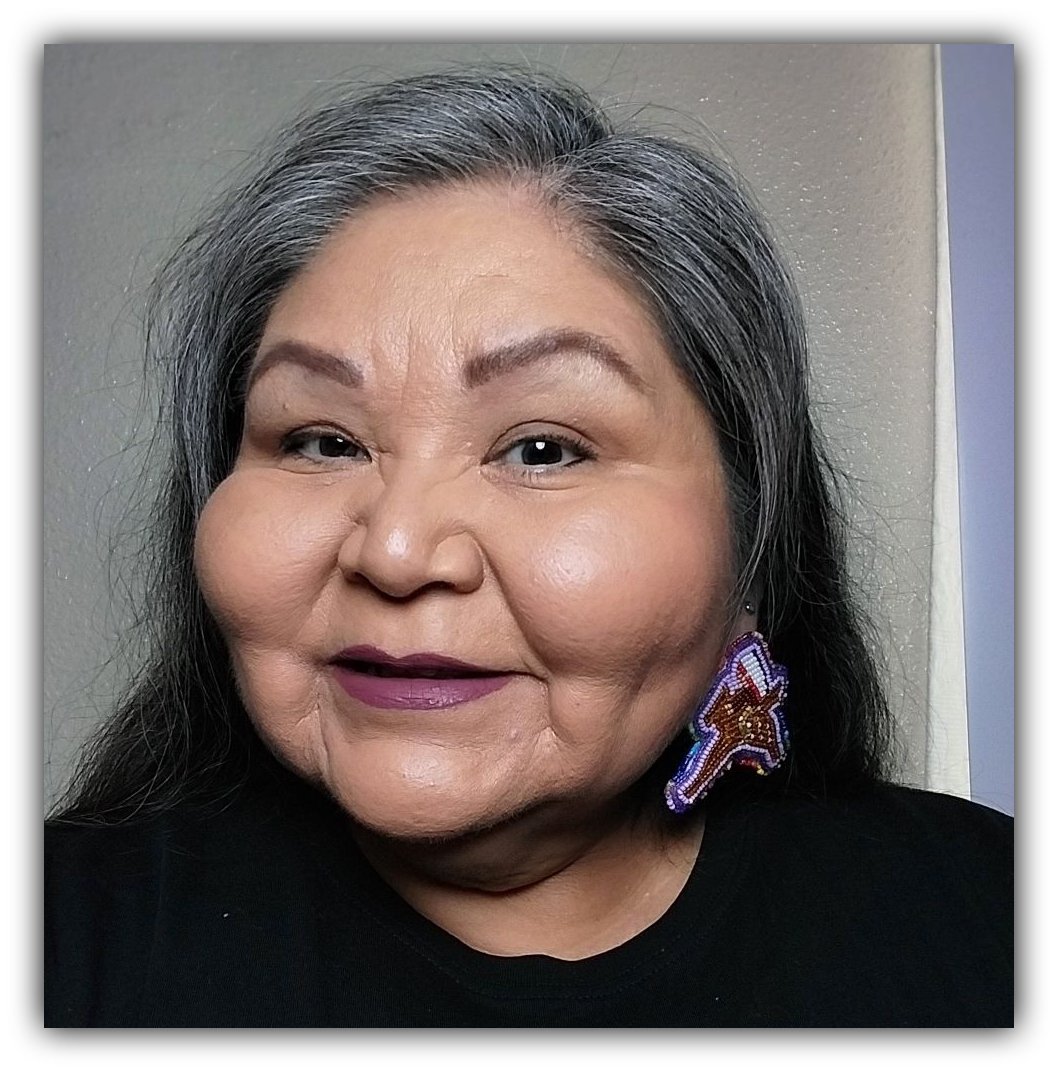

Democrat Abigail Spanberger, a former U.S. representative and CIA officer, has won Virginia’s historic gubernatorial election, becoming the state’s first woman to serve as governor
By Gina Hill | Alaska Headline Living | November 2025
In a striking turn of events on Nov. 4, 2025, the Abigail Spanberger and Ghazala F. Hashmi victories in Virginia mark not only major gains for the Democratic Party, but landmark moments for women and representation in statewide leadership.
Spanberger flips the top job
Spanberger, a former U.S. Representative and CIA case officer, has been declared the winner of the Virginia gubernatorial race, becoming the first woman elected governor in the commonwealth. She defeated Republican Winsome Earle‑Sears, with the Associated Press projecting her victory Tuesday night. AP News+1
Her campaign emphasized kitchen-table economic issues, bipartisan credentials, and a promise to govern with steadiness rather than spectacle. Many analysts interpret the win as a signal that Virginia voters are seeking pragmatic leadership in a time of national turmoil.
Hashmi makes statewide history
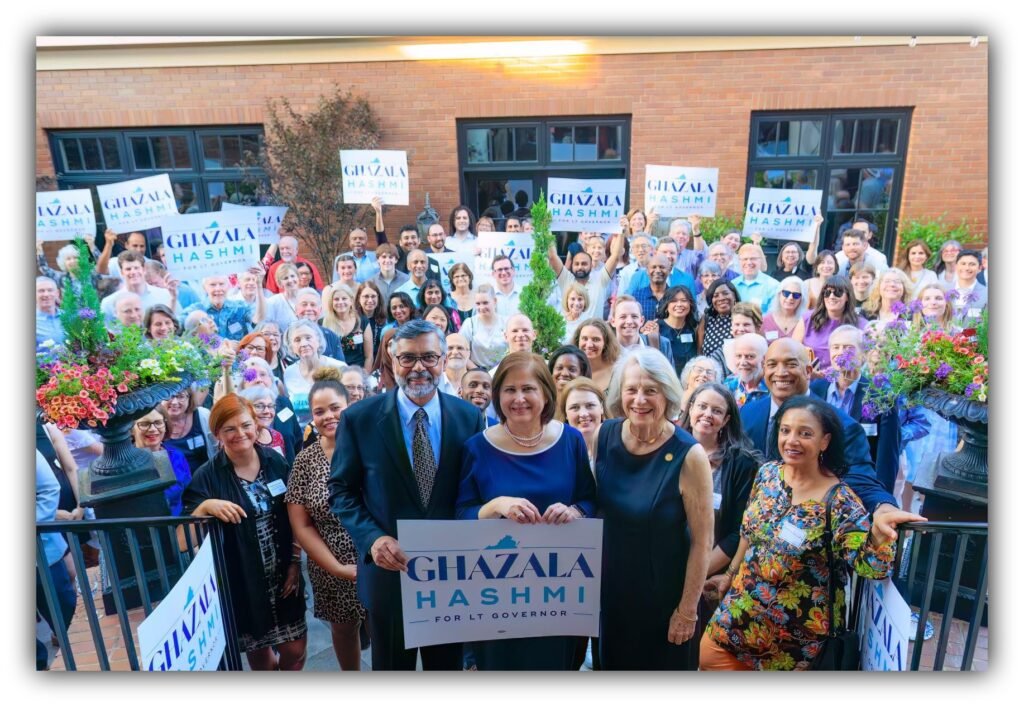
On the same night, Ghazala F. Hashmi claimed the lieutenant governor’s office, defeating Republican John Reid and becoming the first Muslim woman elected to statewide office in Virginia. AP News A former educator and state senator, Hashmi brings legislative experience and representation of a growing community of voters who’ve long sought equitable access to leadership.
What this means for Democrats
This dual victory offers a blueprint for the Democratic Party:
- It underscores the appeal of candidates who emphasize competency, local issues and inclusive governance rather than polarized national rhetoric.
- With Spanberger and Hashmi both bringing different backgrounds but a shared focus on pragmatism and inclusion, the results suggest that voters are willing to reward leadership that reflects the diversity of the electorate and promises results.
- Strategically, Democrats heading into 2026 and beyond may look to replicate this model: recruiting women and candidates from diverse backgrounds who can speak to everyday concerns and build broad coalitions.
Implications for women and representation
- Spanberger’s win as the first female governor in Virginia breaks a longstanding barrier in a state where women have held statewide executive roles only in limited numbers—and never at the top until now. It sends a powerful message to women across the country that historic offices are attainable.
- Hashmi’s win adds further momentum: her election as lieutenant governor underscores that diversity in leadership is not merely symbolic, but electable. It could lead to a wider pipeline of women and candidates from underrepresented groups running for major offices.
- Combined, these successes help normalize female leadership in executive roles and contribute to shifting expectations among voters and parties about who can win and lead.
The broader message: voters seek steadiness
Both campaigns tapped into a shared sentiment: voters appear to be looking for leadership that is steady, effective and inclusive—as opposed to chaotic or purely ideological. Spanberger herself emphasized this contrast during campaign stops. VPM The dual win suggests Virginia voters may have opted for leaders who promise governance rather than division.
Looking ahead
The significance of these victories will hinge on execution:
- Will Spanberger deliver on affordability, infrastructure and education in a way that validates the promise of pragmatic governance?
- Will Hashmi leverage her new role to influence policy and build a platform for even higher office?
- Can the Democratic Party build on this momentum to expand representation and win battlegrounds with women and diverse candidates at the helm?
If both show results, the narrative will shift from “historic wins” to “effective leadership”, and that may be the more lasting takeaway for both women in politics and Democrats nationwide.