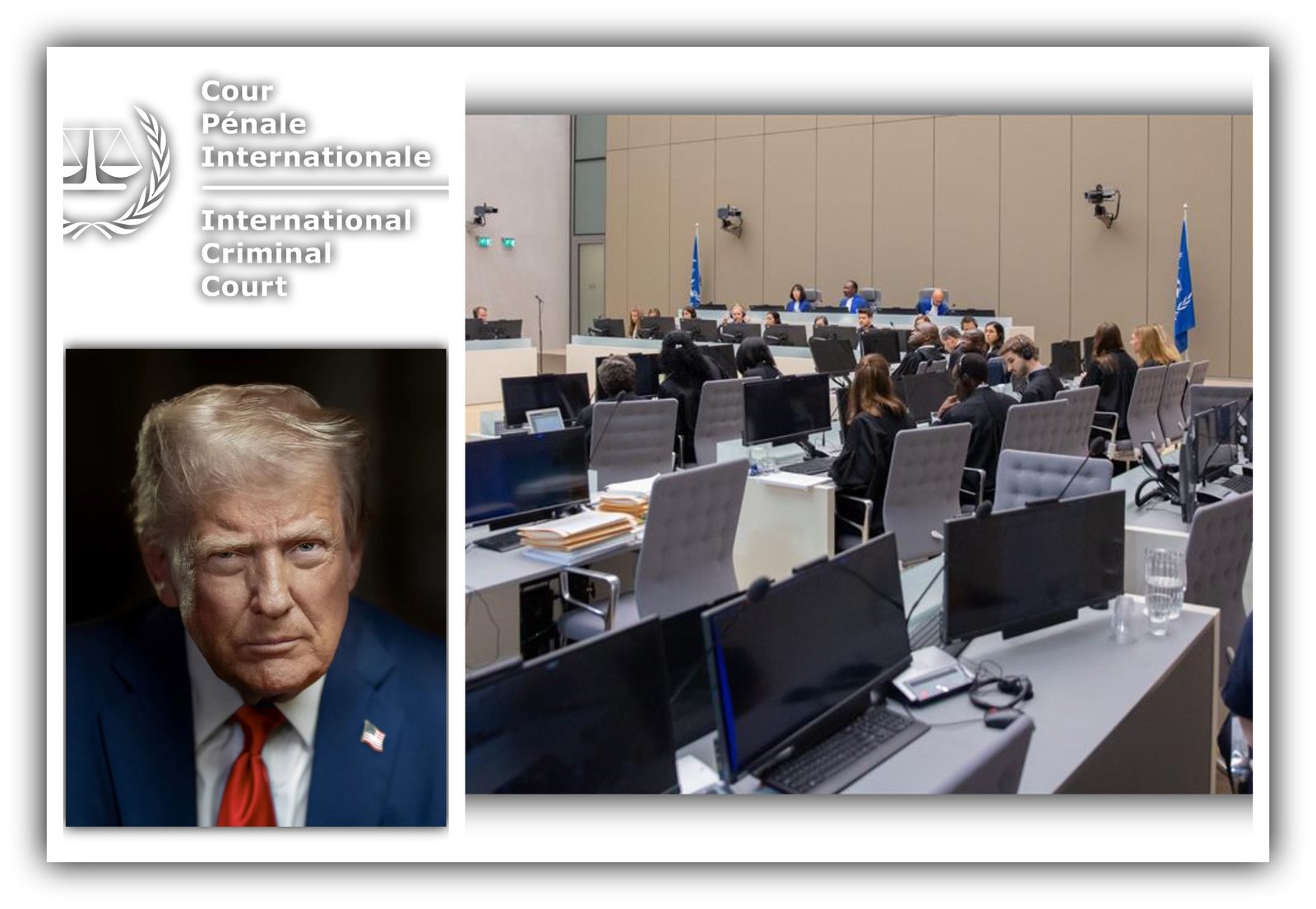
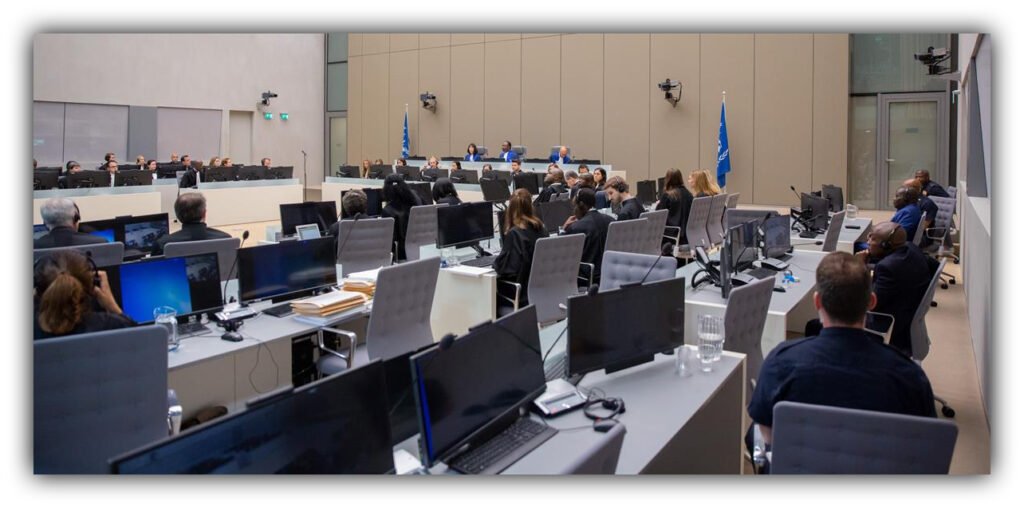
The International Criminal Court (ICC), seated in The Hague, is the world’s first permanent international tribunal mandated to investigate and prosecute individuals for genocide, war crimes, crimes against humanity and, where applicable, the crime of aggression. As a court of last resort under the Rome Statute, it steps in only when national courts are unwilling or unable to act, aiming to hold perpetrators accountable, deliver justice for victims, and help prevent future atrocities.
By Gina Hill | Alaska Headline Living | December 2025
The Trump administration’s escalating confrontation with the International Criminal Court is setting the stage for a long and unpredictable clash over global justice. Washington has signaled it is prepared to expand sanctions and political pressure if the court does not limit its reach.
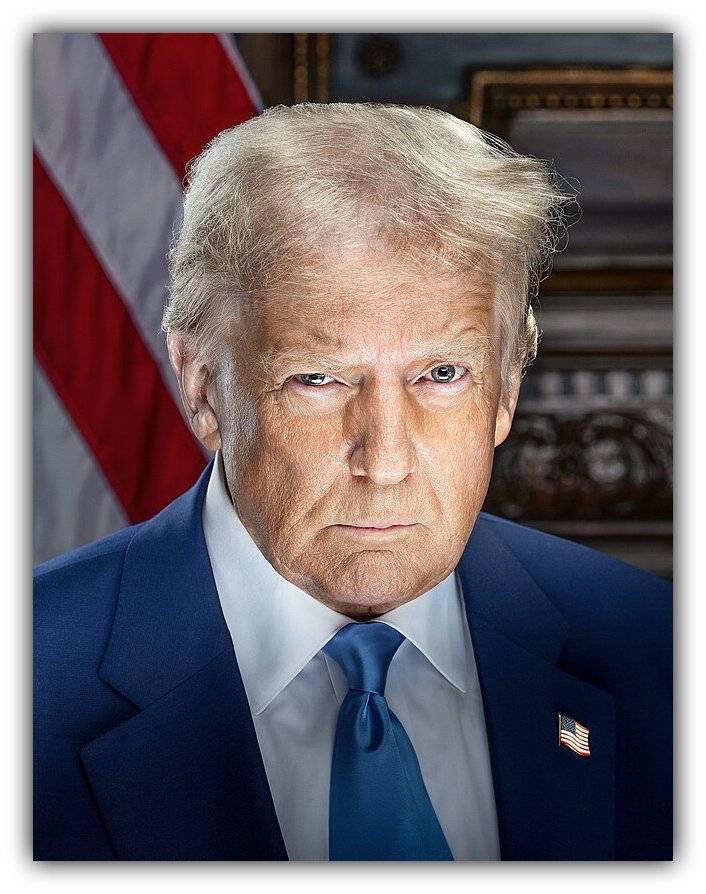
Reuters reporting shows the White House has pressed the ICC for changes that would shield U.S. officials, including former and current national leadership, from prosecution. The administration has also urged the court to halt sensitive investigations tied to past U.S. military operations and to ongoing cases involving U.S. allies. Administration officials have described the ICC’s recent actions, including arrest-warrant moves against Israeli leaders, as illegitimate and a threat to U.S. sovereignty.
According to Reuters, the ICC has rejected those demands. Court officials maintain they will continue to operate under the Rome Statute and will not alter investigations in response to geopolitical pressure. Member states that support the court have issued similar signals and have warned that broad sanctions from Washington could erode the independence of an institution created to prosecute war crimes and crimes against humanity.
What the standoff means going forward
More sanctions likely.
Reuters reports that the United States is considering widening measures beyond the targeted restrictions already imposed on ICC personnel. If enacted, expanded sanctions could affect the court’s access to banking, software, and logistical support. This would complicate operations in The Hague. ICC supporters say such pressure will not change the court’s legal mandate, although it could slow investigations involving conflict zones around the world.
Little chance of changing the Rome Statute.
Washington has demanded amendments to the treaty that would bar prosecution of U.S. officials. As Reuters notes, amending the Rome Statute requires support from a large majority of member states. This is a high political bar, and it makes it unlikely that the treaty will be rewritten to satisfy U.S. demands.
Uncertain legal exposure for U.S. leaders.
Reuters analysis underscores that the ICC has limited jurisdiction and no automatic authority over U.S. nationals on U.S. soil. The United States is not a member of the Rome Statute. Although prosecutors may pursue cases tied to crimes committed within member states, any action directly targeting a sitting or former U.S. president would be unprecedented and procedurally difficult. The ICC has issued no charges against Donald Trump.
A hardening U.S. policy line.
The White House’s posture, including sanctions authority and public criticism of the court, is becoming a long-term policy framework. Reuters has reported that Congress is considering codifying some of these measures. If this happens, it would make it more difficult for any future administration to repair relations with the Hague-based court.
Growing geopolitical strain.
Allies that support the ICC have already expressed concern about U.S. moves. According to Reuters, several member states have issued statements defending the court’s independence and urging Washington to reconsider its approach. This divide may complicate U.S. security cooperation with Europe and other partners as the rift widens.
A lingering question: does this affect Trump personally?
Based on Reuters reporting and official statements, the ICC has not brought charges against Donald Trump. U.S. investigations involving Trump have produced a mixed legal picture that includes charges, state-level convictions, dropped or paused cases, and active appeals. Reuters emphasizes that none of these proceedings amount to a single, final, uncontested legal determination that Trump is criminally guilty across jurisdictions. The legal status of these cases remains unsettled and falls outside the scope of the ICC’s current actions.
Outlook
The United States and the ICC appear to be entering a prolonged standoff with few easy exit points. Washington is preparing for further pressure, and the ICC along with its member states shows no sign of backing down. This dynamic threatens to slow global war-crimes investigations, deepen diplomatic tensions, and leave critical questions about accountability for world leaders, including Trump, unresolved for years to come.