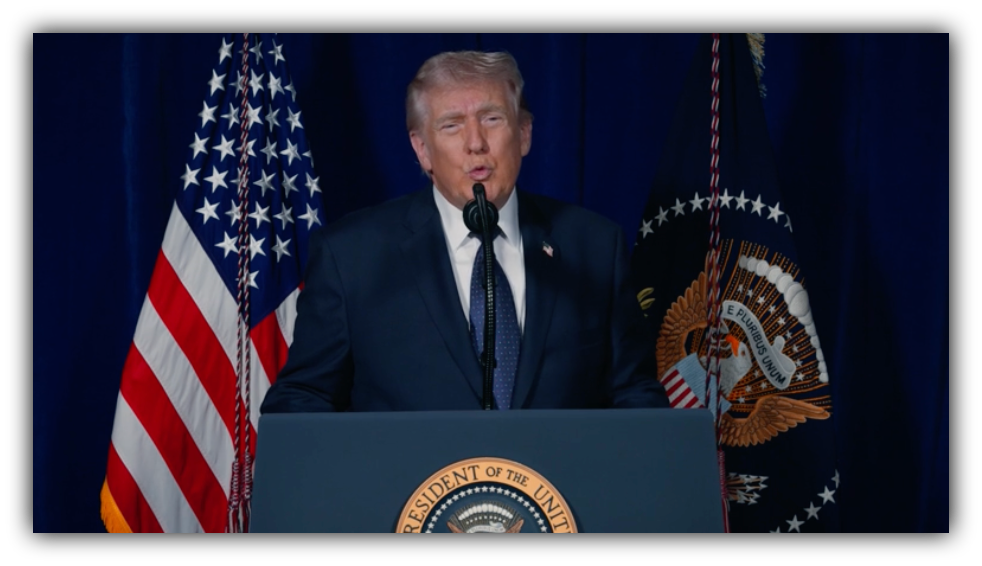
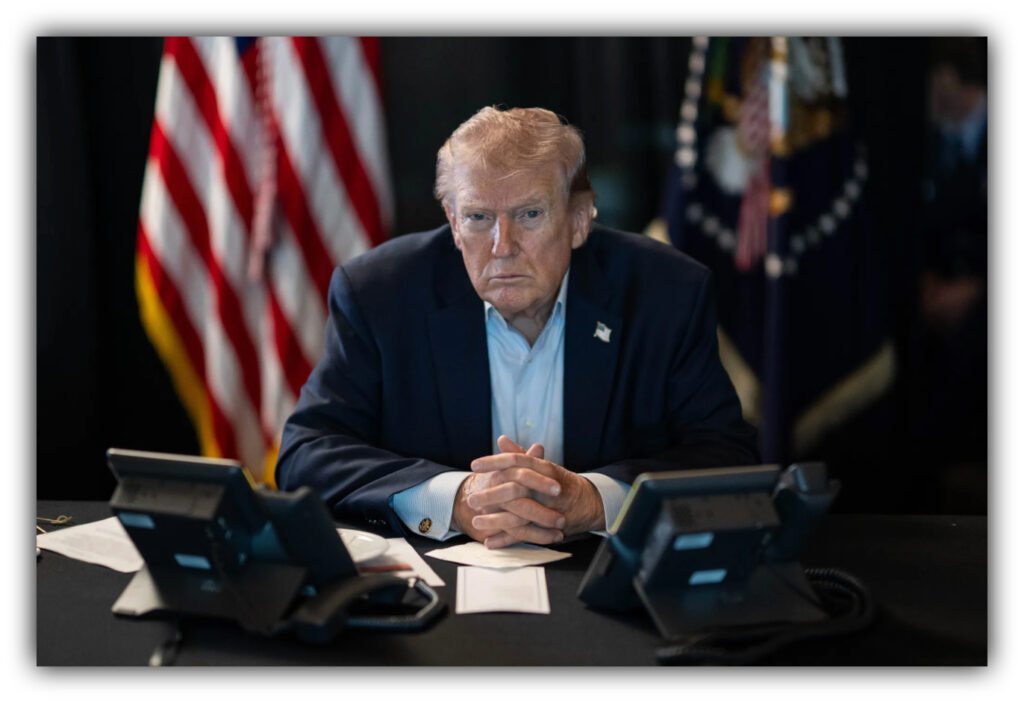
President Donald Trump delivers a national address on U.S. military operations related to Iran, underscoring a period of strategic security decisions as he reshuffles leadership at the Department of Homeland Security. 📸 The White House
Testimony clash, internal controversy, and advisory power disputes fuel leadership reset inside Homeland Security
By Gina Hill | Alaska Headline Living | March 2026
President Donald Trump removes Kristi Noem from her role as Secretary of Homeland Security following weeks of congressional scrutiny, internal management controversy, and a public testimony dispute that reportedly triggered presidential frustration.
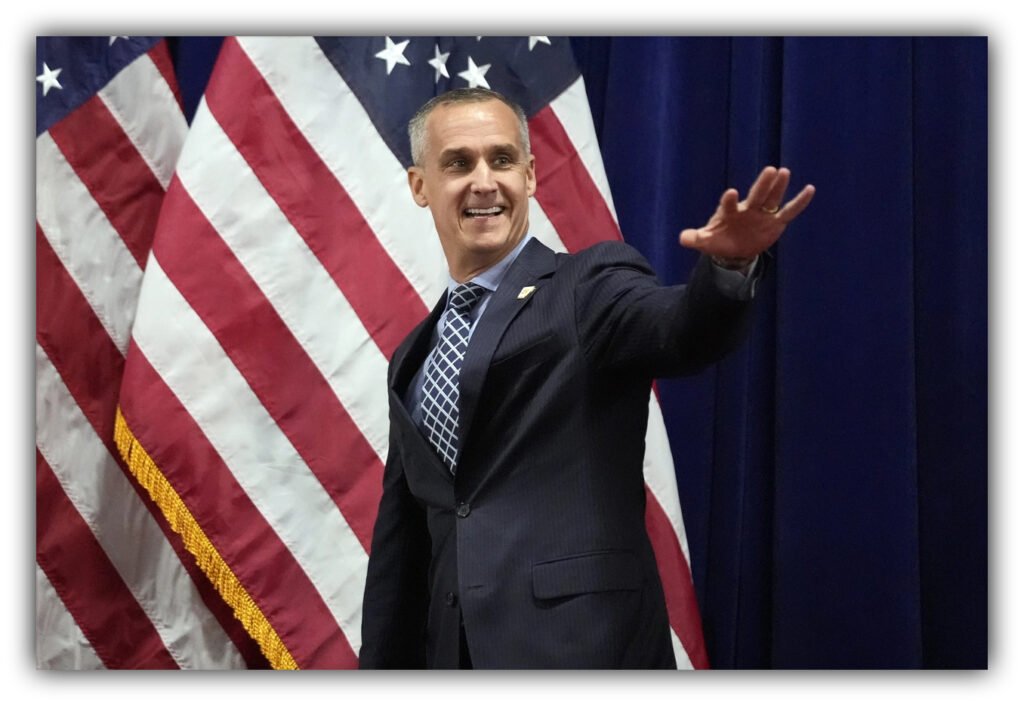
MS Now is reporting that Corey Lewandowski is leaving the Department of Homeland Security as the administration restructures its advisory and leadership network.
Trump has appointed Markwayne Mullin to replace Noem as Homeland Security secretary, with the transition expected to take effect March 31, 2026.
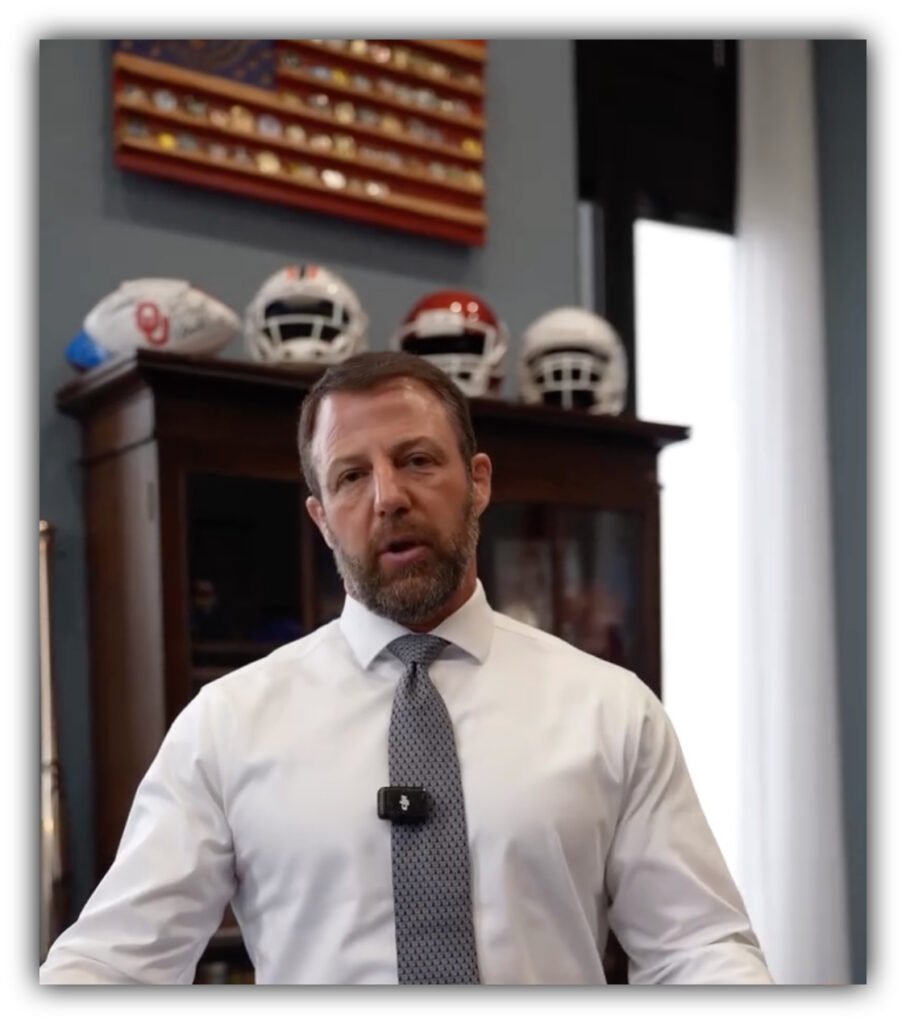
Officials have not issued detailed confirmation regarding Lewandowski’s departure, but the report suggests the controversial advisory presence inside DHS is ending as the White House reshapes its security team.
The Testimony That Helped Trigger the Break
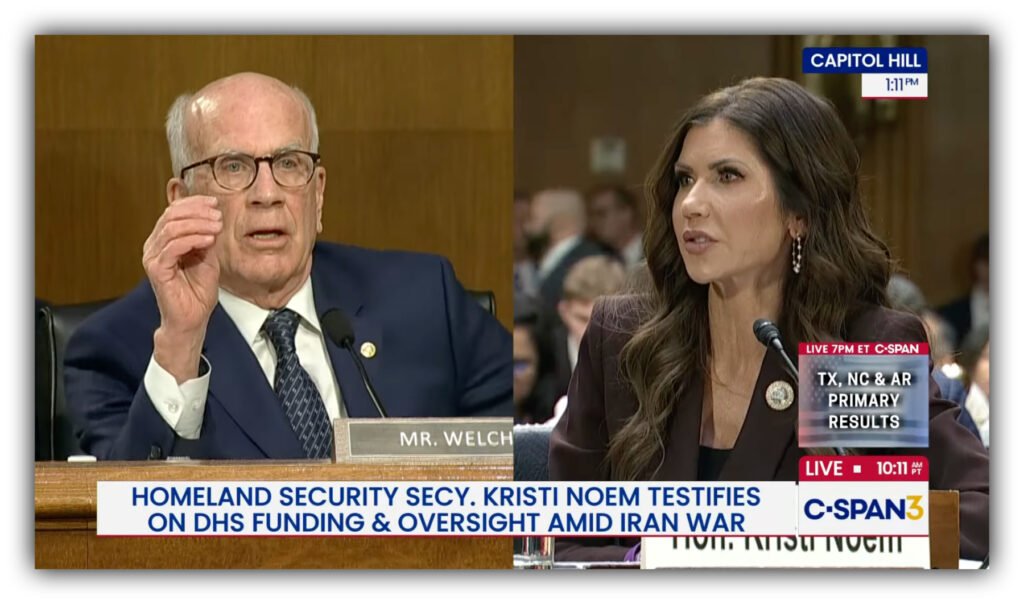
The shake-up followed congressional hearings where Noem testified that Trump had approved a proposed $220 million Department of Homeland Security advertising campaign aimed at encouraging voluntary migration compliance.
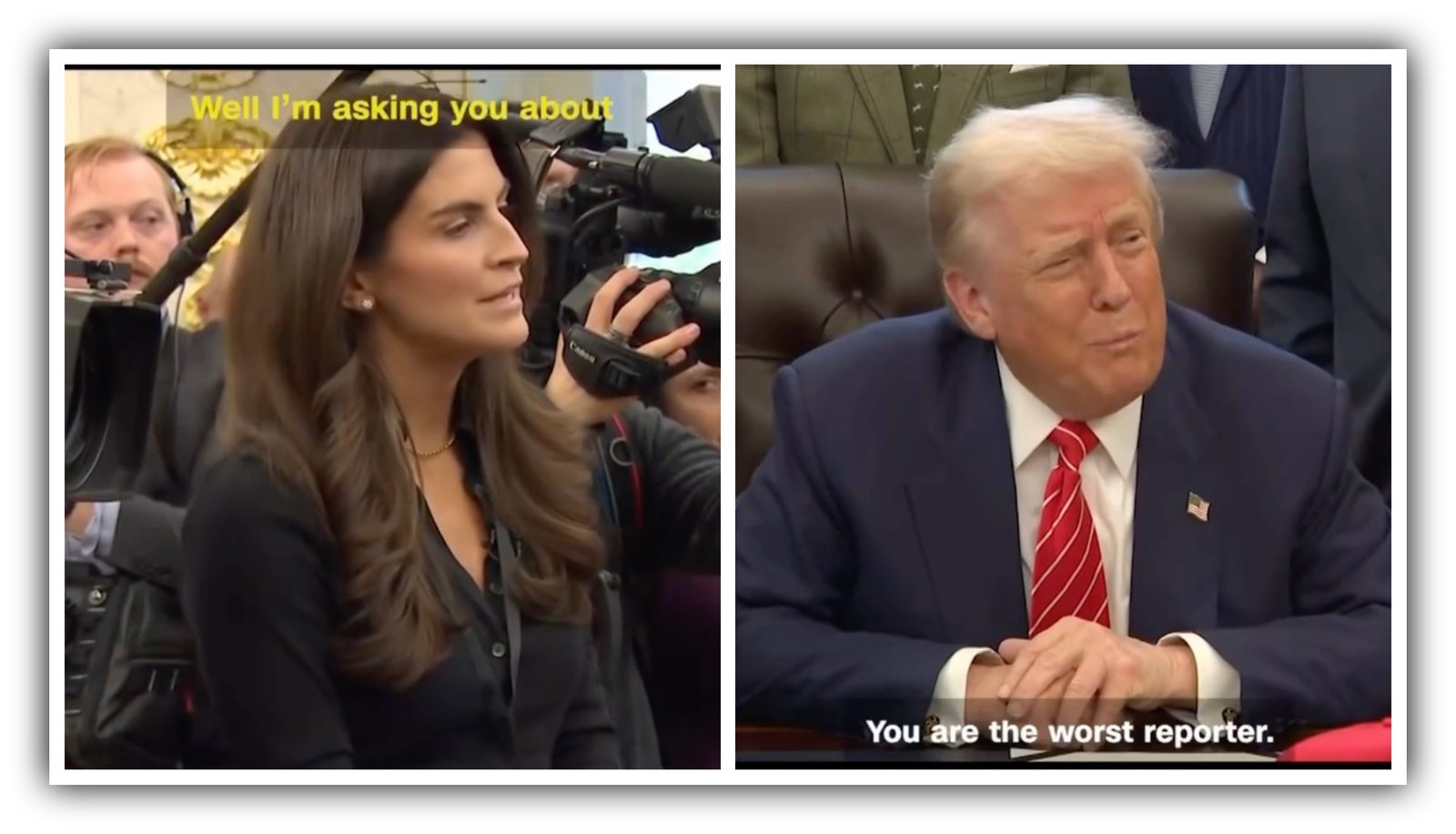
Trump later told reporters he was unaware of authorizing the campaign, creating a public contradiction that quickly became a political flashpoint inside the administration.
Sources familiar with internal discussions said the dispute angered the president, particularly because the testimony appeared to attribute a controversial decision to him.
In Trump political culture, publicly assigning presidential authorization to a contested program without direct confirmation is often treated as a serious breach of trust.
Management Controversy Inside Homeland Security
Lewandowski’s advisory role inside DHS drew sustained scrutiny during the hearings.
Although he never held a Senate-confirmed position, he operated as a special government employee connected to White House operations.
Lawmakers questioned whether he influenced:
• Contracting decisions
• Staffing assignments
• Enforcement operations
• Internal policy discussions
Noem denied that Lewandowski had authority to approve federal contracts.
Some investigators and staff accounts suggested his influence may have extended beyond traditional advisory boundaries, creating what critics described as blurred leadership lines inside DHS.
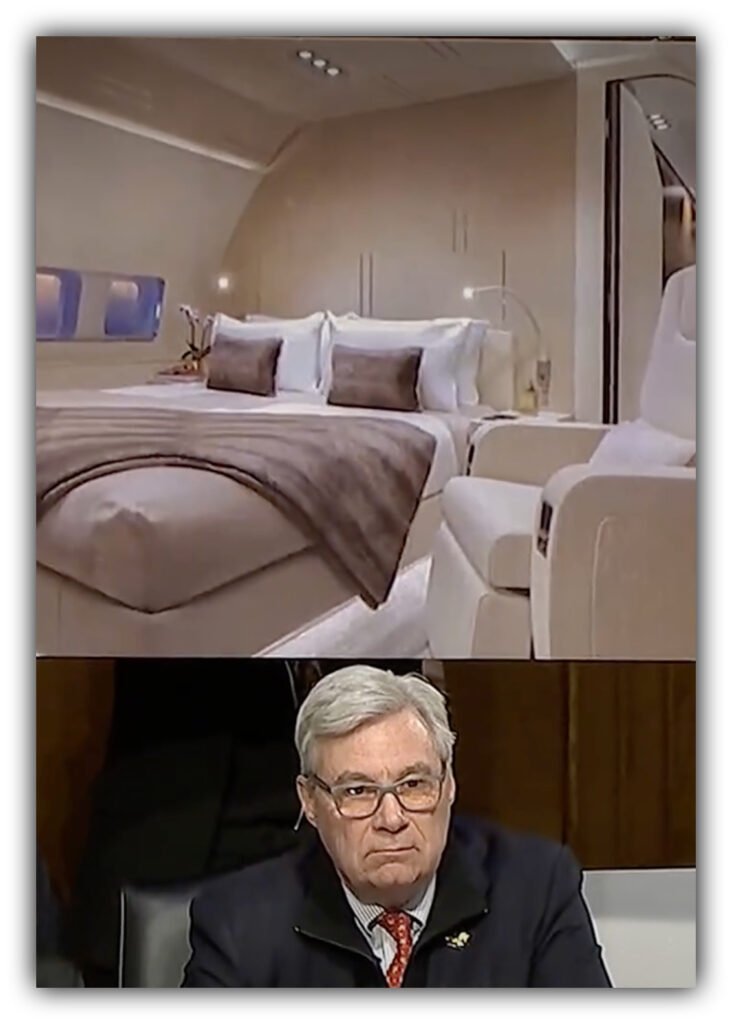
U.S. Senator Sheldon Whitehouse questioned former Homeland Security Secretary Kristi Noem during a March 3, 2026 hearing about a luxury-style deportation aircraft described in testimony as part of a government enforcement operation.
The exchange came amid broader scrutiny of DHS leadership under President Donald Trump.
Aircraft Incident and Operational Disputes
Reports circulated about an episode involving government travel arrangements tied to DHS leadership.
Sources said Lewandowski entered the cockpit of a government aircraft during a dispute that reportedly involved a missing personal item.
A pilot was reportedly dismissed during the incident but later reinstated after review.
The story became a symbol for critics who argued department management structure had become unstable.
Relationship allegations rejected
Congressional questioning also addressed reports of a possible personal relationship between Noem and Lewandowski.
Noem rejected the allegations as politically motivated and unrelated to department operations.
Bipartisan frustration inside Congress
Criticism of DHS leadership came from both parties.
Sen. Thom Tillis and other lawmakers described management instability during testimony.
The unusual bipartisan unease strengthened pressure on the administration to restructure leadership.
Trump’s solution: Reassignment rather than public firing
The administration framed the move as a strategic reset.
Noem will transition to a new diplomatic role as Special Envoy for the planned United States Special Envoy for The Shield of the Americas.
The initiative is expected to focus on migration coordination and security partnerships across the Western Hemisphere.
Political analysts say the structure reflects a familiar personnel pattern in Trump administrations.
The approach typically involves:
• Removing a controversial figure from operational command
• Preserving political loyalty relationships
• Avoiding public party conflict
• Maintaining policy messaging consistency
The Shadow Adviser Question
Lewandowski’s presence inside DHS became one of the most controversial aspects of the agency’s recent management structure.
Critics argued the arrangement risked creating parallel command channels.
Supporters described him as a trusted political adviser helping align enforcement messaging with White House priorities.
For now, there is no public confirmation of his continued role.
The strategic signal
The appointment of Mullin suggests a shift toward tighter coordination between DHS enforcement operations and White House strategy.
Supporters say the change strengthens border security execution.
Critics argue it reduces institutional independence inside the department.
The Hard Truth Inside Washington
Many analysts interpret the shake-up as less about individual personnel and more about command clarity.
The controversy surrounding Noem’s testimony and the advisory influence attributed to Lewandowski created what critics described as a “dual authority channel” inside Homeland Security.
For Donald Trump, situations in which subordinates appear to publicly attribute controversial decisions to presidential approval have historically led to swift personnel adjustments.