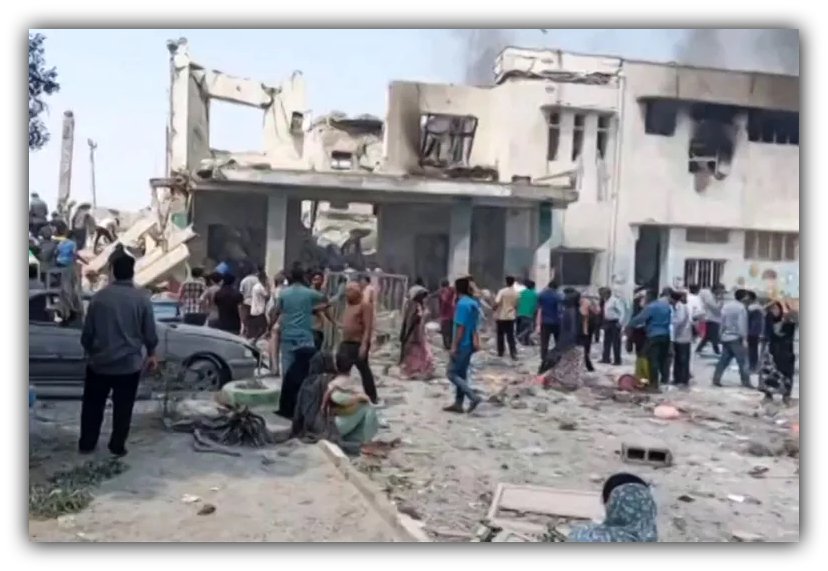
This image, taken from an Islamic Republic of Iran Broadcasting broadcast on February 28, 2026, shows damage reported at a girls’ elementary school in Minab in southern Hormozgan Province near the waters of the Strait of Hormuz. State media reports say the strike occurred during daylight hours while school was reportedly in session, drawing worldwide attention to the children said to have been inside the building when the violence happened. [Source: IRIB TV via AFP]
By Gina Hill | Alaska Headline Living | March 2026
War has returned to the Persian Gulf with brutal speed.
The conflict between the United States and Iran escalated after the confirmed death of Iranian Supreme Leader Ali Khamenei during a large joint U.S.–Israeli military operation targeting strategic military infrastructure in Iran.
But the world’s attention has shifted from generals and geopolitics to something far quieter and heavier: the sound of children’s lives ending inside a school classroom in daylight.
The School Strike That Shocked the World
The most devastating single incident reported during the operation occurred at a girls’ elementary school in Minab in southern Hormozgan Province.
Iranian state media says the Shajareh Tayyebeh school was in session during daylight hours when a missile struck the building.
According to Iranian government reports, approximately 148 people were killed, with well over 100 of the dead believed to be children, most of them young schoolgirls.
The figures have not been independently verified by international investigators. Access to the site has been limited during the ongoing military escalation.
Major global news organizations have reported the attack but have not confirmed responsibility for the strike. Neither the United States nor Israel has publicly acknowledged direct responsibility for the school attack.
Rumors, Social Media, and the Fog of War
As news of the tragedy spread online, misinformation followed.
Posts circulating on social platforms claimed the blast was caused by a failed launch from the Islamic Revolutionary Guard Corps that fell back to the ground.
There is currently no credible evidence supporting that claim. Major international outlets have not verified the origin of the missile, and independent investigators have not confirmed whether the weapon was launched from outside or inside Iranian territory.
Military analysts note that the school’s proximity to a facility associated with the IRGC has been mentioned in reporting, but location alone does not determine the source of the attack.
Regional Retaliation and Expanding Violence
The strikes on Iran triggered a wave of retaliation.
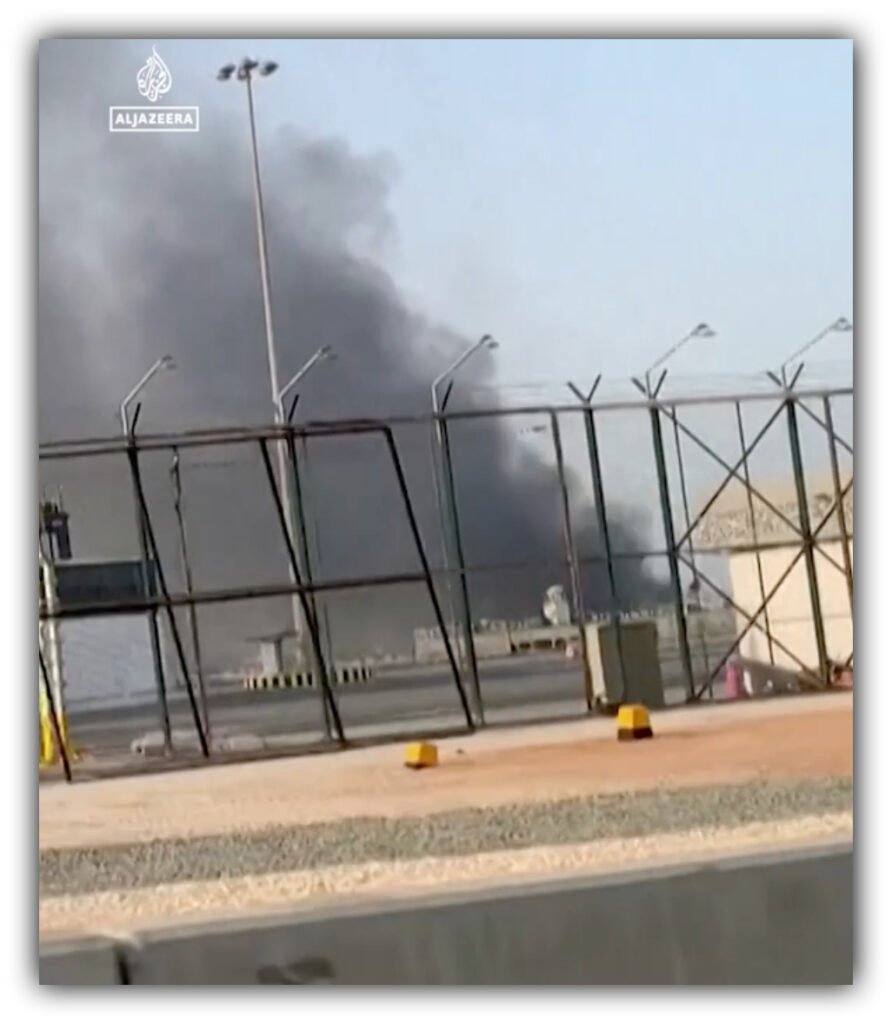
Iran launched hundreds of missiles and drones targeting U.S. and allied military installations across the region, including positions in the Gulf.
The United Arab Emirates reported damage near the Al Salam Naval Base after a drone strike that was captured in video broadcast by Al Jazeera.
Regional casualty numbers from the retaliation phase remain fluid, but U.S. defense officials have stated that there are no confirmed U.S. civilian deaths and no verified reports of Americans from any U.S. state, including Alaska, being included in casualty totals.
The Political Battle in Washington
The operation also reignited constitutional debate inside the United States Congress.
Critics argue that major military action against Iran was launched without a public congressional declaration of war or explicit statutory authorization.
Supporters of the administration maintain that the president acted under emergency national security authority as commander-in-chief.

Under the U.S. War Powers framework, military hostilities initiated without prior authorization are generally subject to notification to Congress within 48 hours. Continued engagement is typically limited to roughly 60 days, with a possible 30-day withdrawal extension unless Congress passes an Authorization for Use of Military Force or formally declares war.
The Human Cost
Across the region, families are counting the dead while diplomats debate strategy.
Satellite images, battlefield reports, and competing official statements have created what analysts call the “fog of modern war” a space where truth moves slowly while violence moves fast.
International humanitarian organizations have warned that children remain the most vulnerable victims of the escalation.
Wars are often measured in territory gained or threats neutralized, yet history remembers the classrooms silenced by explosions, the shattered windows, and the small shoes left behind.