Satellite images from NASA’s Landsat program show Lake Mead shrinking dramatically between 2000 and 2022 as drought and rising temperatures strain the Colorado River Basin. By July 2022, the nation’s largest reservoir had dropped to about 27 percent of capacity. | NASA Earth Observatory
By Gina Hill | Alaska Headline Living | March 2026
Turn on the tap and most of us expect clean water. It’s one of those everyday things you barely notice. Until it’s gone.
Across the U.S., that assumption is being tested. Rivers are shrinking. Chemicals that never break down are showing up in drinking water. Old pipes and aging infrastructure are struggling to keep up. Some problems are obvious. Others creep in slowly.
The Flint, Michigan crisis made the danger impossible to ignore. In 2014, the city switched its water source to the Flint River. Corrosive water from the river caused lead to leach from old pipes into people’s taps. According to the Centers for Disease Control and Prevention, thousands of residents were exposed to dangerous levels of lead. The city also saw an outbreak of Legionnaires’ disease. Flint was a national wake-up call showing how quickly a water system can fail when infrastructure and oversight break down.
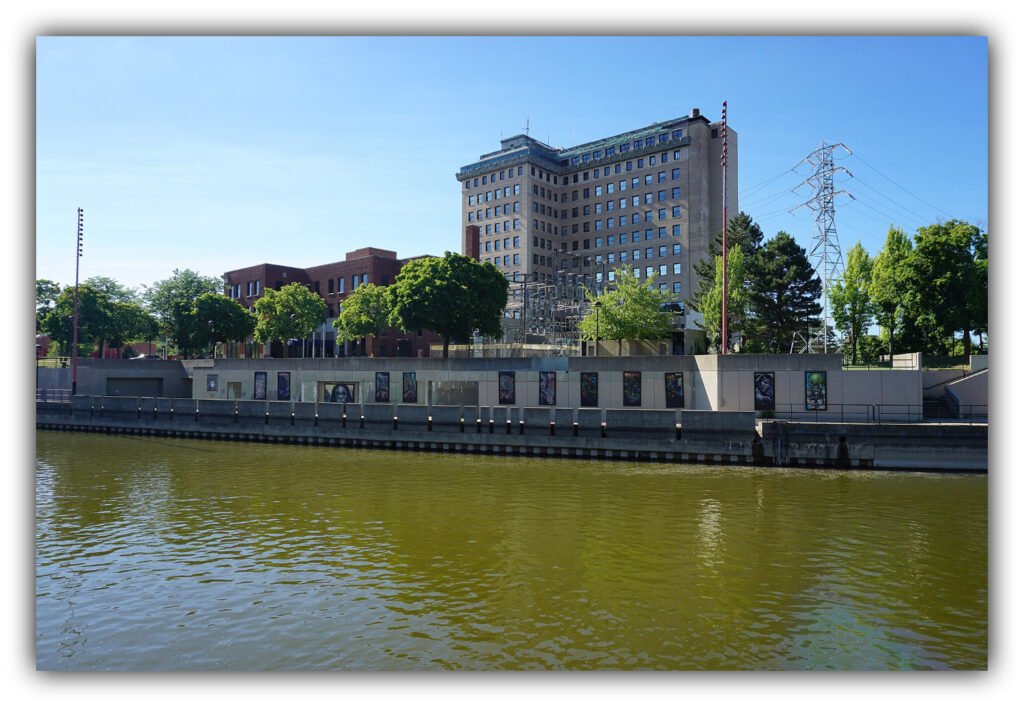
The river that poisoned a city. In 2014, Flint switched its water supply to the Flint River without proper treatment, causing lead from old pipes to leach into tap water. Years later, residents still face health impacts, and many remain cautious about drinking from the tap.
📸: Michael Barera, Own work | CDC, 2025
Flint was one city. Now, look at the bigger picture.
Millions of people in the Southwest depend on the Colorado River Basin for drinking water, farming, and electricity. According to the U.S. Geological Survey, runoff in the basin has dropped sharply over the last two decades because of hotter temperatures and less snow.
The drop shows up in the photos. Lake Mead, the largest U.S. reservoir, has fallen from nearly full in 2000 to just 27 percent capacity by July 2022, according to the U.S. Bureau of Reclamation. Even more alarming, the lake level fell sharply between 2021 and 2022. When water drops this low, there isn’t enough to run hydropower the way it used to.
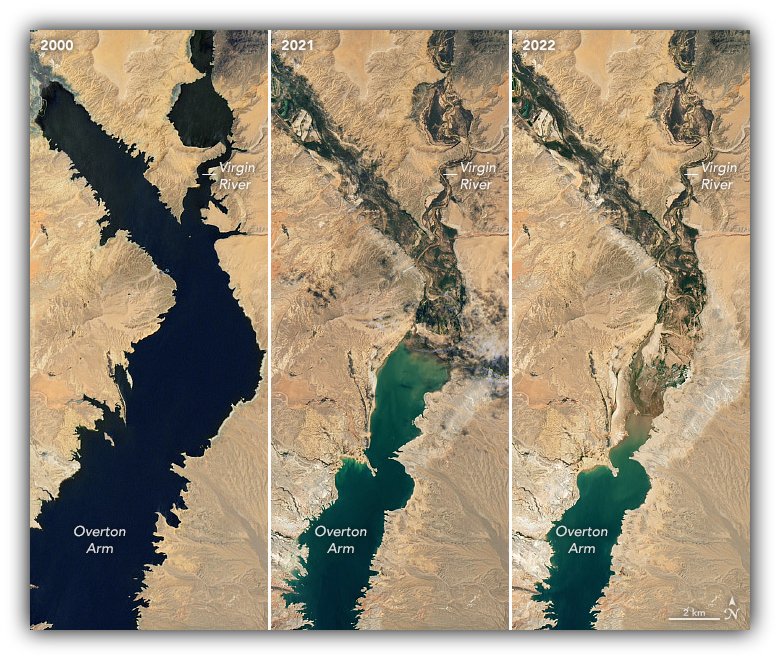
NASA Landsat images show Lake Mead from 2000, 2021, and 2022. Once near full capacity in 2000, the reservoir now sits at just 27 percent of its volume, with a sharp drop from 2021 to 2022. The light-colored “bathtub ring” along the shoreline reveals land that was once underwater, illustrating the long-term drought affecting millions across seven states, tribal lands, and northern Mexico. Water levels are the lowest since the reservoir was first filled in 1937. (U.S. Bureau of Reclamation | NASA Landsat 7 & 8)
This didn’t happen overnight. A 1922 agreement divvied up the Colorado River based on unusually wet years. Cities grew, farms expanded, and groundwater was pumped to fill the gap. Now climate change is squeezing the system even harder.
Scarcity isn’t the only problem. Contamination is everywhere, too.
Nearly half of U.S. tap water systems have detectable PFAS chemicals, says the U.S. Geological Survey. These “forever chemicals” don’t break down and have been linked to cancer, immune problems, and developmental issues in kids, according to the Environmental Protection Agency.
Fixing contaminated water can cost millions, which often ends up in higher bills, taxes, or long-term bonds.
While the Southwest struggles with drought, Alaska has a different water challenge.
Most of the state has plenty of freshwater, but access to safe, treated water isn’t guaranteed. The Alaska Department of Environmental Conservation reports that 83 percent of public drinking water comes from groundwater. Naturally occurring elements like arsenic, iron, and manganese may need to be treated to be safe.
Rural Alaska is another story. Many villages are not on central water systems. Residents rely on local facilities, called washeterias, for drinking water, laundry, and showers. When those systems fail, life changes fast.
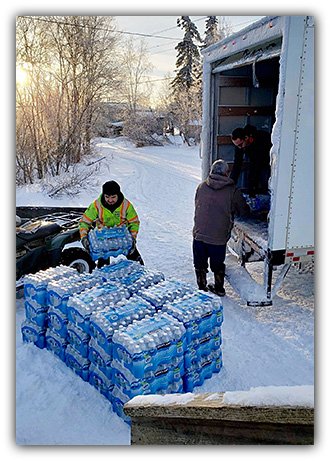
In 2021, a fire destroyed the washeteria in the Yukon-Kuskokwim Delta village of Tuluksak, leaving the community without its only source of treated drinking water. Residents relied on donated bottled water flown into the community and hauled river ice to melt and boil at home.
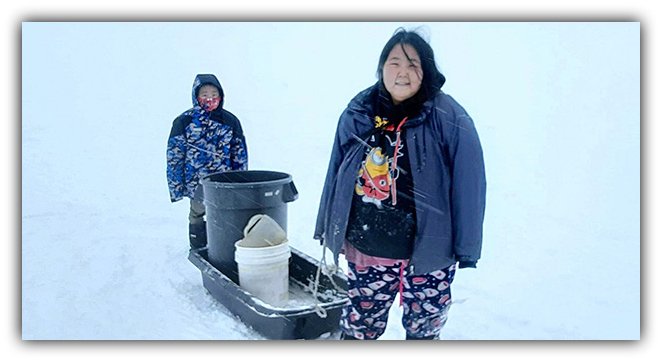
With the village’s only water source destroyed by fire, residents rely on river ice for drinking water, highlighting the challenges of clean water access and infrastructure in rural Alaska Native communities.
Photo: Lucy Andrew
Climate change is also reshaping water systems in Alaska in ways scientists are only beginning to understand.
National Park Service and U.S. Geological Survey scientists have found more than 30 Arctic rivers turning orange as thawing permafrost exposes iron-rich minerals. In the Salmon River, they saw sharp declines in aquatic insects and young Dolly Varden fish. Rust-colored rivers may affect fish habitat and subsistence food sources.
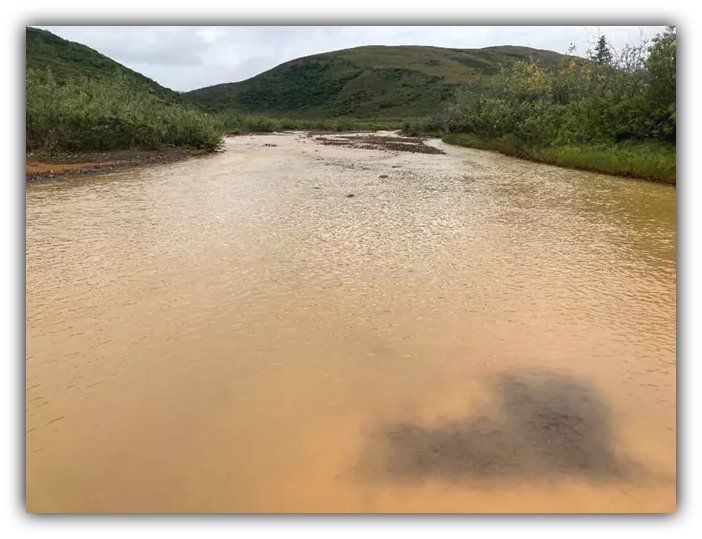
As those minerals oxidize, they create rust-colored water that is more acidic and turbid. In one tributary of the Salmon River in Kobuk Valley National Park, researchers observed sharp declines in aquatic insects and juvenile Dolly Varden fish, raising concerns about long-term impacts on ecosystems and subsistence resources.
Water challenges do not fall evenly across the country.
Some communities have old pipes, little money, or are so remote that keeping water flowing is a daily struggle. Small towns, tribal lands, and rural villages often have to manage water systems in tough conditions with barely enough funding.
For residents, it hits every day. Higher water bills. Boil-water alerts. Wondering if the water coming out of the tap is safe.
Flint wasn’t just a tragedy. It was a warning.
What You Can Do Right Now
The water crisis can feel huge, but ordinary people can make a difference. Test your water. Keep an eye on reports. Speak up when your local system shows problems. Support upgrades and strong oversight.
👉🏿Alaskans can start with the Alaska Department of Environmental Conservation’s Drinking Water Program.
👉🏿Private well owners can check the state’s guidance and certified labs here.
👉🏿The EPA also has national guidance for private well owners.
Safe, clean water isn’t automatic. But informed residents, solid local systems, and attention to rivers, lakes, and groundwater can make a real difference. From the Colorado River to Alaska’s villages, the future of water depends on people who understand what’s at stake and are willing to protect it.


.jpg)