
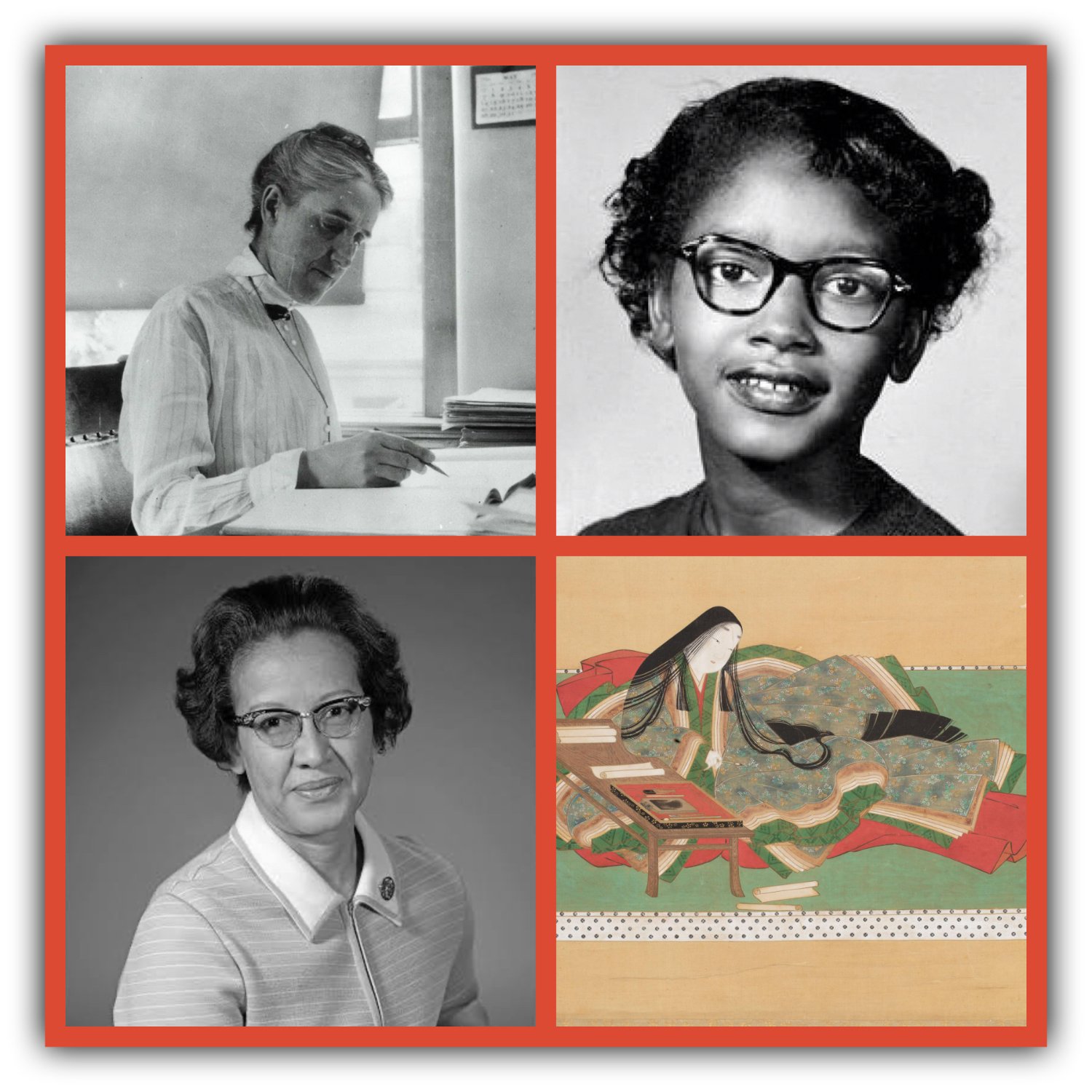
By Gina Hill | Alaska Headline Living | March 2026
Not comfort.
Not permission.
Not applause.
They did it anyway.
They were underestimated. They were erased. They were told no.
Some were mocked. Some were threatened. Some were written out of the record entirely.
And, still. They acted.
Here’s the important part, though. They weren’t fearless superheroes. Most of them were ordinary people in hard circumstances who decided that the obstacle in front of them wasn’t bigger than their conviction.
That’s a skill. And, it’s trainable.
History makes it look dramatic, but the real pattern is simpler.
• They focused on the work, not the noise.
• They accepted that approval might never come.
• They chose impact over comfort.
• They understood that resistance often means you are pushing on something real.
That “did it anyway” mindset is the difference between people who wait for ideal conditions and people who move history an inch forward.
We Forgot Where the Real Stories Are
History is often told from the center of power, not from the margins where most real breakthroughs happened.
The women below were not always celebrated in their own time. Some were ignored. Some were copied without credit. Some worked under systems that resisted their success.
But they did the work anyway.
Henrietta Leavitt (1868–1921)
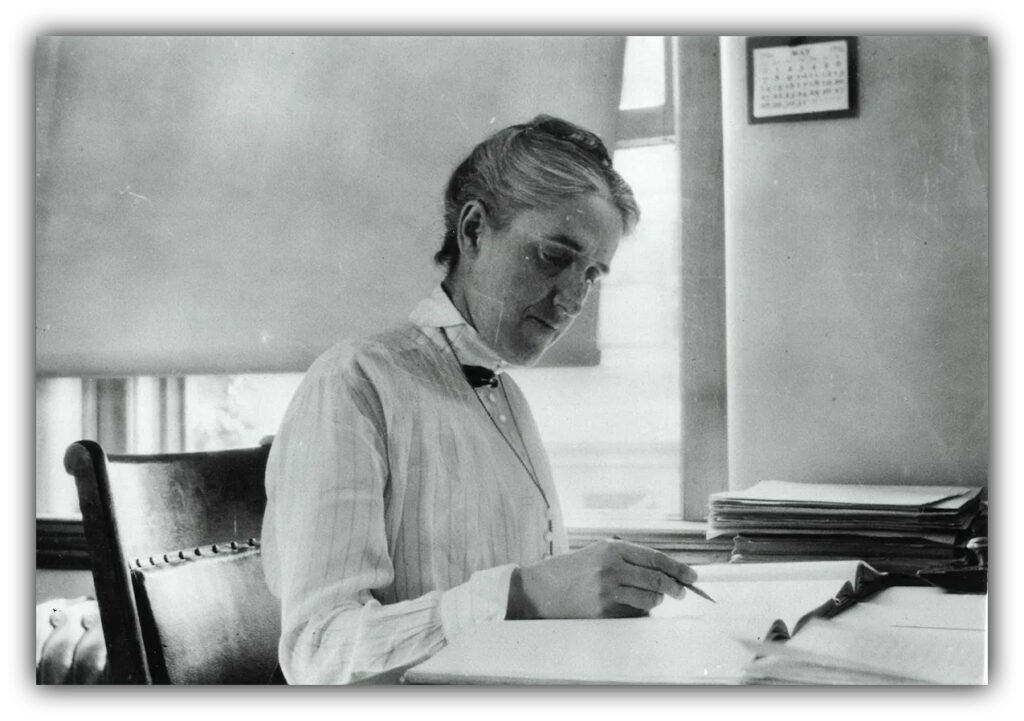
Henrietta Swan Leavitt discovered that certain stars brighten and dim in a predictable way. By studying this pattern in Cepheid variable stars, she gave scientists a way to measure how far away other galaxies are from Earth, helping make modern astronomy and our understanding of the size of the universe possible.
She worked at the Harvard Observatory but was classified as a low-paid “computer,” performing calculations rather than being recognized as a scientist. Public scientific recognition of her work came slowly.
Claudette Colvin (born 1939)
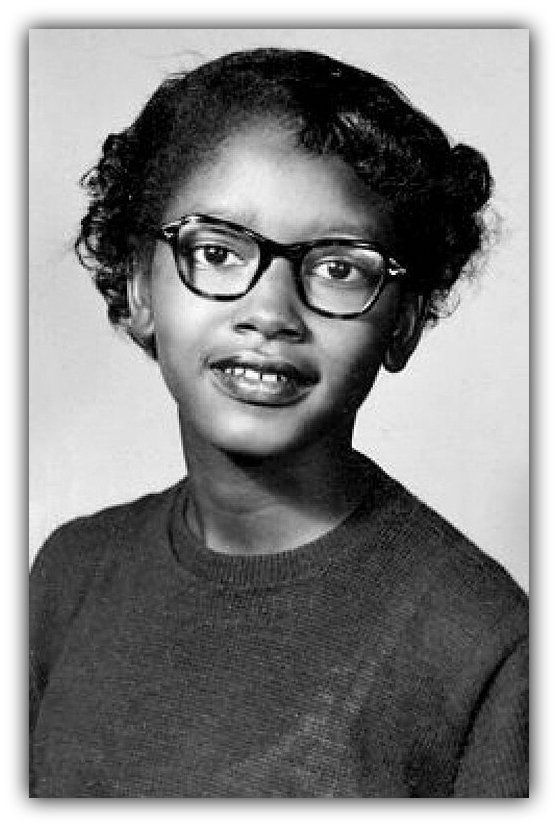
Before Rosa Parks, there was Claudette Colvin.
At 15 years old, Colvin refused to give up her seat on a segregated bus in Montgomery, Alabama, becoming one of the earliest legal challengers to bus segregation. Her action helped lay groundwork for later civil rights cases and demonstrations.
Civil rights leadership at the time limited publicity surrounding her case because of concerns that social and political resistance might weaken broader movement efforts.
Chien-Shiung Wu (1912–1997)
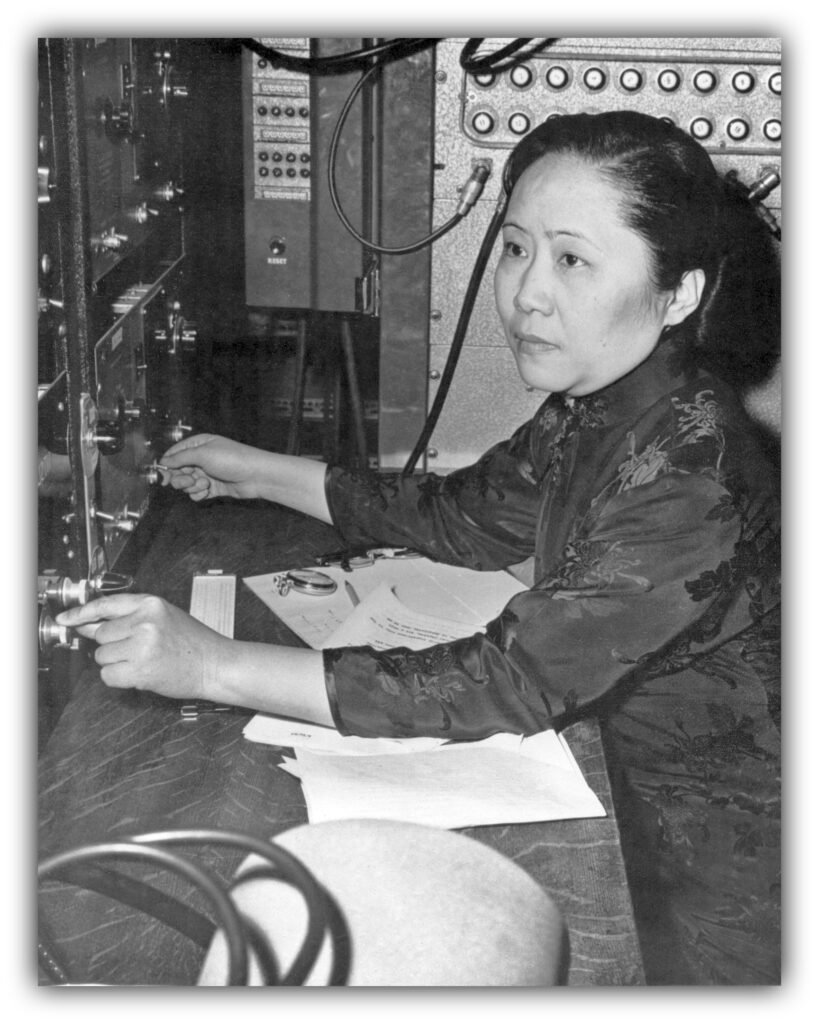
Chien-Shiung Wu participated in research related to the Manhattan Project during World War II. She later conducted the experiment that disproved parity conservation, fundamentally changing theoretical physics.
Despite the discovery’s importance, the Nobel Prize associated with the breakthrough was awarded to her male collaborators.
Bessie Coleman (1892–1926)
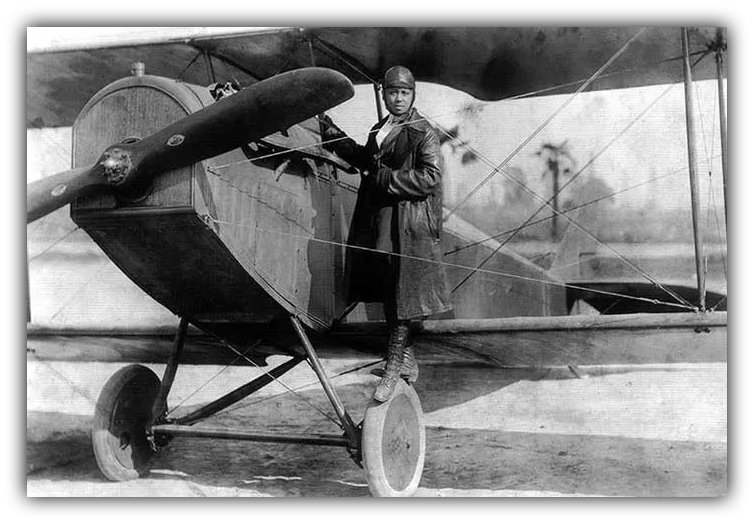
Bessie Coleman became the first Black and Native American woman to earn an international pilot’s license and later performed as a touring exhibition pilot.
She was rejected by American flight schools because of race and gender. She learned French and trained in France before returning to the United States to fly professionally.
Mary Anning (1799–1847)
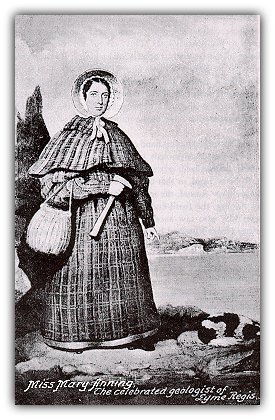
Mary Anning made foundational contributions to paleontology through her discovery of prehistoric marine fossils.
Scientific institutions of the time excluded her because she was working class and female. Male scientists frequently published research using her discoveries without giving her credit.
Sybil Ludington (1761–1839)
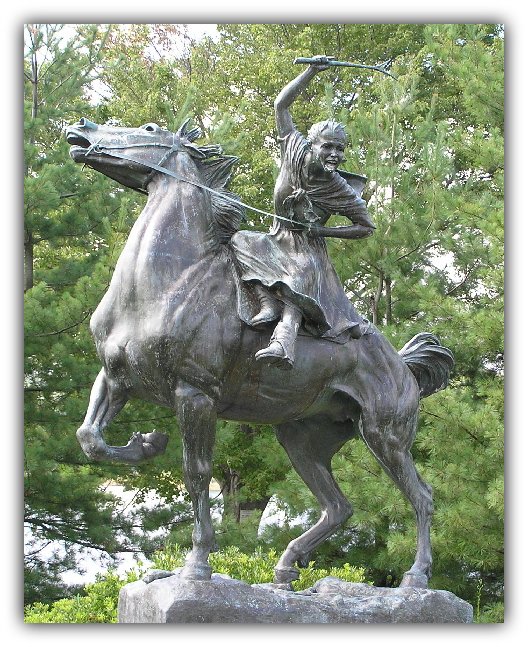
At age 16, she reportedly rode approximately 40 miles overnight to warn militia forces of British troop movements during the American Revolutionary period, a feat often compared to Paul Revere’s ride. Unlike Revere, she was not captured during her mission.
Her story was preserved locally but did not receive widespread national recognition during her lifetime.
Dr. Rebecca Lee Crumpler (1831–1895)
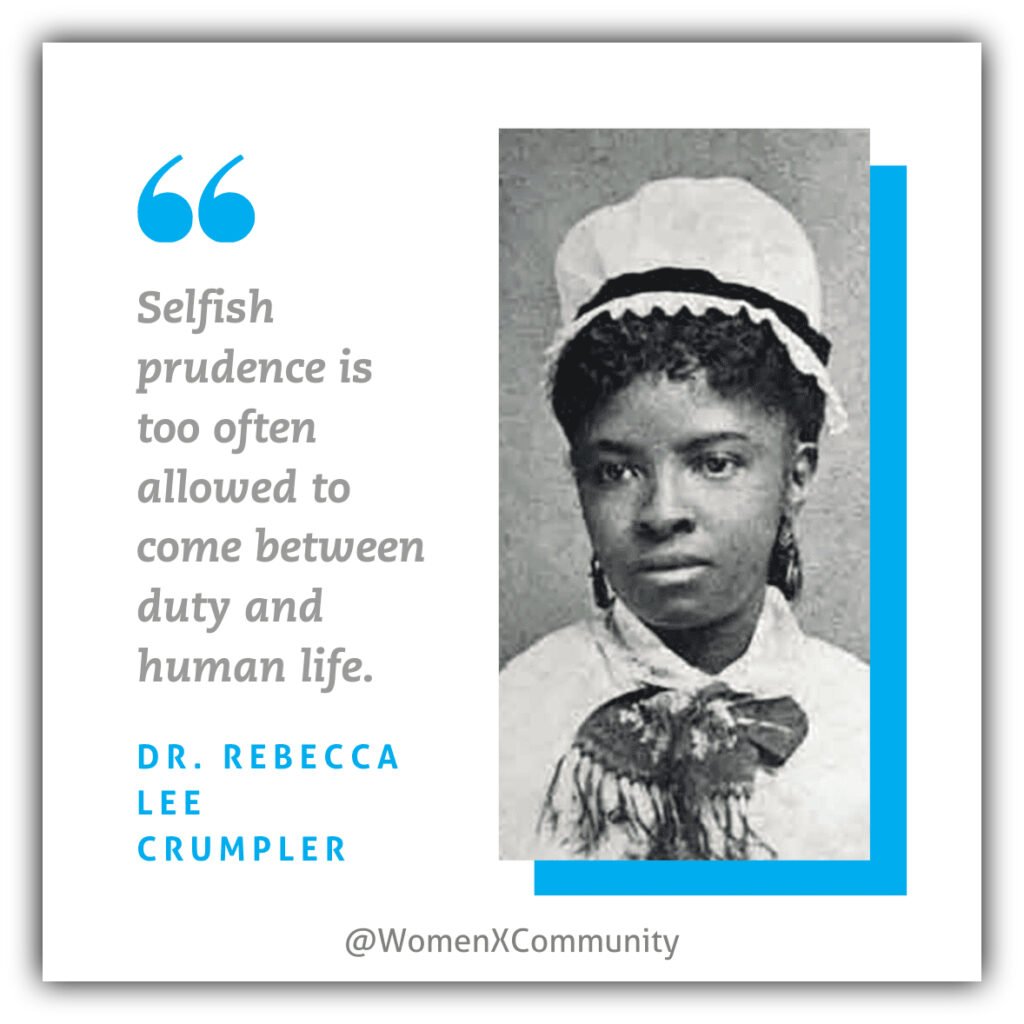
Rebecca Lee Crumpler became the first Black woman in the United States to earn a medical degree and was among the earliest Black physicians to publish medical writing in the nation.
She practiced medicine during Reconstruction-era discrimination and cared for communities with limited access to healthcare.
Lyudmila Pavlichenko (1916–1974)
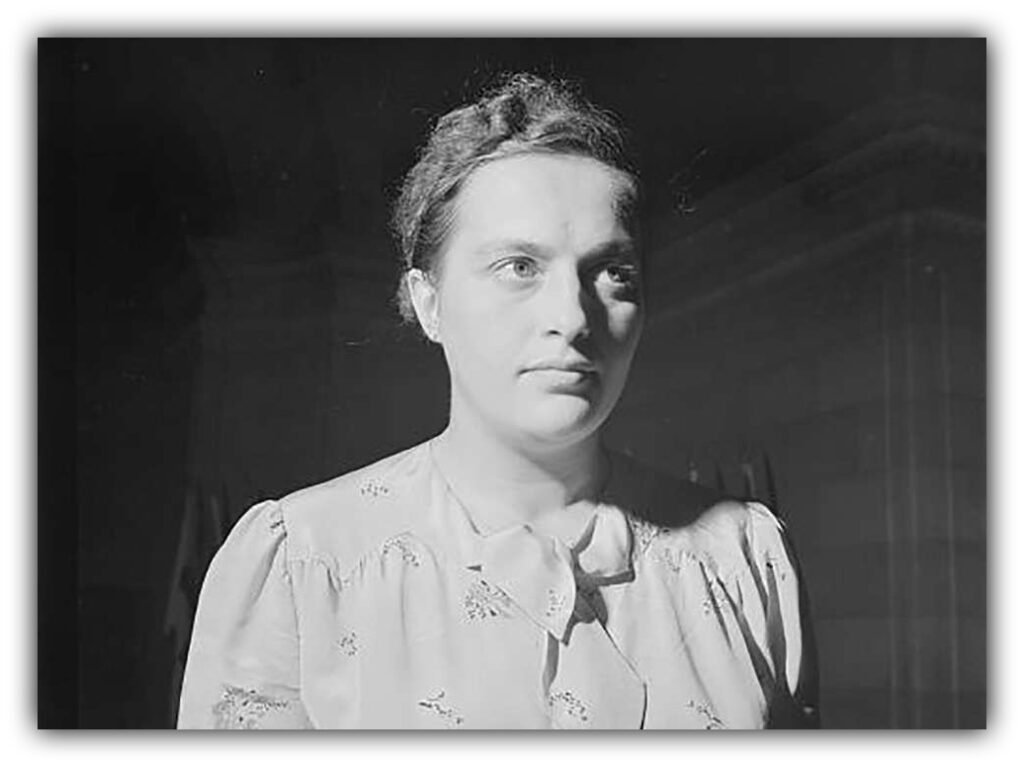
Lyudmila Pavlichenko is credited with 309 confirmed combat kills during World War II.
She was used in Soviet wartime propaganda but also served in frontline combat, a role rarely assigned to women at the time.
Alice Ball (1892–1916)
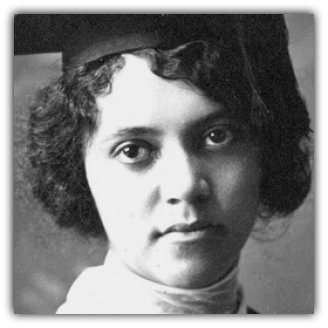
Dr. Alice A. Ball developed the first effective injectable treatment for leprosy at age 23, a medical breakthrough widely used until antibiotics were introduced in the 1940s.
She died at age 24 from complications related to tuberculosis before her research was fully published, and credit for her discovery was later misattributed to another scientist for decades.
Ida B. Wells (1862–1931)
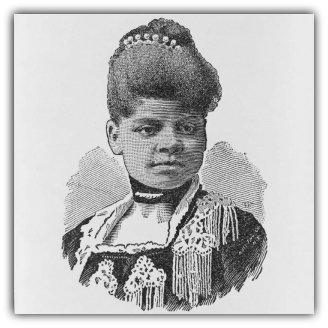
Ida B. Wells (1862–1931) pioneered data-driven investigative journalism by systematically documenting lynching and racial violence in the United States. Her research exposed the scale and brutality of these crimes and helped challenge false narratives used to justify them.
Her reporting was met with violent backlash, including threats, destruction of her newspaper office, and forced relocation, but she continued her work advocating for truth and justice.
Katherine Johnson (1918–2020)
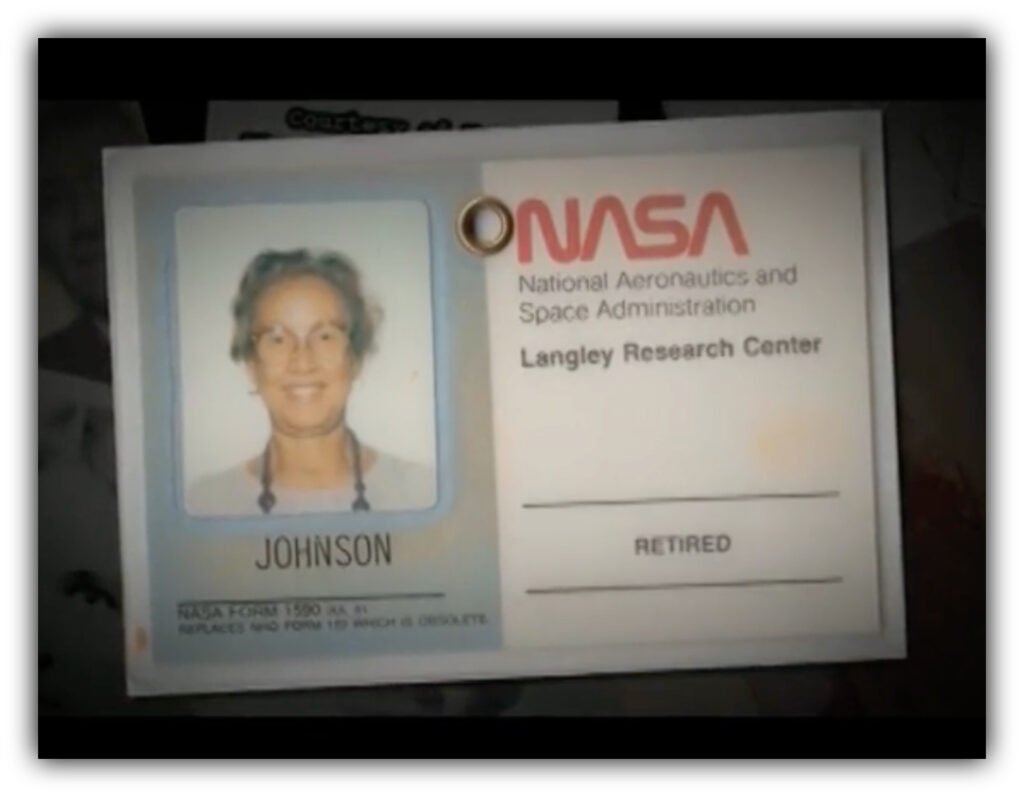
Katherine Johnson (1918–2020) performed trajectory and orbital calculations that were essential to early American spaceflight missions. Her mathematics helped verify flight paths and reentry data for missions in the space program, including the orbital flight of John Glenn, who reportedly trusted her manual calculations before his historic mission.
She worked at NASA during segregation-era workplace restrictions that limited access to professional spaces and resources for Black women scientists. Despite these barriers, her contributions were largely unrecognized publicly until later in her life, when she received national honors for her work in advancing human space exploration.
Murasaki Shikibu (c. 973 – c. 1014)
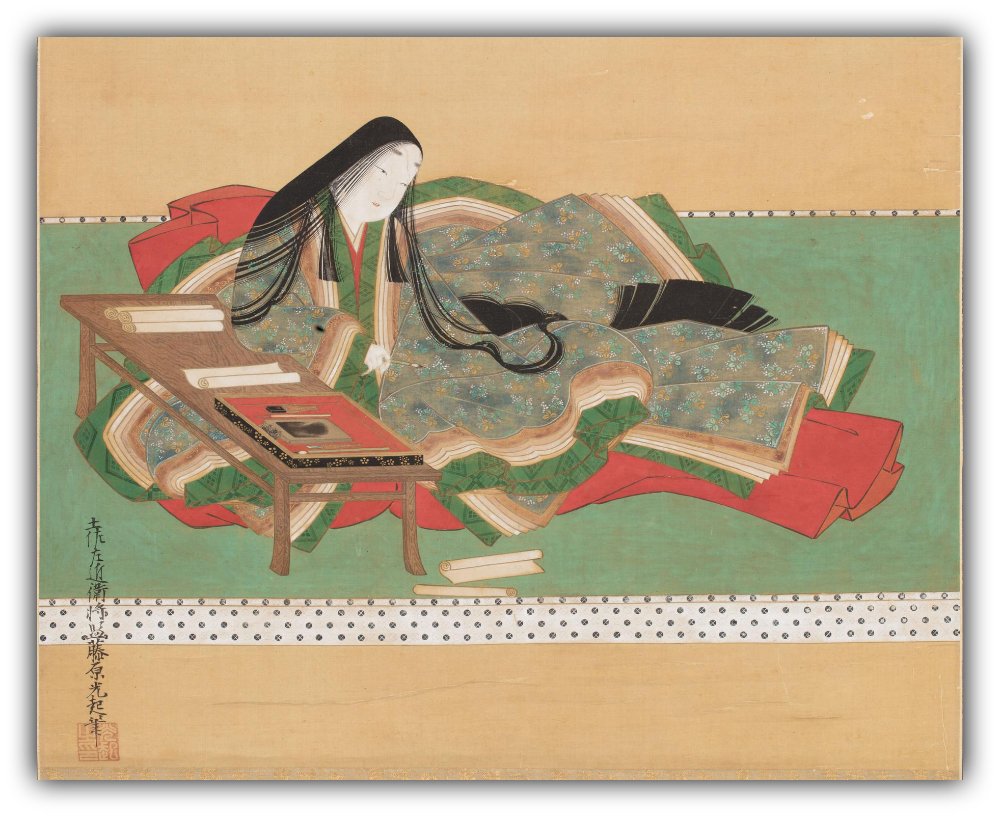
Murasaki Shikibu (c. 973–c. 1014) wrote The Tale of Genji, often considered the world’s first novel and one of the earliest examples of sustained psychological and character-driven storytelling in world literature. Her writing helped shape narrative fiction by developing complex characters, court life detail, and emotional interiority that would influence later literary traditions.
In addition to The Tale of Genji, she is also associated with other court writings and diary-style literature that captured life within the Heian imperial court. Female court writers of her era were often viewed as secondary to male scholars, even though their works helped establish literary forms that would later become central to global storytelling traditions.
Closing Reflection
Here’s the honest truth.
History often sidelines women not because their work was small, but because it disrupted existing power structures.
If you are looking for inspiration, don’t just read about famous names. Study the ones who had to fight for visibility.
Because the pattern is still the same.
Not comfort.
Not permission.
Not applause.
They did it anyway.
And changed everything.
Without permission.
What’s the “anyway” move in your life right now?