
By Gina Hill | Alaska Headline Living | December 2025
The Kennedy Center for the Performing Arts, long promoted as a nonpartisan national cultural institution and a living memorial to President John F. Kennedy, is facing an unprecedented wave of cancellations, resignations, and public disputes that are reshaping its identity.
~ President John F. Kennedy | Video courtesy of the Kennedy Center.
Since major leadership changes and the decision to formally add President Donald Trump’s name to the institution, performers, artistic advisers, and legacy partner organizations have withdrawn or severed ties, while the Kennedy Center itself has adopted a more openly political public posture in response.
What began as isolated protests has evolved into a broader and more visible fracture between the Center and parts of the arts community.
Performers Canceling Appearances
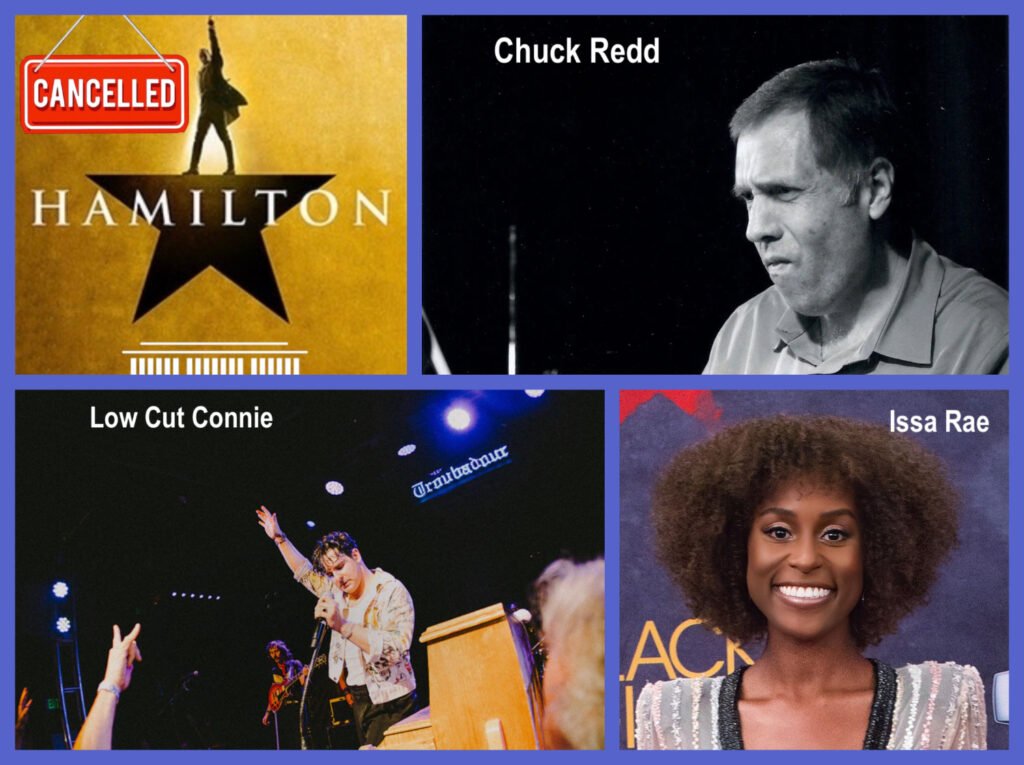
Several high profile artists have confirmed cancellations of scheduled Kennedy Center performances.
- Issa Rae canceled her sold out appearance earlier this year following the leadership overhaul.
- Producers of Hamilton, led by Lin-Manuel Miranda, withdrew the musical’s planned Kennedy Center run.
- Jazz musician Chuck Redd canceled the annual Christmas Eve Jazz Jam, a tradition that had run for nearly two decades.
- Rock band Low Cut Connie also canceled a scheduled performance, citing concerns about the institution’s direction.
Additional performers, including Rhiannon Giddens, have been reported to have moved or withdrawn events, though some individual cases have been confirmed primarily through artist statements or regional reporting rather than national wire services.
Organizations and Partnerships Stepping Away
The pullout extends beyond individual performers.
The American College Theatre Festival announced it would end its decades long partnership with the Kennedy Center, marking one of the most significant institutional departures to date.
Industry reporting indicates that some choral groups, ensembles, and arts organizations have quietly removed Kennedy Center dates from future plans.
Leadership and Advisory Resignations
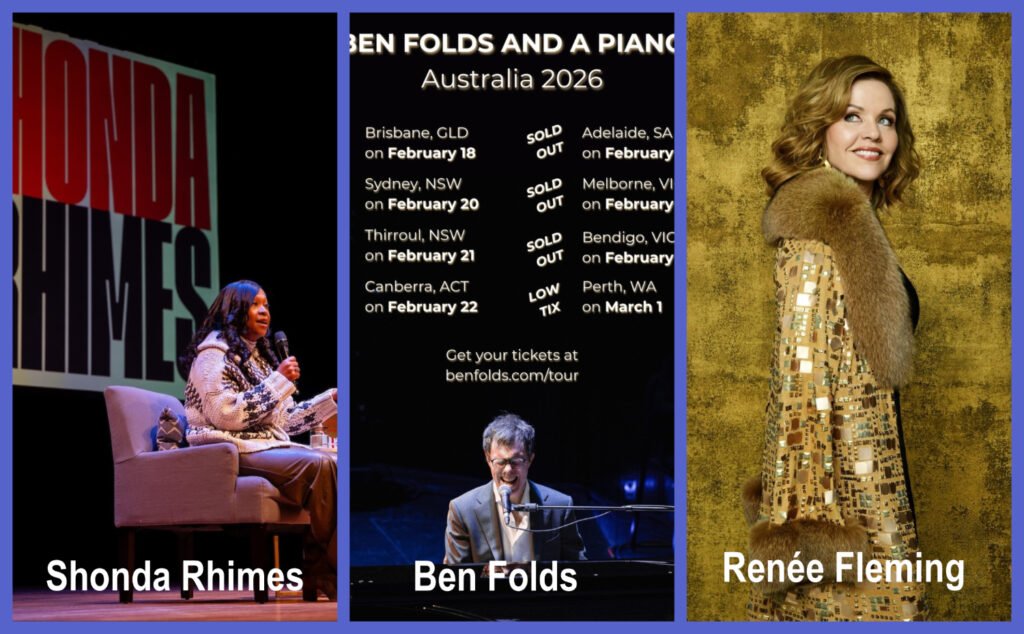
Several prominent figures have resigned from leadership or advisory roles connected to the Kennedy Center.
- Television producer Shonda Rhimes stepped down from her position as Kennedy Center treasurer.
- Musician Ben Folds resigned as artistic adviser to the National Symphony Orchestra.
- Renowned soprano Renée Fleming also exited her advisory role.
While these departures did not involve specific performance cancellations, they signaled broader discomfort among senior arts figures with the Center’s governance changes.
The Kennedy Center Responds
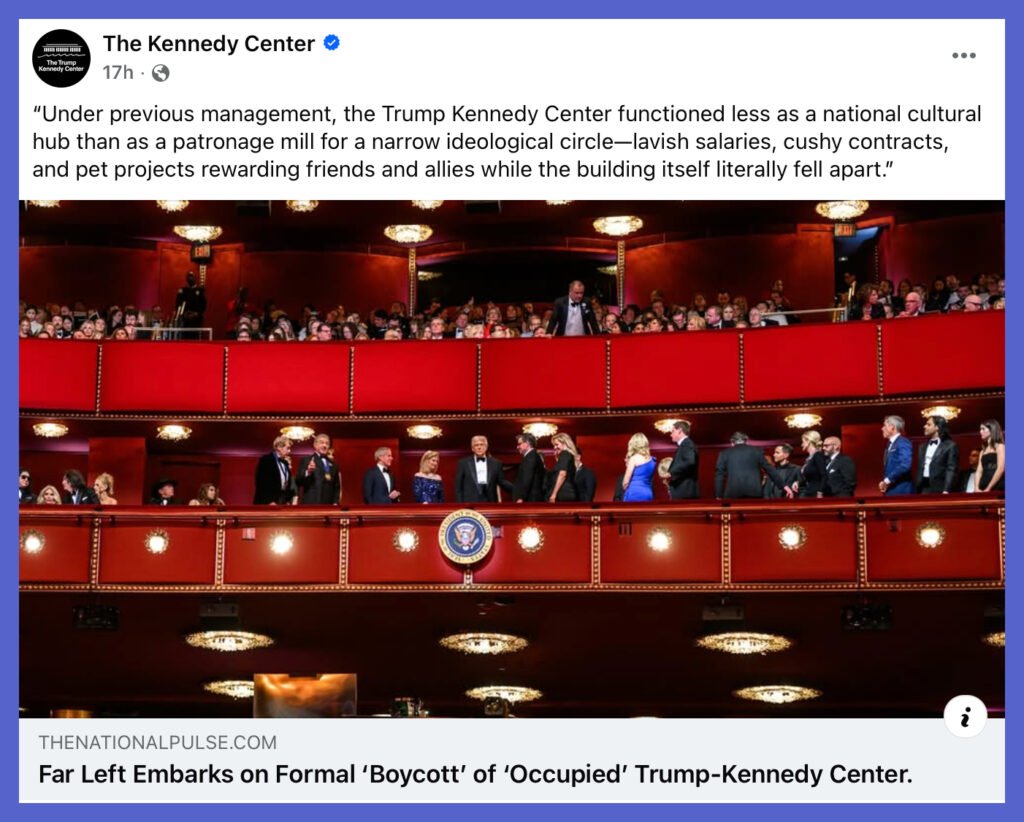
As cancellations and resignations mounted, the Kennedy Center adopted a more direct public posture.
On its official Facebook page, the institution reposted and amplified an opinion article from The National Pulse, a politically conservative outlet, framing artist withdrawals as part of an ideological boycott and criticizing prior Kennedy Center leadership. The repost included language alleging mismanagement and ideological favoritism under former leadership.
The Kennedy Center did not release independent audits or investigative findings to substantiate those claims. Historically, the Kennedy Center has avoided amplifying partisan commentary through its official communication channels, making this a notable shift in public posture.
Separating Verified Facts From Rhetoric:
Public records and artist statements confirm that multiple performers have canceled appearances at the Kennedy Center, several senior advisers have resigned from leadership or advisory roles, and at least one long-standing institutional partner has ended its relationship with the Center. The Kennedy Center’s board and executive leadership were also significantly restructured following President Donald Trump’s return to office.
Other claims circulating in opinion articles and on social media, including allegations that the Kennedy Center previously operated as a patronage system or that artist cancellations are part of a coordinated ideological boycott, have not been substantiated through independent audits or formal investigations released to the public.
Statements by current leadership regarding executive compensation and building maintenance reflect the administration’s interpretation of past operations. No third-party review has been publicly released confirming those claims in the terms presented.
Q&A
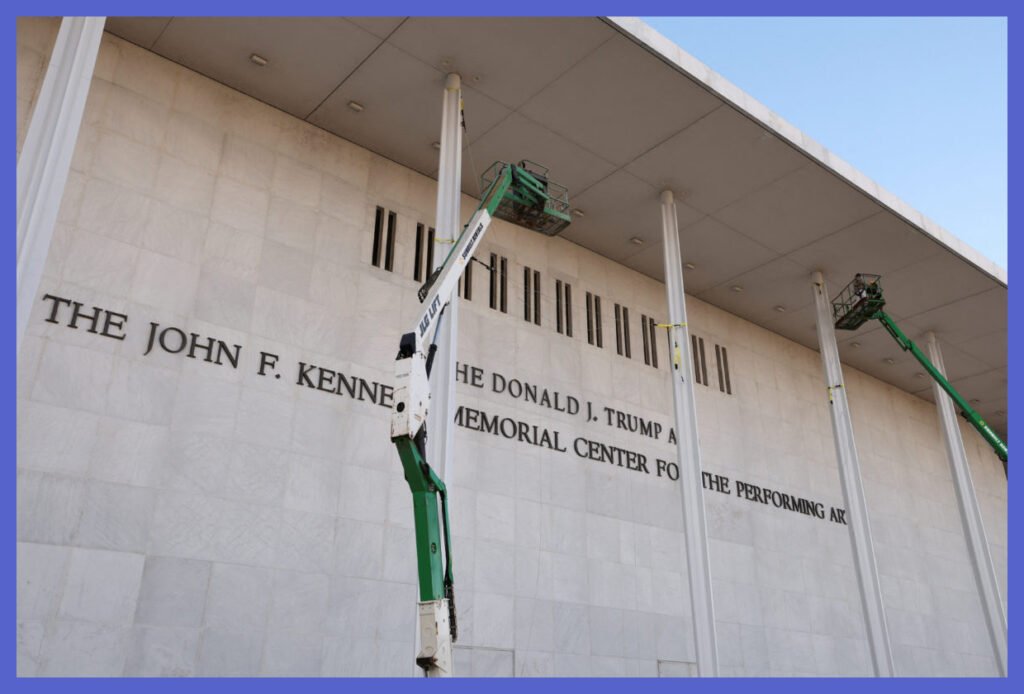
Q: Why are people and organizations leaving the Kennedy Center?
A: Confirmed withdrawals have followed leadership changes and the decision to formally add President Donald Trump’s name to the institution. Many cite concerns about governance, independence, or institutional direction.
Q: Are cancellations coordinated?
A: No verified evidence suggests a centrally organized boycott. Most decisions appear to be independent.
Q: Are allegations of past mismanagement confirmed?
A: Public statements about compensation and building conditions exist, but no independent audits have been released to verify these claims fully.
Q: What does this mean for the Kennedy Center?
A: The wave of cancellations and resignations has sparked public debate over governance, neutrality, and the Center’s role as a national cultural institution. Long-term impacts on programming and partnerships remain uncertain.
Q: Where can readers find more information?
A: Readers can refer to official Kennedy Center communications, including press releases and announcements posted on the Center’s website and through its social media channels, as well as verified public statements from performers, advisers, and partner organizations.
A Defining Moment for a National institution
The scale of the departures distinguishes the current moment from previous controversies. Individual performers, major Broadway productions, senior advisers, and legacy partner organizations have all withdrawn in different ways.
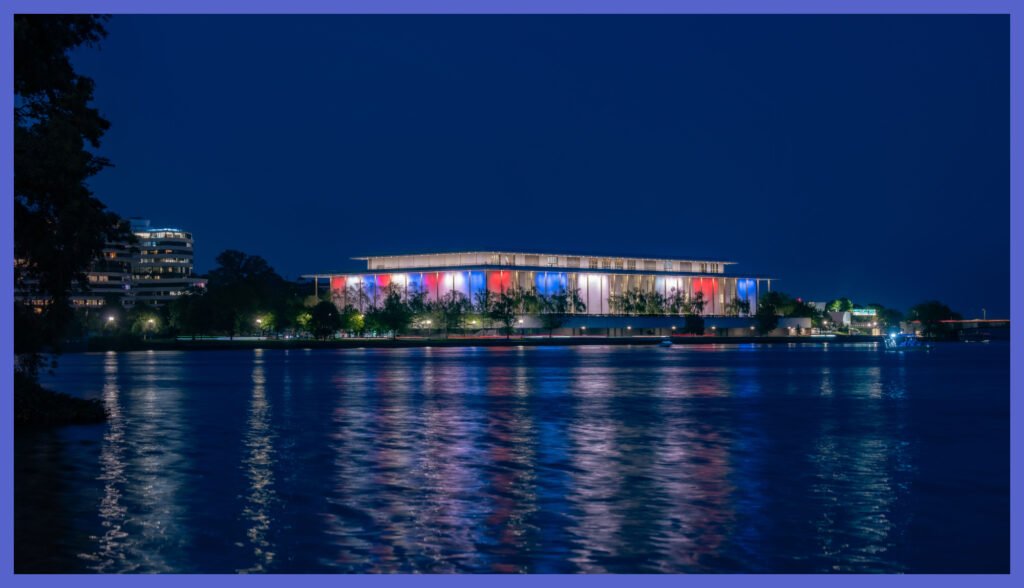
At the same time, the Kennedy Center has taken a more overt role in the public dispute, using its own platforms to respond to critics and frame the controversy in political terms. As a result, the issue has shifted beyond individual programming decisions and into a broader debate over governance, institutional neutrality, and the role of politics in publicly supported cultural organizations.
Whether the current wave of withdrawals represents a temporary rupture or a longer-term transformation remains uncertain. What is evident is that the Kennedy Center is now at the center of a national conversation about culture, leadership, and public trust.