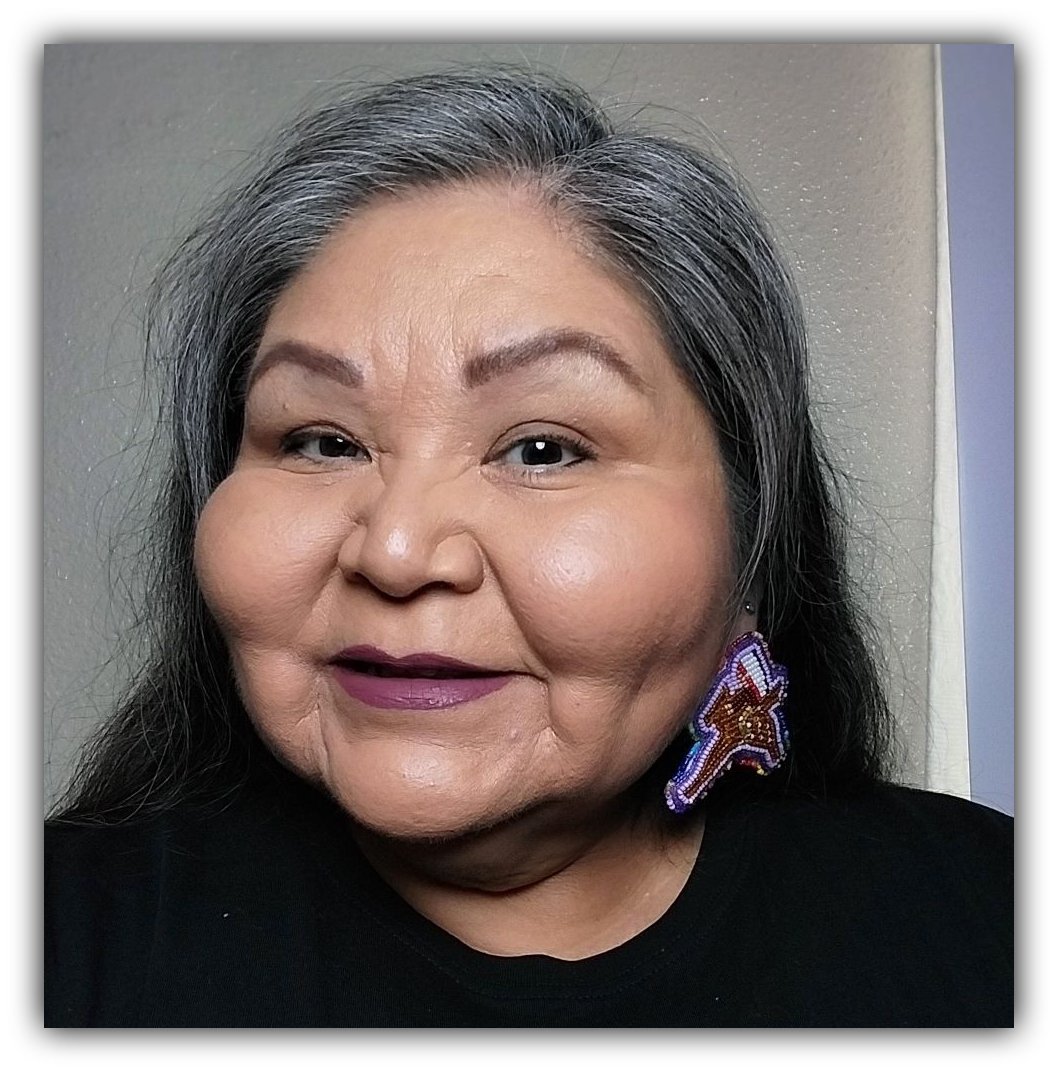
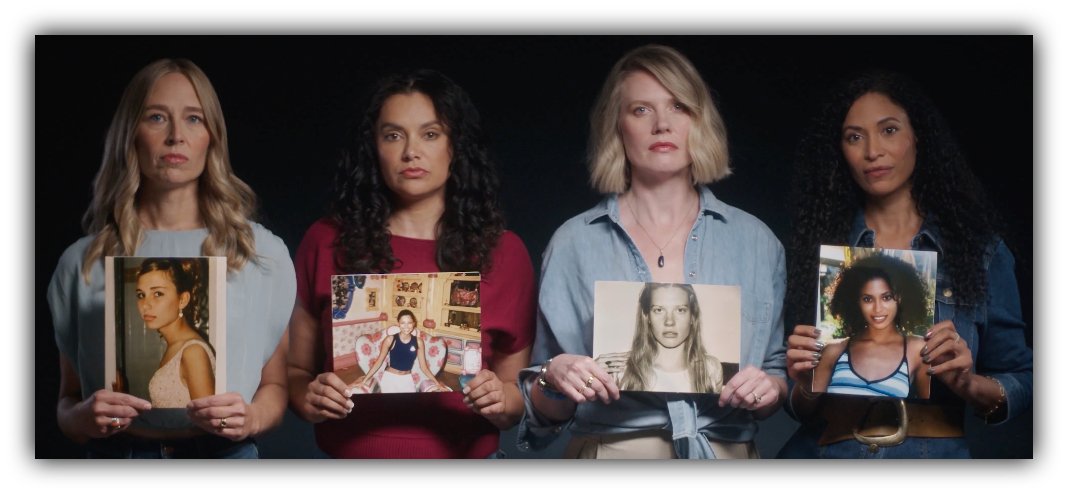
Survivors featured in a recent public-service announcement stand together in a powerful show of unity, sharing their stories ahead of today’s House vote as they call attention to the lasting impact of Epstein’s abuse.
By Gina Hill | Alaska Headline Living | November 2025
Washington, D.C. – A powerful moment unfolded on the steps of the United States House of Representatives this morning as a group of brave survivors of Jeffrey Epstein’s abuse, flanked by bipartisan lawmakers, pressed the nation to finally shed full light on decades of secrecy. The event came just hours before the House is set to vote on a bill that would require the United States Department of Justice (DOJ) to release all remaining unclassified records related to Epstein’s sex-trafficking network. CBS News+2Newsweek+2
Voices of survivors demanding justice

At the podium this morning were survivors who have spent years carrying the hidden toll of manipulation, abuse and shame. One survivor, Marina Lacerda (formerly known as “Minor Victim-1”), now 37, described how she was recruited at the age of 14 and exploited for years. She insisted that full disclosure of the Epstein files is essential for her healing.
Lacerda said:
“We care about having transparency… and also bringing all the men to justice.”
That sense of demand was echoed by lawmakers: Thomas Massie (R-KY) warned the Senate not to “muck this up”, saying that if anything blocks the disclosure it would mean “you are not for the people.” Meanwhile Ro Khanna (D-CA) framed the effort as “the first day of real reckoning for the Epstein class,” urging that powerful men and enablers be held accountable.
What’s at stake with today’s vote
The measure before the House would mandate that the DOJ release all unclassified records related to Epstein’s prosecutions, ncluding communications, investigative materials, travel-logs, and names of individuals or entities referenced in the case within 30 days of passage.
Already, thousands of pages have been released by the House Oversight Committee, including emails where Epstein boasted that Donald Trump “knew about the girls.” Trump has since reversed his prior opposition and publicly urged House Republicans to vote in favor, saying “we have nothing to hide.”
Why this matters
For too long, survivors say, silence, secrecy and power have protected the wealthy and the connected. The risk today is that the cycle continues: documents remain locked, names unseen, accountability deferred. But this morning, survivors made clear they will not wait. They have demanded not just disclosure but transformation of how America protects its children and holds the powerful to account.
The symbolism here is huge:
It’s about visibility, making the hidden visible.
It’s about voice, survivors being heard and honored.
And, it’s about vigilance, ensuring that systems meant to protect the vulnerable do not become tools of exploitation instead.
How Americans can help survivors and protect children
Here are concrete actions you can take:
- Write to your congressional representatives. Let them know you support full transparency in the Epstein files. Ask them: will they insist the Senate expedite the process? Will they stand with survivors?
- Support survivors’ organizations. Groups working with trafficking and abuse survivors need volunteers, donations, public-awareness help. Making sure survivors have resources, not just rhetoric, is essential.
- Educate yourself and those around you. Understand how grooming and exploitation work: abuse rarely looks like a monster in a dark room. It often looks like a wealthy adult cultivating dependence, promising safety or opportunity, normalizing inappropriate behavior. Awareness helps prevention.
- Demand stronger protections. Push for laws and policies that enhance transparency, protect children, and require accountability of powerful enablers—not just the direct abuser.
- Speak up in your community. Whether in schools, athletic teams, religious institutions, nonprofits—any place with power dynamics and vulnerable individuals—create culture where questions are asked, concerns are heard, and the “too powerful to touch” narrative is rejected.
- Support whistleblower protections. People who see something often fear retaliation. Robust protections encourage others to step forward.
- Normalize survivor-led leadership. Encourage survivors to lead policy discussions, trainings, and hearingsn, ot just as passive witnesses, but as architects of change.
The message today
To the survivors: you are seen. You are heard. And your courage matters. What you’ve endured doesn’t define you, but what you do next helps define a future where predators have fewer places to hide.
To power and privilege: we are watching. The Nation has called for the opening of these files. When institutions protect the rich over the vulnerable, they crumble. The vote today is more than a procedural checkbox, it’s a test of whether accountability applies to everyone.
To every parent, guardian, community member: children are not “somebody else’s problem.” When we allow money, fame or influence to shield misconduct, we betray the most vulnerable among us. Let this moment be a turning point. Not just for disclosure, but for protection. Not just for justice, but for prevention.