
Sunset over New York, but not over the debate: Social workers, not police, to respond to some 911 calls. The city watches and waits./Photo Credit: Dllu
By Gina Hill | Alaska Headline Living | November 2025
New York City’s freshly elected Mayor Zohran Mamdani is hitting the ground running with a bold promise: a reimagined approach to public safety that sends social workers and mental-health professionals, instead of police, to certain 911 calls. But as the city buzzes with excitement over this ambitious plan, critics are already waving red flags, claiming the pilot program it would expand is “already failing.”
A Bold Vision for Public Safety
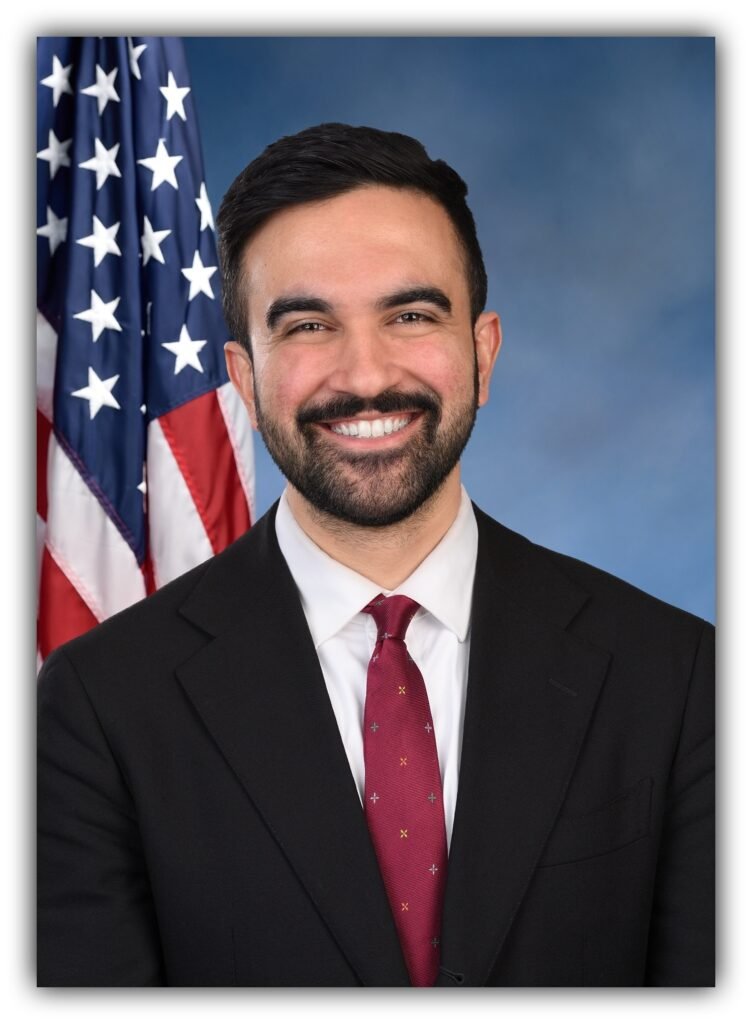
Mamdani, who was elected earlier this month, has proposed creating a new Department of Community Safety (DCS)with a hefty $1.1 billion budget. The idea is simple in theory but revolutionary in practice: instead of sending armed officers to every non-violent, social, or mental-health-related 911 call, specialized teams of trained social workers would respond.
“Many 911 calls aren’t about crime, they’re about crisis,” Mamdani said in a recent interview. “Why send police officers into situations where someone really needs mental-health support, housing assistance, or social services? Our communities deserve the right responder for the right call.”
Advocates for the plan argue that this approach could reduce escalation, free police resources for violent crimes, and ensure individuals in crisis are connected to community-based care rather than just being funneled into the criminal justice system. Similar programs in smaller cities have shown promise, proponents say, with some success in addressing mental-health emergencies without unnecessary hospital transports or arrests.
But Critics Say the Pilot Program Struggles
Here’s the catch: Mamdani’s proposal isn’t starting from scratch. It builds on the existing Behavioral Health Emergency Assistance Response Division (B‑HEARD), a pilot program that has been running for a few years. And the numbers aren’t encouraging.
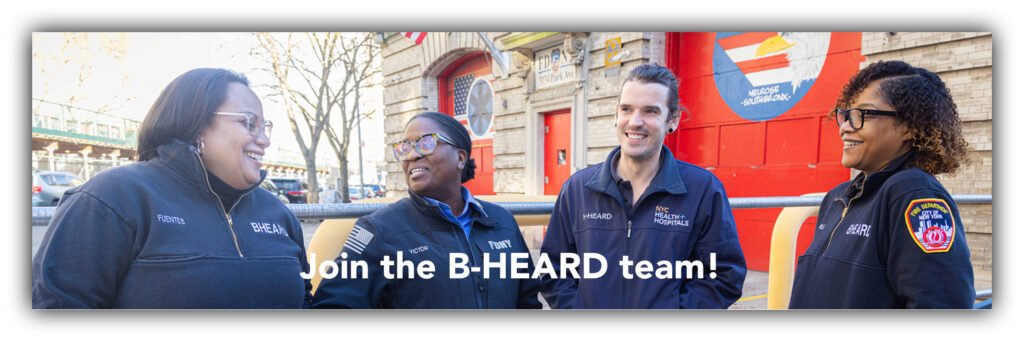
A recent audit by the NYC Comptroller’s Office revealed that more than a third of eligible B‑HEARD calls didn’t receive a team response. Many others were deemed ineligible due to the nature of the call, leaving critics to question whether scaling the program citywide would be feasible. Safety concerns also abound: can social workers safely respond to volatile situations without law enforcement backup? Dispatchers have to make split-second decisions, and mistakes could have serious consequences.
“This is about more than just theory. It’s about execution,” says former NYPD lieutenant Kevin O’Malley. “If you can’t respond reliably to calls now, expanding the program could put both responders and residents at risk.”
The Timing Confusion
Some headlines have called the plan “already failing,” raising eyebrows given that Mamdani only took office in November. Here’s the clarification: the “failure” refers to the existing pilot program, not the new Department of Community Safety itself. Critics are warning that if the underlying model struggles, simply scaling it up under Mamdani’s leadership could magnify problems.
Supporters, however, remain optimistic, emphasizing that systemic change rarely happens overnight. They argue that proper funding, training, and community buy-in could turn the B‑HEARD model into a citywide success story.
What’s Next
Mamdani faces the tricky task of turning vision into reality. Residents and city officials alike will be watching closely: can New York implement a social-worker-first 911 response safely and effectively? Or is this a case of good intentions clashing with logistical challenges?
One thing is certain: public safety in New York is entering a new era, and the conversation about who should answer the call is only just beginning.
Domestic Violence Support
If you or someone you know is experiencing domestic violence, help is available:
- NYC Domestic Violence Hotline: 1‑800‑621‑4673 | nyc.gov/domesticviolence
- National Domestic Violence Hotline: 1‑800‑799‑7233 | Languages: English, Spanish, and 200+ via interpretation | Available 24/7 | thehotline.org
Support is confidential and available at all hours. Reaching out can be the first step toward safety and help.