
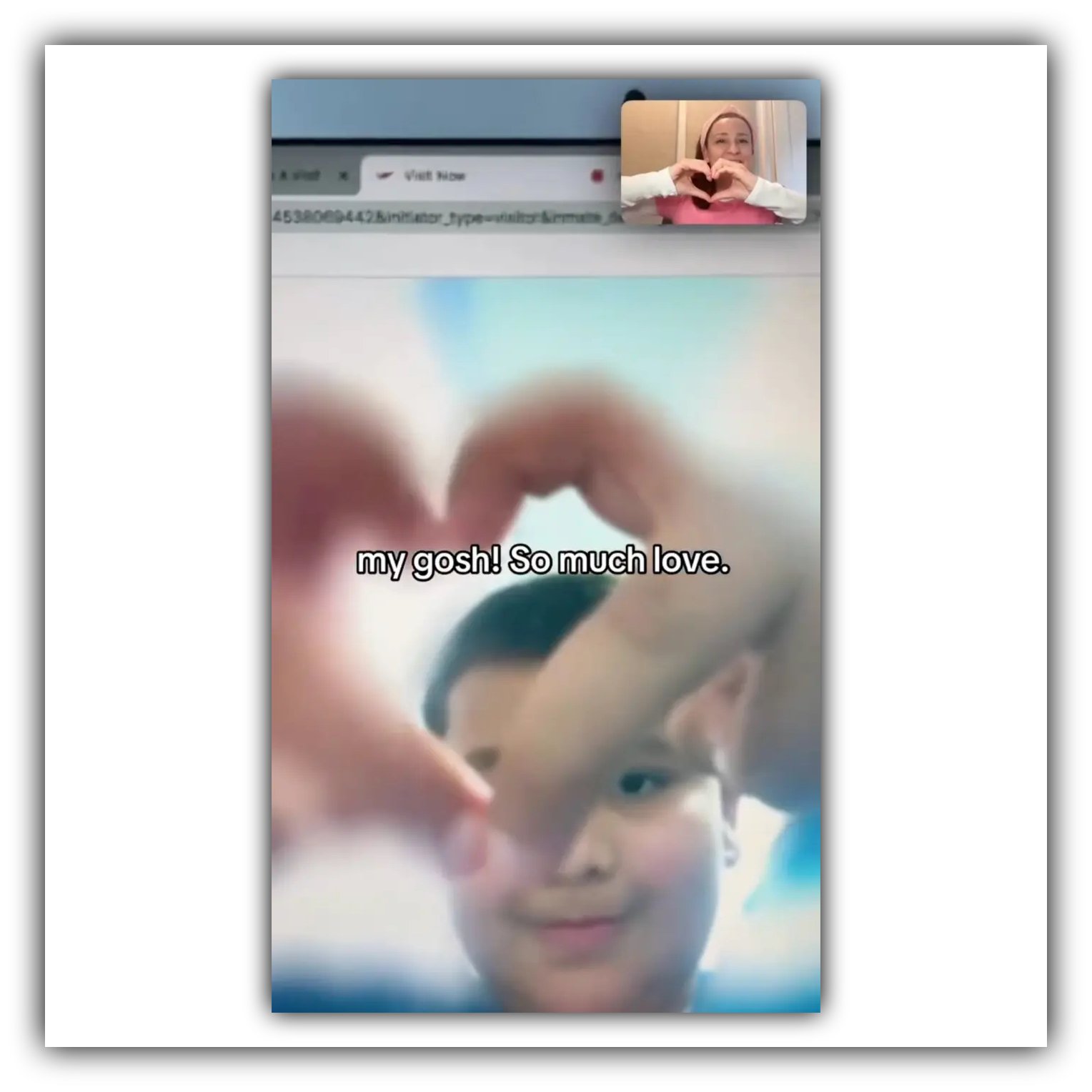
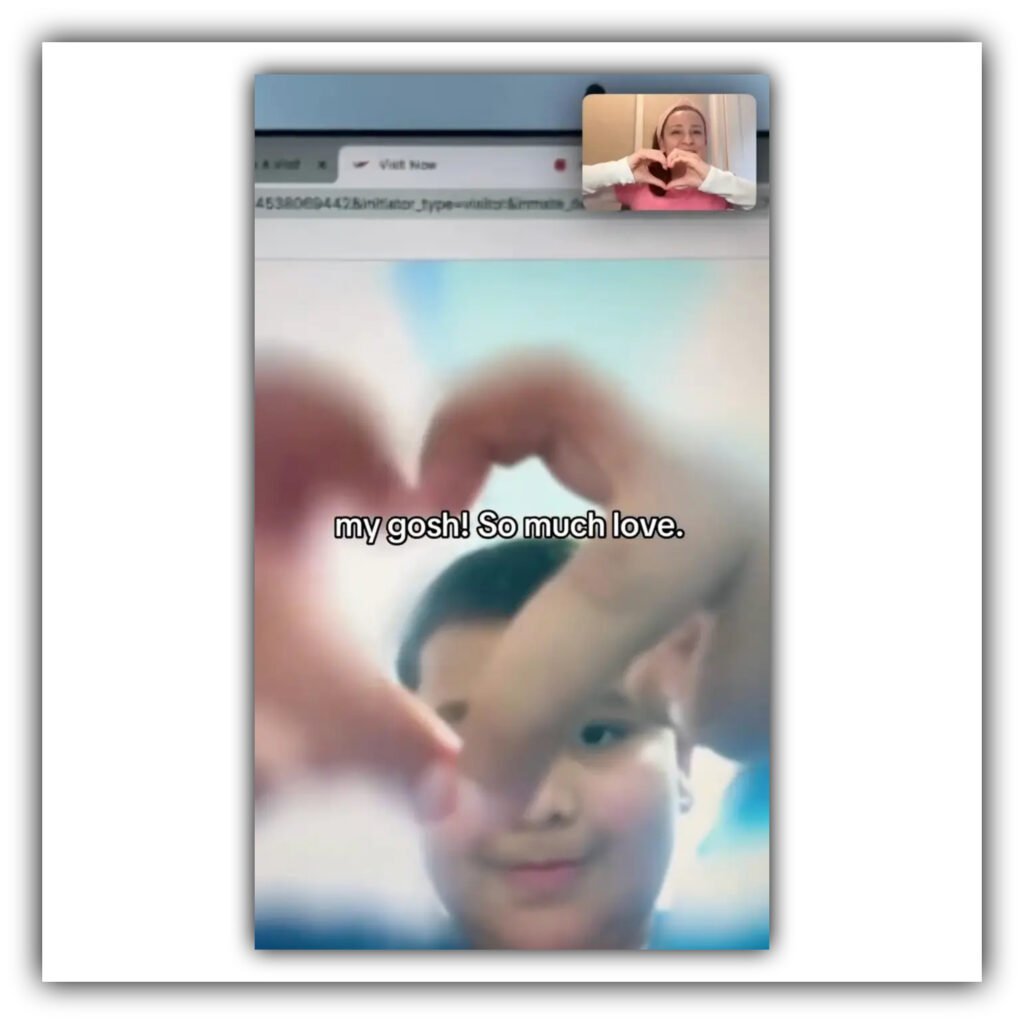
A moment of connection across miles: 9-year-old Deiver Henao shares a heart with his hands to Ms. Rachel over FaceTime, a small gesture that carries big joy. Even in detention, his excitement, laughter, and love for learning shine through, reminding us that children’s hopes and hearts belong far beyond the walls of a facility.
Ms. Rachel’s Heartfelt Mission to Free a Boy From ICE Detention
By Gina Hill | Alaska Headline Living | March 26, 2026
When Rachel Griffin Accurso, the beloved children’s educator and entertainer known to millions as Ms. Rachel, shared a glimpse of a FaceTime call with a young boy inside an ICE detention center on her Instagram, the post was simple, raw, and heartbreaking.
“I can’t express how it felt to talk to a 9‑year‑old who is in an immigration detention center. It was devastating,” she wrote in her caption, pleading, “Please let Deiver Henao out now so he can go to his spelling bee. Let his family back into their community. This is cruelty.”
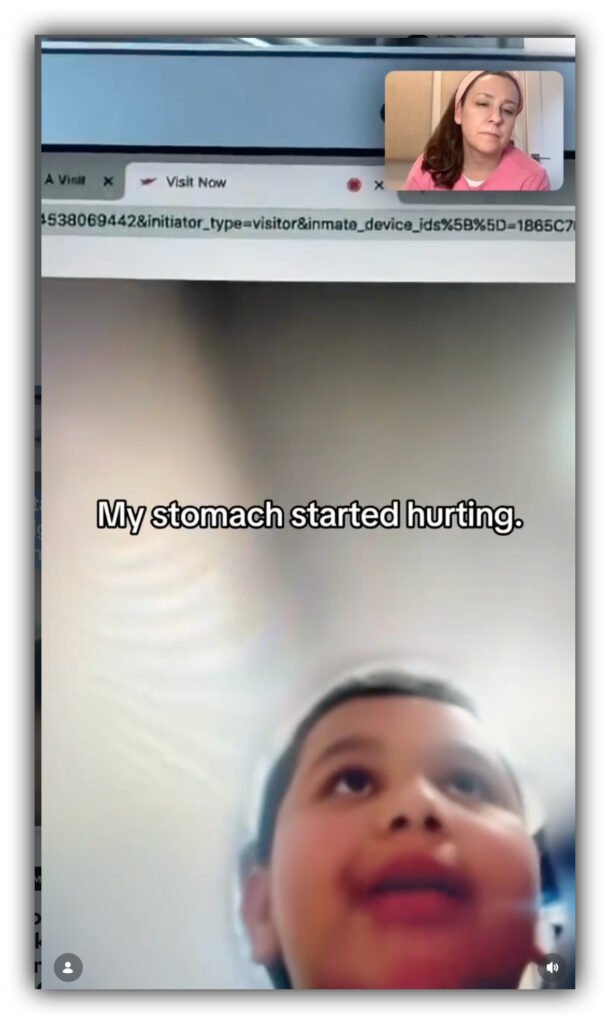
In the brief video clip she shared from her @msrachelforlittles account, Ms. Rachel’s voice cracks as she describes the surreal experience of speaking with a young child not about colors or letters, but about being confined far from his school and friends. “It was devastating,” she reiterated, conveying the raw emotion that stayed with her long after the call ended.
That simple plea to let a boy attend the spelling bee he qualified for has become the emotional core of a broader, deeply personal advocacy effort. It is not a political slogan or a policy paper; it is a plea from someone whose life’s work has been helping children feel secure, curious, and joyful, telling them they belong in the world, not behind walls.
A Child’s Voice, A Grown-Up’s Shock
Deiver’s case has touched many online because of how ordinary and relatable it sounds: a child excited for school events, a competition he studied for and earned the right to attend, cut short by an immigration detention system that treats families and their children as part of enforcement statistics instead of as human beings with routines, hopes, and futures.
Ms. Rachel’s Instagram also included calls to action, urging her followers to call the Dilley Detention Center and urging compassion for children held far from their communities while their asylum cases are processed.
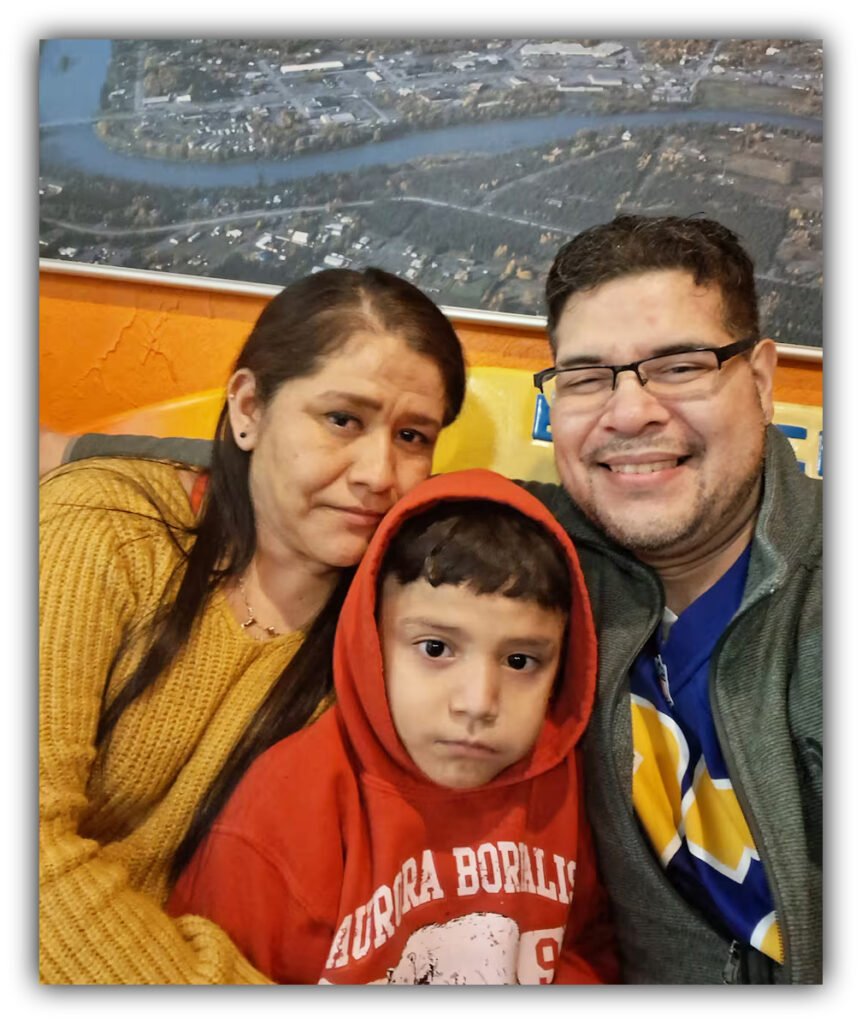
Ms. Rachel’s call to Deiver highlights a broader reality for children in immigration detention, including families right here in Alaska, like the Sanchez‑Ramos family from Soldotna, whose experience has drawn local attention and raised questions about the impact on children and communities.
From Songs to Social Advocacy
For years, Ms. Rachel has built her brand around joy, patience, and early learning. But this experience shifted her perspective not toward politics for politics’ sake, but toward the deeply human impact of immigration enforcement on the youngest and most vulnerable.
“I am political,” she said in a recent interview with the New York Post, pushing back on the idea that speaking up for detained children is anything but humane. “It’s political to believe that children are worthy of love and care, and that every child is equal,” she said, adding that compassion should not stop at a border.
That declaration, simple, direct, and rooted in empathy, is part of her effort to work with immigration lawyers and advocates to close Dilley and make sure that kids and their parents are back in their communities where they belong.
Faces Behind the Policy
Public scrutiny of the Dilley facility has intensified in recent weeks. Legal advocates and children’s rights groups have raised alarms about conditions there, saying children often remain detained far beyond limits set by longstanding legal standards and sometimes experience inadequate food, medical care, and schooling. (apnews.com)
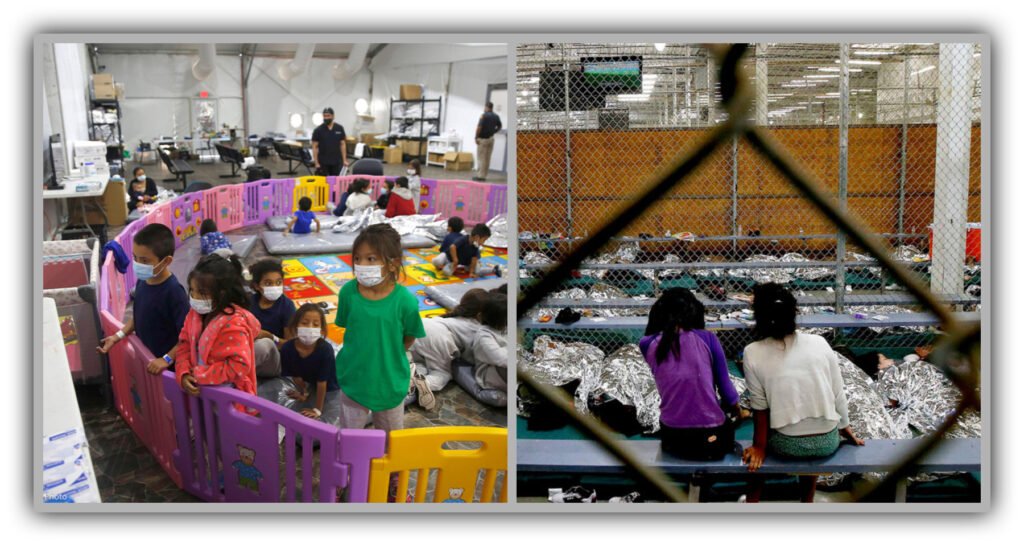
It is not just spelling bees that are at stake. Other children Ms. Rachel spoke with described despair and hardship, and one 5-year-old who also connected with her online was later released with his family after attorneys intervened. (instagram.com)
These stories are not abstract policy problems. For Ms. Rachel, they are human faces and names, tiny hands holding tablets instead of crayons, children with dreams of spelling bees and playground time just like the preschoolers she usually reaches with songs like “I’m So Happy” (instagram.com)
A Voice That Resonates
Whether or not one agrees with her stance on immigration policy, Ms. Rachel’s advocacy reflects a shift in how one public figure is using her platform. Parents who once tuned in for gentle lessons on shapes and emotions are now hearing her voice bring attention to the emotional toll of detention on young minds.
At the center of it all is a simple hope voiced by a child, to be free to spell words, laugh with classmates, and just be a kid again, a hope Ms. Rachel said she believes is worth lifting up with all the reach she has. (instagram.com)
Sing, Dance, and Learn With Ms. Rachel
Sources
- “Ms. Rachel shares what detained children are saying about life inside a South Texas ICE center,” Good Good Good (reporting on Ms. Rachel’s advocacy and FaceTime conversation with children detained in Dilley, including quotes from her social posts).
- “Ms. Rachel fights for kids detained by ICE,” Daily Kos (coverage of public attention and releases linked to Ms. Rachel’s calls with detained children).
- “Texas Dilley immigrant prison camp clamps down on video calls,” San Antonio Current (discussion of video calls by Ms. Rachel with Dilley detainees and federal responses).
- “Detained immigrant children still face concerning conditions at Texas facility, lawyers say,” Associated Press(details on conditions for children at the Dilley family detention center and ongoing legal scrutiny).
- Children in immigration detention in the United States, Wikipedia (background on family detention practices and the role of facilities like the Dilley center, including context on policy changes and numbers of children detained).
- Frequently Asked Questions about Family Detention, Children’s Defense Fund (information on family detention practices, harm to children, and facility conditions).
- South Texas Family Residential Center, Wikipedia (overview of the Dilley facility’s history, capacity, and management).
- Detention of Liam Conejo Ramos, Wikipedia (context on a separate high‑profile child detention case at Dilley that drew national attention).